Moving from Shopify to WooCommerce: A Strategic Evaluation of Enterprise Ecommerce Migration in 2026


The landscape of digital commerce has reached a critical juncture in 2026, as mid-to-large-scale retailers increasingly evaluate the long-term viability of proprietary SaaS platforms versus open-source alternatives. For many businesses, the initial appeal of an "all-in-one" subscription-based service like Shopify often diminishes once the company scales, hits technical ceilings, or finds its profit margins eroded by cumulative transaction and app-related fees. As the operational requirements for complex catalogs, international B2B models, and custom checkout flows become more sophisticated, a significant shift toward WooCommerce is being observed among high-growth merchants seeking greater autonomy over their digital infrastructure.
The Economic Drivers of Replatforming
The decision to migrate is rarely impulsive; it is typically the result of a long-term cost-benefit analysis. While subscription models offer ease of entry, they often introduce "hidden" costs that become substantial at scale. A business generating $12 million in annual revenue serves as a prime example of where the SaaS model may encounter friction. On a Shopify Plus plan, the base cost of $2,300 per month is merely the beginning. When factoring in the ecosystem of essential applications—such as specialized bundle builders ($199/month), advanced inventory management tools ($499/month), and automated product bundling plugins ($9.99/month)—the operational overhead climbs rapidly.

Furthermore, platform-imposed transaction fees—often ranging from 0.2% to 2% depending on the payment gateway and volume—act as a "success tax" that directly impacts net margins. For high-volume merchants, these fees, combined with the costs of ongoing custom development to bypass platform limitations, often exceed the investment required to host and maintain a custom, open-source WooCommerce environment. Market analysts suggest that for companies with specific, non-standard workflow requirements, the Total Cost of Ownership (TCO) for a robust WooCommerce installation can be significantly lower than the cumulative spend on a tiered SaaS subscription and its associated app marketplace.
Historical Context and the Rise of Open-Source Flexibility
The surge in migration interest stems from the maturing needs of modern ecommerce brands. In the early 2020s, the priority for many merchants was speed to market and ease of setup. By 2026, the priority has shifted to performance, data ownership, and integration depth. Shopify’s model relies on a walled-garden approach, which simplifies maintenance but restricts deep-level code modification. WooCommerce, built upon the WordPress ecosystem, provides an open-source architecture that allows developers to manipulate every facet of the checkout process, pricing logic, and database structure.
This flexibility was a deciding factor for skincare brand grūum. With a volume of approximately 80,000 orders per month and a complex SKU profile involving individual sales, subscriptions, and custom bundles, the company found that the SaaS constraints necessitated a compromise in their business model. By transitioning to WooCommerce, they were able to align their software with their operations, rather than forcing their operations to fit within the predefined parameters of a platform’s standard capabilities.

Chronology of the Decision-Making Process
For a business evaluating a move, the migration path is generally structured across four distinct phases:
- Diagnostic Phase (Months 1–2): This involves a comprehensive audit of the current stack. Stakeholders must map out all third-party integrations, identify "workaround" processes that drain employee time, and calculate the true cost of app subscriptions versus the value they provide.
- Strategic Planning (Months 2–3): During this phase, the team determines which data—including customer accounts, historical order data, and product catalogs—must be migrated and how to map it to the new WooCommerce schema. Decisions regarding hosting, security protocols, and payment gateway selection are finalized here.
- Development and Integration (Months 3–6): This is the core build phase. Engineers focus on recreating existing workflows, integrating ERP and CRM systems, and ensuring that the frontend user experience is optimized for the new environment.
- Testing and Transition (Months 6+): Before the final cutover, rigorous Quality Assurance (QA) testing is performed. This includes load testing to ensure the site handles peak traffic, verification of data integrity, and staff training on the WordPress/WooCommerce administrative dashboard.
Operational Implications and Strategic Autonomy
A primary driver for the current trend of migration is the desire for total data and platform ownership. When a merchant relies on a third-party SaaS provider, the platform essentially controls the gateway to the customer. In contrast, a WooCommerce site allows the merchant to control where data is stored, how the checkout flow behaves, and which payment processors are utilized.
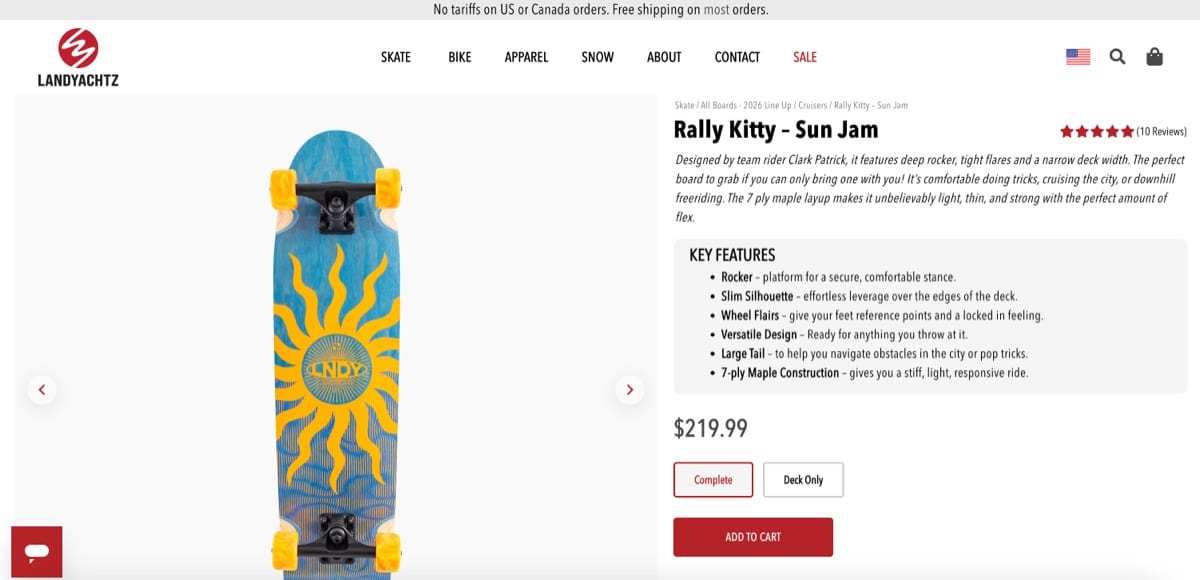
This autonomy has a direct impact on profitability. For example, Landyachtz, a prominent skateboard brand, successfully consolidated its regional stores into a single, unified WooCommerce instance. By doing so, they managed to synchronize currencies, regional pricing, and complex promotional rules while drastically reducing their annual platform costs from approximately $45,000 to under $10,000. This outcome illustrates that the cost of migration—while significant in the short term due to development labor—is often recouped within the first year of operation through the elimination of platform fees and the optimization of internal workflows.

Fact-Based Analysis of the Migration Landscape
From a technical perspective, migration is not without its challenges. Moving from a closed SaaS platform to an open-source system requires a shift in internal technical capabilities. Businesses must either maintain an internal development team or engage with a specialized agency to manage security patches, updates, and server maintenance.
However, the "cost" of this maintenance is increasingly being viewed as an investment in a permanent asset. In an era where digital commerce is the primary sales channel for many, the ability to iterate without waiting for third-party feature updates is a competitive advantage. The ability to integrate custom workflows—such as complex B2B pricing models that automatically adjust based on customer account data—without relying on third-party "app workarounds" allows for a more streamlined, faster-performing store.
Official Guidance and Professional Recommendations
Industry experts and the development community recommend that businesses approach migration with a clear, data-driven framework. Before initiating any transfer, companies are encouraged to utilize a TCO calculator to establish a baseline for current vs. projected expenditures. The following areas should be documented and audited:
- Payment Processing: Analyze the cost of current transaction fees versus the potential savings of direct-to-provider agreements.
- Manual Labor: Estimate the hourly cost of staff time spent managing manual data entry, patching together disparate apps, and troubleshooting sync errors between the store and backend systems.
- Infrastructure Scalability: Determine whether the current platform’s API limits or bandwidth restrictions are hindering growth.
For those in the early stages of consideration, the recommendation is to wait if the business is currently entering a high-traffic season, such as the year-end holidays, as the risks associated with a major platform migration during peak sales periods are substantial. Instead, the period immediately following a high-traffic cycle provides the ideal window for planning, development, and a controlled, phased rollout.
Broader Impact and Market Outlook
The trend of moving toward open-source solutions is reflective of a broader push for "digital sovereignty" among mid-market and enterprise retailers. As the ecommerce ecosystem continues to fragment with the rise of social commerce, headless architectures, and advanced AI-driven personalization, the rigidity of traditional SaaS platforms may become an increasing liability for companies that need to pivot quickly.
By choosing platforms like WooCommerce, businesses are not merely changing their software; they are re-aligning their digital strategy to favor longevity and flexibility. While the migration process demands a high level of initial planning and a shift in operational mindset, the long-term result is a store that serves as a custom-built, proprietary tool rather than a rented service. As technology continues to evolve, the ability to control the underlying code and infrastructure will likely remain a key differentiator for the most successful and resilient brands in the digital economy.
Related posts: