OSHA Issues New Workplace Safety Guidance for Opioid Overdose Reversal and Fentanyl Preparedness

The Occupational Safety and Health Administration (OSHA) has officially released comprehensive new workplace safety guidance aimed at equipping employers and employees with the tools necessary to recognize and respond to opioid overdoses on the job. Published in late September 2026, this directive arrives as part of the broader federal rollout of the Great American Recovery Initiative, a coordinated White House-led campaign spearheaded by the Trump Administration to confront the escalating national crisis of substance use disorder, addiction treatment, and fentanyl exposure.
The newly introduced guidelines represent a significant shift in how federal regulators view workplace safety, expanding traditional definitions of first aid to include the presence of life-saving opioid reversal agents. As illicitly manufactured fentanyl and its chemical analogues continue to infiltrate communities and permeate the American illicit drug landscape, federal health and labor officials are urging businesses across all sectors—from manufacturing and construction to retail and healthcare—to treat overdose preparedness with the same urgency as fire safety or standard medical emergencies.
Background Context of the Initiative and Regulatory Push
The launch of OSHA’s workplace safety guidance is deeply intertwined with the policy objectives of the Great American Recovery Initiative. Formally introduced by presidential action earlier in 2026, the initiative establishes a government-wide strategy to streamline addiction treatment access, expand recovery-ready workforce programs, and secure public spaces against the lethal influx of synthetic opioids.
For years, public health experts and occupational safety advocates have monitored the creeping intersection of the opioid epidemic and the American workplace. While traditionally viewed as a personal or community health issue, substance use has increasingly impacted daily operations, employee wellness, and safety-sensitive tasks. Fentanyl, in particular, poses a distinct operational hazard due to its extreme potency and the risk of accidental exposure or sudden overdose among vulnerable populations.
Recognizing that workplaces are microcosms of broader societal challenges, the Department of Labor and OSHA coordinated with the Office of National Drug Control Policy (ONDCP) to construct an actionable blueprint. The goal is to demystify overdose response, remove lingering stigmas associated with carrying reversal medications, and provide clear, liability-conscious frameworks for employers seeking to protect their personnel.
Key Strategies Outlined in the OSHA Fact Sheet
The newly published OSHA fact sheet establishes a set of foundational preparedness and response strategies designed for seamless integration into existing workplace safety programs. Among the core recommendations, the agency advises employers to:
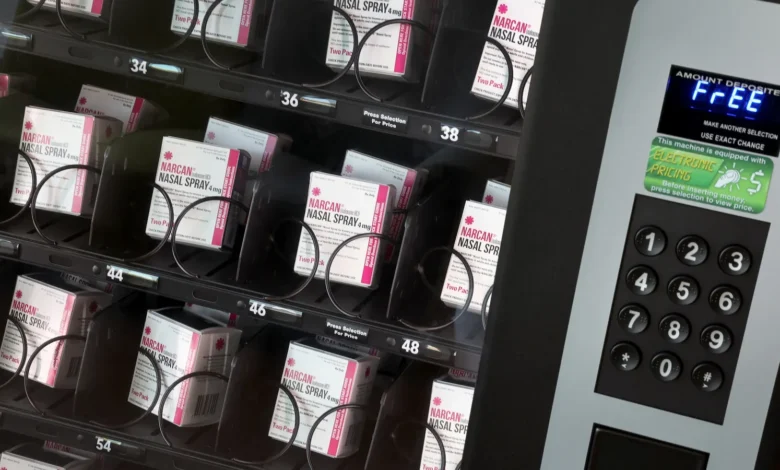
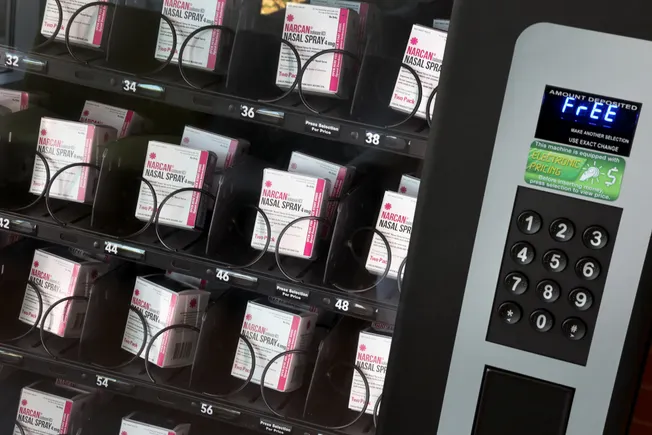
- Maintain Ready Access to Reversal Medications: Companies are encouraged to keep opioid reversal medications—such as naloxone (commonly known by the brand name Narcan) or nalmefene—readily available within the workplace environment.
- Treat Overdose Kits Like First Aid: Similar to automated external defibrillators (AEDs) and traditional first-aid kits, overdose response tools should be stored in clearly marked, visible, and easily accessible locations rather than locked offices or remote storage rooms.
- Train Personnel on Symptom Recognition: Employers should provide educational materials and training sessions to help workers identify the physical and behavioral symptoms of an acute opioid overdose, which can include slowed breathing, unresponsiveness, blue-tinted lips or fingernails, and limp posture.
- Instruct on Safe Administration: Workers must be trained on how to properly administer nasal sprays or auto-injectors safely and effectively, ensuring that staff members feel confident stepping in during those critical minutes before emergency medical services arrive.
Official Reactions and Stakeholder Perspectives
The rollout of the guidance has drawn notable commentary from key federal officials and public health advocates who view the workplace as an untapped frontier in the fight against overdose fatalities.
"Because fentanyl has infiltrated the illicit drug landscape and acts as a chemical weapon against our people, it is critically important that the American workforce is familiar with drug overdose recognition and reversal," White House Drug Czar Sara Carter said in an official statement following the release. "I am grateful to the Department of Labor for informing employers and workers about life-saving overdose reversal treatments like naloxone."
Labor and safety advocates have similarly praised the proactive nature of the directive, noting that traditional occupational health standards have historically lagged behind evolving public health crises. By placing actionable tools directly into the hands of employers, the administration aims to shift the narrative from punitive workplace drug policies to life-preserving intervention.
Workforce Data and the Prevalence of Substance Use

To contextualize the urgency of OSHA’s guidance, federal regulators and independent analysts point to recent comprehensive data illustrating the pervasive nature of substance use within the modern labor pool.
According to a July report published by clinical laboratory giant Quest Diagnostics, nearly 1 in 5 workers tested positive for drug use based on comprehensive hair analysis data collected throughout 2025. The Quest report utilized extensive U.S. workforce data encompassing both hair and urine testing panels that screened for a wide range of substances, including marijuana, cocaine, opiates, amphetamines, and methamphetamine.
Crucially, the data revealed distinct industry variations in substance detection. Among those tested, opiate use was found to be notably highest among healthcare workers—a sobering finding that highlights the complex occupational stressors, access vulnerabilities, and burnout factors present within critical care environments. This data reinforces the OSHA directive’s premise that no industry is entirely insulated from the impacts of the opioid epidemic, necessitating universal vigilance.
Legal Implications and Corporate Compliance
Beyond immediate emergency response, the intersection of workplace substance use and labor law presents a complex regulatory landscape that employers must navigate carefully. History and legal precedent show that corporate reactions to employee addiction can carry severe financial and legal liabilities if mismanaged.
Federal employment laws, including the Americans with Disabilities Act (ADA) and the Family and Medical Leave Act (FMLA), provide specific protections for individuals struggling with substance use disorders, provided they are seeking treatment or are in recovery.
A prominent case underscoring these risks involved a technology software company that was forced to pay an $80,000 settlement to resolve a disability discrimination lawsuit brought by the U.S. Equal Employment Opportunity Commission (EEOC). According to federal investigators, the firm fired an employee who requested and took medical leave to participate in an inpatient treatment program for substance abuse. The affected worker had a documented history of opiate addiction and was actively participating in a doctor-supervised, medication-assisted treatment (MAT) program.

The EEOC asserted that the termination violated the ADA because the employee was wrongfully regarded as disabled and faced discrimination directly tied to his medical treatment. Legal experts note that as companies adopt OSHA’s new overdose preparedness guidance, they must concurrently review their internal human resources and compliance policies. Employers must ensure that safety initiatives do not cross into discriminatory practices, and that workers receiving treatment for opioid use disorder are protected under federal law rather than subjected to unjust termination.
Broader Impact and Future Implications
The release of OSHA’s opioid preparedness guidance marks a transformative moment for American corporate culture. By bridging the gap between public health initiatives and occupational safety regulations, the federal government is effectively signaling that saving lives from fentanyl and opioid overdoses is a shared corporate responsibility.
As organizations across the country begin to update their safety manuals, install overdose response kits alongside conventional first-aid stations, and train employees in naloxone administration, the ultimate impact is expected to manifest in reduced fatality rates and a more supportive environment for individuals navigating recovery.
Moving forward, regulatory bodies are expected to monitor the adoption rates of these preparedness strategies, while human resources professionals must balance rigorous safety standards with empathetic, legally compliant medical leave and accommodation policies. Ultimately, the success of the Great American Recovery Initiative within the nation’s workplaces will depend heavily on education, open communication, and a collective commitment to harm reduction and employee well-being.