Play-Doh’s Strategic Pivot to Adult Consumers Signals a Major Evolution in the Legacy Toy Industry

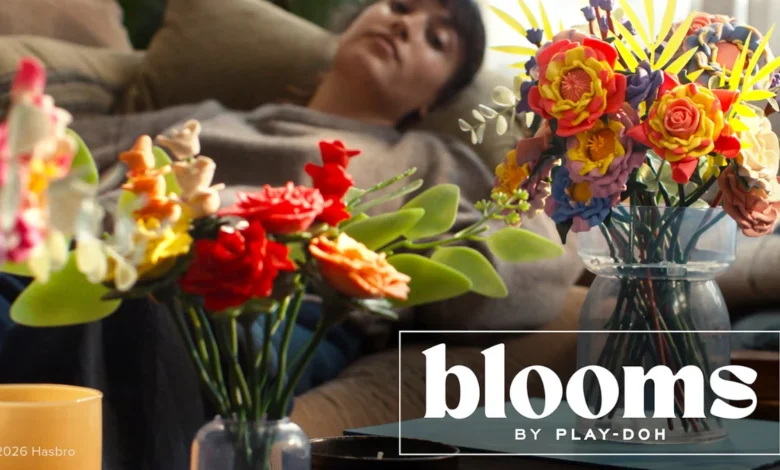
A recent advertising campaign for Play-Doh, showcasing intricate sculptures of botanical arrangements—bouquets of orchids, lilacs, and peonies encircled by delicate stems of eucalyptus and fern—marks a significant departure from its historical marketing playbook. This sophisticated imagery, targeting adults, stands in stark contrast to a 1975 Play-Doh magazine ad that famously depicted a young boy named Jeff’s bizarre, lumpy, blue creation, which he insisted was "really a dog who grew a long nose," despite its clear resemblance to an elephant. The introduction of "Blooms by Play-Doh," a specialty set specifically designed for an adult demographic, is not an isolated incident but rather the latest and highly visible example of a growing trend: legacy toy brands strategically courting an increasingly anxious and overstimulated adult consumer base. This shift reflects broader societal changes, evolving consumer preferences, and a strategic re-evaluation within the toy industry to unlock new revenue streams and brand relevance.
The Genesis of Play-Doh and Its Enduring Appeal
To understand the magnitude of Play-Doh’s current marketing evolution, it is crucial to revisit its origins and its traditional role in childhood development. Play-Doh, originally conceived in the 1930s as a wallpaper cleaner by Kutol Products, was repurposed as a children’s modeling compound in the mid-1950s. Its non-toxic, pliable, and brightly colored nature quickly cemented its status as a staple in nurseries and classrooms worldwide. For decades, Play-Doh has been synonymous with unbridled, imaginative play for children, fostering creativity, fine motor skills, and sensory exploration. Its appeal lay in its simplicity: a squishy, malleable substance that allowed children to transform abstract ideas into tangible forms, regardless of artistic skill. The 1975 "Jeff’s dog" advertisement perfectly encapsulated this ethos, celebrating the uninhibited, sometimes nonsensical, creativity inherent in a child’s interaction with the product.
However, the world has shifted dramatically since the 1970s. Children’s play has become increasingly digital, screen-dominated, and structured. Simultaneously, adults face unprecedented levels of stress, digital fatigue, and a yearning for analog, tactile experiences that offer a respite from the relentless pace of modern life. This confluence of factors has paved the way for a phenomenon known as the "kidult" market, where adults actively engage with products traditionally associated with childhood.
The Rise of the "Kidult" Consumer: A Market Redefinition
The "kidult" market, defined as adults purchasing toys or games for themselves, has become a formidable force in the global toy industry. Market research firm NPD Group reported that in 2022, adults accounted for a significant portion of toy sales, with the 18-and-over demographic representing approximately 25% of the total market, equating to billions of dollars in revenue annually. This demographic is not simply buying toys for children; they are purchasing them for personal enjoyment, collection, stress relief, and creative expression.
Several factors contribute to this burgeoning trend:
- Nostalgia and Comfort: Many adults are drawn to toys from their childhood as a source of comfort, escapism, and a connection to simpler times. Play-Doh, with its distinctive scent and texture, evokes powerful nostalgic memories for generations.
- Stress Reduction and Mindfulness: In an era of high-stress living, tactile activities like modeling with Play-Doh, building Lego sets, or solving complex puzzles offer a form of meditative engagement. They provide a "digital detox," allowing individuals to focus on a physical task, which can reduce anxiety and improve mindfulness.
- Creative Expression: Adults, often constrained by professional roles and societal expectations, seek outlets for creativity. Products like "Blooms by Play-Doh" offer a structured yet open-ended avenue for artistic expression without the pressure of traditional art forms.
- Disposable Income: Older millennials and Gen X, who may have delayed parenthood or chosen not to have children, often possess greater disposable income, which they are willing to spend on leisure activities and personal hobbies, including premium toy sets.
- Collecting Culture: The rise of collecting as a sophisticated adult hobby has fueled demand for specialized, high-quality, and limited-edition items across various toy categories, from action figures to intricate building sets.
A Chronology of Adult Play: Beyond Play-Doh
While Play-Doh’s "Blooms" collection is a relatively new entrant, other legacy toy brands have been strategically tapping into the adult market for years, setting a precedent for this evolution.
- LEGO’s Pioneering Success: Perhaps the most successful trailblazer in the adult toy market is The LEGO Group. Recognizing the significant adult fan base (AFOLs – Adult Fans of LEGO), the Danish toymaker began developing sophisticated lines specifically for adults over a decade ago. Collections like LEGO Architecture, Creator Expert (now Icons), Technic, and the highly successful Botanical Collection (featuring brick-built flower bouquets and plants) have resonated deeply with adults. These sets offer complex building challenges, stunning display pieces, and a meditative building experience. In 2021, LEGO reported that adult consumers were a key growth driver, with premium, intricate sets commanding higher price points and fostering a strong community of builders.
- Barbie Collector Editions: Mattel’s iconic Barbie doll has long maintained a robust collector’s market. Since the 1980s, special edition, designer collaboration, and historically inspired Barbie dolls have catered exclusively to adult collectors, often fetching high prices and becoming valuable investments.
- Premium Board Games and Puzzles: The board game industry has seen a renaissance, with complex strategy games, narrative-driven experiences, and beautifully designed puzzles attracting a vast adult audience, moving far beyond traditional family games.
- Hot Wheels Collector Lines: Even miniature die-cast cars like Hot Wheels have dedicated adult collector lines, featuring highly detailed models, premium finishes, and limited-edition releases that appeal to automotive enthusiasts and nostalgic adults.
These examples illustrate a broader industry recognition that "play" is not exclusive to childhood and that the desire for engagement, creativity, and relaxation through physical objects persists throughout life.
Strategic Rationale from Industry Leaders and Expert Perspectives
The decision by companies like Hasbro, Play-Doh’s parent company, to invest in adult-focused products like "Blooms by Play-Doh" is rooted in sound strategic and economic reasoning.
An inferred statement from a Hasbro spokesperson might emphasize: "Our expansion into specialty sets like Blooms by Play-Doh reflects our commitment to evolving our beloved brands and meeting consumers where they are. We recognize that Play-Doh’s unique tactile and creative benefits resonate with people of all ages. This initiative allows us to tap into a growing demand for mindful, hands-on activities that offer stress relief and a creative outlet for adults, while simultaneously broadening the Play-Doh brand’s relevance beyond its traditional demographic."
Market analysts largely view this trend as a shrewd business move. "The ‘kidult’ segment represents a significant opportunity for growth, especially for legacy brands that already possess strong nostalgic appeal," states Sarah Jenkins, a senior analyst at Global Toy Insights (hypothetical). "Adults buying toys for themselves often have higher disposable income and are less price-sensitive than parents buying for children. This opens doors for premiumization, higher-margin products, and brand extensions that might not be feasible in the core children’s market. However, brands must navigate carefully to ensure these adult offerings don’t dilute their primary appeal to children."
Psychologists and sociologists offer further insight into the deeper motivations behind adult play. Dr. Evelyn Reed, a developmental psychologist specializing in play therapy (hypothetical), explains, "Engaging in tactile, creative play—like sculpting with Play-Doh—activates different parts of the brain than screen-based activities. It fosters mindfulness, reduces cognitive load, and provides a sense of accomplishment. For adults, it’s a legitimate form of self-care and a healthy way to process stress and tap into latent creativity. The nostalgia factor simply sweetens the deal, offering a comforting return to a simpler, less demanding time." Sociologically, the increasing acceptance of adult play also reflects a cultural shift away from rigid age-based expectations, embracing the idea that play is a fundamental human need across the lifespan.
Marketing and Distribution Innovations
Targeting adults requires a distinctly different marketing and distribution strategy than appealing to children. Play-Doh’s "Blooms" ad, with its elegant floral arrangements, is a prime example. The messaging emphasizes mindfulness, home decor, and creative expression rather than boisterous fun.
- Digital and Social Media Campaigns: Brands are heavily leveraging platforms like Instagram, Pinterest, and TikTok, where adult consumers share their creative projects, home aesthetics, and self-care routines. User-generated content from adult "makers" becomes a powerful marketing tool.
- Lifestyle Integration: Products are marketed not just as "toys" but as "craft kits," "mindfulness tools," or "decorative items." This positions them within broader lifestyle categories, expanding their potential reach.
- Diversified Retail Channels: While traditional toy aisles remain crucial for children’s products, adult-focused lines can be found in a wider array of retail environments, including specialty craft stores, gift shops, online lifestyle marketplaces, and even home goods sections of department stores, reflecting their new positioning.
- Collaborations: Partnerships with artists, designers, or lifestyle influencers can further elevate the perception of these products and introduce them to new adult audiences.
Economic Implications and Future Outlook
The strategic pivot towards adult consumers carries significant economic implications for the toy industry. It represents a vital avenue for sustained growth in a market that faces challenges from digital entertainment and shifting demographics.
- New Revenue Streams: The "kidult" market provides incremental revenue, diversifying income sources beyond the traditional children’s market, which can be susceptible to birth rate fluctuations and economic downturns.
- Premium Pricing Opportunities: Adults are often willing to pay more for high-quality, intricately designed, or collectible items, allowing brands to command higher price points and achieve better profit margins.
- Brand Longevity and Relevance: By expanding their appeal, legacy brands can ensure their continued relevance across generations, preventing them from being solely associated with childhood and fading as their original audience ages.
- Innovation Catalyst: The demand from adult consumers drives innovation in product design, materials, and thematic content, leading to more sophisticated and diverse offerings.
Looking ahead, the "kidult" trend is expected to continue its upward trajectory. We can anticipate more toy companies, across various categories, introducing adult-specific lines or rebranding existing products to appeal to this demographic. The lines between "toys," "hobbies," and "lifestyle products" will likely continue to blur. Furthermore, as mental wellness becomes an increasingly prominent societal concern, products that offer tangible benefits like stress reduction and creative expression will find a receptive audience. The success of initiatives like "Blooms by Play-Doh" will serve as a case study for others in the industry, underscoring that the power of play is truly ageless.
In conclusion, Play-Doh’s elegant "Blooms" collection is far more than just a new product; it is a microcosm of a profound transformation within the legacy toy industry. It signifies a strategic re-evaluation of brand identity, a keen understanding of evolving consumer needs, and an innovative approach to market expansion. By embracing the "kidult" consumer, brands like Play-Doh are not only securing new revenue streams but also reaffirming the timeless and universal human need for creativity, comfort, and the simple joy of play.