The digital marketing landscape, particularly during peak retail seasons, has evolved into a highly competitive arena where brands vie aggressively for consumer attention. During periods like Black Friday week, the average consumer’s inbox often transforms into a barrage of promotional messages—"50% OFF EVERYTHING!", "LAST CHANCE!", "DON’T MISS OUT!"—from an overwhelming number of retailers. This intense saturation frequently leads to consumer fatigue, resulting in a reflex action of mass deletion rather than engagement. However, industry analysis and successful case studies demonstrate that seasonal email campaigns do not inherently need to resort to desperate pitches. When executed strategically, these campaigns can significantly bolster customer relationships, generate substantial revenue, and cultivate genuine anticipation among subscribers, even amidst the year’s most frenetic shopping periods. The underlying principle is not to diminish sales efforts but to approach them with enhanced intelligence and a focus on value.
The Evolving Landscape of Email Marketing and Consumer Behavior
Email marketing has undergone a profound transformation since its inception, moving from simple broadcast messages to sophisticated, personalized communication channels. Initially viewed as a cost-effective method for reaching a broad audience, email quickly became susceptible to misuse, leading to the proliferation of spam and the development of robust filtering systems. Today, the challenge for marketers is not merely to bypass spam filters but to cut through the sheer volume of legitimate, yet often uninspired, marketing emails.
During key seasonal events such as Valentine’s Day, Mother’s Day, Halloween, and especially the year-end holiday shopping spree encompassing Black Friday, Cyber Monday, and Christmas, email traffic experiences exponential spikes. According to recent industry reports, consumers receive an average of 12 marketing emails per day, a number that can double or triple during peak sales events. This glut of communication contributes to an average email open rate that hovers around 20-25% for most industries, with click-through rates often falling below 3%. Consequently, generic, discount-first emails frequently fail to achieve their objectives, with many subscribers opting to unsubscribe or simply ignore them. A 2023 study indicated that 45% of consumers report feeling overwhelmed by the volume of promotional emails, and 37% admit to unsubscribing due to irrelevant content. This data underscores a critical shift in consumer expectations: they demand relevance, value, and a personalized experience, rather than a relentless pursuit of transactional conversions.
Strategic Planning: The Foundation of Non-Salesy Campaigns
Effective seasonal email strategies are not born from last-minute impulses but are the product of meticulous, long-term planning. The notion of scrambling to compose a Valentine’s Day email on February 13th is emblematic of a reactive approach that invariably undermines campaign efficacy. Successful campaigns are typically conceptualized and developed weeks, often months, in advance. This foresight extends beyond merely penciling in "Black Friday campaign" on a calendar; it necessitates the creation of a comprehensive content calendar that meticulously maps out every significant seasonal moment relevant to the target audience.
While it is impractical and often counterproductive to engage the audience for every obscure holiday (e.g., "National Sock Day" campaigns are niche at best), identifying moments that genuinely resonate with the audience is paramount. This involves a strategic mix of promotional and value-driven content. A widely accepted guideline within the industry suggests adhering to a "give-and-take" approach: for every promotional email sent, aim to deliver at least two, or ideally three, emails that educate, entertain, or inspire. This methodology builds trust and goodwill, ensuring that when a sales-oriented email is eventually dispatched, subscribers are already engaged and significantly more inclined to open and interact with it. Psychologically, this consistent delivery of value cultivates a sense of reciprocity, making subscribers more amenable to purchase requests. Studies on customer loyalty repeatedly demonstrate that brands prioritizing customer education and entertainment over constant sales pitches achieve higher long-term engagement and customer lifetime value.
Crafting Compelling Narratives: Leading with Story, Not the Sale
A common misstep observed among many businesses, particularly nascent founders, is the tendency to initiate seasonal emails with an immediate discount. Phrases such as "30% off for summer!" or "Holiday sale starts NOW!" are direct but fail to differentiate a brand in an overcrowded inbox. When every competitor adopts a similar approach, the message becomes indistinguishable noise.
Conversely, leading with a compelling narrative offers a distinct advantage. Integrating a personal anecdote, a behind-the-scenes glimpse into product development, or a customer success story that organically connects with the season creates context, personality, and a genuine rationale for the product’s existence beyond mere inventory clearance. For instance, instead of a blunt "20% off our summer collection," an email could commence with, "We meticulously designed this collection for those cherished long weekends, aiming to offer effortless style without compromising comfort." The promotional offer can still be included within the email, but it is now framed within a narrative that adds depth and meaning.
Research consistently highlights the superior recall of stories compared to factual data or direct pitches. Data suggests that individuals retain approximately 63% of information presented in a narrative format, whereas only about 5% of standalone statistics are remembered. This underscores the strategic imperative of providing subscribers with memorable content before soliciting a purchase. The discount, in this context, functions as an added incentive or a "cherry on top," rather than being the sole, unadorned proposition. Industry experts frequently cite narrative marketing as a powerful tool for brand differentiation and emotional connection, particularly crucial in the transient nature of seasonal campaigns.
Precision Targeting: The Art of Audience Segmentation
The practice of sending a uniform seasonal email to an entire subscriber base is akin to presenting the same gift to individuals with vastly different relationships to the sender—a best friend, a professional superior, and a grandparent. Such an approach inevitably conveys a lack of personalized understanding, screaming, "I don’t truly know who you are, but please make a purchase." This generic messaging is readily perceived by sophisticated consumers.
Even fundamental audience segmentation can yield substantial improvements. A primary distinction can be drawn between new subscribers and established, returning customers. A first-time buyer might benefit from an introductory narrative to the brand during a seasonal promotional period, perhaps coupled with a smaller, introductory offer. In contrast, a loyal customer might respond more favorably to early access to sales, exclusive bundles, or a "thank you" discount that acknowledges their continued patronage.
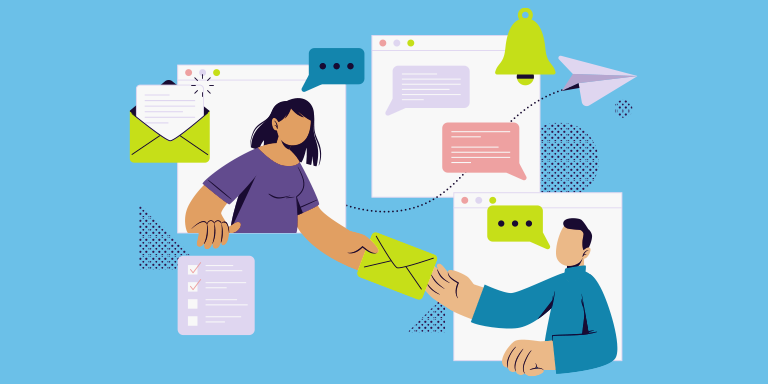
Moving beyond basic distinctions, segmentation can become increasingly granular. This can involve categorizing subscribers by purchase history, observed engagement levels (e.g., frequency of email opens, clicks), or specific browsing behaviors on the website. The more precisely tailored an email feels to the recipient, the less it resembles a mass sales pitch and the more it reads as a relevant communication specifically crafted for them. This precision enhances relevance, which is a key driver of higher open rates, click-through rates, and ultimately, conversion rates. Studies have shown that segmented email campaigns can result in a 760% increase in revenue compared to non-segmented campaigns.
The implementation of sophisticated segmentation does not necessarily demand extensive data science expertise. Modern email marketing platforms, such as Omnisend, offer intuitive tools that streamline the segmentation process, making it accessible even for entrepreneurs managing multiple priorities. The application of a few intelligent filters can transform a generic "Dear Valued Customer" approach into a highly personalized and effective seasonal campaign. This level of personalization is not just about sales; it’s about building enduring customer relationships based on mutual respect and understanding.
Cultivating Genuine Urgency, Not Manufactured Panic
The effectiveness of urgency in driving consumer action is an established principle in marketing. However, a critical distinction must be made between fostering genuine anticipation and coercing subscribers into purchases through guilt or artificial pressure. The digital landscape is replete with examples of the latter: "FINAL HOURS!", "You’ll regret missing this!", "This will NEVER happen again!" Such tactics often evoke the aggressive salesmanship of a used car lot and are increasingly transparent to the discerning consumer, frequently leading to resentment and unsubscribes.
The strategic alternative lies in cultivating urgency through thoughtful, authentic methods. Early access is an exemplary strategy, rewarding highly engaged subscribers by granting them a window to shop before the general public. This fosters a sense of exclusivity and appreciation rather than generating anxiety, making recipients feel valued rather than rushed. Similarly, limited editions and genuinely seasonal exclusives naturally create urgency; if a product is truly available for a restricted period, this inherent scarcity is respected by consumers because it is authentic, not contrived.
The approach taken by Lily, founder of Luu Lounge, serves as a compelling case study. Prior to product launches, she meticulously cultivated anticipation among her email and SMS subscribers, providing clear launch dates and times. By the time the products became available, a substantial demand had already been organically generated. Her strategy did not rely on aggressive "LAST CHANCE" subject lines; instead, customers were eager and queued up, driven by genuine excitement that had been earned through strategic communication, not manufactured desperation. This method aligns with psychological principles that demonstrate how scarcity, when perceived as authentic, increases desirability and perceived value. It underscores that urgency, when ethically applied, can drive significant sales while simultaneously reinforcing customer loyalty and brand prestige.
Leveraging Automation for Enhanced Efficiency and Personalization
In the contemporary marketing ecosystem, seasonal emails should aspire to be well-timed, relevant conversations with an audience that is predisposed to listen, rather than indiscriminate shouts into a crowded digital space. The most successful businesses in email marketing are not those wielding the largest discounts or the loudest subject lines, but those who consistently treat their subscribers as individuals, not mere transaction points.
Marketing automation plays a pivotal role in achieving this balance, enabling businesses to scale personalization and maintain consistent communication without a commensurate increase in manual workload. Automation platforms can manage a multitude of tasks, including the scheduling of seasonal campaigns, the deployment of welcome series for new subscribers, abandoned cart reminders, post-purchase follow-ups, and re-engagement campaigns for inactive users. By automating these "heavy lifting" tasks, businesses can reallocate valuable human resources to higher-level strategic planning, content creation, and personalized customer interactions.
The integration of automation with robust segmentation capabilities is particularly powerful. Once an audience is segmented by various criteria (e.g., purchase history, engagement level, geographic location), automation workflows can be configured to deliver highly specific and relevant content to each segment at optimal times. This ensures that a returning customer receives a loyalty offer while a new subscriber receives an introductory brand story, all without manual intervention for each email.
The benefits of marketing automation are quantifiable, with studies consistently reporting a significant return on investment (ROI). Businesses leveraging automation often see improved operational efficiency, reduced human error, and a more consistent brand voice across all communications. For instance, platforms like Omnisend are designed to make these advanced capabilities practical for businesses of all sizes, including solo founders. Foundr, recognizing the value of such tools, has historically offered its readers special access and discounts to empower them in building sophisticated, revenue-driving email and SMS strategies that integrate seamlessly into their operational schedules. This empowers businesses to transform seasonal moments into their most profitable periods, cultivating lasting customer relationships in the process.
Conclusion: The Future of Relationship-Driven Email Marketing
The paradigm of seasonal email marketing is irrevocably shifting from a purely transactional model to a relationship-centric approach. In an increasingly competitive digital environment, where consumers are inundated with commercial messages, the ability to stand out hinges on the delivery of genuine value, authentic storytelling, and deeply personalized experiences. Brands that prioritize strategic planning, thoughtful content creation, precise audience segmentation, and ethical urgency will not only drive sales during peak seasons but also cultivate enduring customer loyalty and enhance their overall brand equity.
The continued evolution of email marketing tools and automation platforms further democratizes access to sophisticated strategies, enabling businesses of all scales to implement tactics previously reserved for large enterprises. As the digital landscape continues to evolve, the brands that consistently treat their subscribers as valued individuals, offering them relevant content and respecting their inbox, will be the ones that thrive. This approach transcends the transient noise of seasonal sales cycles, building a foundation for sustained growth and a loyal customer base, demonstrating that effective marketing is ultimately about human connection, even in a digital format.