Strategic Talent Expansion: How Grant Thornton UK is Aligning People Strategy with Ambitious Commercial Growth

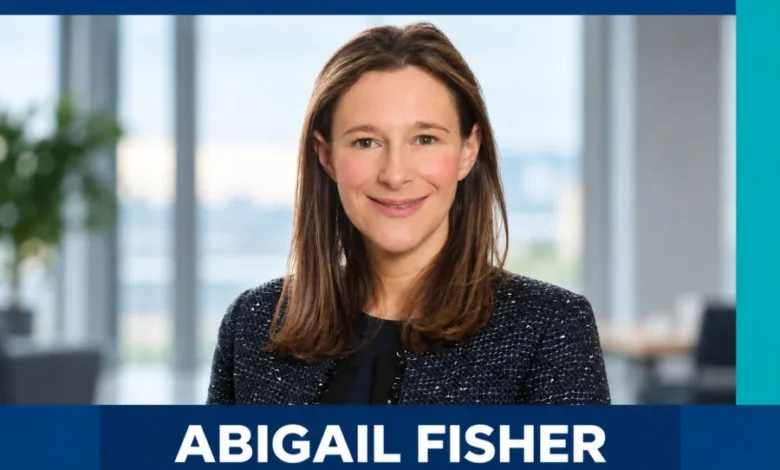
Grant Thornton UK has embarked on an aggressive multi-year expansion program, positioning itself to capture a larger share of the professional services market through a significant uplift in its senior leadership ranks. The firm has set a firm target to recruit 160 new partners over the next two years, a move intended to bolster its service capabilities and drive sustained revenue growth. To oversee this transformation, the firm appointed Abigail Fisher as its first Chief People Officer in February 2026. This newly created role signals a strategic pivot for the organization, emphasizing the integration of human capital management directly into the core of its commercial decision-making processes.
A Strategic Evolution in Leadership
The appointment of Abigail Fisher follows her distinguished 12-year tenure at the international law firm Eversheds Sutherland, where she rose to the rank of HR Director. Fisher’s transition into the professional services sector represents a broader industry trend where HR leaders are increasingly recruited from high-stakes legal and corporate environments to manage complex, multi-jurisdictional organizational change.
Fisher, 42, brings a philosophy rooted in the belief that "people decisions are business decisions." By embedding HR leaders into the Strategic Leadership Team, Grant Thornton is effectively dismantling the traditional silo between administrative human resources and operational business strategy. This approach is intended to ensure that as the firm scales, its culture remains a driver of performance rather than a casualty of rapid expansion.
The Chronology of Growth
The current expansion phase marks a pivotal chapter in Grant Thornton’s history. Following a period of market stabilization in the early 2020s, the professional services industry has seen a surge in demand for audit, advisory, and tax expertise. Grant Thornton’s decision to prioritize partner recruitment reflects a broader market trend where firms are aggressively competing for top-tier talent to navigate increasingly complex regulatory and economic environments.
- Pre-2026: Grant Thornton focuses on internal restructuring and enhancing digital infrastructure.
- February 2026: Abigail Fisher is appointed as Chief People Officer to lead the human capital strategy for a two-year growth spurt.
- 2026–2028: The firm initiates a campaign to onboard 160 partners, focusing on specialized talent to support its "people-first" commercial model.
- Long-term Outlook: The firm aims to solidify its position as a destination for professionals seeking long-term, flexible career paths.
Navigating the Competitive Talent Landscape
The professional services sector currently faces a "war for talent" that is unprecedented in scale. According to recent industry data, firms are grappling with an aging partner demographic and a younger, more mobile workforce that prioritizes purpose, flexibility, and professional development over traditional tenure-based progression.

Grant Thornton’s strategy to address these challenges involves a shift away from standard remuneration packages. By introducing initiatives such as an Employee Benefit Trust, the firm is attempting to foster a "stakeholder" mindset among its staff. This move is designed to create a direct link between individual output and the long-term enterprise value of the firm, thereby increasing retention rates in a market where turnover among skilled professionals has historically been high.
The Integration of Technology and Human Capital
One of the most significant challenges facing modern professional services firms is the integration of Artificial Intelligence (AI). Rather than viewing AI as a tool for cost-cutting, Grant Thornton is positioning it as a mechanism for augmenting human expertise. The rollout of its internal platform, GT Augment, is a case in point.
The firm’s approach to AI is predicated on "curiosity rather than fear," a sentiment that echoes findings from broader economic studies on the future of work. Research suggests that while AI can automate routine data processing, it enhances the value of high-level human competencies—specifically complex problem-solving, emotional intelligence, and professional judgment. Fisher emphasizes that as technology takes over transactional tasks, the "human side of leadership" will become the primary differentiator for top firms.
Culture as a Commercial Imperative
A common pitfall during periods of rapid growth is the dilution of organizational culture. Grant Thornton’s leadership argues that a strong culture is not merely a "nice-to-have" but a fundamental enabler of commercial success. In an environment where the workforce is increasingly dispersed through hybrid working models, the firm is moving toward an "intentional" approach to collaboration.
This involves clear frameworks that dictate when and why employees should gather in person—prioritizing moments of high-value interaction, such as mentorship, relationship building, and collaborative brainstorming. By rejecting rigid, rules-based attendance in favor of purpose-driven hybrid work, the firm aims to sustain productivity while maintaining employee well-being.
Data-Driven Inclusion and Diversity
Despite widespread corporate pledges toward Diversity, Equity, and Inclusion (DEI), many firms continue to report slow progress. Fisher notes that the shift from "good intentions" to "measurable action" is the only path forward. Grant Thornton is utilizing granular data to identify systemic barriers to promotion and hiring, effectively treating inclusion as a metric that influences the bottom line.

By embedding these metrics into performance management and work allocation, the firm intends to move beyond superficial representation and toward a structural evolution in how talent is nurtured and promoted. This evidence-based approach is intended to provide the transparency that current and prospective employees increasingly demand from their employers.
The Future of the HR Function
Looking ahead, the role of HR is set to undergo a radical transformation. Within five years, the distinction between "business strategy" and "people strategy" is expected to become largely historical. As organizations grapple with technological disruption, HR functions will likely become the primary engines for skill-mapping and continuous talent development.
The future of HR will be characterized by:
- Skills-First Recruitment: Moving away from rigid job titles toward a focus on transferable skills that can adapt to evolving AI capabilities.
- Strategic Foresight: Using AI and data analytics to predict future workforce requirements, allowing firms to pivot before skills gaps emerge.
- The Human Core: As automation becomes ubiquitous, the capacity for empathy, trust-building, and ethical leadership will become the most valuable commodities in the workforce.
Implications for the Professional Services Sector
The expansion at Grant Thornton serves as a case study for the wider professional services industry. As firms seek to scale, they are finding that traditional management models are insufficient. The success of the 160-partner recruitment drive will likely hinge on the firm’s ability to maintain a cohesive culture while navigating the complexities of a hybrid, tech-enabled, and highly competitive talent market.
For the firm, the immediate focus remains on balancing the demands of rapid growth with the psychological contract it holds with its employees. As Abigail Fisher noted, resilience is often higher than leadership anticipates, provided that communication remains transparent and that employees feel they are stakeholders in the firm’s trajectory rather than mere participants in its growth.
Ultimately, Grant Thornton’s strategy suggests that the firms of the future will be those that effectively blend the analytical power of AI with a deeply human-centric culture. By prioritizing the "whole employee experience," the firm is betting that in a world of accelerating technological change, the most sustainable competitive advantage is a highly skilled, highly engaged, and highly supported workforce.