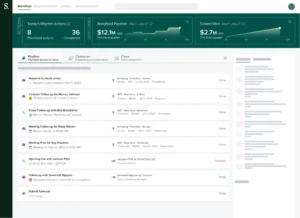
XANT’s Playbooks Redefines Sales in the Digital Age: A Deep Dive into Guided Selling

The landscape of sales is undergoing a profound and continuous transformation, a dynamic shift consistently underscored by industry analysts and practitioners alike. While change is a constant in the sales profession, the current evolution, significantly driven by the sophisticated application of data, is fundamentally reshaping buyer-seller interactions and operational experiences. This paradigm shift necessitates a departure from traditional, often inefficient, sales methodologies towards more intelligent, guided approaches.
The advent of smartphones profoundly altered consumer relationships with brands. Consumers gained unprecedented access to information, enabling self-directed research and decision-making. Brands, in turn, began consuming vast quantities of data to personalize suggestions and understand buyer preferences. This empowerment of the individual buyer has now fully permeated the business-to-business (B2B) realm, giving rise to a new breed of "digital native" B2B buyers. These buyers conduct extensive independent research, establish their own criteria, and leverage their professional networks for insights, often engaging vendors only in the final stages of their purchasing journey. They operate within larger buying committees and utilize a multitude of channels, making them increasingly challenging for sales representatives to identify and engage effectively.
The Challenge: Guessing at Scale and Vanishing Productivity
The disconnect between modern buyer behavior and traditional sales approaches has led to significant inefficiencies. Sales representatives, lacking precise insights, frequently resort to "guessing at scale"—a cycle of high activity without commensurate productivity. This often manifests as increased call volumes or email blasts, mistakenly labeled as enhanced productivity, when in reality, it’s merely amplified guesswork. The consequence is missed quotas, wasted resources, and a growing frustration within sales organizations. Industry reports indicate that sales reps spend a significant portion of their time on administrative tasks and lead research rather than direct selling, further exacerbating the problem. The solution lies not in doing more of what doesn’t work, but in adopting strategies that mirror the intuitive, data-driven behaviors of modern buyers: guiding actions with provable recommendations and automation.
Consumer technologies have long excelled at blending intelligence and automation to craft buyer-centric experiences seamlessly behind the scenes. This principle is now being applied to sales engagement platforms, creating guided experiences that are unique to the sales process. XANT, with its Playbooks platform, champions this "guided selling" approach, offering a comprehensive suite of features designed to empower sellers and meet the demands of the digital buyer. The platform posits that while basic sales engagement functionalities, such as those offered by solutions like Cadence, have become table stakes, true competitive advantage stems from the right combination of automation, a reliable and compliant system, and deep intelligence about buyer behaviors. This allows sales teams to transcend mere guesswork and proactively guide their selling efforts.
Foundational Pillars of Guided Selling with Playbooks
Playbooks differentiates itself through several foundational pillars: robust CRM integration, intelligent automation, reliable telephony, comprehensive compliance, advanced buyer intelligence, actionable reporting, and optimized speed-to-lead capabilities.
1. Seamless CRM Integration: The Backbone of Data Integrity
In the complex ecosystem of modern sales technology, effective integration with Customer Relationship Management (CRM) systems is paramount. Playbooks approaches integrations by amplifying existing CRM investments rather than attempting to duplicate CRM functionalities. This philosophy is critical in an era where CRM systems are often highly customized to an organization’s unique workflows and data structures.
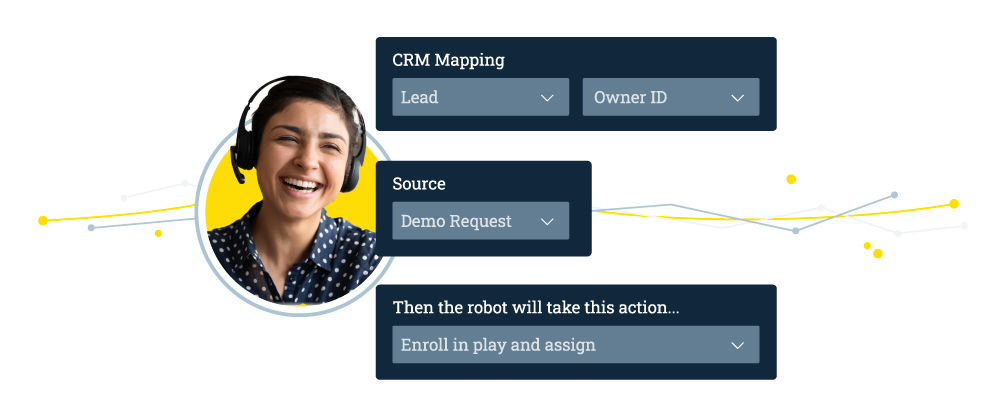
Most sales solutions require extensive, often manual, mapping to CRM fields, which vendors frequently market as "flexibility." In practice, this translates to constant maintenance, increased costs, and a perpetual burden on IT teams to recalibrate systems whenever CRM changes occur. This leads to data silos, duplicate records, and a breakdown in data quality, fostering blame between sales and marketing teams over lead quality and follow-up. XANT’s Playbooks, conversely, boasts a "plug-and-play" integration that, once established, requires virtually no ongoing maintenance, ensuring a reliable and compliant connection.
Leveraging over 15 years of deep investment in security and reliability, particularly around Salesforce, Playbooks offers a high-quality integration without arbitrary caps on the number of CRM fields it can scan and sync. This is a significant differentiator. Sub-par integrations often impose such caps, limiting visibility and reporting capabilities. Playbooks automatically monitors and updates more than 25 additional cadence-level and outcome-level fields in CRM, and can even alert reps to changes based on their predefined rules. For instance, when a rep makes a call via Playbooks on a Salesforce task object, the system meticulously reports back details such as call time, ring duration, call length, and campaign origin. This contrasts sharply with other solutions that might merely dump disparate details into a task subject line, rendering them unreportable and less actionable. This superior data capture capability ensures better visibility and more accurate insights for strategic decision-making.
Furthermore, the quality of CRM integration directly impacts automation capabilities. Playbooks empowers customers to create automation rules for nearly every workflow. Consider inbound lead management: traditional methods often involve manual assignment by a manager or admin, creating bottlenecks and delays, especially during high-volume periods. If a rep is absent or overwhelmed, leads can go cold, drastically reducing conversion chances. Playbooks addresses this with automated record assignment for personal or shared ownership, round-robin lead distribution, and rules to reassign inactive leads back to a shared pool. Given that the probability of connecting with an inbound lead decreases by 8X after just five minutes, rapid response is no longer a luxury but a necessity. Playbooks’ robust integration and automation capabilities are therefore fundamental to achieving optimal speed-to-lead.
The platform’s design around not recreating CRM also contributes to near-perfect uptime and reliability. While many SaaS vendors attempt to integrate with "everything," Playbooks focuses on strategic integrations that directly enhance the user experience and prevent data duplication. Duplicating integrations, such as an intent data platform already syncing with Salesforce, can complicate data flow and introduce additional points of failure and security risks. Playbooks streamlines this by automatically watching for field changes prompted by intent scoring within Salesforce to trigger actions, simplifying the data ecosystem and preventing the "putrid sore of data silos." This surgical approach to integration ensures stability and data integrity.
Finally, Playbooks offers the flexibility to operate across any CRM object, not just Leads and Contacts. Recognizing that sales teams work with Opportunities, Accounts (especially in account-based selling), and even Cases for Customer Success Managers (CSMs), Playbooks enables workflows to be built off any object that aligns with a company’s unique processes. This flexibility maximizes the value of sales execution technologies by enabling more quality actions across the entire customer lifecycle.
2. Intelligent Automation: Beyond Spamming, Towards Guided Productivity
The sheer volume of data, disparate systems, and complex processes that sellers are expected to navigate while maintaining consistency inevitably leads to waste and inefficiency. Without clear processes, reps improvise; without buyer insights, they waste time researching; without proper data sync, manual logging creates silos; without CRM monitoring, key events are missed; and without auto-lead assignment, leads go cold. The ideal scenario is for reps to dedicate their time solely to engaging and selling to qualified buyers. This cannot be achieved without robust, intelligent automation.
Playbooks’ automation is not about building an email spamming engine; it’s about establishing guardrails and facilitating sellers to minimize distractions and maximize effective selling time.
- Accurate Data Entry: Playbooks automatically captures and records data to and from any CRM field, without arbitrary field caps or complex mapping. It plugs into customized CRM instances, monitors every field, interprets its type, and updates accordingly. This unparalleled data fidelity, including updating over 25 additional fields per interaction beyond industry standards, provides superior reporting. For example, comprehensive call details are logged directly into Salesforce, unlike other platforms that may relegate such data to unreportable subject lines.
- Seamless Engagement Off Any Object: As highlighted in integration, Playbooks supports workflows off any CRM object, offering flexibility that aligns with diverse sales and customer success processes. A CSM, for instance, can auto-enroll customers approaching renewal into a specialized "renewal Play," proactively managing contracts rather than reacting to expiring agreements.
- Deal Progression: Playbooks automates deal progression, moving beyond merely defining sales stages to actively facilitating engagement and advancing deals. Account Executives (AEs) can enroll Opportunities into Plays based on specific sales stages, with Playbooks automatically triggering stage transitions based on changes in Opportunity status. It can even prioritize opportunities most likely to close, optimizing focus and preventing time waste on low-probability deals.
- Auto Record Enrollment: Playbooks allows for the automatic enrollment of Accounts, Leads, Contacts, Cases, and Opportunities into Plays based on any chosen criteria. Should a Play prove successful, Playbooks’ "Automation Robots" can automatically enroll similar records into that same Play, creating a repeatable and scalable motion. Tiered rules can also be applied for prioritizing records by score. This ensures, for example, that new demo or pricing requests are instantly enrolled in appropriate Plays and reps are alerted for immediate action.
- Flexibility with Shared and Personal Records: A unique feature of Playbooks is its ability to automatically assign records for either individual rep ownership or as part of a shared pool. In a shared pool, leads and contacts are available for any rep to work, with Playbooks automatically round-robinning them until action is taken. Critically, if an individually assigned rep fails to act within a set timeframe, the record can be automatically kicked back into the shared pool. This eliminates bottlenecks caused by manual assignment, rep absenteeism, or backlogs, ensuring consistent speed-to-lead.
- Alerts and Activity Triggers: Playbooks monitors all CRM fields, updating information bi-directionally without arbitrary caps, and generating alerts and activity triggers. Reps can receive customized alerts for key events, preventing opportunities from slipping through the cracks. For instance, an alert can be configured to notify a rep if there’s been no activity on a critical opportunity for several days.
- Buyer Behavior Insights and Predictions (Smart Email Send): Playbooks integrates buyer-specific algorithms that predict behaviors and offer insights. This includes identifying a contact’s buying influence, preferred channels, verified contact information, and the optimal time to send an email. The "SmartSend" feature, for example, predicts when a recipient is most likely to respond, yielding an average of 23% lift in contact rates. It also recommends verified email addresses, reducing bounce rates.
In the era of modern digital selling, robust automation is the essential mechanism for creating guided sales experiences. By embracing intelligent automation, organizations can significantly improve seller-buyer interactions, shifting from merely "getting stuff done" to prioritizing quality and then scaling effectively.
3. Reliable Telephony Solutions: Connecting with Clarity and Consistency

Despite evolving communication channels, dialing remains a potent tool in a sales professional’s arsenal. The assertion that "cold calling is dead" often comes from those who haven’t mastered its nuances or integrated it effectively into a multi-channel strategy. High-performing sellers judiciously select the best channel for each situation, and reliable telephony is indispensable. However, inconsistent call quality, system outages, or poor integration can lead to missed revenue and damaged customer perception.
XANT’s pioneering role in sales technology dates back to 2004 when it built the first dialing technology and authored intellectual property that underpins much of today’s digital sales tech, including click-to-call, immediate response, and inbound call paths. This deep expertise led XANT to develop its own telephony backbone, offering unparalleled flexibility compared to other vendors who often rely solely on third-party providers.
Playbooks provides three distinct telephony options:
- Direct Carrier Connections: This option utilizes direct connections to traditional carriers globally via a customer’s existing phone system. It ensures superior call quality and faster issue resolution, as XANT connects directly to carriers, bypassing the global backlog associated with third-party providers. This allows for immediate rerouting of calls or direct addressing of issues.
- SIP Integration: For large, technically sophisticated organizations, Playbooks offers a Session Initiation Protocol (SIP) integration. This connects XANT’s telephony to local networks and Private Branch Exchanges (PBXs), facilitating calls without routing them through XANT’s infrastructure. This can lead to substantial cost savings but requires a significant technical integration effort.
- Computer-Based Calling: Addressing the rise of remote workforces, Playbooks now offers dialing directly from a computer. While dependent on internet speeds and thus not a perfect solution for inconsistent call quality, it provides a convenient, low-cost alternative for sellers working from diverse locations, ensuring a baseline level of connectivity.
This multi-faceted approach to telephony ensures that businesses can select the solution that best fits their infrastructure, budget, and call quality requirements, ultimately safeguarding their ability to connect with buyers effectively.
4. Comprehensive Compliance Framework: Navigating Regulatory and Process Complexities
In the dynamic and often legally fraught world of sales, compliance is no longer an optional add-on; it is a fundamental requirement. Sales representatives cannot reasonably be expected to be experts in the myriad of compliance standards across different cities, states, and countries. The expectation is that robust systems will manage this complexity. Beyond legal mandates, compliance also encompasses adherence to internal team processes, messaging consistency, best practices (e.g., persistency, immediacy), and accurate activity logging in CRM. Failure to address any of these facets can impact performance, reputation, and expose businesses to significant legal and financial risks.
The nuances of compliance are extensive, from state-specific holidays like Pioneer Day in Utah, where prospecting is prohibited, to regional data privacy laws like GDPR and CCPA. Navigating this intricate web requires a system designed with compliance at its core. Playbooks is built with an architecture specifically designed to support an expanding spectrum of seamlessly deployed compliance capabilities.
Playbooks addresses multiple dimensions of compliance:
- Call Compliance: Ensuring adherence to Do Not Call registries, call recording consent laws, and local dialing time restrictions.
- Email Compliance: Managing opt-out requests, CAN-SPAM Act, and other relevant email marketing regulations.
- Data Compliance: Adhering to data privacy regulations (GDPR, CCPA), data security protocols, and data retention policies.
- Workflow Compliance: Ensuring reps follow predetermined sequences of engagement, opportunity progression, and strategic narratives, creating a consistent and predictable sales culture.
- CRM Compliance: Maintaining accurate and complete activity logs, ensuring data integrity, and preventing data silos.
Beyond legal and regulatory adherence, Playbooks also helps businesses enforce internal standards and ethical considerations. This includes preventing insensitive outreach, such as prospecting into regions affected by natural disasters, which could damage brand reputation. By automating compliance checks and guiding reps through approved workflows, Playbooks offers peace of mind, allowing sellers to focus on connecting with buyers faster and more effectively, confident that their actions align with all relevant standards. This robust compliance framework is not just about avoiding penalties; it’s about building trust, enhancing brand reputation, and establishing a sales system that enables consistent and reliable success.
5. Advanced Buyer Intelligence: Decoding Buyer Signals for Precision Selling
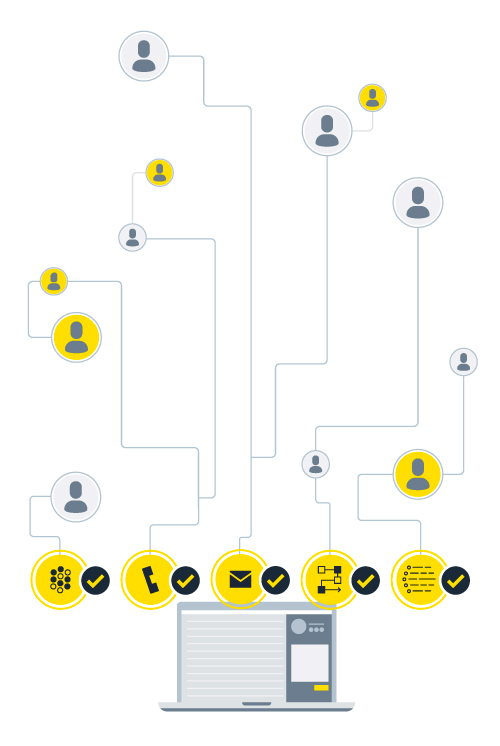
Buyer Intelligence, at its core, is the systematic acquisition and application of insights into buyer behavior. In a sales environment likened to "steering a boat at night through fog," buyers act as the lighthouse, constantly shifting their positions and signals. Tapping into these signals is paramount for navigation.
Playbooks achieves this through a four-step process:
- Data Collection: Playbooks meticulously collects data from every interaction and outcome across its platform—thousands of sellers, millions of buyers, billions of actions, all leading to closed-won or closed-lost deals. This creates an unparalleled dataset of sales engagement.
- AI-Powered Signal Mining: Utilizing advanced Artificial Intelligence (AI) algorithms, Playbooks mines this vast dataset for relevant behavioral signals. This includes identifying influencers, decision-makers, preferred communication channels, optimal engagement times, and co-buyers within an organization.
- Validation and Anonymization: The harnessed signals are then anonymized, encrypted, and rigorously validated against third-party data sources to ensure accuracy and privacy.
- Actionable Recommendations: Finally, these verified insights are automatically served up to sales representatives within Playbooks in the form of provable recommendations and scores, guiding their actions in real-time.
This Buyer Intelligence is seamlessly woven into the Playbooks user experience through features like:
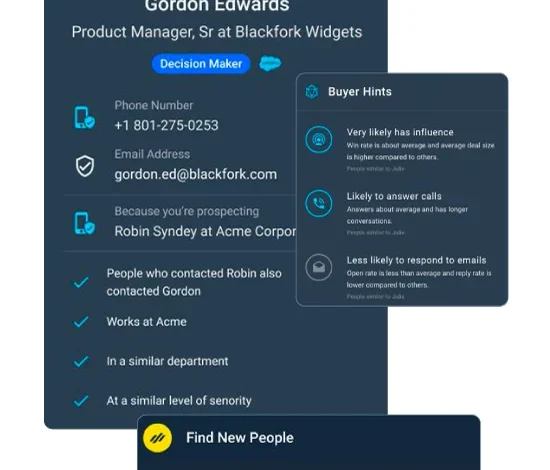
- PeopleFinder: Identifies additional members of a buying group, their roles, influence levels, contact information, and engagement patterns.
- Buyer Hints: Provides insights into buyer profiles, purchasing behaviors, influence within an account, and recommendations for optimal engagement strategies.
- Verified Contact Data: Offers verified email and phone contact information, complete with a timestamp indicating the last successful usage.
- Data Append: Automatically enriches individual records in CRM with additional contact information.
- Mobile Recommend: Detects and recommends verified mobile phone numbers.
- Smart Email Send: Predicts the best time to send emails based on actual email open rates, significantly boosting contact rates (an average 23% lift reported by customers).
- Scoring: Scores the likelihood of leads and contacts to engage, and the probability of accounts and opportunities to close, enabling intelligent prioritization.
This integrated intelligence provides sales teams with the flexibility to control their next actions, prioritize effectively, and make data-backed decisions. While essential human qualities like grit and soft skills remain crucial, Buyer Intelligence provides the technological edge needed to foster a truly buyer-centric approach and achieve predictable results.
6. Actionable Reporting and Scorecards: Driving Performance and Accountability
A fundamental principle of improvement is the ability to measure what’s working and what isn’t. Sales managers frequently express frustration over the extensive effort required to build reports, track down disparate data, and measure performance, often finding the data incomplete or inaccurate. This problem is compounded when sales tools act as "shadow CRMs," allowing actions or data storage outside the primary CRM without full synchronization, leading to data integrity issues and unreliable reporting. The ideal scenario allows sellers to sell and managers to coach, supported by accurate, easily accessible insights.
Playbooks addresses these challenges through:
- Pre-Built Native CRM Reporting: By natively plugging into the CRM system of record and pushing data updates to all affected fields without caps or downtime, Playbooks ensures data integrity. Its unique integration, which requires minimal mapping, automatically scans every field and updates over 25 additional fields beyond standard practices. This data is then deployed in custom reporting packages pre-loaded into CRM, providing performance insights directly where managers and stakeholders need them. This eliminates the need for maintaining complex bi-directional integrations and decentralizing data stores, ensuring a single, accurate source of truth.
- In-App Reporting, Scorecards, & Leaderboards: Playbooks offers quick, in-app views into rep activity and performance. These dashboards are seamlessly connected to the CRM data, providing a simplified control center for managers to assess team activity. To foster engagement and motivation, Playbooks allows for the setup of Scorecards with customizable Key Performance Indicators (KPIs) and Personal Leaderboards. These tools track progress towards goals, reward top performers, and provide insights to reinforce better engagement and process adoption.
Playbooks provides a comprehensive suite of sample reports, including Task and Event Reports (activity by team/rep, adherence to Plays), Strategy Reports (Play effectiveness, rep progress), Inbound Call Metrics (wait times, batching), Email Reports (usage, replies, bounces), Account Penetration (activity level, effectiveness), Activity Dashboards (team performance impact), and In-App Reports (detailed activity, Play adoption). These reporting capabilities empower managers with the insights needed for data-driven coaching, performance optimization, and effective sales-marketing alignment.
7. Optimizing Speed-to-Lead: Seizing the Moment in a Digital World
The critical importance of speed-to-lead cannot be overstated in today’s digital buying environment. Research consistently shows that a significant portion of buyers (up to half) still choose the vendor that responds first. XANT’s own research, spanning 6 million marketing leads, reveals alarming statistics: conversion rates are 8X higher within the first 5 minutes of contact, contact rates are 2.5X higher within the first 2 hours, and win rates are 7.5X higher when engagement attempts occur within the first few hours compared to waiting more than a week. The window for effective engagement is measured in minutes and hours, not days.

Modern buyers, armed with extensive research capabilities and peer networks, generate fleeting buying signals. Yet, a staggering 79% of inbound leads are never touched, and only 9% are engaged within the crucial first two hours. This represents a massive missed opportunity for businesses. Common bottlenecks include manual lead assignment, leads going cold due to rep unavailability (sickness, vacation), and a lack of visibility for leaders into these operational failures.
Playbooks addresses this challenge head-on with its Automation Robots and innovative Shared Records functionality:
- Automation Robots for Manual Tasks: Many essential sales tasks, such as lead assignment, do not require human intervention. Playbooks’ Robots eliminate manual lead assignment, which often creates bottlenecks when managers or admins are overwhelmed. Robots query all CRM fields every 10 minutes by default, or in real-time for urgent leads, instantly enrolling new demo or pricing requests into appropriate Plays and assigning them. This ensures immediate action when interest is highest.
- Auto-Assign Leads and Keep Reps on Rails: Playbooks allows for the calibration of Automation Robots to recognize urgent inbound marketing leads and trigger an immediate response. For existing customers, Robots can proactively enroll accounts into renewal Plays months before their contract end date, ensuring proactive customer success management.
- Shared Records and Auto Round-Robin Leads: This is a unique hallmark of Playbooks. It allows strategic leads and accounts to be assigned to individual reps (Personal Records) or placed in a Shared Records pool for any rep to work. Urgent tasks, whether personal or shared, are prioritized with automatic alerts. Crucially, time-based rules can be set to automatically pull Personal Records into a Shared pool if the assigned rep doesn’t take action promptly, or to round-robin Urgent Tasks on Shared Records until someone engages. This eliminates bottlenecks, prevents leads from languishing, and ensures maximum speed-to-lead.
By automating these critical processes, Playbooks helps businesses rebuild their "speed-to-lead muscles," which may have atrophied in recent years. This agility is vital for maximizing inbound lead value, gaining a competitive edge, and converting more opportunities in a rapidly evolving market.
Conclusion: Embracing the Guided Selling Imperative
The digital transformation of sales is not merely an ongoing trend; it is the definitive reality of modern commerce. Businesses can no longer afford to rely on outdated methodologies or "guessing at scale." XANT’s Playbooks offers a compelling vision for "guided selling," providing the modern seller with a comprehensive, data-backed platform designed specifically to navigate this new landscape and reach the modern digital buyer.
Through its superior CRM integration, intelligent automation, reliable telephony, robust compliance framework, advanced buyer intelligence, actionable reporting, and optimized speed-to-lead capabilities, Playbooks empowers sales organizations to move beyond reactive selling. It ensures that every action is informed by data, every process is efficient, and every interaction is aligned with buyer expectations and regulatory requirements. The result is a predictable, scalable, and highly effective sales motion that fosters stronger buyer connections, drives higher conversion rates, and ultimately delivers sustained revenue growth in an ever-changing digital world.
Related posts: