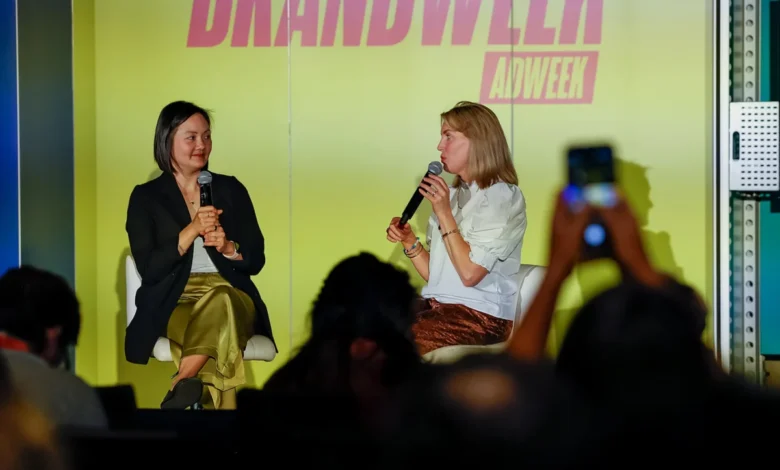
The presentation underscored a shift in how legacy brands—those approaching the two-decade mark—must pivot to maintain relevance in an era defined by hyper-personalized digital consumption. For Every Man Jack, this transition has involved moving beyond traditional demographic targeting to focus on value-based storytelling, a strategy best exemplified by their high-profile collaboration with NFL quarterback Baker Mayfield.
The Evolution of the Men’s Grooming Landscape
To understand the strategic pivot undertaken by Every Man Jack, one must examine the state of the men’s personal care market at the time of the brand’s inception. In 2007, the market was starkly bifurcated. On one end of the spectrum were mass-market, budget-friendly options found in drugstores, which prioritized utility over ingredient transparency or sustainability. On the other were premium, salon-exclusive products that commanded high price points, often alienating the average consumer who desired quality without the luxury tax.
Every Man Jack emerged with a "middle-ground" value proposition: providing natural-derived, high-quality ingredients at an accessible price point. This positioning was revolutionary in 2007, a time when the "men’s grooming" category was only just beginning to shed its traditional, hyper-masculine constraints. Over the subsequent 17 years, the brand has navigated the transition from a niche, eco-conscious player to a mainstay in major retailers, including Target, Walmart, and Whole Foods.
Chronology of Brand Maturation
The trajectory of Every Man Jack serves as a case study for brand longevity.
- 2007: Brand launch, focusing on natural, plant-based ingredients for men.
- 2010–2015: Expansion of distribution channels from independent natural grocers to national mass-market retailers.
- 2018–2020: The rise of direct-to-consumer (DTC) capabilities and the launch of scent-focused lines like Sandalwood and Cedarwood, which helped the brand gain traction in digital marketing channels.
- 2022–2023: Strategic pivot toward celebrity partnerships and influencer-led campaigns designed to broaden the brand’s reach beyond the "natural-product" purist.
- 2024: Execution of the Baker Mayfield signature collection, signaling a push into the lifestyle and sports-centric consumer market.
The Anatomy of the Baker Mayfield Campaign
The partnership with Baker Mayfield, which yielded a signature grooming collection, served as a focal point for Dao’s discussion at Brandweek. The campaign was not merely a celebrity endorsement; it was a carefully researched alignment of brand values.
Data-driven marketing research suggested that Every Man Jack’s core consumer was shifting away from the "eco-warrior" archetype and toward a "balanced-lifestyle" demographic—men who value physical fitness, personal accountability, and efficiency. By aligning with Mayfield, a figure whose public narrative has been defined by resilience and professional reinvention, Every Man Jack successfully tapped into a demographic that values substance over polish.
The results, according to Dao, exceeded internal benchmarks. The campaign demonstrated that when a brand remains "scrappy"—a term she used to describe the ability to iterate quickly and tell authentic stories—it can successfully break through the noise of legacy competitors.
Market Dynamics and Consumer Behavior
The men’s grooming industry is currently experiencing a period of significant expansion. According to market research firm Grand View Research, the global men’s grooming market size was valued at approximately $76 billion in 2023 and is projected to grow at a compound annual growth rate (CAGR) of 7.5% through 2030.
This growth is driven by several factors:
- Normalization of Self-Care: The social stigma surrounding men’s skincare and grooming routines has largely dissipated, spurred by the digital age and the prominence of grooming tutorials on platforms like TikTok and Instagram.
- Ingredient Transparency: Modern consumers, regardless of gender, are increasingly demanding "clean" beauty. Every Man Jack’s early commitment to excluding parabens, phthalates, and dyes has positioned them well for current regulatory and consumer trends.
- Omnichannel Integration: Brands that fail to integrate their digital marketing efforts with physical retail presence are finding it increasingly difficult to survive. Every Man Jack’s success stems from its ability to maintain a cohesive brand voice across these disparate channels.
Tactical Implications for Modern Marketers
Dao’s address at Brandweek offered a blueprint for marketers navigating a post-cookie digital environment. She emphasized that while data is essential for identifying the "who," it is the narrative that captures the "why."
"As a marketer, you can get scrappy," Dao noted. "What stories does your brand want to tell? What values are you trying to bring to life?"
This sentiment reflects a broader industry trend toward "values-based marketing." In a world where consumers have near-instant access to competitive pricing and product reviews, the differentiator is increasingly the brand’s identity. If a company does not stand for a set of identifiable values, it becomes a commodity. By leaning into values such as environmental responsibility and personal integrity, Every Man Jack has managed to retain its brand equity while scaling its reach.
Analysis: The Cost of Authenticity
The challenge for any brand approaching its second decade is the "incumbency trap." Established companies often become risk-averse, relying on legacy messaging that may no longer resonate with younger cohorts. The Every Man Jack strategy represents an intentional disruption of this cycle. By reworking the target audience and bringing in outside talent like Mayfield, the company has demonstrated a willingness to disrupt its own internal status quo.
However, this strategy is not without its risks. Celebrity partnerships can be volatile; if the public persona of the partner shifts, the brand can be adversely affected. Furthermore, as the market becomes more crowded with boutique grooming brands, the cost of customer acquisition (CAC) is rising. Companies must now prove the efficacy of their products while simultaneously justifying their brand values, a "double-duty" that requires significant capital and creative investment.
Looking Toward the Future
As Every Man Jack moves toward its twentieth anniversary, the lessons shared by Dao at Brandweek suggest a future defined by continued experimentation. The integration of artificial intelligence in customer data analysis will likely further refine their audience segmentation, allowing for even more granular storytelling.
The industry at large is watching brands like Every Man Jack to see how they handle the maturation process. For those looking to replicate their success, the takeaway is clear: success is rarely the result of a single viral campaign. Instead, it is the result of years of research, a consistent commitment to core values, and the courage to iterate when the market demands change.
In summary, the transition from a niche natural brand to a household name requires a synthesis of art and science. By prioritizing authentic storytelling and aligning with figures who embody the brand’s evolving identity, Every Man Jack has successfully navigated the complexities of the modern grooming market. As the sector continues to evolve, the ability to balance the "scrappiness" of a startup with the operational sophistication of a legacy brand will remain the definitive competitive advantage for any company in the personal care space.
Related posts: