Strategic Alignment and Human-Centered Leadership The Professional Evolution of Sara Chapman and the Future of Human Resources at Ulteig

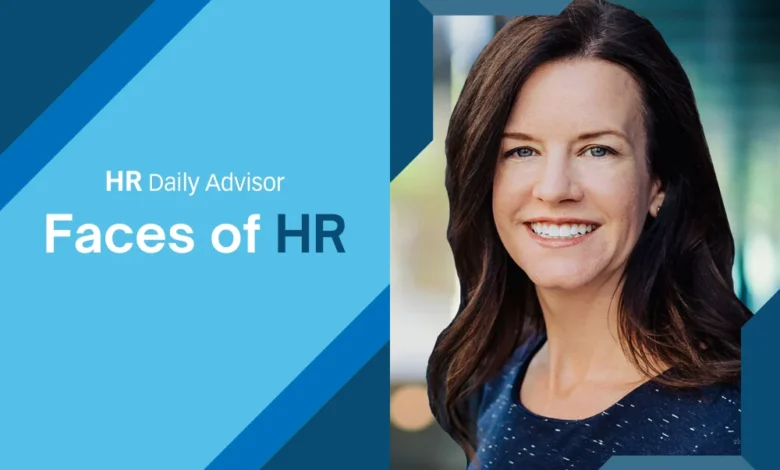
Sara Chapman, the Chief Human Resources Officer at Ulteig, has spent more than two decades redefining the intersection of human capital and business strategy, transitioning from foundational roles in employee relations to executive leadership within the complex infrastructure engineering sector. Her career trajectory reflects a broader transformation within the Human Resources (HR) industry, moving away from purely administrative functions toward a model where people operations are the primary engine for organizational performance. Currently leading the HR function at Ulteig, a firm specializing in power, renewables, water, and transportation infrastructure, Chapman oversees the integration of talent development and corporate culture with long-term commercial objectives. Her approach is characterized by a blend of data-driven analytical rigor and a commitment to human-centered leadership, a philosophy forged through experiences in regulated utilities, high-growth startups, and professional services firms.
The Chronology of a Strategic HR Career
Chapman’s professional journey began over 20 years ago, rooted in the essential disciplines of employee relations and HR business partnership. This early phase provided her with a granular understanding of the workforce’s daily needs and the operational challenges faced by managers. It was during this period that she identified the critical necessity of aligning HR initiatives directly with business outcomes, rather than treating the department as an isolated support silo.
The middle stage of her career saw a significant shift toward enterprise-level strategy. Joining a large, regulated utility, Chapman moved from frontline execution to leading high-level initiatives in talent management, succession planning, and performance management. This environment, characterized by strict regulatory oversight and the need for long-term stability, required a sophisticated approach to change management. During this time, she led large-scale initiatives designed to modernize the utility’s workforce, ensuring that the organization could adapt to evolving energy markets while maintaining a robust pipeline of future leaders.
Following her tenure in the utility sector, Chapman expanded her versatility by taking on senior leadership roles in two vastly different environments: a high-growth startup and a professional services firm. The startup environment demanded agility, rapid scaling, and the ability to build culture from the ground up, while the professional services sector emphasized the nuances of managing highly specialized, knowledge-based workers. These experiences culminated in her current role at Ulteig, where she serves as a member of the executive team, steering the people strategy for an employee-owned firm that operates at the heart of the nation’s infrastructure development.
Strategic Alignment at Ulteig and the Infrastructure Sector
At Ulteig, Chapman operates in an industry currently facing unprecedented demand. The infrastructure engineering sector is grappling with the implementation of the Infrastructure Investment and Jobs Act (IIJA), which has funneled billions of dollars into projects across the United States. This surge in demand has created a highly competitive labor market for civil, electrical, and structural engineers. In this context, Chapman’s role as CHRO is not merely about hiring, but about creating a "purpose-driven" culture that attracts and retains top-tier talent in a "war for talent" that has only intensified post-pandemic.
Under Chapman’s leadership, Ulteig has focused on a people-centric culture that emphasizes personal thriving alongside professional delivery. This involves a strategic partnership with other C-suite executives to ensure that the company’s culture is not just a set of values on a wall, but a lived experience that drives retention. By aligning talent strategies with the firm’s long-term business goals, Chapman ensures that the workforce is prepared to meet the technical and logistical challenges of modern infrastructure projects, from renewable energy integration to the modernization of the national power grid.
Data-Driven Decision Making and Academic Foundation
One of the defining features of Chapman’s leadership style is her reliance on evidence-based practices. This approach is supported by her academic background, which includes a Bachelor of Science in Business and Human Resources from Minnesota State University, Mankato, and a Master of Arts in Human Resources and Change Leadership from the University of St. Thomas.
The Master’s degree in Change Leadership, in particular, has equipped Chapman with the tools to use data-driven evaluations to assess leadership potential and organizational fit. In an era where "People Analytics" has become a buzzword, Chapman applies these concepts practically. She utilizes analytical rigor to evaluate team dynamics and uses coaching expertise to bridge the gap between what the data suggests and how employees actually behave. This methodology aligns with the teachings of Marc Effron, author of One Page Talent Management, whom Chapman cites as a major influence. Effron’s philosophy advocates for eliminating the complexity often associated with HR processes, focusing instead on simple, data-backed methods that directly improve business performance.
The Influence of Leadership Diversity and Mentorship
Chapman’s perspective on leadership has been shaped by a diverse array of mentors and industry philosophies. She has been a vocal proponent of the idea that leadership success is not monolithic. Specifically, she credits a former leader with helping her realize that introverts can be highly effective leaders. This realization is supported by a growing body of organizational research suggesting that introverted leaders often excel in listening and empowering proactive employees, whereas extroverted leaders may inadvertently dominate the conversation.
Furthermore, Chapman’s career has been marked by a willingness to embrace "the uncomfortable." She reflects on a pivotal moment when a mentor encouraged her to take on a role for which she felt unprepared. This experience of "trepidation and uncertainty" ultimately became a catalyst for growth, redefining her understanding of her own capabilities. This narrative of growth through risk-taking is a central theme in her advice to others in the profession, suggesting that the most significant career advancements often occur at the edge of one’s comfort zone.
The Future of HR: Technology and Human Connection
As the HR industry looks toward the next five years, Chapman anticipates a paradoxical shift: as technology becomes more embedded in the workplace, the need for human connection will become even more paramount. The rise of Artificial Intelligence (AI) and automation in HR—ranging from automated resume screening to AI-driven sentiment analysis—is expected to streamline transactional tasks. According to recent industry data from firms like Gartner, nearly 50% of HR leaders are currently exploring how to integrate generative AI into their workflows.
Chapman views this digital transformation as an opportunity rather than a threat. She posits that by automating administrative burdens, HR professionals can shift their focus toward high-value strategic priorities, such as organizational design, leadership development, and fostering healthy workplace cultures. She believes that technology, if implemented with intentionality, can bring a workforce closer together by providing better access to information and more objective decision-making frameworks. However, she maintains that the "human-centered" element of leadership cannot be automated; solving complex problems and navigating the emotional nuances of a workforce will always require a human touch.
Impact and Implications for the HR Profession
The implications of Chapman’s approach extend beyond the walls of Ulteig. Her career serves as a blueprint for the modern HR professional who must balance the needs of the business with the well-being of the individual. She highlights a often-overlooked aspect of HR: the "emotional weight" of the role. Because HR leaders are often privy to both the highest achievements and the most difficult personal and professional failures within an organization, they must manage a significant amount of confidential and heavy information.
This "front row seat" to the organization’s inner workings requires a high degree of resilience and self-awareness. Chapman’s evolution from a leader who overanalyzed mistakes to one who views them as opportunities for continuous learning reflects a broader industry trend toward "psychological safety." By modeling this resilience, HR leaders can influence the culture of the entire organization, encouraging a growth mindset where employees feel safe to innovate and fail.
Conclusion and Advice for Emerging Professionals
Sara Chapman’s tenure as CHRO at Ulteig demonstrates that the modern HR function is most effective when it is treated as a strategic partner and an enabler of business success. Her career underscores the importance of "learning the business" first—understanding the mechanics of how an organization creates value—before attempting to apply HR solutions.
For those entering the profession, Chapman’s advice is clear: stay curious, gain diverse experience across different HR functions, and be prepared to take risks. As the industry continues to evolve in the face of technological disruption and shifting workforce demographics, the ability to blend data-driven strategy with a deep commitment to human connection will remain the hallmark of successful HR leadership. The work of HR, as Chapman notes, extends far beyond the office; it influences the lives of employees, their families, and their communities, making the pursuit of a healthy, high-performing workplace a goal of significant social and economic importance.