The United States is currently standing at the precipice of an unprecedented economic phenomenon known as the Great Wealth Transfer. Between 2024 and 2048, an estimated $124 trillion in household assets—spanning real estate, equity holdings, cash reserves, and business interests—is projected to migrate from the Silent Generation and baby boomers to their heirs and charitable organizations. This massive reallocation of capital represents the largest movement of generational wealth in recorded history, promising to reshape the socioeconomic landscape of the nation for decades to come.
While the sheer scale of this transfer is staggering, the process is fraught with silence. Despite the imminent arrival of this financial windfall, a significant portion of American families remains paralyzed by the "taboo" nature of money. Data from a Morning Consult survey commissioned by Kiplinger reveals that roughly two in five families have not yet held a formal discussion regarding inheritance strategies. This lack of communication stems from a complex intersection of cultural norms surrounding money, the psychological discomfort of confronting mortality, and a general lack of financial literacy regarding estate planning.
A Chronology of the Transfer
The origins of this shift can be traced to the post-World War II economic boom, which allowed the Silent Generation and baby boomers to accumulate wealth through rising home values, stock market growth, and robust pension systems. As these cohorts enter their later years, the inevitability of succession planning has moved to the forefront of the national economic agenda.
The timeline for this transfer is categorized into three distinct phases. The initial phase (2024–2028) marks the acceleration of the transfer as the youngest baby boomers reach age 60 and the oldest approach their life expectancy limits. The second phase (2029–2038) is projected to be the peak, where the volume of estate settlements and trust distributions will reach its highest intensity. Finally, the third phase (2039–2048) will see the completion of this massive transition, potentially altering the capital allocation strategies of younger generations, specifically millennials and Generation Z, who will become the primary custodians of this wealth.
The Stumbling Block: Why Families Remain Silent
The reluctance to discuss inheritance is not merely a matter of social etiquette; it is deeply rooted in human behavior. Financial psychologists note that parents often fear that discussing money with children may result in "affluenza," or the loss of motivation, while children often feel that inquiring about inheritance is disrespectful or morbid.
"I couldn’t find it in my heart to ask," noted one survey respondent, highlighting the emotional barrier that prevents proactive planning. This silence frequently leads to "probate gridlock," where the absence of a clear, communicated strategy results in protracted legal battles, family estrangement, and the erosion of the very wealth intended to be preserved. When families fail to align on expectations, the risk of mismanagement increases, turning a life-altering opportunity into a source of conflict.
Perspectives from Financial Titans
The strategy of wealth transfer is no longer a private matter for the ultra-wealthy; it has become a template for families across the socioeconomic spectrum. Several prominent figures have shared their methodologies, offering a blueprint for those grappling with the transition.

Warren Buffett, the chairman of Berkshire Hathaway, has long been a vocal proponent of purposeful wealth transfer. His philosophy centers on the idea of utility and responsibility. "Be sure each child understands both the logic for your decisions and the responsibilities they will encounter upon your death," Buffett noted in a 2024 correspondence. His approach is rooted in the belief that an inheritance should be significant enough to facilitate opportunity, but not so large that it stifles ambition. Furthermore, Buffett’s commitment to donating 99% of his fortune to charity serves as a stark reminder that wealth transfer is not just about family—it is a vital component of philanthropic stability, with roughly 15% of the total $124 trillion expected to flow into charitable sectors.
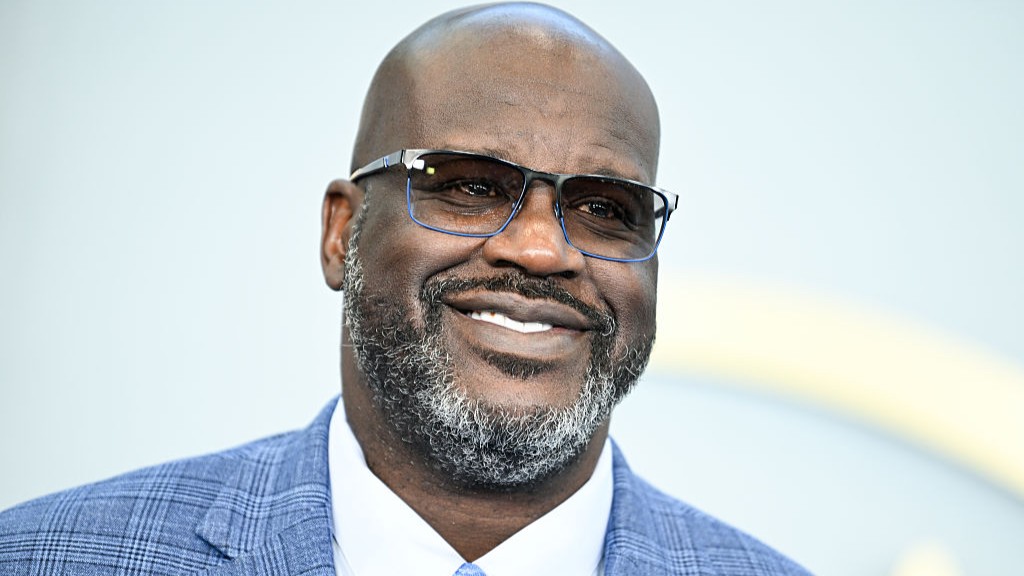
NBA legend Shaquille O’Neal offers a more tactical, incentive-based approach. Recognizing the danger of unearned wealth, O’Neal has famously stated that his children must meet specific academic milestones—including bachelor’s and master’s degrees—before accessing their inheritance. This "carrot-and-stick" method is designed to instill the discipline required to maintain and grow wealth, shifting the focus from consumption to contribution.
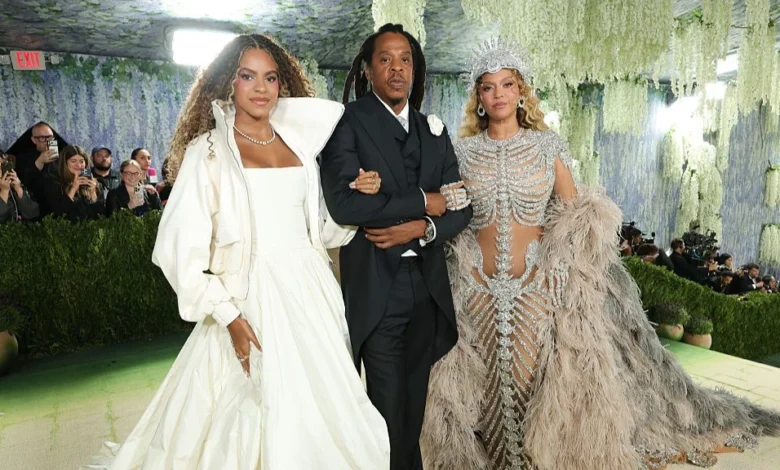
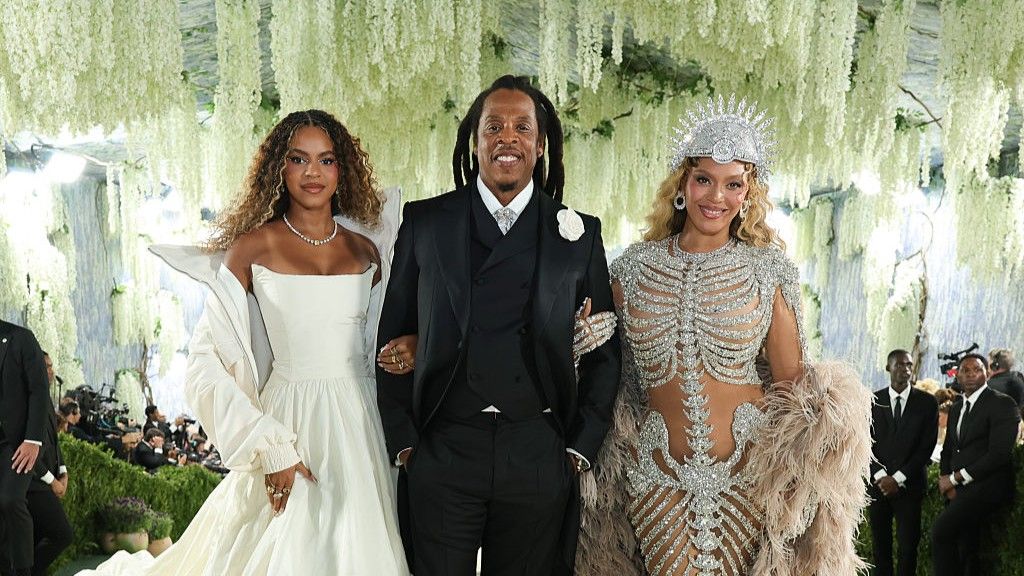
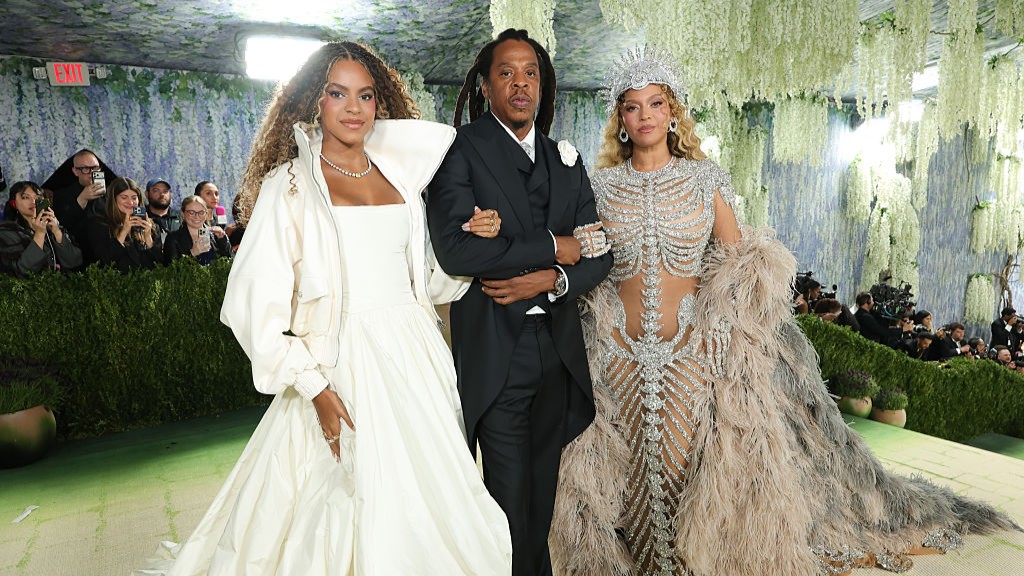
Similarly, the power couple Jay-Z and Beyoncé have used their platform to advocate for "generational wealth," emphasizing that true financial legacy involves not just the transfer of liquid assets, but the acquisition of intellectual and real estate assets that can sustain a family for generations. Their focus on the "why" of money, rather than just the "how much," aligns with modern financial advisory practices that prioritize financial education for the next generation.
The Role of Financial Discipline and Wisdom
Financial expert Dave Ramsey provides a sobering counterpoint to the expectation of inheritance. Ramsey maintains that parents are under no moral obligation to leave money to their children, yet he acknowledges that wealth, when handled correctly, acts as a magnifier of character. "Too many families pass down dollars without ever passing down discipline," Ramsey warns. He argues that without the wisdom to manage assets, the capital will likely vanish within one or two generations.
The implication is clear: the success of the Great Wealth Transfer depends less on the total dollar amount and more on the quality of financial mentorship provided by the donor. If the goal is to create a legacy, the transmission of financial literacy must be as prioritized as the transmission of the assets themselves.
Strategic Management of Inherited Assets
For the recipients of this wealth, the challenge lies in management. Suze Orman, a prominent financial advisor and author, warns heirs against the "sentimental trap." Often, beneficiaries cling to inherited stocks or businesses, associating them with the memory of their parents. This emotional attachment can be financially devastating if the underlying assets are underperforming or misaligned with the current economic climate.
"You cannot keep your family alive by keeping the investments they left you," Orman explains. She advocates for a pragmatic approach: honoring the deceased by treating the inheritance as a tool for growth. This means re-evaluating portfolios, liquidating underperforming assets, and reallocating capital into investments that reflect the current reality rather than the past.
Broader Economic Implications
The sheer volume of this transfer will inevitably ripple through the broader economy. Financial institutions are already bracing for a massive shift in client relationships. As assets move from the Silent Generation/Boomers to younger generations, the investment mandates are expected to change significantly. Millennials and Gen Z are statistically more likely to prioritize ESG (Environmental, Social, and Governance) factors and digital-first investment platforms.
Furthermore, the tax implications of such a transfer will be profound. The federal estate tax and state-level inheritance taxes will play a major role in determining the final distribution of this $124 trillion. Estate planning professionals are already reporting a surge in demand for trusts, life insurance policies, and tax-efficient gifting strategies as families scramble to preserve their wealth against potential legislative changes.
Conclusion: Moving Toward a "Trillion Dollar Talk"
The Great Wealth Transfer is not merely a transfer of dollars; it is a transition of power, values, and responsibilities. The evidence is clear: the families that thrive during this period are those that break the silence. Whether through formal family meetings, the establishment of educational trusts, or simple, candid conversations about legacy, the act of communicating is the best safeguard against the risks associated with sudden wealth.
As the nation moves deeper into this two-decade-long process, the "Trillion Dollar Talk" will become a hallmark of successful multi-generational families. The ability to articulate the purpose of one’s wealth, the conditions of its receipt, and the expectations for its future growth will ultimately determine whether this historic event results in the flourishing of future generations or the dissipation of a lifetime of hard work. The path forward requires a shift from viewing inheritance as a secret to viewing it as a shared project, rooted in transparency, discipline, and the strategic foresight to ensure that capital—and the values behind it—endures.
Related posts: