Western Union Navigates Post-Broadcom VMware Landscape Amidst Shifting IT Strategies

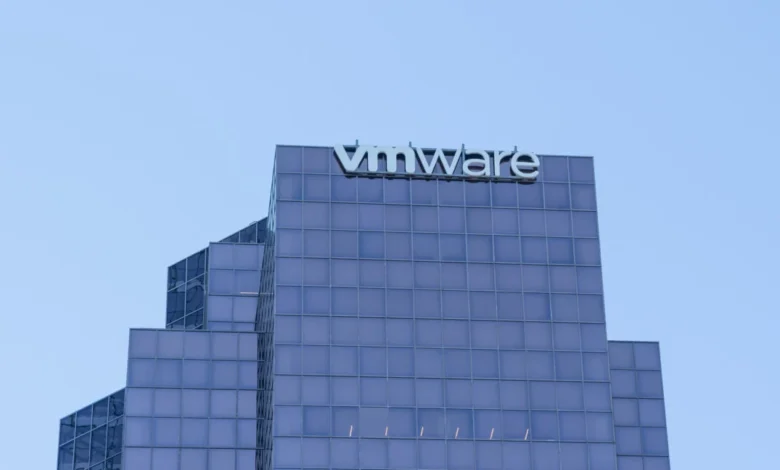
Western Union, a global leader in financial services, has embarked on a strategic review of its IT infrastructure, signaling a significant shift away from its long-standing relationship with VMware, now under Broadcom’s ownership. The company has revealed its exploration of new IT suppliers to foster a more customer-centric approach, a move that underscores broader industry trends of dissatisfaction and migration following Broadcom’s acquisition of VMware. While Western Union acknowledged a history of "decent lines of communication" with Broadcom, it cited "challenges partnering with them," suggesting a growing friction in their technological alignment.
The core of Western Union’s strategic pivot appears to stem from concerns over Broadcom’s aggressive push towards its VMware Cloud Foundation (VCF) offering. According to sources familiar with the matter, VCF is often perceived as an over-provisioned solution for many organizations, coming with a premium price tag that doesn’t always align with their immediate needs. This situation has prompted Western Union to seek alternatives that offer greater flexibility and cost-effectiveness. The financial firm’s subsequent move to Nutanix has already yielded tangible benefits, particularly in enhancing flexibility around workload locations. This is a critical advantage for Western Union, given its expansive global footprint, operating in over 200 countries, where dynamic and adaptable IT infrastructure is paramount for seamless service delivery.
The Broadcom-VMware Acquisition: A Catalyst for Change
Broadcom’s acquisition of VMware in November 2023 marked a pivotal moment in the enterprise software landscape. The $61 billion deal was one of the largest in the tech industry’s history, intended to consolidate Broadcom’s position in the software sector and leverage VMware’s dominant presence in cloud infrastructure and virtualization. However, the integration process has been fraught with challenges, characterized by significant product portfolio changes, licensing model overhauls, and what many customers perceive as an increased focus on revenue maximization over customer-centricity.
Almost immediately after the acquisition, Broadcom initiated a significant restructuring of VMware’s product offerings. This included transitioning from perpetual licenses to a subscription-based model and consolidating numerous products into broader, more comprehensive bundles. The VMware Cloud Foundation (VCF), a hybrid cloud platform, emerged as a central pillar of Broadcom’s strategy, often being bundled with other VMware virtualization technologies. While VCF offers a robust suite of capabilities for managing private and hybrid cloud environments, its complexity and associated costs have proven to be a barrier for some organizations.
Western Union’s Strategic Re-evaluation and the Nutanix Partnership
Western Union’s decision to re-evaluate its IT suppliers and explore alternatives to Broadcom’s VMware solutions is indicative of a wider trend among enterprise clients grappling with the post-acquisition landscape. The company’s focus on becoming more customer-centric highlights a desire for IT solutions that are not only technologically advanced but also agile, adaptable, and directly supportive of its business objectives.
The move to Nutanix, a prominent player in hybrid and multi-cloud computing, signals a strategic choice for enhanced flexibility. Nutanix’s platform is designed to provide a unified infrastructure for applications and data across private, public, and edge environments. For a global entity like Western Union, operating across diverse regulatory and geographical landscapes, the ability to flexibly deploy and manage workloads is not just a convenience but a strategic imperative. This flexibility allows Western Union to optimize performance, comply with local data residency requirements, and respond more effectively to evolving market demands in different regions.
A Wave of Migrations: Nutanix and Competitors Capitalize
Nutanix has been vocal about its success in attracting customers migrating away from VMware. During a recent investor call, Nutanix CEO Rajiv Ramaswami highlighted the company’s momentum, stating that Nutanix has facilitated the migration of "multiple 100,000-core workloads in less than a year to get customers completely off of Broadcom." This aggressive migration strategy underscores the significant churn occurring in the VMware customer base.
Beyond Western Union, Nutanix has reportedly secured new clients such as Everland, South Korea’s largest theme park, and another unnamed company managing a colossal 100,000 cores, both of which are said to have transitioned from VMware. Ramaswami also pointed to the successful migration of the Wynn Hotel in Boston from VMware as further evidence of this trend. These high-profile examples demonstrate that the dissatisfaction with Broadcom’s VMware strategy is not confined to a few isolated cases but represents a substantial market movement.
The competitive landscape is intensifying, with other technology providers actively courting disgruntled VMware customers. Microsoft, with its Hyper-V hypervisor and Azure cloud services, is a significant contender, offering integrated solutions that appeal to organizations already invested in the Microsoft ecosystem. Proxmox, an open-source virtualization platform, is also making inroads, particularly among organizations seeking cost-effective and flexible alternatives.
Quantifying the Migration Trend: Survey Data and Industry Predictions
The extent of customer migration away from VMware is increasingly being quantified by industry surveys and analyst reports. A survey conducted by CloudBolt Software in January 2026 of 302 IT decision-makers at North American firms with 1,000 or more employees revealed that a staggering 95 percent of respondents had migrated at least 1 percent of their workloads off of VMware. Among these, 72 percent moved to public cloud infrastructure as a service (IaaS), and 43 percent opted for Microsoft’s Hyper-V/Azure stack.
These figures align with earlier predictions from Gartner, a leading research and advisory firm. In September 2025, Gartner forecasted that approximately 35 percent of VMware workloads would migrate to alternative platforms by 2028. While the full impact is still unfolding, the consistent trend across multiple data points suggests a significant and ongoing exodus from the VMware ecosystem as it exists under Broadcom’s stewardship.
Broadcom’s Resilience and Continued Market Dominance
Despite the widespread customer churn, Broadcom’s acquisition of VMware is broadly considered a financial success for the acquiring company. Broadcom has managed to retain a strong hold on many of VMware’s largest enterprise clients. The company’s strategy of promoting its VMware Cloud Foundation (VCF) and vSphere virtualization bundles, often at higher price points, appears to be yielding significant revenue. In September 2025, Broadcom CEO Hock Tan indicated that over 90 percent of VMware’s largest vSphere customers had adopted VCF.
This suggests a bifurcated market response. While some customers are actively seeking alternatives, a significant portion of the enterprise base, particularly those with deep investments in VMware’s ecosystem and complex infrastructure requirements, are either adapting to the new licensing models or are still in the process of evaluating their options. Broadcom’s ability to secure such a high adoption rate for VCF among its top-tier clients highlights the platform’s perceived value for certain segments of the market, even as smaller and mid-sized organizations explore other avenues.
Broadcom’s Q1 2026 earnings report further underscored the financial success of the VMware acquisition. The company projected a 9 percent growth in software revenue, reaching $7.2 billion in Q2, largely attributed to the performance of VMware. At the time of the report, CEO Hock Tan attributed this growth not only to the strategic integration of VMware but also to broader market factors, including the burgeoning demand for AI and the ongoing RAM shortage, which he suggested were driving customers towards VMware products. This assertion, however, has been met with skepticism by some industry observers who see it as a way to frame the ongoing customer exodus in a more positive light.
The Broader Implications: A Shifting IT Landscape
The ongoing migration away from VMware under Broadcom’s ownership has far-reaching implications for the IT industry. It signals a period of significant disruption and innovation in the cloud infrastructure and virtualization markets. For companies like Western Union, the imperative to adapt and optimize their IT strategies is clear. Their proactive exploration of new IT suppliers and their embrace of platforms like Nutanix demonstrate a commitment to leveraging technology that best serves their global operations and customer needs.
The situation also presents an opportunity for competitors to gain market share and for new solutions to emerge. The increased demand for flexible, cost-effective, and customer-centric IT infrastructure is likely to drive further innovation in areas such as hybrid cloud management, multi-cloud orchestration, and edge computing. As organizations continue to reassess their technology dependencies, the IT landscape is poised for continued evolution, with a greater emphasis on agility, adaptability, and strategic alignment with core business objectives. The choices made by major players like Western Union will undoubtedly influence the direction of these trends in the coming years.
Broadcom, for its part, has not responded to requests for comment from Ars Technica regarding the ongoing discussions and customer migrations. This silence, coupled with the company’s aggressive monetization strategy, leaves many customers in a state of uncertainty as they navigate their future IT infrastructure decisions. The long-term impact of these strategic shifts will likely be a more diversified and competitive market, with customers benefiting from a wider array of choices and potentially more tailored solutions to meet their evolving technological demands.
An earlier version of this article stated that Nutanix had acquired 30,000 customers from VMware. A representative from Nutanix clarified that Nutanix has approximately 30,000 customers in total, not specifically from VMware.