The Transformation of Modern Sales: Why Data-Driven Intelligence and Automation Are Replacing Traditional Guesswork

The global sales landscape is undergoing a fundamental shift, driven by the increasing digitization of the B2B purchasing process and a radical change in buyer behavior. For decades, the sales profession relied on manual effort, high-volume activity, and intuition to hit quotas. However, as B2B buyers have become more autonomous—conducting independent research, consulting peer networks, and delaying vendor engagement until the final stages of the buying cycle—traditional "spray and pray" sales tactics have become increasingly obsolete. This transformation has necessitated a move away from human-intensive, reactive selling toward a model defined by intelligent automation and buyer-centric guidance.
The Evolution of the Digital Buyer
The transition began in earnest with the widespread adoption of smartphones, which empowered consumers to access information instantly. This shift eventually permeated the B2B sector. Today, digital natives occupy the majority of procurement and decision-making roles within organizations. According to recent research, these buyers now create their own criteria and form buying committees long before a sales representative is ever introduced.
This creates a "blind spot" for organizations that rely on legacy engagement models. When sales representatives lack visibility into the buyer’s digital journey, they resort to guesswork. Management often attempts to compensate for these missed targets by increasing activity requirements—a practice often mislabeled as "productivity." In reality, this approach is simply scaling inefficiency. Industry analysis suggests that when sales teams do not align their efforts with the buyer’s actual digital behavior, the result is a massive waste of resources and a significant decline in conversion rates.
The Role of Integrated Sales Technology
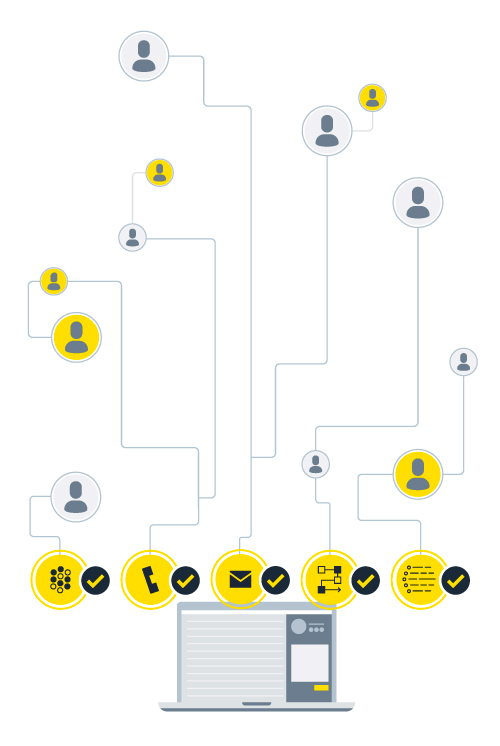
The modern sales stack is currently defined by the integration of intelligence and automation. Unlike legacy tools, which often function as "shadow CRMs" by duplicating data and creating silos, next-generation platforms like Playbooks focus on enhancing the existing customer relationship management (CRM) infrastructure.
The primary challenge in current sales technology is the "integration tax"—the time and money spent on maintaining manual mapping between sales tools and CRM databases. When these connections are brittle, data quality degrades. Marketing teams may feed leads into a system that Sales cannot effectively track, leading to a breakdown in communication and a "revenue tug-of-war."
Advanced systems now prioritize a "native" approach. By plugging directly into a customized CRM instance, these tools eliminate the need for constant mapping updates. When a CRM field is updated or a new process is implemented, the integration remains seamless. This level of reliability is critical, as the quality of automation is directly tethered to the quality of the underlying data integration.
The Power of Automation and Speed-to-Lead
Statistical evidence underscores the necessity of rapid engagement. Research analyzing millions of marketing leads across various industries indicates that conversion rates are eight times higher when a lead is addressed within five minutes. Furthermore, contact rates are 2.5 times higher when engagement occurs within the first two hours.
Despite these metrics, many organizations fail to meet this standard. It is estimated that 79% of inbound leads never receive a timely touch, often because manual lead assignment processes create bottlenecks. When managers or administrators are required to assign leads manually, the "window of opportunity" closes rapidly.
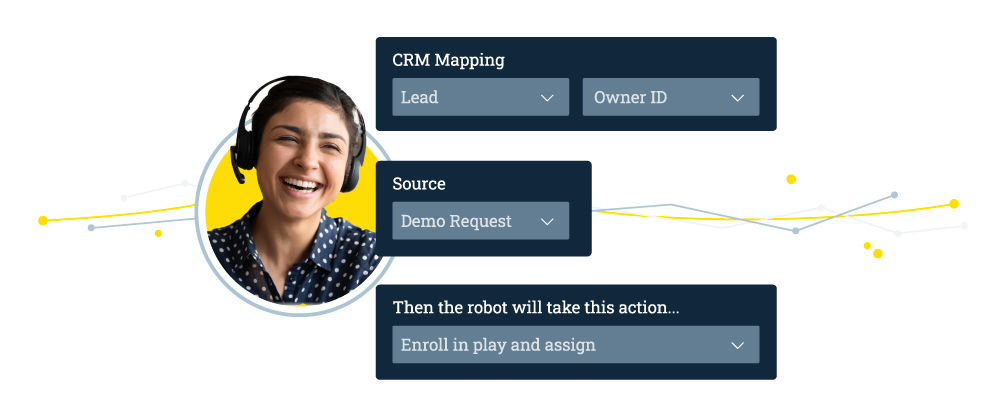
To combat this, leading firms are implementing "Automation Robots"—programmed workflows that operate 24/7. These robots can automatically perform the following:

- Real-time Lead Routing: Using round-robin logic to distribute leads instantly.
- Dynamic Reassignment: Automatically pulling records back into a shared pool if a primary representative fails to act within a set timeframe, ensuring no lead remains trapped in an inactive account.
- Lifecycle Management: Enrolling existing customers in specific "plays" based on contract renewal dates or usage milestones, allowing for proactive, rather than reactive, account management.
Telephony and the Persistence of Voice
While digital channels have expanded, voice remains a cornerstone of successful sales strategies. The industry has seen a move away from generic, low-quality internet calling toward robust, enterprise-grade telephony. The challenge for modern vendors is providing a system that is both flexible and high-fidelity.
Historically, tech vendors relied on third-party telephony services, which often resulted in "finger-pointing" when connection issues occurred—the vendor would blame the provider, and the provider would blame the internet service. Modern solutions are now integrating directly with global carriers and PBX networks. This allows for three distinct modes of operation: direct carrier connections for maximum quality, SIP integration for cost-efficient local network usage, and browser-based dialing for remote-first work environments.
Compliance as a Competitive Advantage
As sales engagement becomes more sophisticated, the legal and regulatory framework governing how companies contact prospects has become increasingly complex. Compliance is no longer just a legal necessity; it is a brand-protection requirement.
Regional regulations, such as specific state holidays or "do-not-call" mandates, are impossible for individual sales representatives to track manually. Furthermore, organizations must ensure their representatives are adhering to internal processes and strategic messaging. Failure to manage these factors can lead to legal penalties, fines, and reputational damage.
Architectures that build compliance directly into the workflow—automatically blocking engagement when specific criteria are met—provide a safeguard that human intuition cannot match. By automating these constraints, organizations ensure that their sales teams remain compliant across all jurisdictions without adding friction to the selling process.
The Rise of Buyer Intelligence
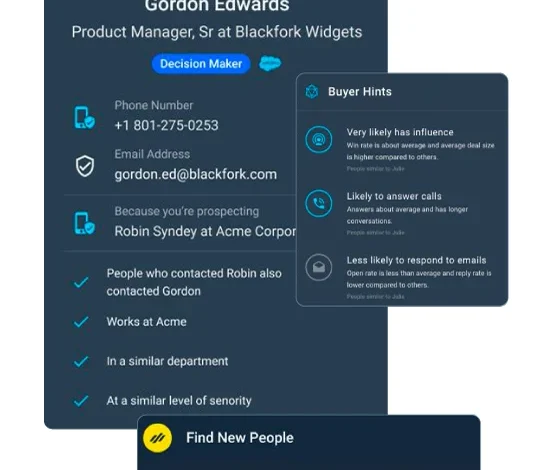
Perhaps the most significant development in the field is the emergence of "Buyer Intelligence." If the sales process is akin to navigating a ship through fog, data represents the lighthouse. By aggregating data from millions of interactions—including successful and unsuccessful outcomes—AI-driven platforms can now predict buyer behavior with high accuracy.
These systems identify:
- Buying Influence: Determining which stakeholders hold the most power within an account.
- Channel Preference: Understanding whether a buyer is more likely to respond to email, phone, or social outreach.
- Optimal Timing: Predicting the exact window when a prospect is most likely to engage.
For example, "SmartSend" features analyze email open rates to recommend the best time to contact a prospect, leading to documented conversion lifts of over 20%. This data is then surfaced directly in the representative’s workflow, allowing them to make evidence-based decisions rather than relying on gut feelings.
Reporting and the Quest for Transparency
The final piece of the modern sales infrastructure is the ability to measure performance accurately. Many sales managers report that they spend more time building reports than coaching their teams. When data is siloed in a "shadow CRM," reporting is inherently inaccurate.
The solution is native reporting—where data captured in the engagement tool flows seamlessly back into the CRM, updating all relevant fields. This provides a single source of truth. With pre-loaded dashboards that track everything from "speed-to-lead" to "account penetration," managers can shift their focus from administrative data entry to strategic development.

Implications and Future Outlook
The broader implication of this shift is the professionalization of the sales role. By automating repetitive administrative tasks—such as data entry, lead assignment, and compliance checking—organizations allow their sales talent to focus on high-value human interaction.
The evidence is clear: organizations that resist this shift and continue to rely on manual, high-volume, and unguided processes are finding it increasingly difficult to compete. As the digital divide between companies that use data-driven guidance and those that do not continues to widen, the market is likely to see a consolidation toward platforms that prioritize deep CRM integration, robust compliance, and intelligent, automated engagement.
In conclusion, the transformation of sales is not merely about using "more" technology, but about using the "right" technology. By moving from a culture of guesswork to one of provable, data-backed recommendations, companies can achieve a level of predictability and scale that was previously unattainable in the digital age.
Related posts: