The Ultimate Guide to Referral Marketing in 2026: Strategies Economics and Compliance for Sustainable Growth


Referral marketing has solidified its position as a primary driver of sustainable customer acquisition in the mid-2020s, formalizing the age-old concept of word-of-mouth into a trackable, scalable, and highly measurable business channel. By leveraging unique links, defined rewards, and sophisticated attribution software, businesses are now able to convert organic customer enthusiasm into a predictable engine for growth. As digital advertising costs continue to fluctuate across major social and search platforms, referral programs offer a stabilizing force, often yielding customers with significantly higher lifetime value and lower acquisition costs than traditional paid media.
The Economic Foundations of Referral Marketing
The efficacy of referral marketing is rooted in three distinct economic advantages: increased lifetime value (LTV), lower customer acquisition costs (CAC), and a self-perpetuating cycle of recruitment. Research from the University of Pennsylvania’s Wharton School indicates that referred customers are approximately 16% more valuable over their lifetime than those acquired through other channels. This value is not merely a result of initial spending but stems from higher retention rates and a lower propensity to churn.

Furthermore, a 2024 study published in the Journal of Marketing Research revealed a "downstream" effect that many firms previously overlooked. Referred customers are between 31% and 57% more likely to refer others compared to customers who found the brand through cold channels. When these secondary and tertiary referrals are excluded from valuation models, firms typically undervalue a single referral by 20% to 36%.
From a cost perspective, vendor benchmarks suggest that referral programs can reduce CAC by 25% to 50% compared to paid search or social media. While these figures vary by industry, the structural advantage remains consistent: the "trust transfer" that occurs when a friend recommends a product acts as a powerful conversion catalyst that no amount of optimized ad creative can replicate. According to Nielsen’s 2021 Trust in Advertising Study, 88% of global consumers trust recommendations from people they know above all other forms of marketing.
Distinguishing Referral from Related Marketing Channels
A common point of confusion for many organizations is the distinction between referral marketing and its neighboring disciplines: word-of-mouth, affiliate marketing, and influencer marketing. Each operates under different incentive structures and regulatory requirements.
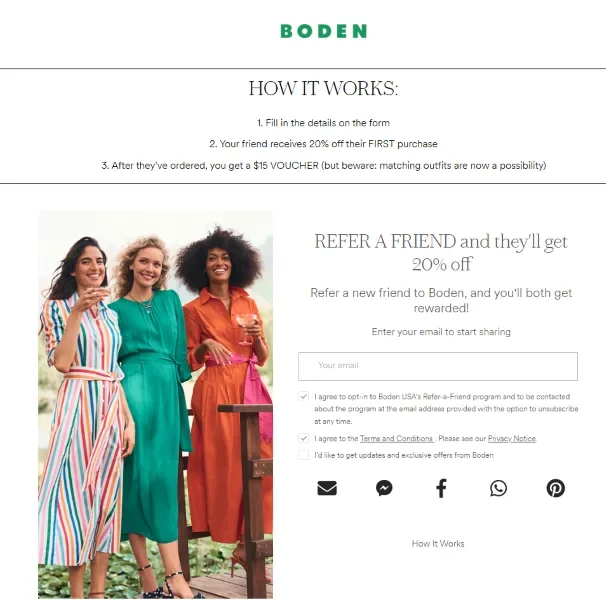
Word-of-mouth marketing is entirely organic and untracked. It is the baseline of brand reputation but remains impossible to engineer directly. Referral marketing, by contrast, is a managed, customer-led channel where existing users are incentivized to share with their personal network on a one-to-one basis.
Affiliate marketing is publisher-led, involving third-party bloggers or deal sites that send public traffic in exchange for a commission—typically 5% to 30% of the order value. Influencer marketing is creator-led, where individuals with large audiences are paid a flat fee or commission to provide reach and brand lift. For most small to medium-sized businesses (SMBs), the highest direct return on investment (ROI) is found in a well-executed referral program, which capitalizes on existing brand advocates rather than external third parties.
The Eight Primary Structures of Referral Programs
The architecture of a referral program is often dictated by the specific business constraints or growth goals of the organization. While the double-sided reward—where both the referrer and the referee receive a benefit—is the industry standard due to the psychological principle of reciprocity, seven other structures are frequently employed:
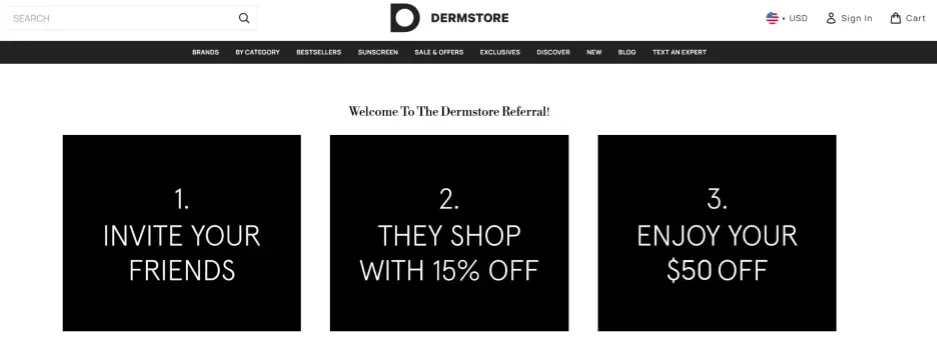
- Single-Sided: Only the referrer receives a reward. This is often used when the product itself is the primary draw for the new user.
- Double-Sided: Both parties are rewarded, creating a "mutual win" that reduces the social friction of the recommendation.
- Tiered or Milestone: Rewards increase in value as the referrer reaches certain benchmarks (e.g., five, ten, or twenty-five referrals).
- Mystery Rewards: The incentive is randomized, utilizing gamification to drive higher engagement.
- Gamified: Includes leaderboards and badges to appeal to the competitive nature of the customer base.
- Advocacy or VIP: Offers non-monetary rewards such as early access to products or exclusive status.
- Charitable: The business makes a donation to a non-profit in the name of the referrer.
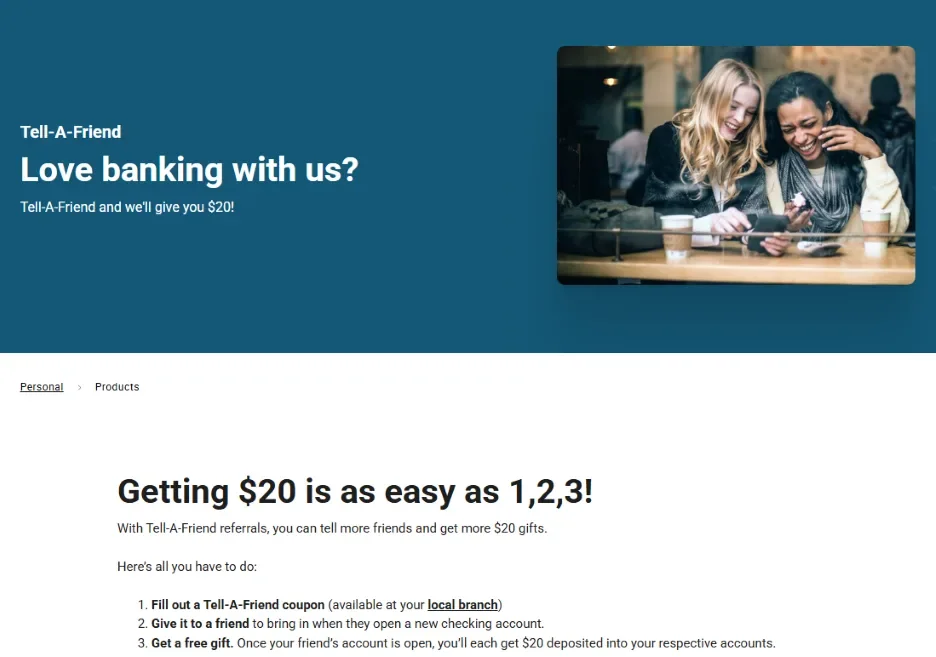
- Cash: Direct monetary payouts, most common in high-LTV sectors like fintech and insurance.
A Strategic Timeline: The Eight Steps to Launch
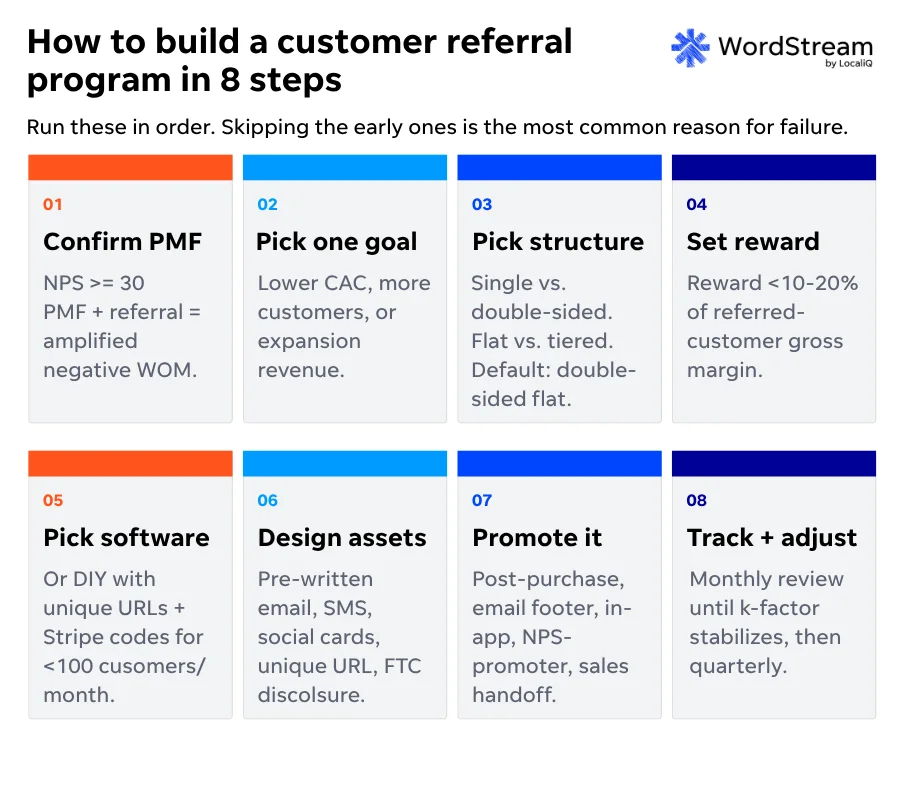
Building a successful referral program requires a methodical approach that prioritizes customer satisfaction before incentive structures. Industry experts suggest the following chronology for implementation:
Phase 1: Validation and Goal Setting
The first step is confirming product-market fit. Launching a referral program for a subpar product will only accelerate negative word-of-mouth. Organizations should ideally have a positive Net Promoter Score (NPS) signal before proceeding. Once validated, a single primary goal must be established—whether that is lowering blended CAC, increasing the total customer count, or driving expansion revenue.
Phase 2: Design and Math
The reward structure must be calibrated against the customer’s lifetime value. A general rule of thumb is that the total reward (both sides combined) should not exceed 10% to 20% of the referred customer’s gross margin. In this phase, the company also decides between a do-it-yourself setup using unique URL parameters or a dedicated software solution.
Phase 3: Asset Creation and Compliance
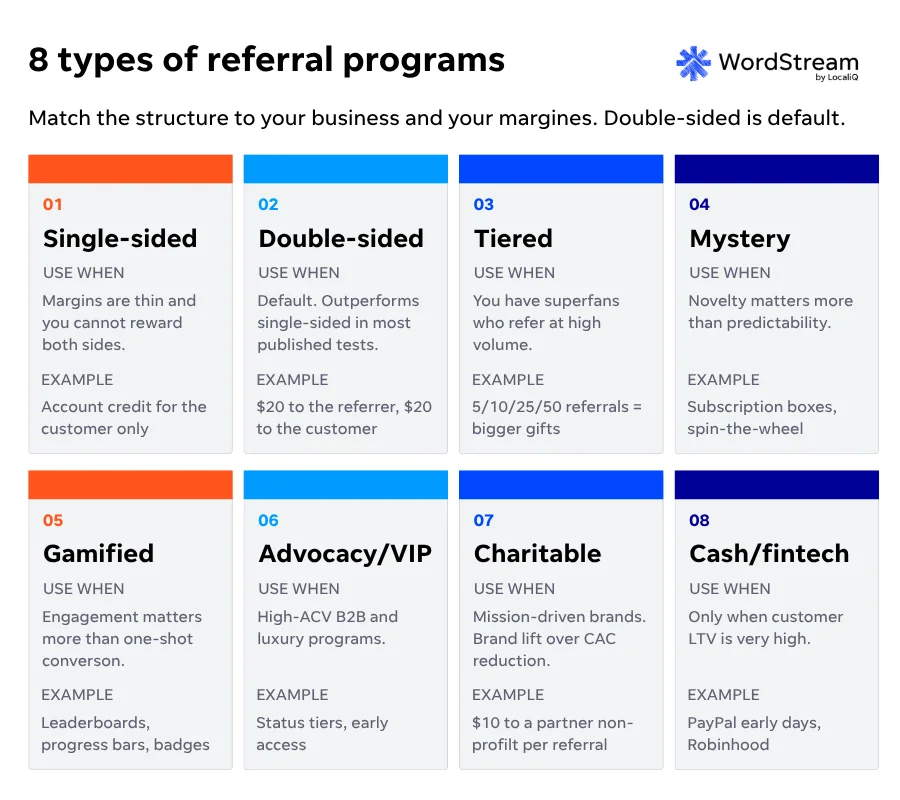
Designing shared assets is a critical technical step. This includes the referral landing page, social sharing cards, and email templates. Crucially, these assets must include legally compliant disclosures as mandated by the Federal Trade Commission (FTC).
Phase 4: Promotion and Optimization
A program is only as effective as its visibility. Promotion should be integrated into high-trust moments in the customer journey, such as the post-purchase confirmation page, shipping notifications, and customer support resolutions. Finally, the program requires monthly reviews to analyze conversion rates and participation metrics.
Case Studies: Lessons from Industry Leaders
Examining successful programs reveals that the most effective mechanics are those tied closely to the product’s core value.
- Dropbox: Utilized a two-sided in-product reward (extra storage). By tying the reward to the product’s primary utility rather than cash, they created a compounding growth loop that significantly lowered their acquisition costs.
- Tesla: Employed milestone rewards with status as the prize, such as the opportunity to win a Model X. This demonstrated that for high-affinity brands, status is often more motivating than a simple discount.
- Robinhood: Used a pre-launch waitlist that allowed users to "jump the line" by referring friends, proving that referral marketing can be a powerful engine for growth even before a product is publicly available.
- Airbnb: Mastered the "email loop," using aggressive re-engagement of dormant referrers to keep the program top-of-mind.
- Casper: Targeted the "post-purchase peak," surfacing a $75/$75 offer at the exact moment the customer felt best about their purchase.
Regulatory Landscape: FTC Disclosure and Legal Risks
In 2026, the regulatory environment for referral marketing is more stringent than ever. The FTC’s Endorsement Guides require "clear and conspicuous" disclosure of any material connection between a brand and an endorser. This includes referral rewards such as cash, store credit, or even entry into a sweepstakes.
The 2023 and 2024 updates to these guides explicitly extended these rules to the share copy provided by brands to their customers. If a customer sends a pre-written message that appears to be an organic recommendation but is actually incentivized, the brand is liable. Civil penalties for violations have been raised into the five-figure range per occurrence. To remain compliant, all referral messages must state, in plain language, that the sender will receive a reward if the recipient makes a purchase.
Technical Infrastructure and Key Metrics
For small to medium businesses, the choice of software is often dictated by their existing tech stack. Shopify users frequently gravitate toward ReferralCandy or Yotpo, while B2B SaaS companies may opt for Cello or GrowSurf. Enterprise-level organizations typically require more robust platforms like Extole or Mention Me, which offer advanced fraud detection and multi-currency support.
To measure success, operators must track five key metrics:
- Participation Rate: The percentage of eligible customers who share at least once.
- Share-to-Conversion Rate: The percentage of shared links that result in a new customer.
- Referral CAC: The total cost of the program (incentives + software) divided by new customers.
- Referred-Customer LTV: How much the referred cohort spends compared to other cohorts.
- K-Factor: The viral coefficient. If K is greater than 1, the program is compounding (viral); if K is less than 1, the program is additive.
Implications for B2B and Regulated Industries
While referral marketing is often associated with B2C e-commerce, its application in B2B is growing. However, B2B programs require different mechanics, such as longer cycles, multi-step rewards tied to pipeline stages, and deep CRM integration. In B2B, a referral is often closer to a partner program than a "refer-a-friend" widget.
Furthermore, certain industries face unique hurdles. In healthcare and financial services, state and federal rules (such as HIPAA or anti-kickback statutes) may strictly limit or prohibit pay-for-referral schemes. Organizations in these sectors must conduct a thorough legal review before launching any incentivized program, as the cost of non-compliance can far outweigh the potential revenue gains.

In conclusion, referral marketing in 2026 is a data-driven discipline that requires a balance of psychological insight, mathematical rigor, and legal vigilance. When executed correctly, it transforms satisfied customers into a high-trust sales force, providing a scalable alternative to the increasingly expensive landscape of traditional digital advertising.