HRDA Frankly Speaking, Learning & Development Unlocks the Future of Workplace Growth

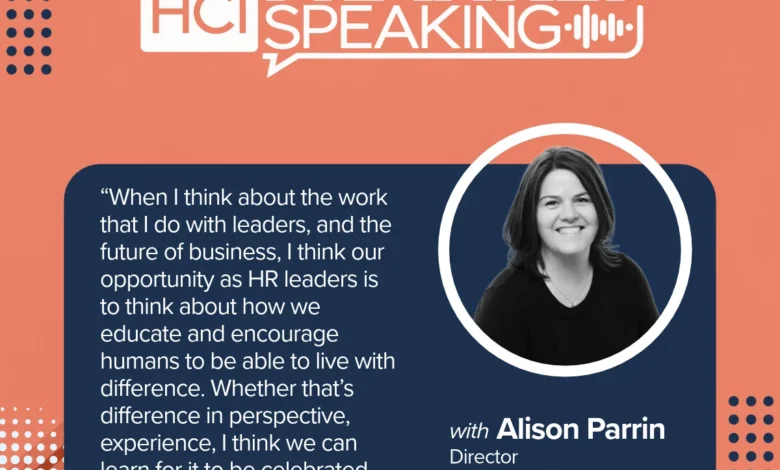
The modern corporate landscape is undergoing an unprecedented transformation, driven by rapid technological advancements, shifting economic paradigms, and evolving employee expectations. In this dynamic environment, human resources (HR) professionals are no longer viewed merely as administrative custodians of personnel. Instead, they are increasingly recognized as strategic architects of organizational adaptability and continuous learning. As industries worldwide grapple with the integration of artificial intelligence, automation, and distributed work models, the imperative for lifelong learning has transitioned from an advantageous professional development perk to an absolute business necessity. This paradigm shift was a central theme at the recent SPARK Talent conference, where industry leaders and academic researchers converged to discuss the future of work. Among the keynote contributors was Alison Parrin, Head of Google’s School for Learners, who shared insights into how the world’s leading technology institute approaches human capability, cognitive flexibility, and the integration of new information systems in the workplace.
The Evolution of Human Capital and Continuous Learning
From the earliest days of formal classroom education to the advanced professional development programs of multinational corporations, the human capacity for learning remains a constant thread throughout life. However, the nature of the information being processed and the velocity at which it changes have shifted dramatically over the past two decades. Contemporary workers are bombarded with novel tools, evolving compliance frameworks, and shifting market demands on a daily basis.
Historically, corporate training was treated as a periodic event—an onboarding seminar, an annual compliance refresher, or a specialized workshop. Today, organizational psychologists and human resources experts argue that learning must be woven into the fabric of daily operations. According to recent workforce studies, over 74 percent of global employees feel a growing sense of skills obsolescence, driven largely by the rapid integration of artificial intelligence and digital transformation initiatives. This widespread apprehension highlights a critical gap between traditional corporate training models and the real-time cognitive needs of modern professionals.
When individuals encounter unfamiliar workflows, software updates, or structural reorganizations, their initial psychological reaction is frequently resistance or fatigue. Human beings are biologically wired to seek cognitive stability and predictability. Consequently, adapting to change requires deliberate effort and structured support systems. At the SPARK Talent conference, HR experts emphasized that mitigating this resistance is one of the most pressing mandates facing modern leadership teams. Rather than penalizing friction or assuming that employees will organically adapt to new systems, progressive organizations are investing heavily in learning architectures that support psychological safety, continuous curiosity, and structured capability-building.
Insights from Google’s School for Learners
To understand how high-performing institutions navigate these complexities, industry professionals frequently look to organizations that operate at the cutting edge of technological and operational scaling. Google’s School for Learners serves as an internal incubator for cognitive strategy, pedagogical design, and employee education. During her featured address at SPARK Talent, Alison Parrin unpacked the intersection of academic research and corporate human resources strategy, shedding light on what scholarly studies reveal about the shifting landscape of human capability.
Parrin noted that modern HR leaders must fundamentally rethink their approach to employee education. Rather than viewing learning as a top-down mandate where executives dictate required skills, organizations must foster a culture of intrinsic motivation and active engagement with diverse perspectives. In a conversation that was further explored on the HR Works podcast, Parrin detailed how Google structures its internal learning pathways to accommodate diverse cognitive styles and varying levels of technological literacy.
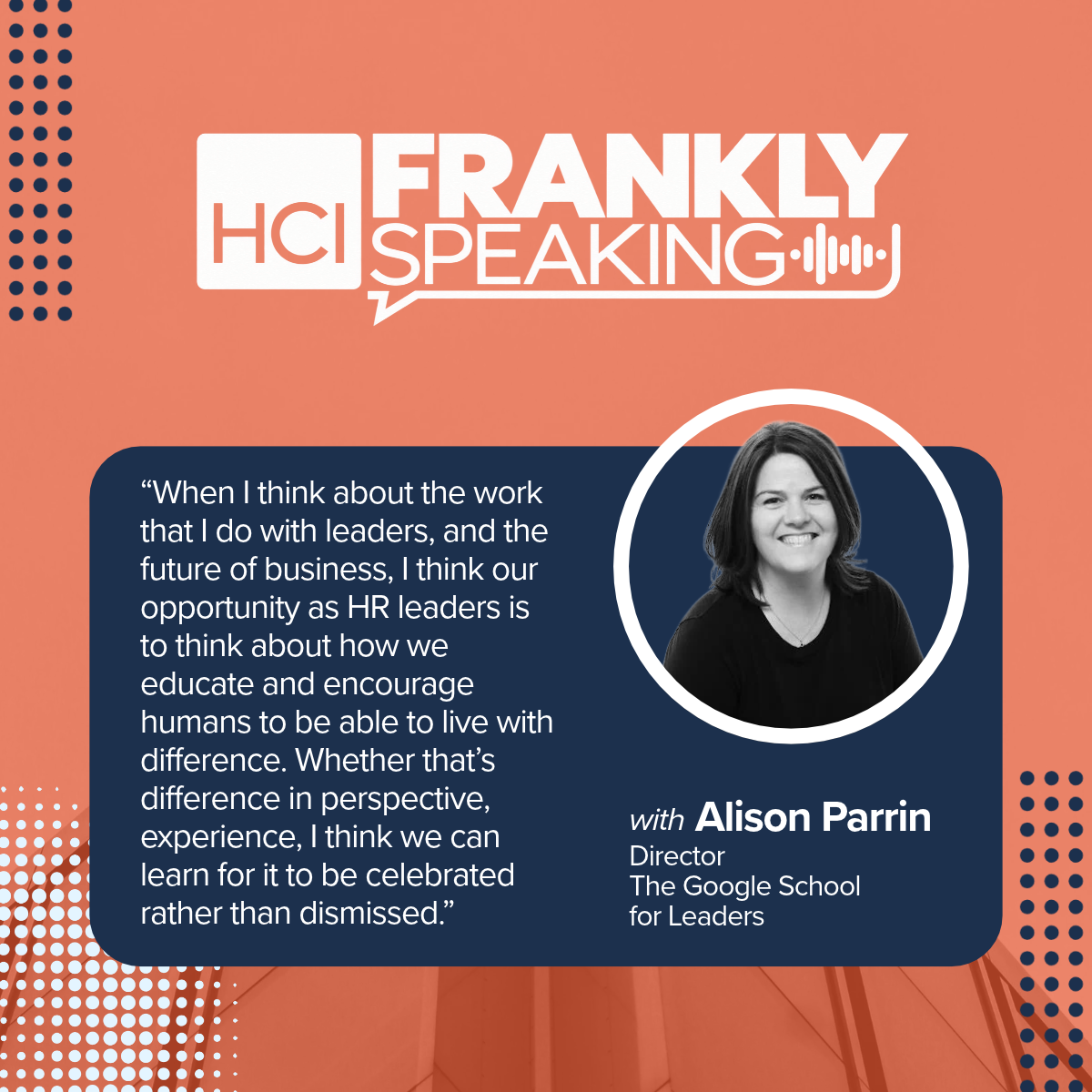
One of the primary takeaways from Parrin’s presentation was the necessity of teaching employees how to effectively engage with differences—whether those differences manifest as new operational tools, contrasting departmental viewpoints, or unfamiliar problem-solving frameworks. As workplaces become increasingly globalized and cross-functional, the ability to synthesize disparate pieces of information and collaborate across cognitive divides has become a top-tier competency. Parrin stressed that HR’s responsibility extends beyond administrative oversight; human resources departments must actively cultivate environments where curiosity is rewarded and where continuous learning is treated as a core operational metric rather than an afterthought.
The Chronology and Context of Modern HR Transformations
To fully appreciate the gravity of the discussions at SPARK Talent, it is necessary to examine the historical trajectory of learning and development (L&D) within the corporate sector over the past fifteen years.
During the post-financial crisis era of the early 2010s, corporate L&D budgets were frequently viewed as discretionary expenses vulnerable to immediate cuts during economic downturns. Training programs were predominantly compliance-driven, focusing on legal requirements, basic software proficiency, and standardized management practices.
By the mid-2010s, the widespread adoption of cloud computing and mobile technology catalyzed the first major wave of digital disruption. Organizations recognized that traditional instructor-led training could not keep pace with the speed of software updates. This realization sparked the rise of microlearning and enterprise-wide access to digital learning platforms such as LinkedIn Learning, Coursera, and internal wiki systems. L&D departments began shifting toward self-directed models, empowering employees to curate their own learning journeys.
Between 2020 and 2022, the COVID-19 pandemic served as an unprecedented catalyst for workplace evolution. The sudden shift to remote and hybrid work models forced organizations to rapidly digitize operations and rethink collaboration. L&D teams were thrust into the spotlight, tasked with upskilling entire workforces on virtual communication tools, digital security protocols, and remote management strategies almost overnight. This period proved that organizations with robust, adaptable learning cultures weathered the operational shock significantly better than those reliant on rigid, legacy training structures.
From 2023 to the present, the emergence of generative artificial intelligence and advanced automation has introduced a new layer of complexity. The current epoch is defined by the need for continuous, rapid reskilling. According to recent data from the World Economic Forum, nearly 44 percent of core worker skills are projected to be disrupted or change over a five-year period. This staggering statistic underscores why conferences like SPARK Talent and discussions with leaders like Alison Parrin are vital for charting the future course of human resources management.
Supporting Data and Industry Metrics
Quantitative metrics from recent global workplace studies reinforce the urgency surrounding continuous learning and development initiatives.
- Skills Half-Life Reduction: Industry research indicates that the half-life of a learned professional skill has dropped from approximately 30 years in the mid-20th century to less than five years today. In highly technical fields such as software engineering and data analytics, certain specialized skills experience a half-life of under 18 months.
- Employee Retention and Engagement: Data compiled by LinkedIn Learning demonstrates that 94 percent of employees would stay longer at a company that invests in their career development and continuous learning. Furthermore, companies with strong learning cultures boast retention rates that are, on average, 30 to 50 percent higher than those without formal L&D programs.
- Financial Impact: A comprehensive study by the Association for Talent Development (ATD) revealed that companies offering comprehensive training programs enjoy a 218 percent higher income per employee than organizations lacking formalized training infrastructure. Additionally, these firms exhibit a 24 percent higher profit margin.
- The AI Skill Gap: A recent survey conducted by enterprise software providers found that while 82 percent of business leaders believe their employees will need new skills to work alongside artificial intelligence, fewer than 40 percent of organizations have implemented comprehensive training programs to address this specific deficit.
Official Responses and Industry Perspectives
The insights shared by Google’s School for Learners have resonated deeply across the broader human resources community. Industry analysts and HR executives have widely praised the emphasis on cognitive adaptability and structural support systems, noting that traditional training paradigms are fundamentally misaligned with the realities of the modern knowledge economy.
Dr. Elena Vance, a senior organizational psychologist specializing in workforce transformation, noted that Parrin’s insights highlight a crucial psychological principle: safety precedes growth. "When employees are faced with rapid technological change without adequate psychological safety, their brains enter a state of defensive threat response," Vance explained. "This suppresses creative problem-solving and deep learning. By treating learning as a continuous, supported cultural norm rather than a high-stakes performance test, forward-thinking organizations like Google are dismantling the barriers that impede human adaptability."
Similarly, corporate leadership consultants have pointed out that the responsibility for continuous learning cannot rest solely on the shoulders of the L&D department. Line managers and executive leadership must model intellectual curiosity and openness to change. When executives visibly engage in upskilling initiatives and openly acknowledge their own learning curves, it sends a powerful signal throughout the organizational hierarchy that professional evolution is valued at every level.
Broader Impact and Implications for the Future of Work
The implications of prioritizing learning and development extend far beyond internal human resources metrics. As organizations navigate an increasingly competitive global marketplace, their long-term viability is intrinsically linked to the collective cognitive agility of their workforce.
First, the integration of structured learning frameworks acts as a powerful magnet for top-tier talent. Today’s job seekers—particularly among the millennial and Generation Z cohorts—prioritize professional growth and mentorship opportunities alongside traditional compensation packages. Organizations that fail to offer robust, continuous learning pathways will find themselves at a distinct disadvantage in recruitment and talent acquisition.
Second, fostering an environment that encourages engagement with diverse perspectives and unfamiliar tools directly enhances innovation. When employees are comfortable interacting with differences—whether technological, cultural, or methodological—they are significantly more likely to generate novel solutions to complex business challenges. Cross-functional collaboration thrives in environments where curiosity supersedes rigidity.
Finally, proactive investment in learning mitigates the societal and economic anxieties associated with technological displacement. By equipping workers with the cognitive tools and psychological resilience needed to adapt to changing job requirements, HR leaders play a vital role in ensuring that the future of work is both productive and inclusive.
As the corporate world continues to navigate uncharted territory, the principles articulated by Alison Parrin and explored during events like SPARK Talent provide a clear roadmap for the future. By recognizing learning as a fundamental human capability that requires nurturing, structural support, and cultural encouragement, human resources professionals can transform potential workforce vulnerabilities into enduring organizational strengths.