Federal Judge Denies SHRM Motion for Summary Judgment in High-Stakes Disability Discrimination Lawsuit Over Service Dog Accommodations

A federal judge has officially cleared the path for a jury trial in a closely watched employment discrimination lawsuit against the Society for Human Resource Management (SHRM). U.S. District Judge Patricia Tolliver Giles denied SHRM’s motion for summary judgment, ruling that a genuine dispute of material facts exists regarding the organization’s handling of disability accommodations and the abrupt rescission of a job offer.
The litigation, formally docketed as Torres v. SHRM in the U.S. District Court for the Eastern District of Virginia, centers on serious allegations that the premier professional association for human resources management violated both the Americans with Disabilities Act (ADA) and the Virginia Human Rights Act. As the case moves toward an October hearing and potential trial, workplace legal experts are closely monitoring the proceedings for their broader implications on corporate recruitment, medical accommodations, and employer obligations under federal and state employment law.
Chronology of the Dispute: From Offer to Litigation
The legal battle stems from a recruitment process that began in late 2025. According to court filings, the plaintiff applied for a position with SHRM, successfully navigated the initial screening and interview stages, and received a formal offer of employment.
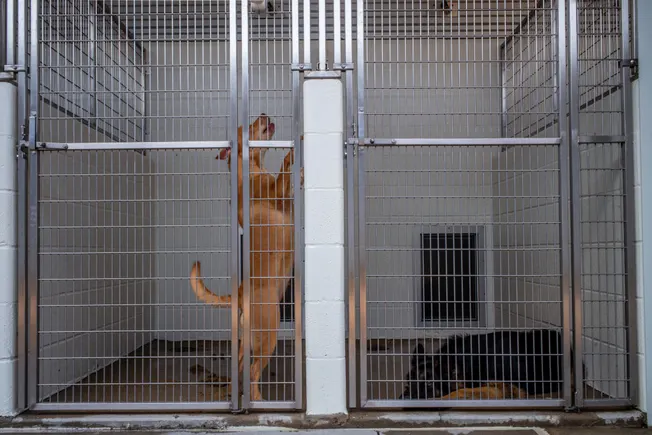
Following the receipt of the offer, the candidate made a routine workplace request: she asked that her professionally trained service dog be permitted to accompany her into the office as a reasonable accommodation for her medical condition. The plaintiff suffers from Type 1 diabetes, a chronic condition that requires constant management to prevent severe health emergencies. Specifically, her service dog was uniquely trained to alert her before her blood glucose levels rose or fell to a dangerous, life-threatening degree.
Rather than engaging in the interactive process mandated by the ADA to determine whether the accommodation would impose an undue hardship, the plaintiff alleged that SHRM abruptly rescinded the job offer. Disappointed and believing her civil rights had been violated, the candidate pursued legal counsel. She filed a formal federal lawsuit in December 2025, accusing the HR organization of unlawful discrimination, failure to accommodate, and wrongful withdrawal of employment based on a protected disability.
Legal Arguments and the Court’s Summary Judgment Ruling
In its defense, SHRM sought an early exit from the litigation by filing a motion for summary judgment. Attorneys for the organization argued that the evidence did not support a finding of willful discrimination or statutory violation, hoping to convince the court to dismiss the case before it could reach a jury.
However, Judge Giles firmly rejected that motion. In her ruling, the judge emphasized that material facts remain heavily contested between the two parties. A summary judgment is only appropriate when there is no genuine dispute over the material facts of a case, allowing a judge to decide the outcome as a matter of law. By denying the motion, the court determined that conflicting evidence exists regarding SHRM’s communication, its evaluation of the accommodation request, and its ultimate decision to revoke the employment offer.
Consequently, the case must be decided by a jury of the plaintiff’s peers. Following the ruling, Judge Giles strongly encouraged both parties to explore a settlement, advising them to contact a magistrate judge’s chambers to schedule a formal settlement conference. Additionally, the court warned the legal teams that they would be held financially responsible for jury costs if a settlement is reached too late to avoid the administrative expense of summoning a jury pool. A pre-trial hearing has been officially scheduled for October 1 in the Eastern District of Virginia.
Statements and Legal Reactions

The plaintiff’s legal representation expressed strong confidence following the court’s decision. Mary Kuntz, the attorney representing the plaintiff, underscored the irony of the situation given SHRM’s standing as an industry authority on human resources practices.
"The court’s ruling means a jury, not SHRM, will decide whether the company broke the law when it pulled [the plaintiff’s] job offer after she requested a disability accommodation," Kuntz stated. "We’re confident that once jurors hear the evidence, they’ll conclude that rescinding an offer because someone asked for an accommodation is exactly what Virginia and federal law prohibit."
At the time of publication, SHRM had not responded to requests for comment regarding the judge’s decision or the upcoming trial schedule. The organization, which boasts a massive global membership of human resources professionals, has faced considerable scrutiny from the public and advocacy groups regarding how a prominent HR entity could allegedly mismanage standard ADA compliance protocols.
Broader Industry Implications and Background on ADA Compliance
The lawsuit has struck a nerve within the broader human resources and corporate compliance communities. SHRM’s core mission involves educating, certifying, and advising hundreds of thousands of HR professionals worldwide on employment law best practices, including compliance with the ADA, Title VII, and various state-level civil rights statutes.
The irony inherent in Torres v. SHRM has not been lost on legal observers. When the lawsuit was initially filed, legal analysts pointed out the severe reputational damage an organization faces when accused of violating the very laws it teaches its members to respect.

"SHRM is an organization in the business of human resources management and advises its membership on the requirements of the ADA," the December lawsuit noted. "Despite that, it brazenly disregarded its statutory obligations and rescinded its offer of employment to [the plaintiff] after she requested a reasonable accommodation to bring her trained service dog with her to work."
Under the ADA, employers with 15 or more employees are legally required to provide reasonable accommodations to qualified applicants and employees with disabilities, unless doing so would cause an undue hardship—defined as significant difficulty or expense. The law explicitly protects individuals with conditions such as diabetes, epilepsy, cancer, and mobility impairments, among others. Furthermore, federal and state guidelines dictate that employers must engage in a timely, good-faith interactive process with the individual to identify potential accommodations.
Service dogs trained to assist individuals with medical conditions like Type 1 diabetes fall under recognized categories of assistance animals. Employers cannot routinely deny access to service animals without demonstrating a legitimate, objective safety or operational reason that rises to the level of an undue hardship, such as a severe, documented animal allergy among existing staff that cannot be mitigated, or a genuine threat to workplace health and safety.
Looking Ahead to the October Hearing and Trial
As the October 1 court date approaches, legal strategists anticipate that settlement negotiations may intensify behind closed doors, driven by the judge’s active encouragement and the looming financial penalties associated with late-stage jury cancellations.
If the parties fail to reach an amicable agreement, the case will proceed to a full jury trial, where jurors will examine internal corporate communications, HR policies, deposition testimonies, and expert medical opinions regarding the necessity of the service dog. The outcome of Torres v. SHRM will undoubtedly serve as a landmark case study for HR professionals, emphasizing the critical importance of adhering strictly to the interactive process and avoiding knee-jerk reactions to accommodation requests during the recruitment and onboarding phases.