The Complete Guide to Social Commerce: How Platforms Are Reshaping Global Retail and Consumer Habits


Global ecommerce sales continue to scale unprecedented heights, with worldwide transactions projected to reach $5.5 trillion. As digital marketplaces expand, the traditional paradigm of online retail—which typically requires consumers to navigate away from discovery channels to complete purchases on external websites—is undergoing a fundamental structural shift. Today, merchants are capitalizing on social commerce, a model that merges social media engagement with frictionless in-app transaction processing.
Rather than treating platforms like Instagram, Facebook, and TikTok as mere top-of-funnel marketing tools for brand awareness, businesses are utilizing native checkout systems that enable consumers to discover, evaluate, and purchase products without ever leaving their preferred application. This evolution represents one of the most significant transformations in digital retail history, fundamentally altering the consumer journey from passive scrolling to immediate conversion.

Understanding the Mechanics of Social Commerce
To comprehend the rise of social commerce, industry analysts distinguish it clearly from traditional ecommerce and social selling. Traditional ecommerce relies on dedicated web storefronts, branded applications, and standalone shopping domains hosted by platforms such as Shopify, WooCommerce, or Magento. Social selling, conversely, focuses on relationship-building—sales professionals utilizing social networks to prospect, nurture leads, and build trust before steering clients toward a formal sales channel.
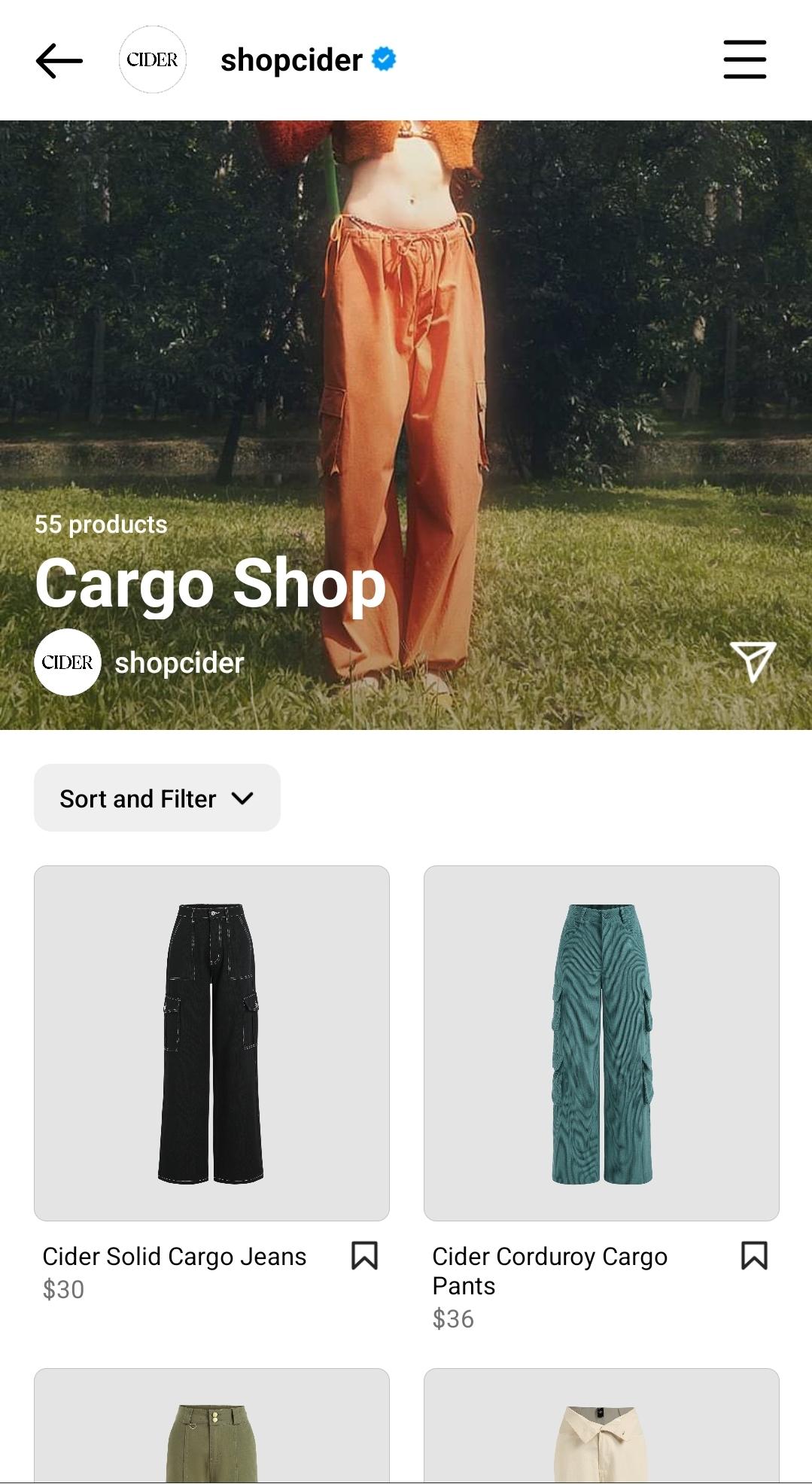
Social commerce eliminates the transitional steps entirely. By integrating payment gateways, product catalogs, and shopping carts directly into social ecosystems, platforms create a closed-loop consumer experience. A user browsing an Instagram feed can tap a tagged item—such as apparel or accessories—add it to an in-app cart, and finalize payment natively via saved credentials in a matter of seconds. Similarly, short-form video platforms allow creators to tag products directly within content, enabling impulse purchases that do not interrupt the viewing experience.

This operational efficiency directly addresses a persistent challenge in digital retail: cart abandonment. In a conventional ecommerce funnel, a prospective buyer must transition from an advertisement to a landing page, navigate a separate browser window, input shipping and billing details manually, and complete a multi-step checkout. Each friction point introduces a quantifiable probability of drop-off. Social commerce compresses this sequence, substantially reducing friction and converting high-intent discovery into immediate revenue.
The Demographic Driver: Millennials and Gen Z
The widespread adoption of social commerce is propelled largely by younger consumer cohorts. According to market research data from Statista, approximately 62 percent of U.S. consumers aged 18 to 34 have completed a purchase directly influenced by branded social media posts or content shared by digital creators and influencers.

For retail brands targeting Millennials and Generation Z, social platforms function as the primary digital high street. These demographics exhibit a distinct preference for visual-first, community-driven shopping environments where product discovery is integrated seamlessly with entertainment and peer recommendations. Consequently, establishing a native storefront on platforms heavily frequented by younger audiences has transitioned from an experimental marketing tactic to a fundamental business requirement.
Key Platforms Spearheading the Movement
The social commerce landscape is anchored by a select group of major technology companies that have invested heavily in infrastructure to support in-app retail.

Facebook Shops remains one of the most robust tools for digital merchants. Offering customizable storefronts that integrate seamlessly with Facebook Business Pages and Messenger, the feature allows businesses to sync existing inventories from traditional ecommerce platforms or upload product catalogs via spreadsheets. Furthermore, the integration of AI-powered conversational tools, such as automated chatbots, enables brands to manage high volumes of customer inquiries regarding shipping times, product specifications, and stock availability in real time, mitigating the operational strain on customer service teams.
Instagram builds upon this foundation by leveraging visual storytelling. With features allowing brands to tag products in feed posts, Stories, and Reels—supplemented by recent capabilities permitting checkout directly through direct messages (DMs)—Instagram functions as an immersive digital catalog.
Pinterest occupies a unique position within the ecosystem, functioning as both a visual search engine and a shopping destination. With internal data indicating that a vast majority of its user base actively utilizes the platform to research and plan purchases, Pinterest’s Product Pins enable U.S. consumers to complete transactions natively, while international users are directed to optimized landing pages.

TikTok, driven by the ubiquitous cultural phenomenon of the hashtag #TikTokMadeMeBuyIt—which has amassed billions of views—has transformed viral content into an engine for direct sales. Through TikTok Shop, merchants can feature products in livestreams, short-form videos, and dedicated showcase tabs, capturing impulse-driven demand from a highly engaged user base.
Strategic Advantages for Modern Retailers
Beyond expediting the checkout process, social commerce provides merchants with distinct operational advantages. Foremost among these is the establishment of an interactive, community-centered shopping environment. Unlike static ecommerce product pages, social platforms encourage public commentary, peer consultation, and direct communication. Consumers can publicly review items, seek advice from their social networks, and converse directly with brand representatives, replicating the social dynamics of a physical retail mall within a digital framework.
Additionally, social commerce functions as a real-time, zero-cost focus group. By monitoring comments, direct messages, and engagement metrics, business owners gain immediate, unfiltered feedback regarding product ideation, pricing sensitivity, and inventory management. This direct line of communication empowers brands to iterate rapidly based on consumer demand.
Finally, advanced algorithmic targeting allows brands to place products directly in front of hyper-segmented audiences. Armed with extensive behavioral data, social platforms can serve ready-to-buy inventory to users whose historical engagement patterns indicate an active interest in specific product categories, yielding higher conversion rates compared to broad-spectrum digital advertising.
Best Practices for Maximizing Social Commerce Revenue

As competition within social channels intensifies, retail strategists recommend several key methodologies to optimize performance and protect profit margins:
-
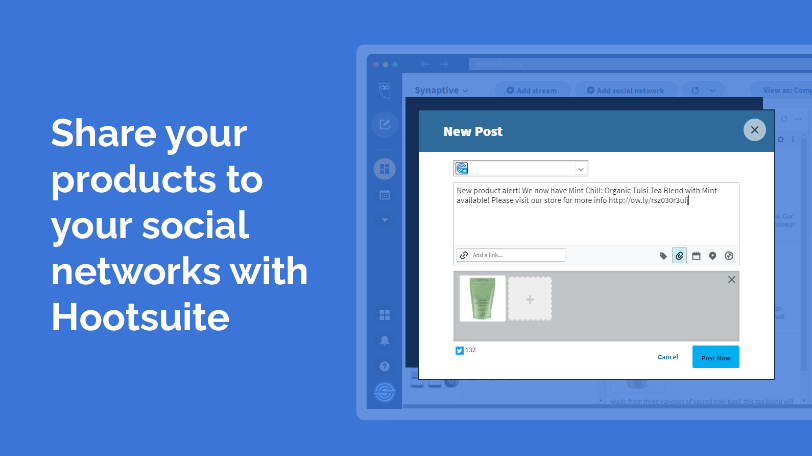
Prioritize Social Listening: Brands must actively monitor mentions, tags, and sentiment across all social channels. Utilizing social media management software allows businesses to track customer feedback, identify emerging trends, and address complaints proactively.
-
Cultivate Authentic Engagement: Successful social commerce requires reciprocity. Beyond publishing product catalogs, brands must offer entertainment, educational content, and responsive customer service to build long-term brand equity and consumer trust.

-
Leverage Social Proof: Given that the vast majority of online shoppers consult reviews prior to making a purchase decision, merchants must actively collect and display testimonials, user-generated content, and customer ratings within their social feeds and promotional materials.
-
Integrate Conversational AI: To prevent cart abandonment resulting from delayed communication, deploying conversational AI chatbots across messaging channels ensures that routine inquiries regarding order tracking, sizing, and pricing receive instant responses, even outside of standard business hours.
Broader Industry Implications and Future Outlook
The maturation of social commerce signals a broader convergence of media, technology, and retail. As digital platforms continue to refine their native checkout infrastructures and expand artificial intelligence capabilities, the boundary between entertainment and commerce will become increasingly porous.
For traditional retailers and digital-native brands alike, the imperative moving forward is clear. Success in the modern retail economy requires meeting consumers where their attention is concentrated, removing transactional friction, and transforming passive digital engagement into immediate, measurable revenue. As global ecommerce sales continue their upward trajectory, social commerce is poised to transition from an emerging alternative channel into a foundational pillar of modern global commerce.