
Selecting the appropriate payment gateway is a foundational decision that dictates the financial health, operational efficiency, and customer experience of an ecommerce enterprise. For a business owner, the choice of a payment processor is not merely a technical integration; it is a critical infrastructure decision that influences cash flow, security, and global expansion capabilities. Whether a company is a boutique shop selling $15 candles or a high-end retailer offering $250 designer jackets, the underlying cost structure of payment processing—typically a 2.9% transaction fee plus a $0.30 flat rate—affects profit margins in vastly different ways.
For the candle shop, that $0.30 flat fee represents 2% of the total sale, pushing the total processing cost to nearly 5%. Conversely, for the jacket retailer, the same flat fee accounts for only 0.12% of the transaction, keeping the total cost closer to the 3% base rate. This discrepancy underscores why business owners must move beyond advertised rates and conduct a rigorous, data-driven analysis of their specific order values and transaction volumes.
The Anatomy of Payment Processing
The journey of a digital transaction involves three distinct components: the payment gateway, which captures the data; the merchant account, which holds the funds; and the payment processor, which manages the movement of money between the customer’s bank and the merchant’s account. Modern, all-in-one providers like WooPayments, Stripe, Square, and PayPal have streamlined this architecture by aggregating these functions into a single interface. This consolidation allows merchants to bypass the traditional, often cumbersome, process of applying for a dedicated merchant bank account.

However, some established enterprises may prefer to maintain a separate merchant account. This approach, often utilized by larger retailers using gateways like Authorize.net, allows for more granular control over processing agreements and the ability to negotiate volume-based pricing that is not available through standardized, out-of-the-box solutions.
A Chronology of Payment Integration Requirements
The evolution of ecommerce has moved from simple, manual verification to complex, automated, and globalized payment ecosystems. Historically, merchants relied on bank-specific terminals that were isolated from their inventory systems. Today, the requirement for a unified "omnichannel" experience is paramount.
- The Early Web Era: Merchants manually keyed in credit card numbers or relied on basic, non-integrated gateways that often failed to sync with accounting software.
- The Mid-2000s: The rise of PCI DSS compliance requirements forced merchants to adopt secure, hosted payment fields, shifting the liability of handling raw card data away from the retailer’s own servers.
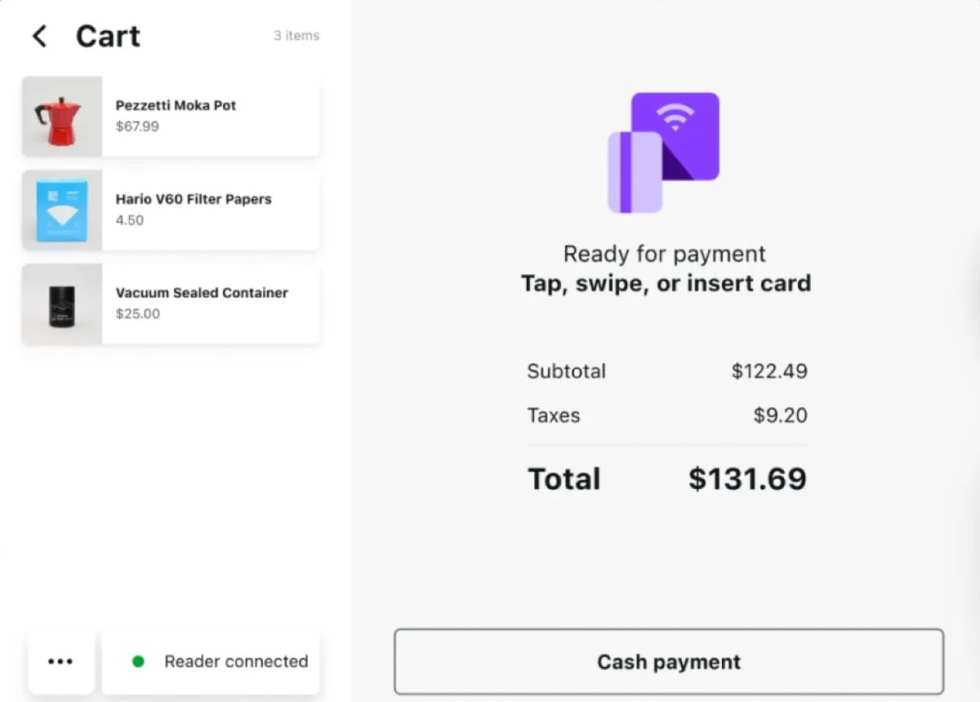
- The Current Era: Businesses now demand seamless synchronization between physical Point-of-Sale (POS) systems and digital storefronts, as well as the ability to accept a diverse array of global digital wallets and local payment methods.
Data-Driven Cost Analysis and Fee Structures
To effectively forecast processing expenses, business owners must apply a standard formula to their historical sales data: (Monthly card payment volume × percentage rate) + (Number of card payments × fixed fee) = Estimated monthly processing cost.
Beyond the primary processing rate, hidden costs can significantly erode thin margins. When comparing providers, merchants must evaluate:
- Chargeback Fees: The costs incurred when a customer disputes a transaction, which can range from $15 to $50 per incident.
- Currency Conversion Fees: For international sales, these typically add a 1% to 3% premium on top of the base rate.
- Monthly Account Fees: While "all-in-one" providers often waive these, traditional merchant accounts may charge recurring maintenance fees regardless of sales volume.
- Cross-Border Fees: Additional charges for processing cards issued outside the business’s home country.
Geographic and Regulatory Considerations
Operational location remains a primary hurdle in payment gateway selection. Banking regulations vary significantly by jurisdiction; for instance, a company based in Hong Kong targeting a US consumer base cannot simply use any US-based gateway. They must secure a provider that explicitly supports merchants operating within the Hong Kong banking regulatory framework.
Furthermore, business categories are subject to intense scrutiny. Products categorized as "high risk"—such as CBD, alcohol, tobacco, or vaping supplies—often face strict restrictions. Even if these products are legal in the merchant’s jurisdiction, many mainstream payment processors prohibit their sale through standard service agreements. Failing to disclose the nature of the business correctly can lead to sudden account termination and the freezing of funds.
The Shift Toward Customer-Centric Payment Methods
Consumer behavior in the United States is heavily dominated by credit cards and digital wallets like Apple Pay and Google Pay. The primary advantage of these methods is the reduction of "friction" at checkout. Mobile users, in particular, are statistically less likely to complete a purchase if they are forced to manually type out long credit card numbers on a small touchscreen.
In international markets, the strategy must shift. Offering local payment methods is not a convenience; it is a necessity for market penetration. In the Netherlands, for example, failing to offer iDEAL or Wero—the country’s preferred online payment methods—can result in high cart abandonment rates. Merchants expanding globally must prioritize providers that offer a localized "checkout experience" that aligns with regional trust and payment habits.
Managing Cash Flow, Reserves, and Fraud
A successful transaction does not equate to immediate liquidity. Payment providers often enforce "reserve policies," where a percentage of daily sales is held in a temporary escrow account to mitigate the risk of future chargebacks or returns. For a small business operating with tight cash flow, these reserves can be a significant drag on working capital. It is essential to distinguish between "pending" funds—which are authorized but not yet settled—and "available" funds, which can be transferred to a business bank account.
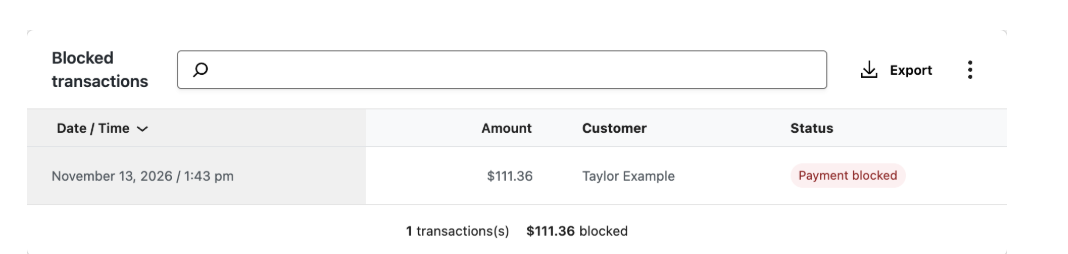
Fraud protection is the final pillar of a robust payment strategy. Modern gateways offer configurable fraud rules, allowing merchants to block transactions based on suspicious IP addresses, mismatched billing/shipping addresses, or high-velocity attempts. Utilizing secure payment fields—where the provider hosts the input form—is the industry-standard method for ensuring PCI DSS compliance, as it ensures that sensitive card data never touches the merchant’s server.
Strategic Implications for Business Growth
The decision-making process should be viewed as an iterative one. As a business scales, its requirements will inevitably shift. An online-only shop that expands into a physical retail presence will require a gateway that supports robust POS integration. Similarly, a merchant transitioning to a subscription-based revenue model must ensure that their gateway supports "card-on-file" storage and automated recurring billing cycles, which are distinct from one-off transaction capabilities.
When switching providers, merchants should be aware that stored payment credentials and subscription data are typically tied to the existing processor. These assets cannot always be migrated seamlessly to a new provider. This "vendor lock-in" necessitates a careful evaluation of the long-term roadmap before committing to a specific gateway.

For many startups and mid-sized ecommerce ventures, the current landscape favors providers that offer a blend of simplicity, transparency, and deep integration with existing CMS platforms like WooCommerce. By conducting a thorough audit of their specific transaction profile—weighing the impact of fixed fees against their average order value—merchants can select a partner that not only facilitates payments but actively supports the operational agility required to succeed in a competitive digital marketplace. Final testing in a sandbox or "test mode" environment remains the most prudent step before migrating live operations, ensuring that the entire checkout, refund, and dispute resolution workflow functions exactly as intended.
Related posts: