Williams-Sonoma Inc. Sustains Growth Momentum with Fourth Consecutive Quarter of Ecommerce Expansion in Fiscal Q3 2026

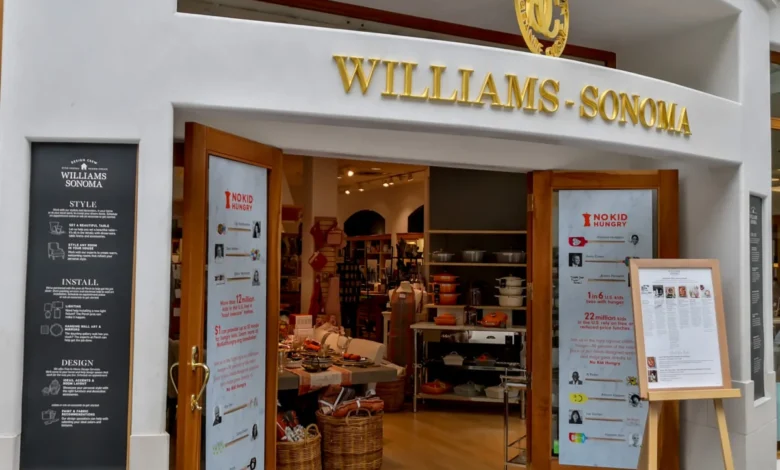
Williams-Sonoma Inc., the prominent home furnishings retailer and a mainstay of the North American retail landscape, has reported a resilient financial performance for the third quarter of its 2026 fiscal year, ending November 1. Despite a volatile macroeconomic environment characterized by fluctuating fuel costs and persistent supply chain headwinds, the company achieved its fourth consecutive quarter of ecommerce growth. This streak underscores the effectiveness of the retailer’s strategic pivot toward full-price selling and the aggressive integration of artificial intelligence into its customer-facing digital architecture.
The company’s net revenue for the quarter reached $1.99 billion, a 5.8% increase compared to the same period in the previous fiscal year. This growth was mirrored in the company’s comparable brand revenue—a critical metric that encompasses ecommerce, physical retail stores, and business-to-business (B2B) channels—which rose by 5.1%.
A Strategic Pivot Toward Full-Price Profitability
A defining characteristic of Williams-Sonoma’s current fiscal strategy is the intentional shift away from deep discounting, a move designed to protect brand equity and improve long-term operating margins. CEO Laura Alber has been transparent about this strategy, acknowledging that it has contributed to a moderating growth rate for the company’s flagship Pottery Barn brand.
By scaling back markdowns on non-furniture items—specifically seasonal inventory such as Halloween decor and back-to-school essentials—Williams-Sonoma has prioritized margin expansion over top-line volume. This approach has yielded tangible results: the company’s non-GAAP operating margin climbed 40 basis points to 17.4%, while non-GAAP earnings per share surged 11.7% to $2.19.
This "full-price" discipline stands in stark contrast to broader retail trends. As Alber noted during the earnings call, many industry competitors are currently engaged in aggressive promotional cycles, with some retailers discounting up to 70% of their total assortments. By resisting the temptation to follow this "race to the bottom," Williams-Sonoma is positioning itself as a premium player capable of maintaining profitability even when consumer spending power faces inflationary pressure. The company confirmed that it intends to maintain this strategy through the critical fourth quarter, banking on the loyalty of its core demographic to sustain demand despite the lack of heavy promotional incentives.
Digital Transformation and AI Integration
Williams-Sonoma’s commitment to digital transformation is perhaps best exemplified by its heavy investment in AI-driven consumer tools. Ranked No. 22 in the Digital Commerce 360 Top 1000 database and recognized in the AI Commerce Rankings, the retailer has moved beyond experimental AI, integrating it into the core of the shopping experience.
The company’s AI assistants, specifically "Olive" on the Williams Sonoma platform and "Otto" on the Pottery Barn site, have now facilitated more than 1 million customer chat interactions. According to CFO Jeff Howie, these personalized experiences are driving significantly higher revenue per visit compared to the site average, validating the company’s investment in generative AI.
Beyond chatbots, Chief Digital Officer Sameer Hassan highlighted the introduction of an advanced 3D design tool. This software allows customers to upload room plans, which the AI then converts into photorealistic, high-fidelity images populated with actual products from the company’s catalog, complete with precise dimensions. This "AI-guided" design capability represents a significant technological leap in the home furnishings sector, providing a level of visualization that reduces buyer hesitation—a common friction point in high-ticket furniture purchases.
As the holiday season approaches, the company plans to double down on these digital efforts by deploying AI-generated gifting imagery and personalized reminders, leveraging data from past purchases to create a curated, high-touch experience for the consumer.
Macroeconomic Pressures and Supply Chain Realities
Despite the positive financial outcomes, Williams-Sonoma’s leadership was candid about the mounting pressures within the global logistics network. Two primary variables have complicated operations throughout the third quarter: a sharp rise in diesel fuel prices and ongoing geopolitical volatility.
U.S. diesel prices increased by more than 60% year-over-year in the third quarter and have risen by approximately 20% since August. CFO Jeff Howie estimated that this inflationary spike in logistics costs could create an additional $60 million in expenses for the fiscal year. These costs are exacerbated by prolonged transit times caused by the conflict in the Middle East, which has forced shipping lines to navigate around logistical bottlenecks, alongside persistent congestion at key rail and port facilities.
In response to these challenges, Williams-Sonoma has adopted an active management posture. The company is prioritizing the expedition of key shipments and is providing more granular, real-time delivery estimates on its websites to manage customer expectations. CEO Laura Alber also addressed the broader housing market, noting that conditions have worsened, yet the company continues to gain market share—a testament to its brand strength and the efficacy of its omnichannel strategy.
One notable bright spot in the balance sheet was the realization of $29.3 million in IEEPA (International Emergency Economic Powers Act) tariff refunds. To date, the company has successfully collected almost the entirety of its $197.8 million claim, providing a useful buffer against the rising operational costs of the current quarter.
Industry Context and Future Implications
The performance of Williams-Sonoma in Q3 2026 offers a blueprint for how legacy retailers can successfully modernize. By maintaining a focus on high-quality, full-price goods while simultaneously deploying sophisticated, proprietary AI tools, the company has managed to insulate itself from some of the volatility affecting mid-market retailers.
However, the road ahead remains complex. The home furnishings industry is intrinsically tied to the health of the housing market and the availability of disposable income. With the CEO acknowledging a cooling in the housing sector, the company’s ability to maintain its margin growth will depend on its ability to keep the customer engaged through its digital platforms.
Looking at the timeline of the fiscal year:
- Q2 2026: The company reported ecommerce comparable sales growth of 6.5%, setting the stage for the 6.8% growth observed in Q3.
- Q3 2026: The focus shifted toward operational efficiency, managing the $60 million in potential logistics-related expenses, and continuing the transition to a full-price model.
- Q4 2026 Outlook: The retailer is prepared to continue its anti-discounting strategy, betting that its personalized AI tools and brand value will outweigh the lure of competitors’ deep holiday markdowns.
The integration of AI, while currently a differentiator, will likely become the standard for the industry. Williams-Sonoma’s early entry into this space, combined with its robust logistics management and disciplined financial oversight, positions it to weather the current inflationary cycle more effectively than peers who remain tethered to traditional, markdown-heavy business models.
For investors and analysts, the next several months will be a test of whether the consumer remains resilient in the face of persistent economic headwinds. With the company successfully navigating supply chain disruptions and demonstrating a proven ability to leverage digital tools for sales growth, the stage is set for a pivotal end to the 2026 fiscal year. Whether the company can continue to gain market share while refusing to engage in the widespread promotional activity of its competitors will be the primary metric to watch as the holiday season concludes.
As Williams-Sonoma continues to refine its omnichannel strategy, it remains a bellwether for the home furnishings sector, reflecting the ongoing evolution of how consumers interact with brands in an increasingly digitized and physically constrained global economy. The company’s ability to balance its traditional retail strengths with its emerging digital prowess will define its trajectory in the coming fiscal year.
Related posts: