Meta Platforms Strategic Evolution: A Comprehensive Review of 2022 Updates and 2023 Digital Advertising Outlook

The final quarter of 2022 marked a pivotal transition for Meta Platforms, Inc., as the conglomerate accelerated its shift toward automation, short-form video dominance, and rigorous brand safety standards. Under the leadership of CEO Mark Zuckerberg, the company has undergone a structural transformation intended to streamline the user experience across Facebook, Instagram, and WhatsApp while providing advertisers with more sophisticated, machine-learning-driven tools. As the digital advertising landscape grapples with post-ATT (App Tracking Transparency) data limitations, Meta’s recent updates suggest a future rooted in "black box" automation and a multi-billion dollar bet on the virtual frontier of the Metaverse.

The Strategic Shift Toward Algorithmic Automation
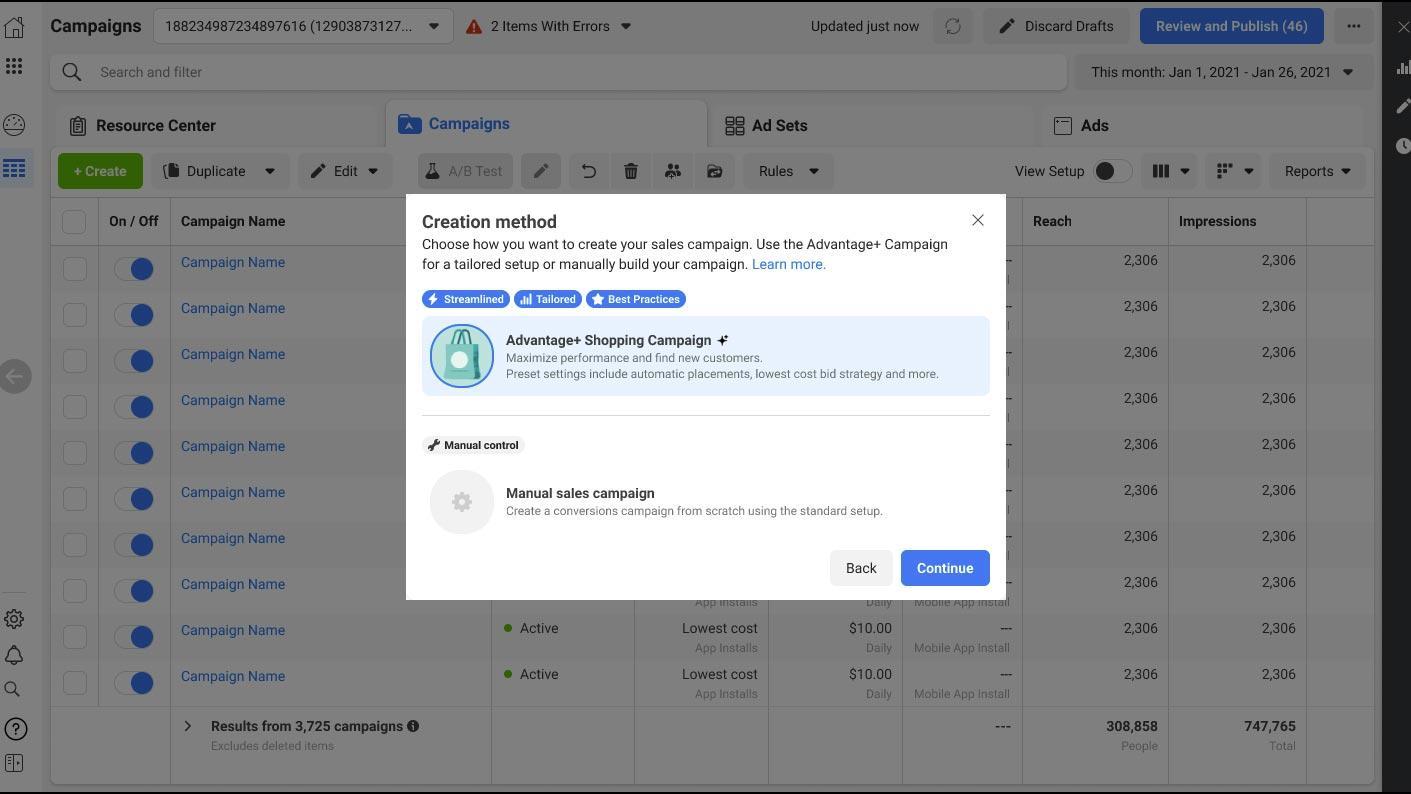
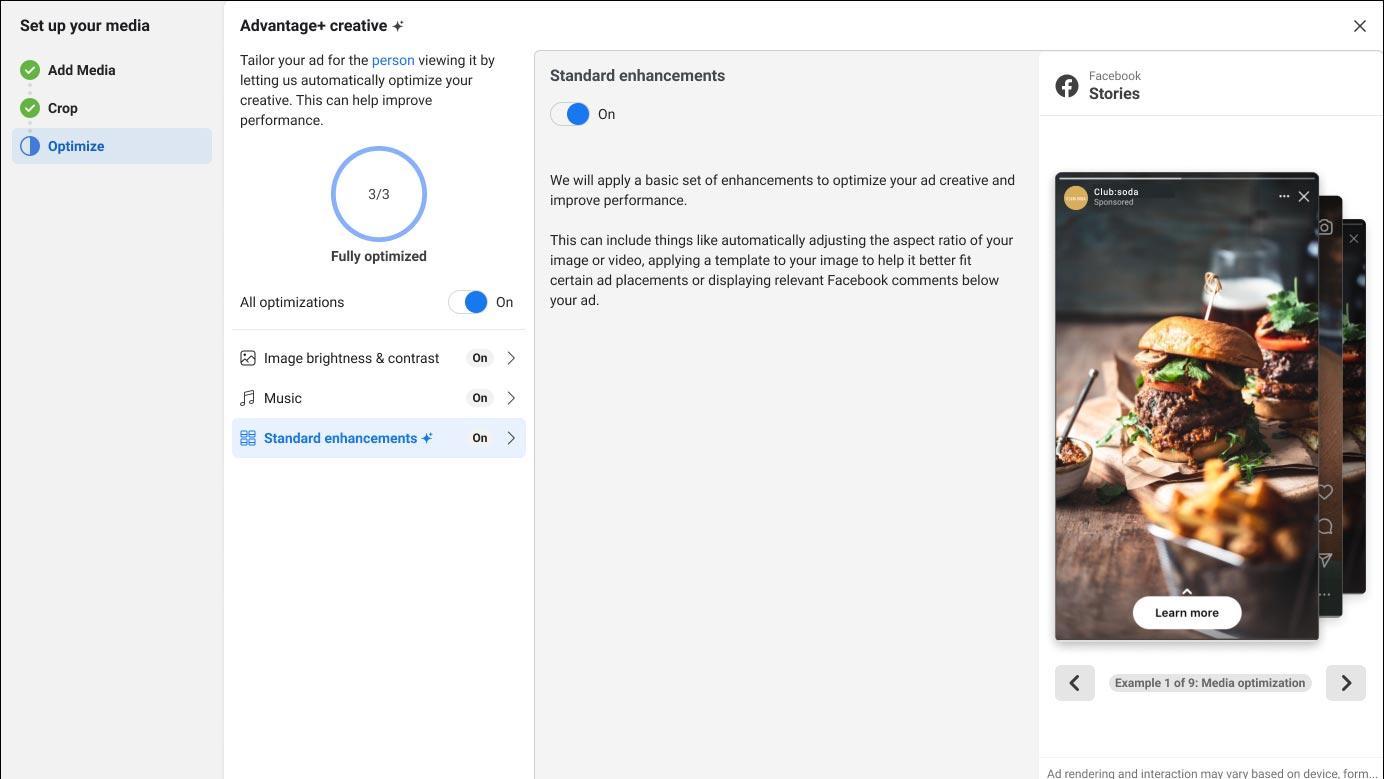
One of the most significant developments in late 2022 was the aggressive rollout of the Meta Advantage+ suite. This collection of advertising products represents a fundamental shift in how digital marketing operates on the platform. By leveraging advanced machine learning, Advantage+ campaigns automate the manual processes of creative testing and audience targeting. According to internal Meta data, Advantage+ Shopping campaigns have demonstrated a 12% lower cost-per-purchase conversion compared to traditional manual ads.

This move toward automation is an analytical response to the privacy changes initiated by Apple’s iOS 14 updates, which previously hampered Facebook’s ability to track third-party user behavior. By shifting the focus to first-party data and internal algorithmic optimization, Meta is attempting to regain its status as the most efficient ROI generator for small and medium-sized businesses (SMBs). In 2023, the industry expects Meta to expand these capabilities into B2B segments and lead generation, further reducing the need for manual oversight in campaign management.
Instagram and the Short-Form Video Hegemony
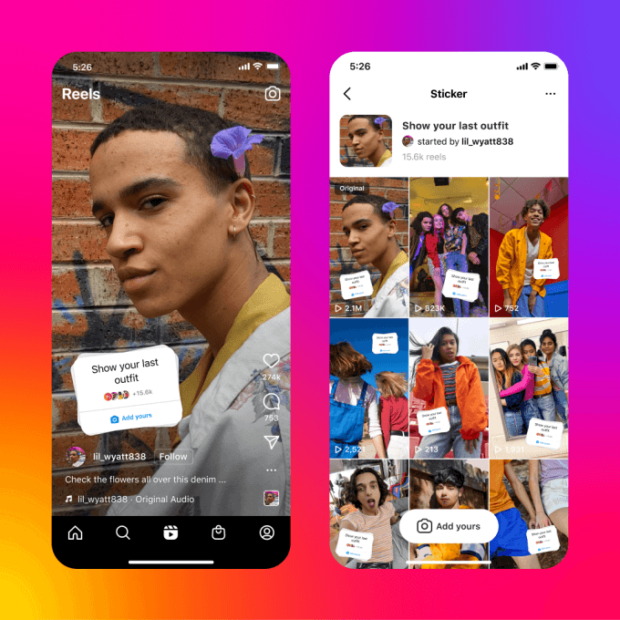
Throughout 2022, Instagram’s evolution was defined by its competition with TikTok. The prioritization of Reels has moved from an experimental feature to a core revenue driver. Meta increased the maximum length of Reels to 90 seconds and introduced API access, allowing third-party social media management platforms to facilitate publishing and analytics.
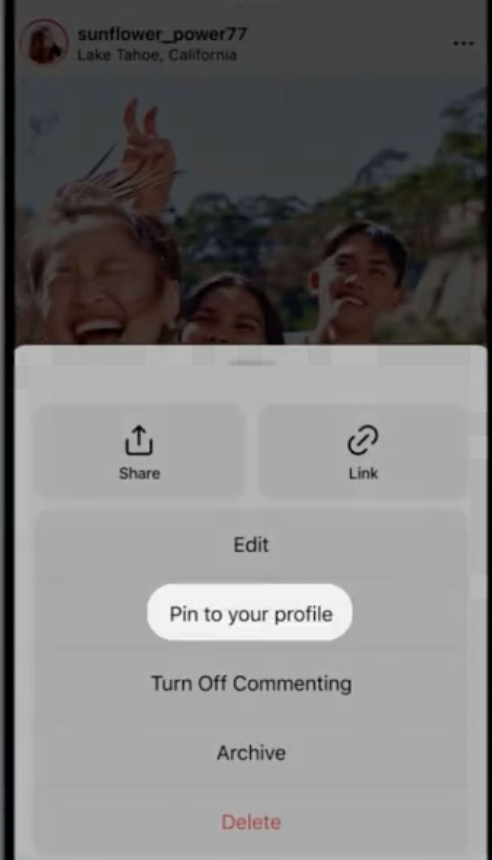
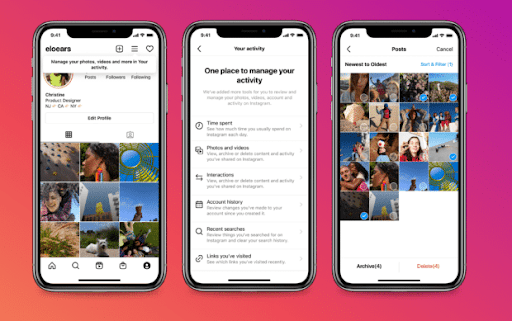
A major milestone for creators in late 2022 was the launch of native content scheduling within the Instagram mobile app. Previously a feature reserved for third-party tools or desktop-based Creator Studio, the new tool allows Business and Creator accounts to schedule Reels, photos, and carousel posts up to 75 days in advance directly from their mobile devices. This update reflects Meta’s commitment to the "creator economy," providing professional-grade tools to users who operate entirely via mobile. However, certain limitations remain; scheduled posts currently do not support cross-posting to Facebook or product tagging, requiring creators to remain strategic about which content they automate.
Brand Safety and the Media Rating Council Accreditation
For major global advertisers, brand suitability is a primary concern. In November 2022, Meta achieved a significant milestone by receiving accreditation from the Media Rating Council (MRC) for content-level brand safety on Facebook. This independent audit reviewed Meta’s policies and controls across Instant Articles and In-Stream video on desktop and mobile platforms.
The accreditation serves as a factual endorsement of Meta’s "Partner Monetization Policies" and "Content Monetization Policies." As part of this push, Meta began testing content-based inventory filters for both Facebook and Instagram feeds. These filters allow advertisers to prevent their ads from appearing adjacent to sensitive topics such as tragedy, conflict, or inflammatory social issues. This development is crucial for maintaining the confidence of blue-chip brands that have historically been wary of the unpredictable nature of social media newsfeeds.

The Metaverse: A $36 Billion Calculated Risk
While the immediate focus of 2022 was on advertising efficiency, the long-term vision of Meta remains tied to the Metaverse. Since the company’s rebrand from Facebook to Meta, Mark Zuckerberg has directed over $36 billion into Reality Labs, the division responsible for augmented and virtual reality hardware and software.

Despite significant financial losses and skepticism from some institutional investors, Meta expanded its VR monetization options in 2022. The introduction of 3D avatars on Instagram and the testing of in-headset VR ads within the Oculus ecosystem signal the early stages of a new advertising frontier. In the 2023 roadmap, Meta is expected to continue bridging the gap between its current social platforms and the virtual environments of Horizon Worlds. The objective is to create a seamless digital economy where virtual goods can be purchased, displayed, and traded across the Meta ecosystem.
Chronology of Key 2022 Updates
To understand the trajectory of Meta in 2023, it is essential to review the chronological progression of its 2022 feature releases:

- Q1 2022: Rebranding of automated tools into the "Meta Advantage" suite; launch of 3D Avatars in the US, Canada, and Mexico.
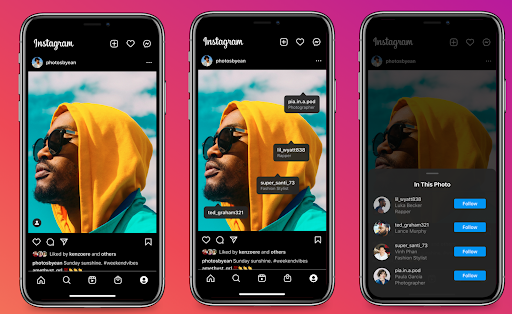
- Q2 2022: Expansion of the Instagram Creator Marketplace; introduction of "Enhanced People Tags" to allow creators to showcase their specific roles (e.g., photographer, songwriter).
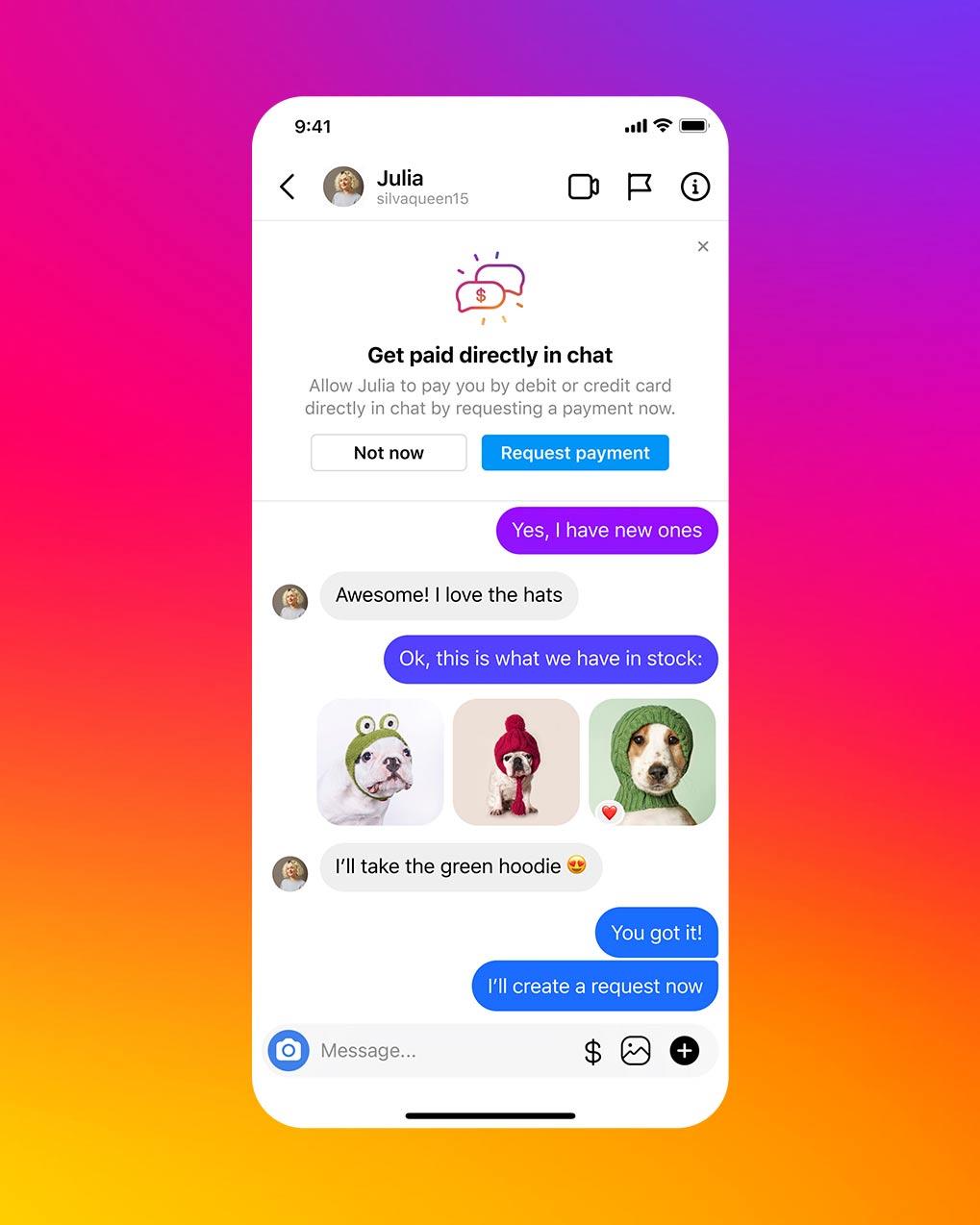
- Q3 2022: Shutdown of Facebook Live Shopping as the company pivoted resources toward Reels; rollout of "Advantage+ Shopping" campaigns globally; introduction of payments within Instagram Direct Messages (DMs).
- Q4 2022: Achievement of MRC Brand Safety accreditation; launch of native mobile scheduling on Instagram; release of the IP Reporting API to protect creator copyrights.
Protecting Intellectual Property and Creator Rights
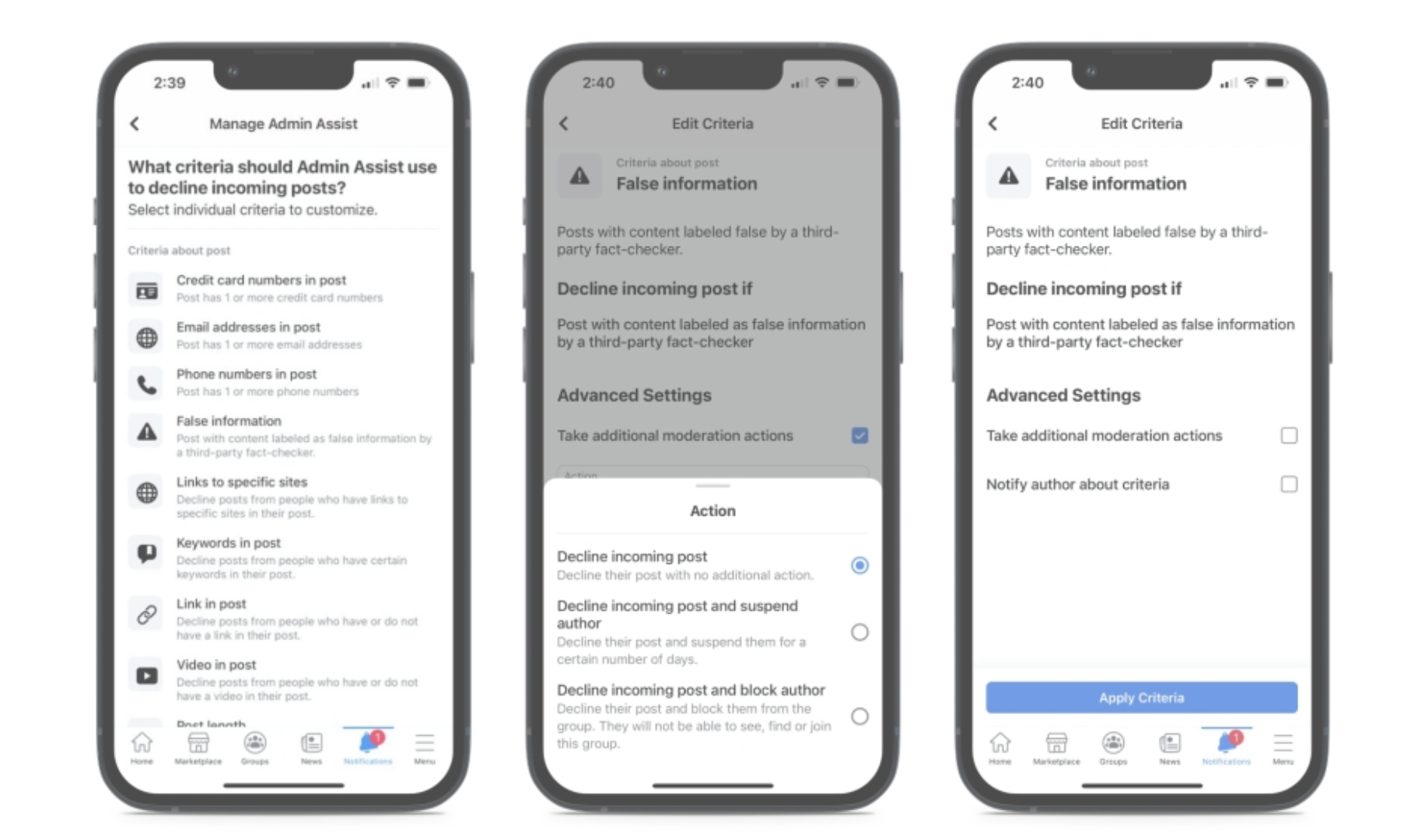
As the volume of content on Facebook and Instagram continues to grow, so does the risk of intellectual property (IP) infringement. In late 2022, Meta released a new IP Reporting API designed to streamline how rights holders protect their original work. This tool integrates with the Graph API, allowing creators to fill out report forms efficiently.
Additionally, Meta enhanced its "Brand Rights Protection" feature within Business Manager. These tools utilize machine learning to identify counterfeit products, impersonation accounts, and trademark violations. By automating the identification of infringing content, Meta is attempting to foster a more "trust-based" ecosystem, which is essential for its expanding e-commerce ambitions.
2023 Outlook: The Four Pillars of Growth
Industry analysts and Meta executives point toward four primary areas of focus for the 2023 fiscal year:
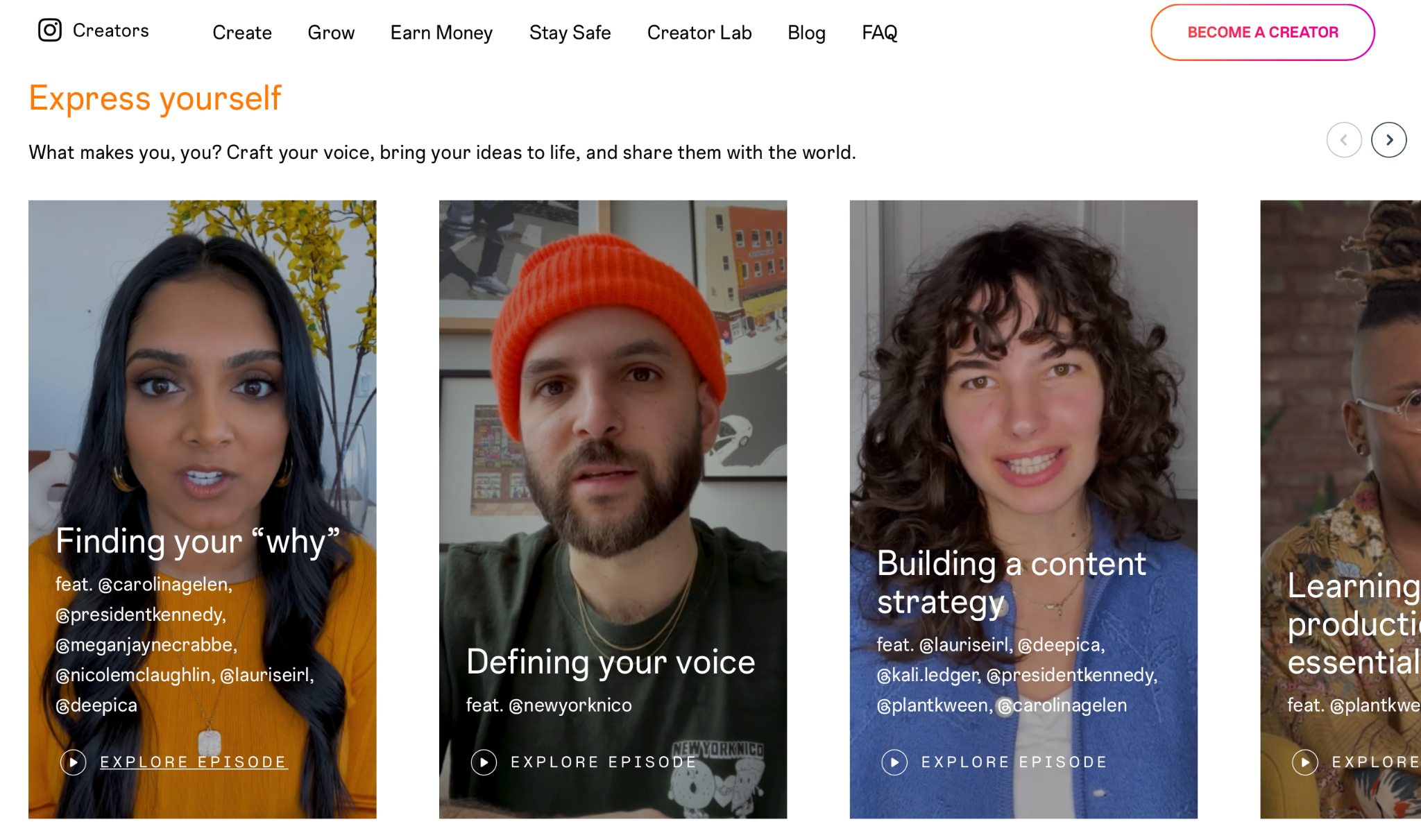
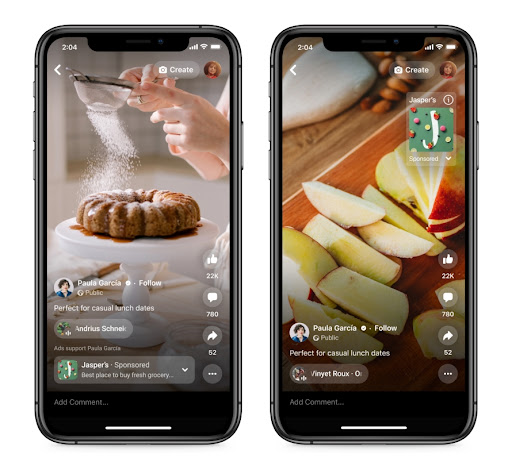
- Continued Emphasis on Reels: With Reels now a major source of engagement and traffic, Meta will likely introduce more e-commerce features within the short-form video format, such as one-tap purchasing and integrated loyalty programs.
- Facebook Groups as Community Hubs: Groups remain one of the few areas on Facebook with high organic reach. Meta is expected to introduce more moderator tools and monetization options for brands to cultivate private, high-intent communities.
- The "Advantage+" Revolution: The shift from manual to automated advertising is expected to reach near-total adoption. Advertisers who resist machine-learning-based targeting may find themselves at a cost disadvantage as the platform’s algorithm increasingly favors automated optimization.
- B2B Targeting Advancements: Meta has recently released new B2B segments based on job titles and interests, such as "Decision Makers" and "IT Professionals." This move directly challenges LinkedIn’s dominance in the professional advertising space, offering B2B brands a more cost-effective alternative for lead generation.
Broader Impact and Market Implications
The evolution of Meta Platforms in 2022 and 2023 has profound implications for the global digital economy. For small businesses, the democratization of AI through Advantage+ tools means that high-level marketing expertise is becoming less of a barrier to entry. For consumers, the shift toward a more curated, video-centric feed represents a departure from the traditional "social" network toward a "discovery" engine powered by interests rather than just friend connections.
However, these changes are not without friction. The transition away from Facebook Live Shopping and the heavy investment in the Metaverse have sparked debates regarding the company’s core identity. Critics argue that Meta is moving too far from its social roots, while supporters suggest that the move into short-form video and virtual reality is a necessary survival tactic in an increasingly competitive attention economy.
As Meta enters 2023, the success of its "Year of Efficiency" will depend on whether its AI-driven advertising can continue to deliver high ROI in a volatile global economy. With over 3 billion monthly active users across its family of apps, Meta remains the dominant force in social media, yet its future rests on the successful execution of its transition from a social networking company to a Metaverse-first technology giant.
Related posts: