The Art and Science of the Call to Action: Mastering Social Media and Digital Conversion Strategies


In the hyper-competitive landscape of digital marketing, the success of a multi-million dollar campaign often hinges on a handful of words. This critical element, known as the Call to Action (CTA), serves as the definitive bridge between passive consumption and active engagement. Whether a brand aims to drive ad clicks, ebook downloads, or e-commerce transactions, the CTA is the final instruction that guides a user through the noise of a saturated digital environment. Industry data suggests that the presence of a well-crafted CTA can be the determining factor in whether a user converts or continues to scroll, making it one of the most vital components of modern conversion rate optimization (CRO).
Defining the Call to Action in the Modern Era
A Call to Action is a strategic text prompt designed to induce an immediate response from the target audience. While historically associated with direct mail and television "call now" prompts, the modern digital CTA has evolved into a sophisticated tool utilized across social media, email marketing, and landing pages. Its primary function is to eliminate decision fatigue by providing users with a clear, unambiguous next step.
In practice, a CTA can manifest in several formats, including plain-text hyperlinks, static images, or clickable buttons. Simple iterations like "Buy Now" or "Download Today" remain staples of the industry, yet more complex, value-oriented prompts—such as "Subscribe today so you’ll never miss a post"—are increasingly used to build long-term brand loyalty. Regardless of the length, the objective remains constant: to encourage potential customers to remain engaged with the brand’s digital ecosystem.

The Psychological Framework: The LIFT Model and Action Linguistics
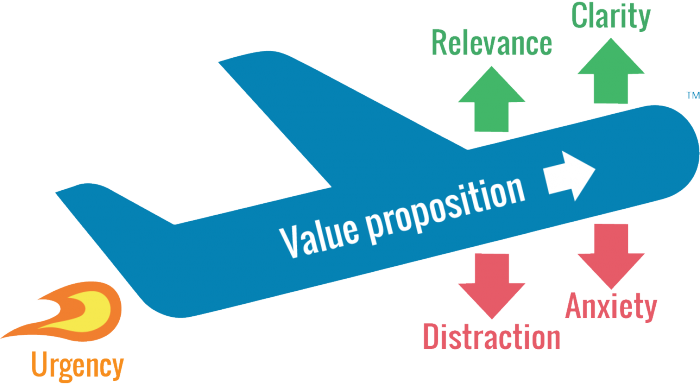
To understand why certain CTAs outperform others, marketers often look to the LIFT Model, a framework developed to analyze landing page conversion factors. This model identifies six core attributes that influence conversion: Value Proposition, Relevance, Clarity, Urgency, Anxiety, and Distraction.

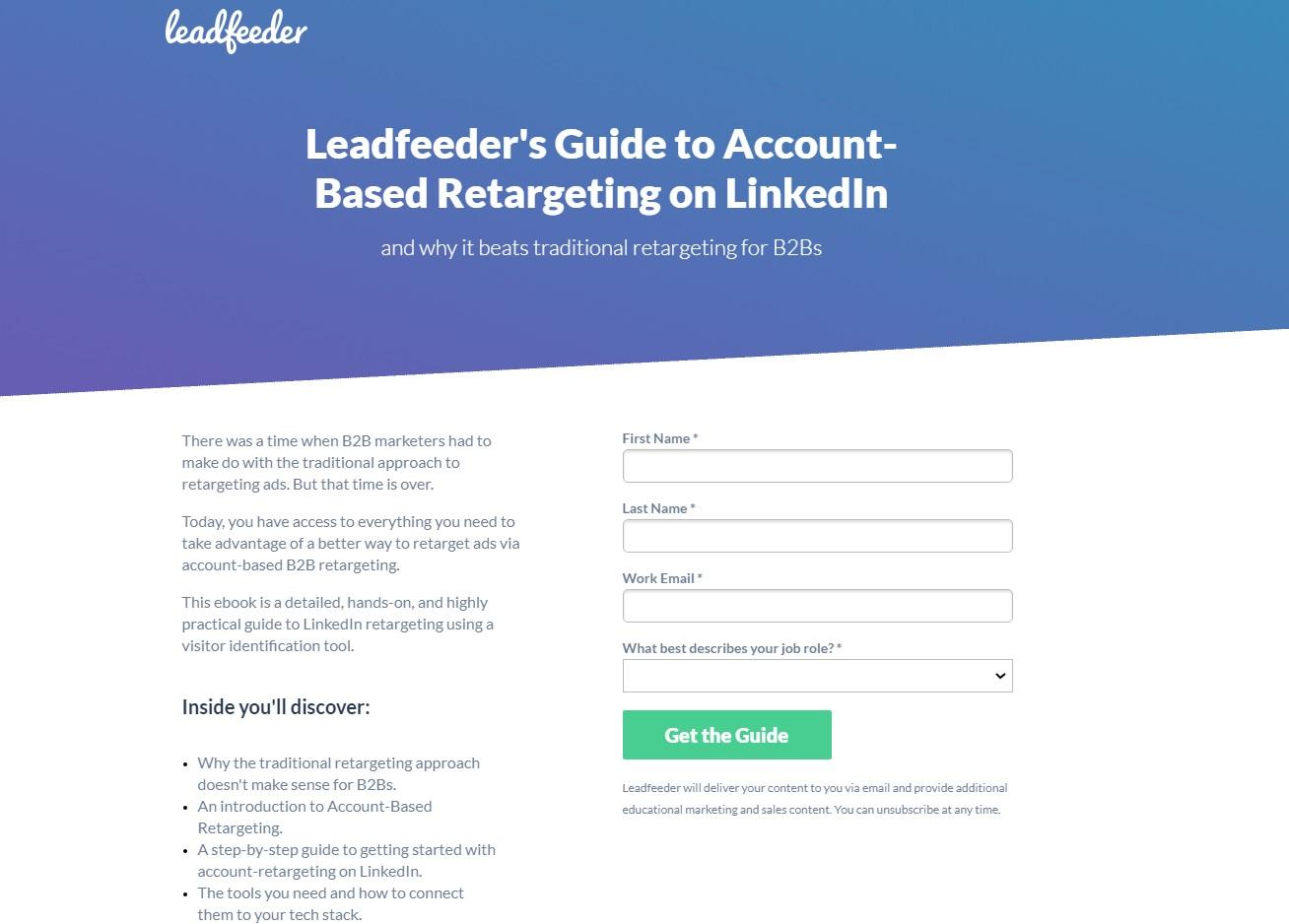
An effective CTA acts as the focal point of this model. For instance, a prompt like "Download this ebook now" provides clarity (the user knows exactly what they are getting), relevance (it matches the surrounding content), and urgency (the word "now" prompts immediate action). By addressing these factors, marketers can significantly reduce the "friction" that often prevents a user from completing a transaction.

Furthermore, the choice of verbs is paramount. Professional copywriters categorize CTA verbs based on intent:

- E-commerce: Buy, Shop, Order, Reserve, Save.
- SaaS and Software: Try, Get Started, Subscribe, Sign Up.
- Non-Profit: Donate, Commit, Volunteer, Give.
- Lead Generation: Download, Get, Grab, Claim.
Starting a CTA with a strong command verb followed by an adverb or a specific subject creates a sense of authority and direction. Research indicates that using first-person language (e.g., "Start my free trial" instead of "Start your free trial") can further enhance click-through rates by creating a sense of ownership in the user.
Empirical Evidence: The Impact of CTA Buttons on Conversion
The shift from plain-text links to clickable buttons has yielded measurable improvements in global marketing performance. A study conducted by Protocol 80 found that implementing a CTA button into article templates increased conversions by 83%, while boosting e-commerce performance by 22%. Similarly, data from Copyblogger revealed that button-style CTAs outperformed plain-text alternatives by 45%.

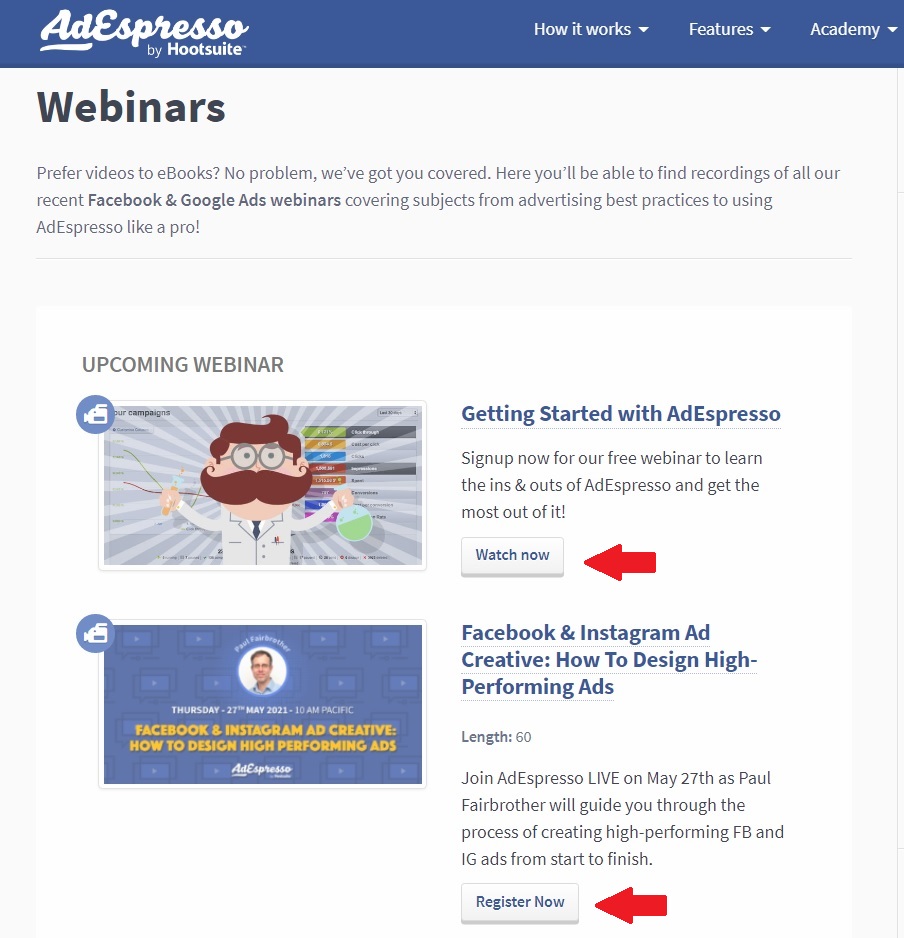
One of the most comprehensive investigations into CTA efficacy was a $1,000 experiment conducted by AdEspresso. The study tested various button configurations on Facebook Ads to determine the most cost-effective approach. The results were stark: the top-performing CTA button, "Download," achieved 49 conversions at a cost of $5.10 each. In contrast, the version of the ad with no button at all achieved only 20 conversions at a significantly higher cost of $12.50 per acquisition. This data demonstrates that the mere presence and specific selection of a CTA button can more than double the efficiency of an advertising budget.

Chronology of the Digital CTA Evolution
The development of the CTA has mirrored the broader evolution of the internet:

- The Early Web (1990s-2000s): CTAs were primarily blue hyperlinked text, often buried at the bottom of long-form pages.
- The Rise of Web 2.0 (2005-2010): The introduction of CSS allowed for the creation of "glossy" buttons, making CTAs more visually distinct.
- The Mobile Revolution (2010-2015): With the advent of smartphones, CTAs became larger and more "thumb-friendly." The "Swipe Up" feature on Instagram Stories introduced a new gestural CTA.
- The Algorithmic Era (2016-Present): Current strategies involve highly personalized, retargeted CTAs that change based on a user’s previous behavior and position in the sales funnel.
Strategic Execution Across Platforms: Social Media and Beyond
Effective CTAs are not one-size-fits-all; they must be tailored to the specific platform and user intent.

Facebook and Instagram Advertising
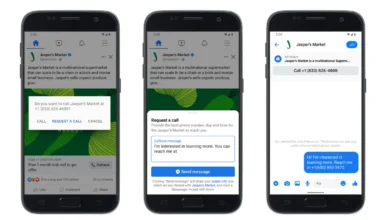
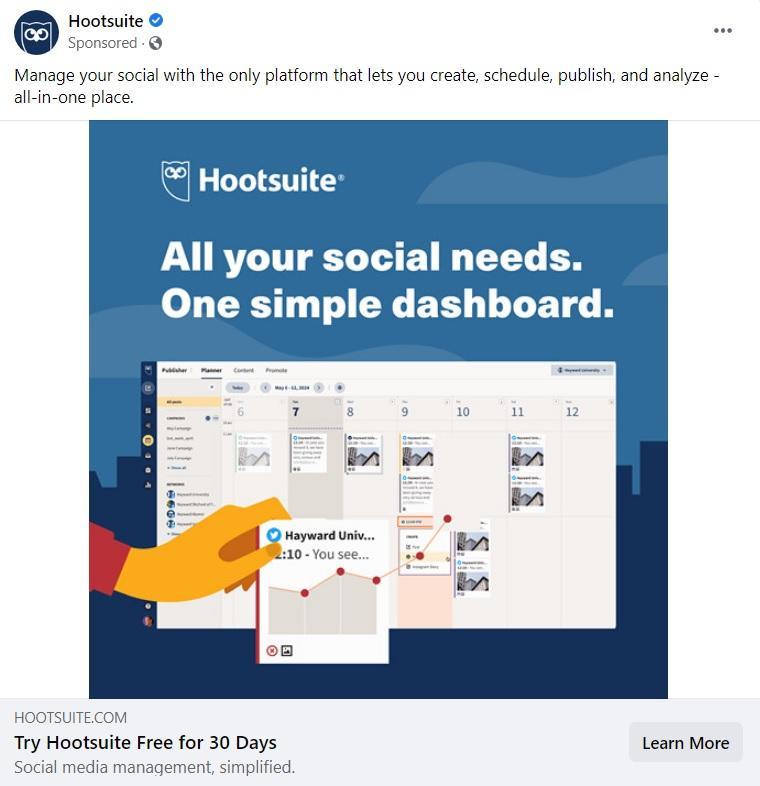
Social media platforms present a unique challenge: ad saturation. With approximately 22.3% of internet users employing ad blockers due to "ad fatigue," brands must use compelling CTAs to break through the noise. On Facebook, the native interface allows for built-in buttons like "Learn More" or "Send Message."

Case studies of successful social media ads highlight various techniques:
- ClickUp: Uses multiple CTAs within the ad copy and video to cater to different user preferences.
- Shaw Academy: Employs high-contrast colors and alarm emojis to create a sense of extreme urgency.
- Headspace: Utilizes sensory language ("Snuggle up to Headspace") to evoke emotional comfort rather than just pushing a sale.
- Nøie Skincare: Focuses on the user experience and diagnostic quizzes, using "Shop Now" as a final step after providing value.
Email Marketing
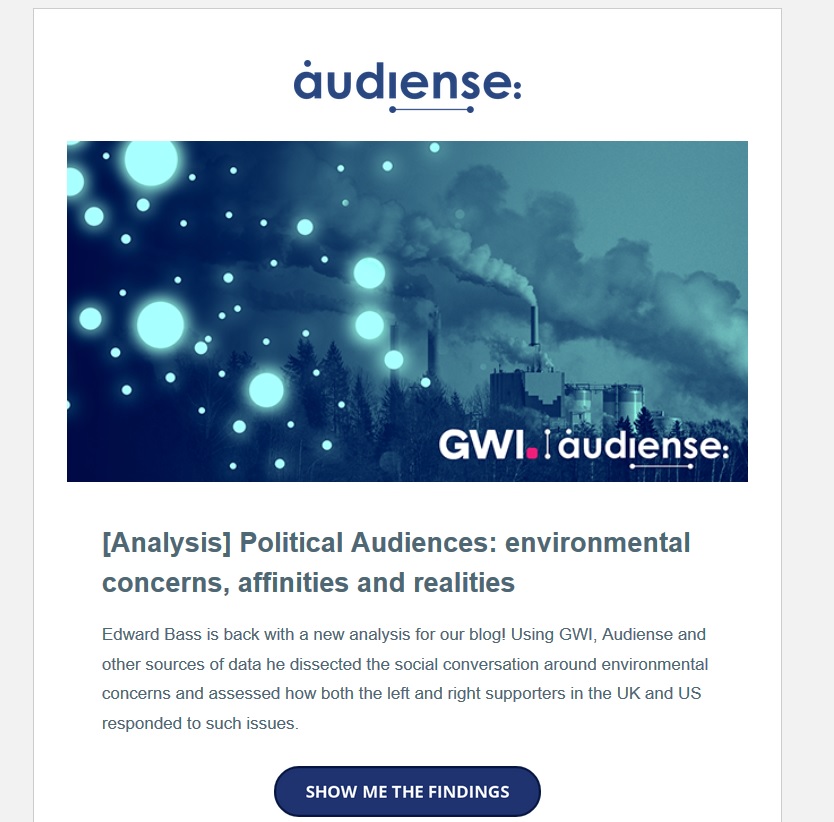
Email continues to be a high-conversion channel, with some industries seeing rates as high as 15%. In this medium, the "Primary" and "Secondary" CTA strategy is often employed. Design agencies like Black Illustrations frequently use multiple buttons in long-form emails to ensure a CTA is always visible as the user scrolls.

Landing Pages and Websites
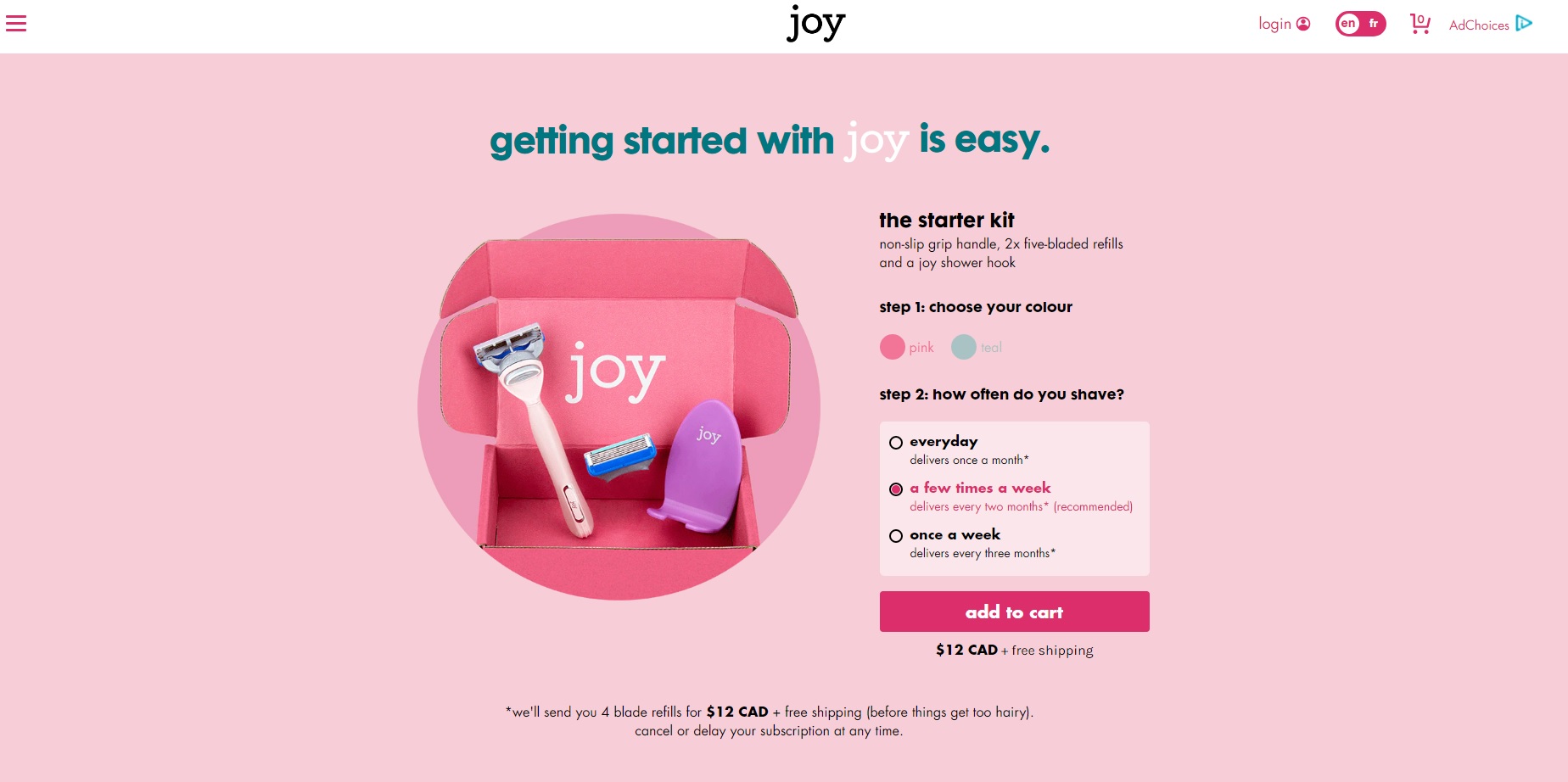
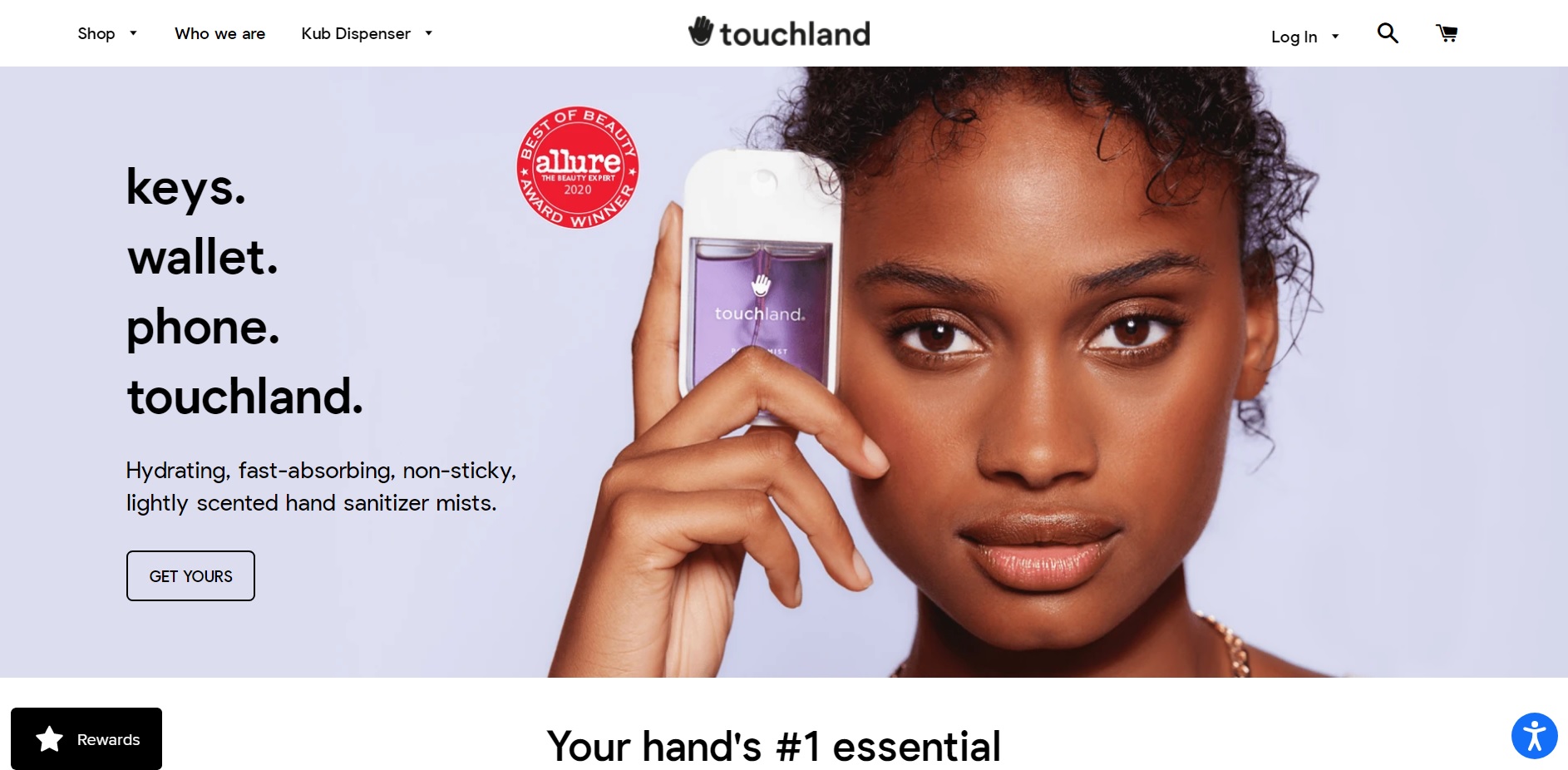
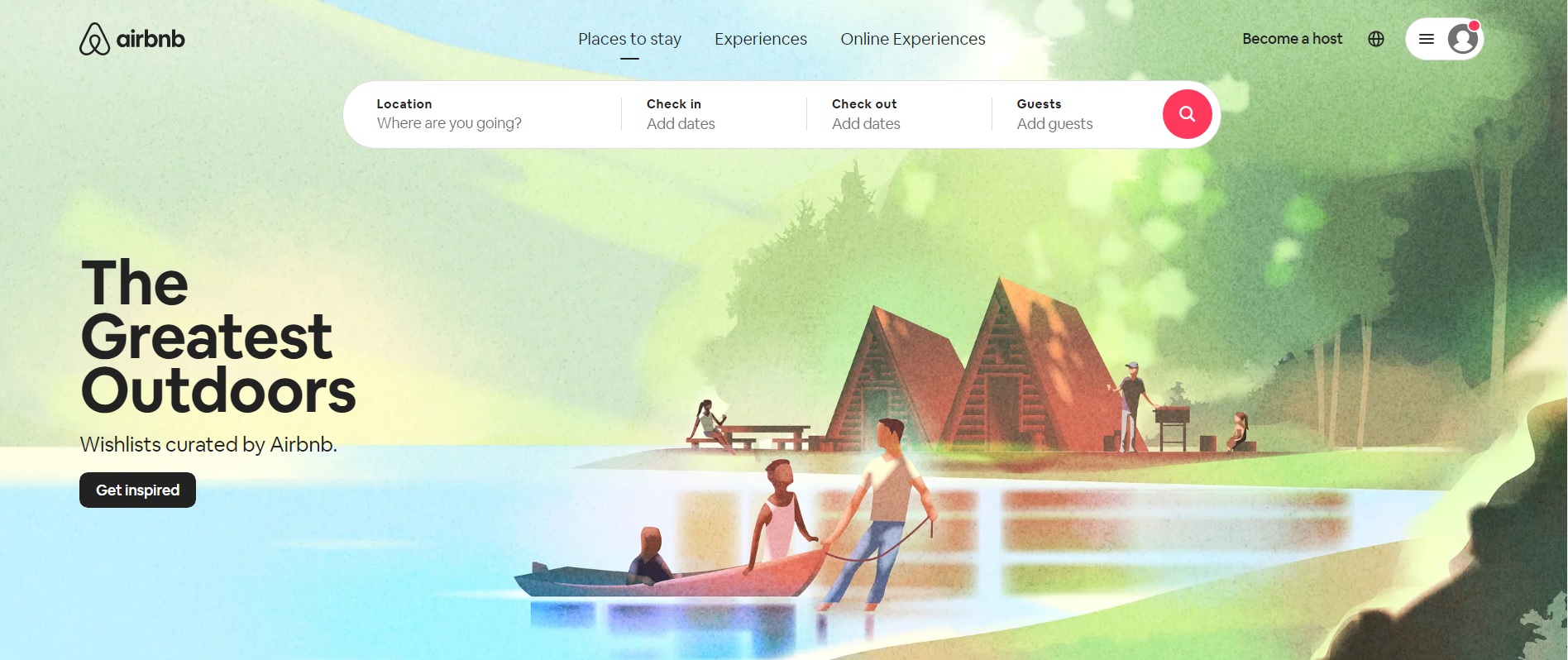
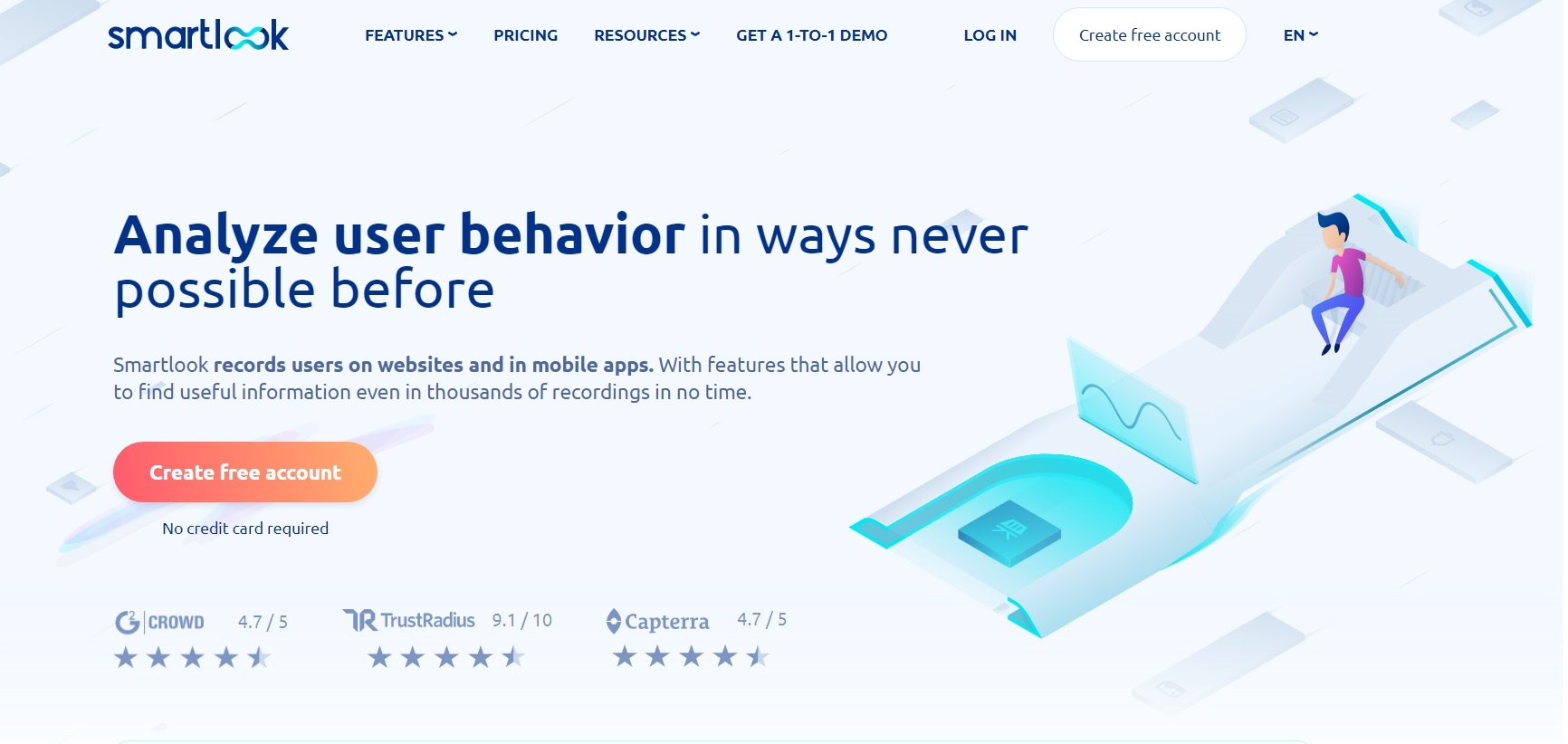
The goal of a landing page is singular: conversion. High-performing examples like those from Tim Ferriss or Joy (a Canadian razor subscription service) prioritize minimalist design to ensure the CTA button is the most prominent element on the page. Strategic use of white space around a button and high-contrast coloring—such as a dark button on a light background—helps guide the user’s eye directly to the desired action.
Industry Reactions and Professional Analysis
Marketing analysts suggest that the future of CTAs lies in hyper-personalization. As artificial intelligence becomes more integrated into marketing stacks, CTAs are expected to become dynamic, changing their wording and color based on the individual user’s psychological profile.
"The CTA is no longer just a signpost; it is a conversation starter," notes one industry report. The shift toward "low-friction" CTAs—such as "Learn More" instead of "Buy Now"—reflects a growing understanding of the customer journey. For users at the top of the funnel, high-pressure CTAs can actually increase "anxiety" (as defined in the LIFT model), leading to higher bounce rates. Conversely, for retargeting campaigns where the user is already familiar with the brand, direct CTAs like "Complete My Order" are essential for closing the sale.
Broader Impact and Economic Implications
The optimization of CTAs has profound economic implications for the digital economy. As Customer Acquisition Costs (CAC) continue to rise due to increased competition and privacy changes (such as Apple’s iOS 14.5 update), the ability to squeeze more value out of every click is a matter of business survival. A company that improves its CTA click-through rate from 1% to 2% effectively halves its advertising costs, allowing for greater scalability and market share.
Furthermore, the ethical considerations of "dark patterns" in CTAs—such as making the "No" option difficult to find or using shaming language—are becoming a point of discussion among UX designers and regulators. The industry is moving toward a standard of "Consensual Conversion," where CTAs are clear, honest, and provide genuine value to the consumer.
In conclusion, while the Call to Action may appear to be a minor detail in a broader marketing strategy, it is the fundamental engine of digital commerce. By combining linguistic precision with psychological frameworks and data-driven testing, brands can transform their digital presence from a passive display into a high-performance conversion machine. As digital platforms continue to evolve, the mastery of the CTA will remain a cornerstone of successful communication and business growth.