Amazon Pharmacy and eNavvi Partner to Integrate Real-Time Prescription Pricing and Fulfillment Directly into Physician Workflows

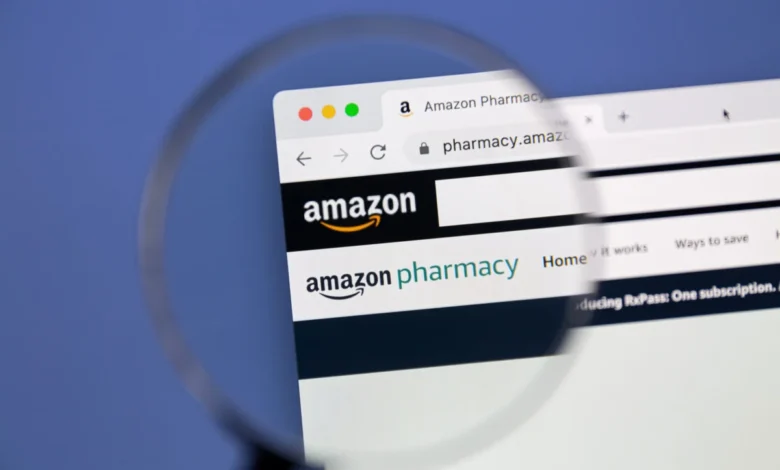
The digital prescription landscape is undergoing a significant transformation as eNavvi, a leading transparent prescription marketplace, joins forces with Amazon Pharmacy to embed critical medication data directly into the clinical environment. This strategic collaboration aims to provide healthcare providers with unprecedented access to real-time pricing, stock availability, and delivery logistics within their existing digital workflows, effectively turning the traditional patient consultation into a comprehensive point-of-sale (POS) experience. By leveraging Amazon’s extensive logistical infrastructure, which now offers same-day delivery in nearly 3,000 U.S. cities, the partnership seeks to eliminate the logistical and financial barriers that frequently lead to medication non-adherence.
The integration is designed to address a fundamental "black box" in the American healthcare system: the lack of price transparency at the moment a prescription is written. Historically, physicians have had little to no visibility into what a patient will actually pay at the pharmacy counter, often leading to "sticker shock" that results in abandoned prescriptions. Through eNavvi’s platform, clinicians can now view the direct cost of medications via Amazon Pharmacy, compare those costs against other options, and confirm that the medication is in stock before the patient even leaves the exam room.
Strategic Objectives and the Point-of-Care Revolution
The primary objective of this collaboration is the synchronization of medical decision-making and pharmaceutical fulfillment. Under the current standard of care, a physician prescribes a medication, and the patient must then navigate insurance coverage, pharmacy selection, and potential out-of-stock issues independently. This fragmented process creates multiple "friction points" where the chain of care can break down.
Simon Chang, Chief Executive Officer at eNavvi, emphasized that this partnership is designed to bridge these gaps. "This collaboration fundamentally changes what physicians can see and do at the moment of prescribing," Chang stated. "Transparent pricing, real-time availability, and direct routing to Amazon Pharmacy means better decisions and fewer barriers between patients and the medications they need."
From Amazon’s perspective, the move is a continuation of its broader strategy to disrupt the healthcare sector by applying the same customer-centric principles that defined its success in retail. Tanvi Patel, Vice President and General Manager at Amazon Pharmacy, noted that the integration meets patients in the clinical setting, where healthcare decisions are birthed. "Amazon Pharmacy is committed to providing a transparent pharmacy experience that removes the friction preventing patients from reliably accessing the medications they are prescribed," Patel said. "By integrating directly into the prescribing workflow with eNavvi, we are helping clinicians and patients make informed decisions about their health."
The Amazon Ecosystem: Prime, RxPass, and Logistics
A critical component of this partnership is the utilization of the Amazon Prime ecosystem. Patients who are Prime members will be able to access generic medications with savings of up to 80% off the list price when paying without insurance. Furthermore, the integration supports RxPass, Amazon’s $5 monthly subscription service that provides Prime members with unlimited access to over 50 commonly prescribed generic medications.
The logistical backbone of the deal is Amazon’s rapid fulfillment network. With same-day delivery services now active in approximately 3,000 cities across the United States, the partnership ensures that once a physician "checks out" a prescription on behalf of a patient, the medication can often arrive at the patient’s doorstep within hours. This speed is particularly vital for acute conditions where immediate treatment is necessary to prevent worsening health outcomes.
According to data from Digital Commerce 360, Amazon remains a dominant force in the digital landscape, ranking No. 1 in the Top 1000 Database, which tracks the largest North American online retailers by annual ecommerce sales. While the company ranks No. 158 in AI Commerce Rankings and No. 3 in the Global Online Marketplaces Database (based on third-party gross merchandise value), its entry into healthcare represents a significant pivot toward high-frequency, essential service sectors.
Contextualizing the Shift: From Discovery to Conversion
The convergence of healthcare prescribing and ecommerce fulfillment reflects a broader trend in the digital economy: the collapse of the "discovery-to-purchase" funnel. This phenomenon, which has already revolutionized industries like fashion and consumer electronics through social commerce, is now finding a foothold in regulated sectors like medicine.
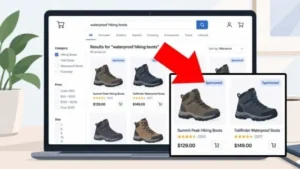
Vivien Garnès, co-CEO and co-founder of the influencer marketing platform Upfluence, noted that the eNavvi and Amazon Pharmacy partnership mirrors the "shoppable content" models seen on platforms like TikTok and Instagram. "We’ve actually been seeing this shift play out in influencer marketing," Garnès observed. "The purchase decision used to happen after the discovery moment… Now, eNavvi embedding Amazon Pharmacy into the prescribing screen is the same logic Instagram and TikTok are applying to shoppable content. Whenever and wherever a decision gets made, that’s where checkout needs to live."
In the context of a doctor’s office, the "discovery moment" is the diagnosis and the subsequent prescription. By moving the "checkout" into that same moment, the partnership reduces the cognitive and physical load on the patient, making it more likely that the treatment plan will be followed.
Addressing Inefficiencies and "Pharmacy Deserts"
The impact of this digital transformation extends beyond mere convenience; it addresses systemic inequities in healthcare access. Alys Reynders, Chief Marketing Officer at Quickbase, pointed out that the healthcare sector has long struggled with "data silos" and inefficient digital transformations.
"The collaboration between eNavvi and Amazon Pharmacy for real-time prescription orders and medication pricing has the potential to transform patient access to important treatments," Reynders said. She specifically highlighted the issue of "pharmacy deserts"—geographic areas where residents lack easy access to a physical pharmacy. As brick-and-mortar retail pharmacies continue to close locations across the U.S. due to economic pressures, digital-first fulfillment models become essential.
"Critically, the innovation will provide clinicians with direct access to real-time medication costs and availability at the point of care, which can play a key role in eliminating ‘pharmacy deserts’ and hidden fees," Reynders added. By utilizing Amazon’s nationwide delivery network, the partnership provides a "secure corridor" for prescription data, ensuring that patients in underserved or rural areas are not left behind as the economy moves toward an online-first ecosystem.
Chronology of Amazon’s Healthcare Expansion
To understand the significance of the eNavvi partnership, it is necessary to view it through the lens of Amazon’s decade-long journey into the health sector:
- 2018: Amazon acquires PillPack, a digital pharmacy startup focused on dose-packaged medications, for approximately $753 million. This provided the foundational pharmacy licenses and infrastructure.
- 2020: Amazon Pharmacy officially launches, offering Prime members discounts and home delivery.
- 2022: Amazon announces the acquisition of One Medical for $3.9 billion, signaling a major move into primary care and physical clinics.
- 2023: The launch of RxPass and the expansion of same-day delivery for medications in major metropolitan areas like Miami, Phoenix, and Seattle.
- 2024: The partnership with eNavvi, marking a deeper integration into the B2B side of healthcare by targeting the physician’s electronic health record (EHR) and prescribing interface.
Market Implications and Future Outlook
The integration of eNavvi and Amazon Pharmacy poses a significant challenge to traditional Pharmacy Benefit Managers (PBMs) and legacy retail pharmacies like CVS and Walgreens. By offering transparent, cash-pay prices that are often lower than insurance copays, Amazon is effectively bypassing the complex "rebate" system that defines much of the American pharmaceutical supply chain.
Industry analysts suggest that if this model proves successful, it could lead to a "de-linking" of pharmacy services from traditional insurance networks for many common medications. As patients become more comfortable with ecommerce-style healthcare, the expectation for price transparency and home delivery will likely become the industry standard rather than a luxury.
Furthermore, the data generated by these integrated workflows could eventually allow for better population health management. When clinicians know exactly when a medication was ordered and delivered, they can more accurately track adherence and intervene if a patient fails to receive their treatment.
In conclusion, the partnership between eNavvi and Amazon Pharmacy represents more than a technological update; it is a fundamental redesign of the patient experience. By erasing the friction between the clinical decision and the physical acquisition of medicine, the two companies are setting a new benchmark for how digital transformation can improve public health outcomes. As Alys Reynders noted, this is likely "just the beginning" of a wider movement toward a fully interconnected, patient-centric healthcare ecosystem.