Instacart Strengthens Grocery Intelligence with Acquisition of Computer Vision Firm Arpalus to Solve Inventory Gaps

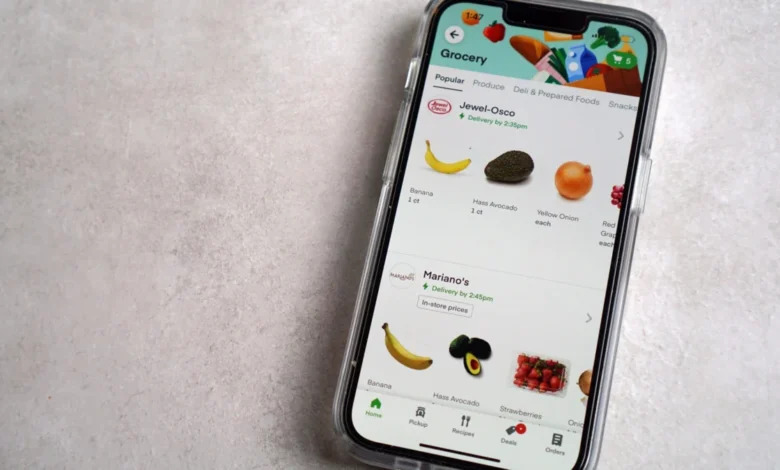
Instacart, the leading grocery technology company in North America, has announced the acquisition of Arpalus, a specialized computer vision startup focused on providing real-time shelf visibility for retailers. This strategic move marks a significant expansion of Instacart’s "Physical AI" capabilities, aimed at solving one of the most persistent and costly challenges in the grocery industry: the discrepancy between what is listed in a digital catalog and what is actually available on physical store shelves. By integrating Arpalus’s advanced image recognition technology into its existing suite of tools, Instacart intends to provide retailers and shoppers with a more accurate, real-time view of inventory, thereby reducing out-of-stock incidents and improving the overall efficiency of the fulfillment process.
The acquisition comes at a pivotal moment for Instacart as it transitions from a delivery-centric marketplace to a comprehensive technology partner for brick-and-mortar grocers. While the financial terms of the deal were not disclosed, the integration of Arpalus technology represents a major step forward in Instacart’s "Connected Stores" initiative. This vision focuses on blending the ease of online shopping with the immediacy of in-store experiences through the use of sensors, smart carts, and artificial intelligence.
The Technological Edge of Arpalus
Arpalus has distinguished itself in the crowded field of computer vision by tailoring its technology specifically for the complex and often chaotic environment of the grocery store. Unlike generic image recognition software, Arpalus’s systems are designed to operate effectively under the less-than-ideal conditions common in retail settings, such as inconsistent lighting, crowded aisles, and unreliable Wi-Fi connectivity.
One of the primary technical hurdles in grocery computer vision is the high degree of similarity between products. On a typical grocery shelf, dozens of different varieties of the same brand—such as yogurt flavors or types of pasta—may be placed side-by-side in nearly identical packaging. Arpalus’s technology is engineered to differentiate between these subtle variations with a high degree of precision. According to data provided by Instacart, the Arpalus system can identify products with an average accuracy of 95%, a benchmark that is critical for maintaining reliable inventory data.
The technology works by converting video and images of store shelves into actionable data. By analyzing these visual inputs, the AI can determine exactly which items are in stock, which are running low, and which have been misplaced. This information is then relayed back to the retailer’s inventory management system and to the Instacart platform, ensuring that the digital storefront reflects the physical reality of the store.
Strategic Integration into the Instacart Ecosystem
Instacart plans to deploy Arpalus’s technology across multiple touchpoints within its ecosystem, primarily focusing on its network of approximately 600,000 shoppers. These shoppers, who are already using the Instacart app to fulfill orders, will now be able to contribute to a massive, real-time data collection effort. As they move through the aisles, the integrated computer vision tools will allow them to capture shelf data seamlessly, essentially turning the shopper network into a distributed sensor array.
This real-time data feed is expected to significantly improve order fulfillment metrics. Historically, undetected out-of-stock items have been a primary driver of customer dissatisfaction, leading to unwanted substitutions, refunds, and lost revenue for both the retailer and Instacart. By providing shoppers with more accurate information about product locations and availability, Instacart aims to streamline the "picking" process, reducing the time spent searching for items and increasing the likelihood that a customer receives exactly what they ordered.
Beyond the shopper app, the Arpalus acquisition will bolster Instacart’s B2B offerings, specifically "Store View" and "Caper Carts." Store View is a computer vision solution launched in early 2025 that provides retailers with a "digital twin" of their stores, allowing managers to monitor shelf health and store conditions remotely. The integration of Arpalus will enhance the granularity and frequency of these updates. Furthermore, the technology will be incorporated into Caper Carts—Instacart’s AI-powered smart shopping carts. These carts use cameras and sensors to automatically tally items as they are placed in the basket, and the addition of Arpalus’s specialized vision models will further refine the cart’s ability to recognize products in real-time.
The Economic Impact of Out-of-Stocks
The acquisition addresses a multi-billion-dollar problem. Industry studies consistently show that out-of-stock items cost retailers significantly in lost sales and diminished customer loyalty. According to data from the IHL Group, out-of-stocks and overstocks result in a $1.1 trillion loss for retailers globally each year. In the grocery sector, where margins are notoriously thin and product turnover is high, the ability to maintain accurate inventory is a major competitive advantage.
For Instacart, the stakes are equally high. As the company competes with other delivery giants like DoorDash, Uber Eats, and Amazon, the quality of the user experience is a key differentiator. A customer who frequently receives substitutions or finds that half their order is unavailable is likely to churn. By using AI to close the gap between the app and the shelf, Instacart is attempting to build a more reliable and "stickier" platform for consumers.
Chronology of Instacart’s Technological Evolution
The purchase of Arpalus is the latest in a series of strategic moves intended to solidify Instacart’s position as a technology leader in the retail space.
- Early 2020s: Instacart began heavily investing in its "Enterprise" wing, offering white-label e-commerce solutions to retailers who wanted to maintain their own digital presence.
- 2021-2022: The company acquired Caper AI, the creator of smart shopping carts, signaling a move into physical store hardware.
- 2024: Instacart expanded its partnerships with major retailers like Kroger, Schnucks, and ShopRite to deploy Caper Carts and other "Connected Store" technologies.
- April 2025: The launch of "Store View" marked the company’s formal entry into the store monitoring and management space.
- July 2025: Instacart announced major marketplace expansions, including a partnership with Tractor Supply to facilitate one-hour delivery for outdoor and rural lifestyle products.
- Present: The acquisition of Arpalus integrates specialized computer vision to refine the data layer underlying all these previous innovations.
Official Responses and Market Analysis
David McIntosh, Instacart’s Chief Connected Stores Officer, emphasized the importance of high-quality data in the company’s long-term strategy. “With our leadership in Physical AI for grocery retail and by activating our network of shoppers, we can feed even more accurate shelf information back into our models,” McIntosh stated. He noted that this virtuous cycle of data collection and model refinement would lead to "better outcomes for customers, shoppers, and our retail and brand partners."
Industry analysts view the move as an aggressive play to lock retailers into the Instacart ecosystem. By providing the hardware (Caper Carts) and the software (Store View) powered by superior AI (Arpalus), Instacart is positioning itself as the operating system for the modern grocery store.
"Instacart is no longer just a delivery company; they are becoming an essential infrastructure provider for grocers," says one retail technology analyst. "The acquisition of Arpalus allows them to offer a level of inventory intelligence that most individual grocery chains could never develop on their own. This creates a powerful incentive for retailers to deepen their partnership with Instacart rather than trying to build competing in-house solutions."
Broader Implications for the Retail Industry
The integration of Arpalus technology into Instacart’s platform has broader implications for the future of retail employment and consumer behavior. For the 600,000 shoppers on the platform, the technology may simplify their work by providing precise aisle locations and real-time availability alerts, potentially increasing their hourly earnings by allowing them to complete orders faster.
For retailers, the data generated by this technology offers a wealth of insights beyond simple inventory counts. Retailers can see how products are performing in real-time, identify patterns in shelf depletion, and even hold brands accountable for "slotting" agreements. This level of transparency is transformative for a sector that has traditionally relied on manual audits and end-of-day reports.
Furthermore, the expansion into specialized retailers like Tractor Supply and the exclusive fulfillment deal with Aldi U.S. demonstrate that Instacart’s technology is becoming versatile enough to handle diverse retail environments. Whether it is a high-volume discount grocer like Aldi or a specialized retailer with large-format items like Tractor Supply, the need for accurate, real-time inventory remains a universal pain point.
As Instacart continues to ingest data—currently boasting over 1.6 billion lifetime orders and 10 million unique daily data points—the company’s AI models will likely become increasingly predictive. The goal is a "frictionless" shopping experience where the app knows what is on the shelf before the shopper even enters the store, and where retailers can restock items before they ever run out. With the Arpalus acquisition, Instacart has secured a critical piece of the puzzle in making that automated, AI-driven future a reality.