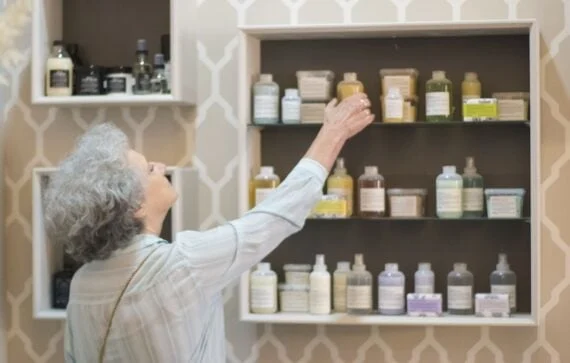
The transition from a direct-to-consumer (D2C) digital model to the physical shelves of luxury spas and resorts represents one of the most complex pivots for beauty brands in the modern retail landscape. While e-commerce success relies heavily on high-frequency digital advertising, performance marketing, and conversion rate optimization, the professional spa sector operates on a fundamentally different paradigm rooted in trust, exclusivity, and professional recommendation. For many online-native brands, the assumption that prestige in international markets will translate into automatic demand in the United States is often met with resistance from spa directors who prioritize risk mitigation and consumer familiarity over novelty.
The Paradox of Brand Familiarity in Wellness Retail
The core challenge for brands attempting to bridge the gap between their digital storefronts and the treatment rooms of high-end spas lies in a persistent paradox: while spas and wellness centers strive to offer unique, cutting-edge experiences, their retail strategy is inherently conservative. Consumers visiting a premium spa often do so to escape the unpredictability of mass-market shopping. Consequently, they tend to gravitate toward products they have previously encountered, brands endorsed by a trusted esthetician, or items that carry a level of social proof.
This consumer behavior forces spa managers to act as gatekeepers. During a recent engagement, a spa manager in California declined to stock a popular French beauty brand despite its strong performance in European and Asian markets. The manager’s reasoning was rooted in inventory turnover metrics; she noted that her clientele rarely experiments with unknown labels, preferring established products. For the retail spa, an "unknown" brand is not just a marketing challenge—it is a financial risk. Stagnant inventory on spa shelves occupies valuable square footage and ties up capital that could otherwise be utilized for high-velocity, well-known items.
The Institutional Path to Market Entry
For brands seeking to penetrate this sector, the strategy must shift from aggressive, direct-sales tactics to long-term relationship building within industry networks. Trade associations and regional collectives, such as the SoCal Spa Wellness Collective, provide a structured environment for brands to introduce themselves to decision-makers. These organizations offer a venue for collaboration, where brand representatives can engage with boutique spas and luxury retreats under the umbrella of industry growth.
The financial commitment for these ventures is significant, with annual memberships often starting around $1,100. Furthermore, specialized industry events, such as those hosted by Live Love Spa, serve as the primary marketplace for professional procurement. With booth costs frequently beginning at $4,000, these events provide direct access to dozens of spa directors in a single setting. Industry analysts suggest that while this entry cost is prohibitive for lean startups, it is often a necessary investment. The "first-mover" advantage is critical in this space; once a brand secures a flagship partnership with a prominent regional resort, it creates a "halo effect" that serves as a powerful social signal to other prospective buyers in the region.
The Failure of Traditional Digital Outreach
The reliance on cold email—a staple of the B2B SaaS and e-commerce world—has proven largely ineffective in the professional spa and wellness industry. Data suggests that while open rates for cold emails in this sector can occasionally exceed 80%, the actual conversion rate remains statistically negligible. Spa directors and managers are often inundated with administrative tasks, client coordination, and staff management, leaving little bandwidth for unsolicited digital solicitations.
However, the efficacy of communication varies by professional role. Estheticians, who work directly with the products, are more likely to engage with brands that provide educational value, whereas management is more concerned with logistics and supply chain stability. For a brand to succeed, it must identify the correct "door" to enter. Direct outreach to those who provide treatments is rarely the starting point for a retail contract. Instead, brands should focus on an incremental approach: building brand equity with the practitioners, scheduling seasonal training sessions, and establishing a baseline of professional endorsement before approaching the retail management team. This process is rarely quick; industry benchmarks indicate a timeline of approximately six months from the initial introduction to the placement of the first purchase order.
B2B vs. D2C: Redefining Key Performance Indicators
The divergence between D2C and B2B retail requirements necessitates a bifurcated marketing strategy. In the D2C world, success is measured by immediate metrics such as cost-per-acquisition (CPA), return on ad spend (ROAS), and conversion rate. In the professional spa sector, these metrics are largely irrelevant. Instead, brands must prioritize brand awareness and the quality of their digital presence as an informational resource.
Spa managers will almost exclusively perform digital due diligence on a brand before signing a contract. A professional website must feature highly structured product information, clear ingredient disclosures, and clinical-grade imagery. Key Performance Indicators (KPIs) for these brands should transition toward "branded search" volume, direct traffic to the professional portal, and the number of sample requests processed.
Furthermore, the omnichannel strategy must be carefully managed to prevent channel conflict. It is standard practice to restrict professional-use products to a gated portal requiring professional credentials and to ensure that retail-sized products sold online do not undercut the price points maintained by spa partners. Failure to enforce a Minimum Advertised Price (MAP) policy can severely damage relationships with physical retail partners, who rely on the perceived value of their exclusive retail offerings.
The Esthetician as the Primary Influencer
In the context of spa retail, the influence of a generalist lifestyle creator on social media is vastly outweighed by the professional authority of the esthetician. These professionals act as the final arbiter of quality for the consumer. Brands that invest in the education and professional development of estheticians create a loyal network of advocates who recommend products based on efficacy and skin compatibility rather than social media trends.
The "influencer" model in the spa world is fundamentally local and expert-led. A trusted professional with a modest but highly engaged, hyper-local audience will consistently drive higher retail sell-through rates than a celebrity influencer with a broad, disengaged following.
Long-term Implications for Beauty Brands
The trajectory of a successful B2B entry into the spa market is defined by patience and operational alignment. Negotiation in this sector is rarely restricted to wholesale pricing. It encompasses a holistic support structure, including staff training, replenishment agility, and the ability to fulfill seasonal needs—such as the high demand for sun protection in the summer or the necessity of makeup removers following facial treatments.
As the beauty industry continues to evolve, the distinction between "online" and "offline" brands is blurring. However, the requirement for physical presence remains a high barrier to entry. Brands that succeed in this transition are those that treat the spa not merely as a retail outlet, but as a long-term partner in a professional ecosystem. By prioritizing industry membership, professional education, and the gatekeeping authority of the esthetician, brands can successfully navigate the complexities of the physical retail market, moving from speculative entrants to entrenched, high-value assets within the luxury wellness landscape.