Navigating the Ascent: How Banking Professionals Can Transition to Higher-Impact Roles

June 6, 2023 marked a significant point in the ongoing discourse surrounding career progression within the financial services industry, particularly for those beginning their journeys in customer-facing or entry-level positions. The Corporate Finance Institute (CFI), a prominent provider of financial education and certifications, highlighted a critical pathway for banking professionals seeking to move beyond foundational roles and into more specialized, high-impact areas of their firms. This initiative, underscored by CFI’s commitment to practical, real-world training, aims to equip the next generation of financial leaders with the advanced skills necessary to tackle complex client needs and drive strategic decision-making.
The challenge for many individuals entering the banking sector is clear: starting as customer experience associates, tellers, assistants, or junior advisors often provides invaluable foundational experience in client interaction and operational processes. However, the path to occupying more senior positions, engaging with sophisticated clientele, and contributing to core financial strategies can appear opaque. CFI’s approach directly addresses this by offering targeted certification programs designed to bridge this knowledge and skill gap.
The Demand for Specialized Banking Expertise
The modern banking landscape is characterized by increasing complexity, driven by evolving regulatory environments, sophisticated financial instruments, and a growing demand for personalized wealth management and corporate finance solutions. In this dynamic milieu, the traditional progression model is being augmented by a need for specialized expertise. Banks are actively seeking professionals who can not only manage client relationships but also possess deep analytical acumen, strategic foresight, and the ability to structure complex financial transactions.
Data from industry reports consistently points to a growing demand for financial analysts, credit risk managers, and wealth management advisors. For instance, the U.S. Bureau of Labor Statistics projects a 10% growth in employment for financial analysts between 2022 and 2032, a rate faster than the average for all occupations. Similarly, demand for financial advisors is expected to grow by 7%, indicating a sustained need for professionals who can guide individuals and businesses through intricate financial planning and investment strategies. This burgeoning demand creates a fertile ground for individuals who proactively invest in their professional development and acquire specialized skill sets.
CFI’s Role in Shaping Future Banking Leaders
CFI’s mission to deliver practical, hands-on training is central to its strategy for empowering banking professionals. Unlike purely theoretical academic programs, CFI emphasizes a learning methodology that mirrors the demands of the actual financial world. This focus on actionable knowledge is particularly relevant for those aiming to transition from entry-level roles.
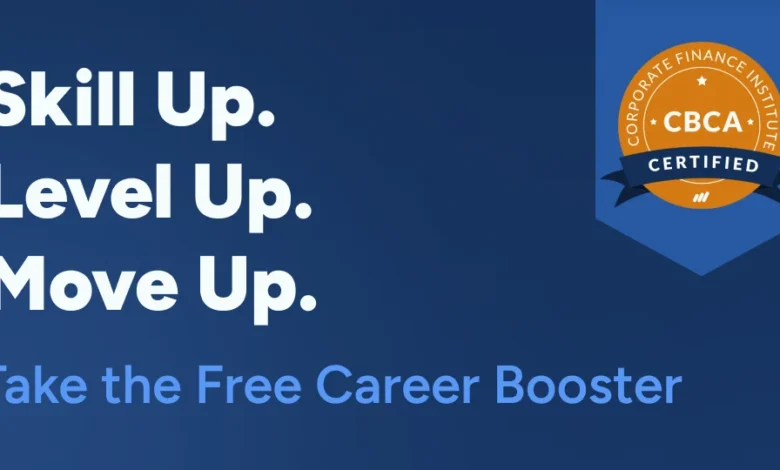
Two of CFI’s cornerstone certification programs, the Commercial Banking & Credit Analyst (CBCA) and the Financial Planning & Wealth Management Professional (FPWMP), are highlighted as particularly beneficial for ambitious banking professionals. These programs are not merely designed to impart knowledge but to cultivate the analytical frameworks and practical skills required for advanced roles.
The CBCA certification, for example, equips individuals with the competencies needed for credit analysis, loan underwriting, and financial risk assessment. This is crucial for professionals aspiring to move into roles that involve evaluating the creditworthiness of businesses, structuring loan agreements, and managing financial risk for a bank. The curriculum typically covers areas such as financial statement analysis, cash flow forecasting, industry analysis, and the preparation of credit memorandums. Mastery in these areas is essential for decision-making in commercial lending and corporate banking.
Complementing the CBCA, the FPWMP program focuses on the intricacies of financial planning, investment management, and wealth advisory services. This is vital for professionals aiming to work with high-net-worth individuals and families, guiding them through complex investment portfolios, retirement planning, estate planning, and tax strategies. The program often delves into topics like asset allocation, portfolio construction, risk management for investments, and client relationship management in the context of wealth preservation and growth.
The popularity of these certifications among "up-and-coming banking pros" suggests a strong market recognition of their value. Professionals who complete these programs are better positioned to articulate their expertise and demonstrate their readiness for more challenging assignments and promotional opportunities.
A Structured Approach to Skill Acquisition
CFI’s approach to facilitating this transition is characterized by a deliberate and accessible strategy. By inviting interested individuals to submit their contact information, CFI aims to deliver a curated selection of resources directly to their inboxes. This personalized approach ensures that learners receive content specifically tailored to the skills and career pathways emphasized by the CBCA and FPWMP programs.
The selection of resources typically includes a blend of free courses, insightful articles, and practical templates. These materials are designed to be immediately applicable, allowing professionals to integrate new knowledge and techniques into their daily work. This practical orientation is a hallmark of CFI’s educational philosophy, moving beyond abstract concepts to provide tangible tools and frameworks that can be used in real-world scenarios.
The implication of this strategy is twofold: it lowers the barrier to entry for acquiring specialized knowledge, and it provides a clear roadmap for career advancement. For an individual starting as a teller, for example, accessing articles on financial statement analysis or templates for cash flow projections can be the first step toward understanding the analytical underpinnings of commercial lending, a path that might lead to a credit analyst role. Similarly, an assistant advisor could leverage resources on investment portfolio construction to begin building the expertise required for a wealth management position.
The Real-World Application of Learning
The emphasis on "real-world use cases and institutions" is critical in an industry where theoretical knowledge must be consistently translated into practical application. Banking professionals operate in an environment where decisions have significant financial implications, and their ability to apply learned concepts effectively can directly impact client success and the profitability of their institutions.
CFI’s commitment to providing resources that are "focused, practical, and modeled after real-world use cases" ensures that learners are not just accumulating theoretical knowledge but are developing a practical toolkit. This includes understanding industry standards, regulatory considerations, and the nuances of client interactions in various financial contexts. The ability to quickly apply this learning in a daily role accelerates professional development and demonstrates immediate value to employers.
This approach fosters a culture of continuous learning and adaptation, which is essential in the rapidly evolving financial sector. As new financial products emerge, regulations change, and market dynamics shift, professionals who are equipped with practical, adaptable skills are better positioned to navigate these changes and maintain their competitive edge.
Broader Impact and Future Outlook
The initiative by CFI to guide banking professionals toward higher-impact roles has broader implications for the financial services industry as a whole. By investing in the development of its workforce, banks can foster a more skilled and specialized talent pool. This, in turn, can lead to improved client service, more robust risk management, and enhanced financial innovation.
The trend of professionals seeking specialized training also reflects a shift in career aspirations. Many individuals are no longer content with traditional, linear career paths. Instead, they are actively seeking opportunities to deepen their expertise, take on greater responsibility, and make a more significant contribution to their organizations. Certifications like the CBCA and FPWMP serve as tangible indicators of this ambition and the skills acquired to achieve it.
As the financial industry continues to embrace technological advancements and adapt to global economic shifts, the need for highly skilled and specialized professionals will only intensify. CFI’s focus on practical, hands-on enablement positions it as a key player in shaping the future of banking talent, empowering individuals to not only advance their careers but also to contribute to the stability and growth of the financial ecosystem. The journey from a customer experience associate to a high-impact financial strategist is now more clearly defined, thanks to structured programs that bridge the gap between foundational knowledge and advanced expertise. The explicit call to action – "Happy learning!" – encapsulates CFI’s dedication to fostering a community of lifelong learners committed to professional excellence in the banking sector.
Related posts: