TreeSize’s Perpetual License Policy Shift Sparks Debate Over Software Ownership and Subscription Models

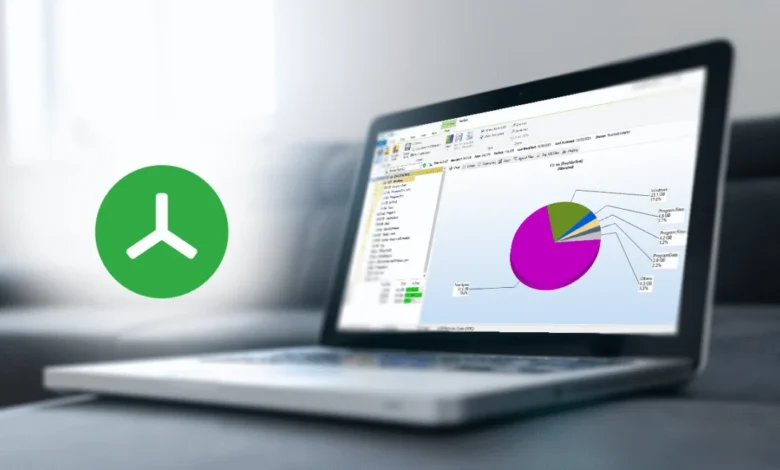
The recent controversy surrounding the software utility TreeSize, developed by JAM Software, has ignited a broader discussion within the tech community regarding the enduring implications of perpetual software licenses versus the increasingly dominant subscription model. At the heart of the issue lies TreeSize’s updated policy, which restricts the indefinite availability of older software versions and their associated license keys for download, a move that has drawn criticism from users who perceived their "perpetual" licenses as guaranteeing lifelong access to any version they purchased.
This policy shift, while described by JAM Software as a long-standing practice, has brought into sharp relief the evolving landscape of software monetization and the expectations of consumers who often operate under the assumption that a one-time purchase of a perpetual license grants them unfettered and permanent rights to the software as it existed at the time of purchase. The backlash underscores a fundamental disconnect between these user expectations and the evolving business strategies of software vendors, many of whom are prioritizing recurring revenue streams through subscription services.
TreeSize, a powerful disk space analysis tool, has long been a staple for individuals and businesses seeking to understand and manage their storage efficiently. Its ability to identify large files, duplicate data, and track storage consumption over time has made it an invaluable asset. However, the company’s decision to limit the indefinite availability of older versions and their activation keys has left some long-time users feeling disenfranchised, particularly those in business environments where stability and predictable access to specific software versions are paramount.
The Rationale Behind JAM Software’s Policy
According to a representative from JAM Software, the decision to limit indefinite access to older versions stems from a confluence of factors, primarily centered on security, supportability, and operational overhead. "Making these available for download indefinitely and without restriction is something we consider a risk to our customers, particularly in business environments," stated the representative. "There’s also the technical and organizational overhead of maintaining and supporting old versions and their associated keys indefinitely."
This explanation points to the practical challenges faced by software developers in keeping legacy software secure and functional. Older versions may contain vulnerabilities that have been patched in newer releases, and maintaining support for a multitude of outdated versions can strain resources, diverting attention from innovation and the development of current products. The complexity of managing activation keys for an ever-growing archive of past software iterations also contributes to this operational burden.
To mitigate the impact on their customer base, JAM Software asserts that they proactively inform users about the end of their maintenance periods. "To make sure customers aren’t caught off guard, we proactively notify them by email, well before their maintenance ends, to back up their installation file and license key themselves," the representative explained. "This is meant to ensure no one loses access to software they’ve already purchased." This communication strategy aims to empower users to retain access to the software they own by encouraging them to create personal backups of the installation files and license keys.
The Subscription Model Debate
The TreeSize situation inevitably raises the question of whether a subscription model is a more appropriate or sustainable approach for software like a disk space analyzer, especially when considering the existence of free alternatives. While free tools like WinDirStat offer basic functionality, they often lack the advanced features and comprehensive support that users of paid software expect. TreeSize’s free version, for instance, omits capabilities such as duplicate file searching, deduplication, and historical disk space comparison, and is explicitly not intended for business use.
The shift towards subscriptions in the software industry is a well-documented trend. Over the past decade, numerous vendors have transitioned from perpetual licenses to subscription-based models. This transition is driven by the desire for predictable and recurring revenue, which can facilitate more consistent investment in research and development, ongoing support, and product updates. For software companies, this model offers a more stable financial foundation compared to the often-unpredictable nature of one-time perpetual license sales.
Christ from JAM Software acknowledged that the recent changes have been "frustrating for some customers." When pressed about requests for refunds, the company’s stance is clear: "since our customers do receive what was agreed, namely indefinite use of the software version they purchased, we don’t consider a refund to be warranted." This position is based on the interpretation that the perpetual license grants indefinite use of that specific version of the software, not necessarily access to future versions or the perpetual availability of download links for older iterations.
Broader Implications for Software Ownership
The TreeSize controversy is a microcosm of a larger debate about the evolving definition of software ownership in the digital age. For many consumers, a "perpetual license" historically implied a one-time purchase that granted them permanent rights to use the software indefinitely, much like buying a physical book or a piece of music. The advent of subscription models, while offering benefits like continuous updates and access to the latest features, challenges this traditional understanding.
This shift can create a sense of perceived loss for consumers who have invested in perpetual licenses, especially when vendors begin to deprecate older versions or restrict access to them. The rationale often cited by vendors – the cost and complexity of maintaining legacy systems and the need for predictable revenue to fund ongoing development – is often at odds with the user’s perception of having "bought" a product outright.
A Chronology of Evolving Software Licensing
While the specific details of TreeSize’s policy change are recent, the trend towards subscription models has been building for years.
- Early 2000s: Perpetual licenses were the dominant model for most software. Users purchased a license and owned that version of the software indefinitely.
- Mid to Late 2000s: The rise of Software-as-a-Service (SaaS) began to introduce subscription-based models, particularly for web-based applications and business software.
- Early 2010s: A significant number of prominent software companies, including Adobe (with its Creative Cloud suite), began transitioning their flagship products from perpetual licenses to subscription models. This move was met with considerable user pushback but ultimately became a widespread industry standard.
- Mid to Late 2010s: The subscription model became increasingly pervasive across various software categories, including productivity suites, operating systems, and specialized utility software. Vendors began to rationalize the move by emphasizing continuous updates, cloud integration, and improved security.
- Early 2020s: The COVID-19 pandemic further accelerated the adoption of digital solutions and subscription services. Businesses and individuals became more accustomed to recurring payments for software access.
- Present Day: As exemplified by the TreeSize situation, the legacy of perpetual licenses continues to create friction. Users who purchased software under older licensing models are now encountering policies that reflect the industry’s shift towards recurring revenue, leading to debates about what "perpetual" truly means in a subscription-driven world.
Supporting Data and Industry Trends
The shift to subscription models is not an isolated phenomenon. Data from various market research firms consistently shows a strong growth trajectory for subscription-based software. For instance, reports from Statista and other industry analysts have indicated that the global software market is increasingly dominated by subscription revenue, with significant year-over-year growth in this segment. This trend is fueled by the perceived benefits for vendors, including:
- Predictable Revenue Streams: Recurring revenue allows for more accurate financial forecasting and investment planning.
- Customer Retention: Subscription models foster ongoing relationships with customers, providing opportunities for upselling and cross-selling.
- Faster Innovation Cycles: Consistent revenue enables companies to invest more heavily in research and development, leading to more frequent product updates and feature enhancements.
- Reduced Piracy: Subscription models, often tied to online activation and validation, can help mitigate software piracy.
However, this shift also presents challenges. For consumers, it can lead to increased long-term costs compared to a one-time perpetual license purchase. It also means that if a user stops paying for a subscription, they lose access to the software entirely, even if they have previously used it for many years. This can be particularly concerning for critical business applications where continuity is essential.
Analysis of Implications
The TreeSize incident serves as a valuable case study in the ongoing evolution of software licensing. It highlights the importance of clear communication from software vendors regarding their licensing terms and future policies. For consumers, it underscores the need to carefully review licensing agreements and understand the implications of both perpetual and subscription models.
For businesses, the implications are significant. Reliance on software with uncertain long-term availability or support can pose a risk to operations. The shift to subscriptions requires careful budgeting and strategic planning to ensure that essential software remains accessible and supported. The decision to restrict access to older versions, while justifiable from a vendor’s perspective, can create disruptions for businesses that have workflows tied to specific, older software iterations.
The ongoing tension between user expectations of perpetual ownership and vendor imperatives for recurring revenue is likely to persist. As the software industry continues to mature and innovate, finding a balance that satisfies both the economic realities of development and the legitimate expectations of consumers will remain a critical challenge. The TreeSize controversy, while specific to one software product, is a symptom of this broader industry-wide redefinition of software ownership and access. It forces a reconsideration of what it means to "own" software in an era increasingly defined by services and recurring access rather than outright purchase.