The Forrester Wave™: Workday Services, Q2 2026 Reveals a Maturing Market Demanding Strategic Transformation Partners

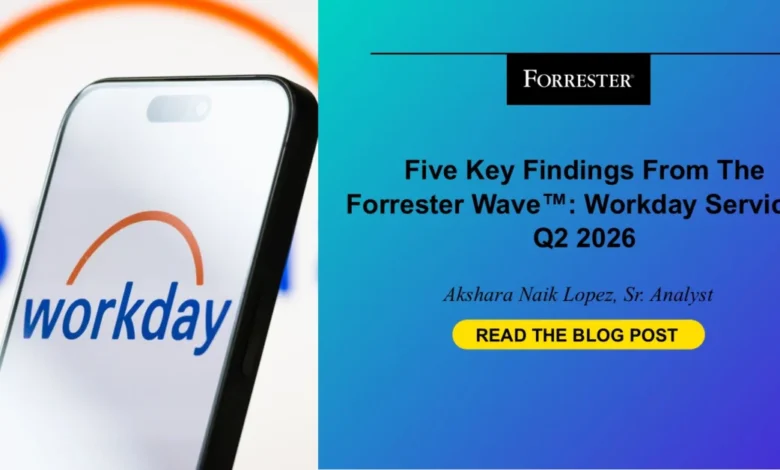
The global Workday services market has demonstrably shifted from a transactional focus on project delivery to a more strategic engagement model, as highlighted in the latest Forrester Wave™: Workday Services, Q2 2026 report. This comprehensive evaluation, which assessed 14 leading Workday service providers, underscores a critical evolution in buyer expectations. Organizations are no longer content with partners who can merely implement Workday on time and within budget; they are now actively seeking strategic allies capable of driving continuous transformation, seamlessly integrating artificial intelligence (AI) into their operations, and maximizing the long-term value derived from their Workday platform investments long after the initial go-live phase.
This paradigm shift signifies a maturing market where the initial hurdles of system deployment have largely been cleared. The focus has moved upstream and downstream, encompassing a deeper understanding of business processes, the strategic application of technology, and the ongoing optimization required to stay competitive in a rapidly evolving business landscape. Forrester’s research, building upon insights from their earlier Workday Services Landscape report in Q4 2025, identifies five key themes that are shaping this new era of Workday service delivery.
The Rise of Workday as an Enterprise Transformation Platform
A significant observation from the Q2 2026 evaluation is the increasing positioning of Workday not just as a human capital management (HCM) or financial management system, but as a foundational platform for broader enterprise transformation. The strongest providers are aligning their service offerings to this vision, differentiating themselves through a suite of advanced capabilities. These include AI-enabled consulting services, which leverage artificial intelligence to provide deeper insights and more proactive guidance. Proprietary accelerators, developed by service providers to streamline implementation and optimize specific functionalities, are also gaining prominence.
Furthermore, the development of industry-specific AI solutions tailored to the unique challenges and opportunities within sectors such as healthcare, financial services, and retail, is becoming a key differentiator. Agent-based automation, designed to automate routine tasks and improve operational efficiency, is another area where leading firms are showcasing their innovation. Crucially, these providers are demonstrating a commitment to ongoing innovation programs that are closely aligned with Workday’s own product roadmap, ensuring their clients benefit from the latest advancements and can adapt to future technological shifts. This strategic alignment allows organizations to view their Workday investment as a dynamic engine for continuous improvement and competitive advantage, rather than a static software solution.
Beyond Deployment: A Focus on Continuous Value Realization
The traditional view of Workday implementation as a discrete project with a defined end-point is rapidly becoming obsolete. Buyers are increasingly looking beyond the initial deployment phase and demanding that their service partners demonstrate a commitment to ongoing optimization, user adoption, efficient release management, and robust managed services. This signifies a fundamental shift towards a philosophy of continuous value realization.
Leading providers are recognizing this demand and are expanding their service portfolios to encompass these critical post-implementation phases. This includes a greater emphasis on strategies and tools that ensure users effectively adopt the Workday platform, maximizing its utilization and driving user proficiency. Effective release management, ensuring clients can seamlessly integrate new Workday features and updates without disrupting operations, is another area of increasing importance. Managed services, providing ongoing support and maintenance, are evolving to include proactive performance monitoring, issue resolution, and strategic guidance. Many firms are now embedding the principles of long-term value realization and continuous improvement into the very core of their service strategies, positioning themselves as long-term partners in their clients’ success. This approach acknowledges that the true power of Workday is unlocked through sustained engagement and a commitment to adapting and evolving with the business.
The Growing Importance of Industry-Specific Expertise
As Workday’s capabilities expand beyond its traditional HCM and finance roots into areas like advanced planning, payroll, comprehensive workforce management, and specialized industry use cases, the demand for deep industry knowledge among service providers is intensifying. Buyers in sectors such as healthcare, financial services, the public sector, retail, and utilities are actively seeking partners who possess a nuanced understanding of their unique operational models, regulatory landscapes, and sector-specific challenges.
This specialized expertise translates into tangible benefits for clients. Providers with deep industry knowledge can offer tailored solutions that accelerate time-to-value by leveraging pre-built industry templates, regulatory compliance frameworks, and best practices. For instance, a healthcare provider might require a Workday partner with expertise in managing complex staffing models, adhering to HIPAA regulations, and optimizing patient billing processes. Similarly, a financial institution would benefit from a partner familiar with stringent compliance requirements, risk management, and the intricacies of global financial reporting. This trend highlights the increasing complexity of Workday deployments and the need for service providers to move beyond generic implementation skills to become true domain experts. The ability to speak the client’s language and understand their industry’s specific pain points is becoming a critical factor in partner selection.
The Enduring Significance of Certified Talent and Global Delivery Capabilities
In an increasingly competitive global labor market, the ability to attract, develop, and retain highly skilled Workday expertise remains a paramount predictor of execution success for service providers. The most successful firms have made substantial investments in building robust capabilities in this area. This includes a strong emphasis on Workday-certified talent, ensuring that consultants possess the necessary credentials and up-to-date knowledge of the platform.
Beyond individual certifications, these leading providers have also honed their global delivery capabilities, enabling them to serve clients across different geographies with consistent quality and efficiency. This often involves establishing Centers of Excellence (CoEs) and leveraging a distributed workforce model. Furthermore, the implementation of rigorous governance frameworks and quality control measures is crucial for ensuring that projects are delivered to the highest standards, regardless of location. These frameworks provide structure, accountability, and a systematic approach to project management, risk mitigation, and stakeholder communication. The ability to consistently deliver high-quality Workday services on a global scale, backed by a deep pool of certified talent and strong operational controls, is a significant competitive advantage and a key factor in building client trust.
The Continued Relevance of Boutique Partners Alongside Global Integrators
While global systems integrators continue to dominate large-scale enterprise transformations, the market also recognizes the enduring relevance and strategic importance of specialized boutique Workday service partners. These smaller, more focused firms often excel in serving midmarket organizations or clients with highly specific functional expertise requirements.
Boutique partners frequently compete effectively by offering a compelling combination of strong governance, deep customer intimacy, a nimble approach to innovation, and specialized Workday capabilities. Their smaller size can allow for more personalized service and a greater ability to adapt to unique client needs. They often foster a culture of close collaboration and partnership, understanding that building strong relationships is key to client satisfaction. This trend, which was first identified in earlier Forrester evaluations, continues to shape the Workday services landscape, demonstrating that the market values a diverse range of provider types, each catering to different organizational needs and preferences. The choice between a large integrator and a specialized boutique often hinges on the scale of the project, the desired level of specialization, and the importance of a highly personalized client experience.
What This Means For Buyers: A Strategic Approach to Partner Selection
The findings from The Forrester Wave™: Workday Services, Q2 2026 have profound implications for organizations looking to select and engage with Workday service partners. The era of prioritizing implementation capacity above all else is over. Buyers must now adopt a more holistic and strategic approach, evaluating potential partners based on their demonstrable ability to support broader business transformation initiatives, their commitment to responsible AI integration, their depth of industry-specific expertise, and their clear roadmap for achieving continuous value realization.
The ideal Workday partner for a complex global finance transformation may differ significantly from the provider best suited for a midmarket human capital management deployment or a highly regulated industry environment. Organizations need to carefully assess their specific needs, strategic objectives, and the unique characteristics of their industry when making these critical partnership decisions. A thorough due diligence process should go beyond examining resumes and project portfolios; it should delve into the provider’s strategic vision, their innovation pipeline, their approach to client collaboration, and their long-term commitment to partnership.
Navigating the Blurring Lines Between Technology and Transformation
As Workday continues to expand its integrated suite across human resources, finance, planning, payroll, and increasingly AI-enabled workflows, the traditional distinctions between technology implementation and holistic business transformation are becoming increasingly blurred. The platform is no longer viewed as a standalone system but as a critical enabler of strategic business objectives.
Organizations that align their partner selection process with their overarching long-term transformation goals will be best positioned to unlock the full potential of their Workday investments. This means choosing partners who understand not only the technology but also the business outcomes that the technology is intended to drive. By embracing this strategic perspective, businesses can ensure that their Workday journey is not merely about deploying software, but about fundamentally transforming how they operate, compete, and thrive in the years to come. The selection of a Workday services partner is, therefore, a strategic decision that can have a lasting impact on an organization’s agility, efficiency, and competitive edge.
Forrester clients seeking further clarification or personalized guidance on the Workday services market are encouraged to schedule a dedicated guidance session. Workday services providers interested in engaging with Forrester for advisory services can reach out through their designated Forrester account representatives.