How HubSpot AI Notetaker is Transforming Sales Efficiency, CRM Data Hygiene, and Managerial Coaching

Modern sales organizations face an ongoing operational dilemma: how to maximize the time sales representatives spend actively engaging with prospects while ensuring that critical conversation details are accurately captured, logged, and acted upon. For decades, the traditional approach relied on manual note-taking—a method prone to human error, missed context, and significant administrative fatigue. Reps frequently found themselves toggling between active listening and frantic transcription, leading to incomplete CRM records and delayed follow-ups. In response to this industry-wide bottleneck, HubSpot has introduced its AI Notetaker, an advanced native integration designed to automate meeting transcription, post-call analysis, and customer relationship management (CRM) updates across major video conferencing platforms.
Designed specifically for users operating within HubSpot’s Sales Hub and Service Hub ecosystems, the AI Notetaker represents a significant leap forward in conversational intelligence. By seamlessly embedding itself into everyday workflows, the tool aims to eliminate manual data entry, streamline pipeline visibility, and provide sales leaders with actionable coaching data derived straight from buyer interactions.

Core Architecture and Functional Mechanics
At its core, the HubSpot AI Notetaker functions as an intelligent virtual assistant capable of joining, recording, transcribing, and analyzing customer meetings hosted on Zoom, Google Meet, and Microsoft Teams. Unlike third-party applications that require complex external integrations and separate software subscriptions, HubSpot’s solution operates natively within the Smart CRM framework.
The operational lifecycle of the tool begins before a call even starts. Once a Super Administrator enables the feature at the account level and configures global governance parameters, sales representatives can connect their respective calendars. For a meeting to be deemed eligible by the system, it must fulfill specific programmatic criteria: it must be scheduled or stored within HubSpot, utilize a supported video conferencing platform link, and include at least one external participant whose email domain differs from the host organization. This intelligent filtering ensures that internal gatherings, such as daily team standups or routine administrative check-ins, are automatically bypassed, preserving valuable processing credits and keeping data focused strictly on external revenue-generating opportunities.

Upon entering a meeting, the Notetaker announces its presence through multi-channel notifications, including platform-specific chat messages and audio cues, ensuring transparency for all participants. Once the session concludes, the tool executes a rapid diagnostic of the transcript alongside existing deal parameters stored in the CRM. Within minutes, it generates a comprehensive meeting summary, extracts designated action items that can be instantly converted into trackable tasks, drafts personalized follow-up emails, and recommends property updates for active deals.
Data Governance and Smart Data Capture Configuration
A critical challenge facing enterprise software deployments is balancing automation with data accuracy. HubSpot addresses this challenge by embedding human-in-the-loop validation mechanisms into the Notetaker workflow. Rather than blindly executing automated updates that could potentially corrupt pipeline metrics, the system presents its recommendations to the sales representative for final review and approval. Reps retain full editorial control, allowing them to accept, modify, or dismiss suggested CRM modifications, task allocations, and summary notes before they are permanently logged against contact and deal records.

For revenue operations (RevOps) administrators and Vice Presidents of Sales, the platform offers granular configuration options. Through the Smart Data Capture settings, administrators can dictate which CRM properties are eligible for AI-driven recommendations. While standard properties process without incurring additional resource costs, custom properties consume designated processing credits per transcript run. Industry analysts note that this credit consumption model encourages organizations to be strategic about which data fields are automated, particularly concerning forecast-sensitive metrics. Many sales engineering best practices recommend keeping automated updates disabled for high-stakes pipeline stages until reps have thoroughly vetted the AI output, thereby maintaining strict integrity within forecasting models.
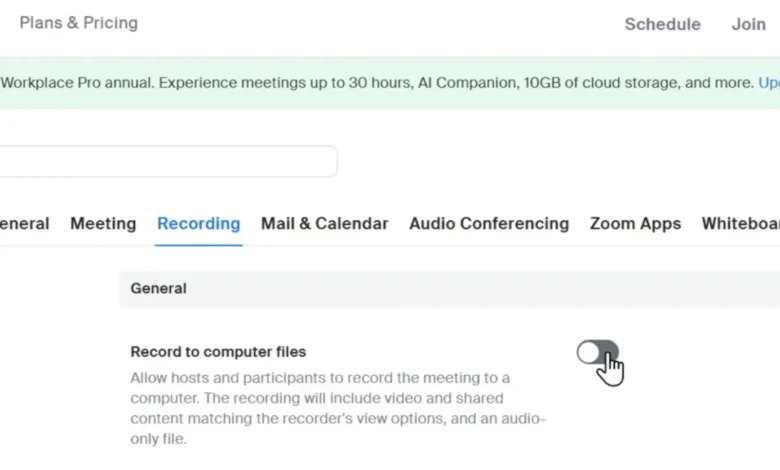
Furthermore, privacy and consent management have been engineered directly into the system’s deployment protocol. Administrators can establish pre-meeting consent requirements, triggering automated notification emails to invitees ahead of schedule. If required by corporate policy or regional regulatory standards, organizations can mandate that recording only proceeds upon explicit confirmation from all participating parties. Furthermore, meeting hosts retain the authority to admit or restrict the Notetaker from waiting rooms, or to remove the bot entirely at any point during a live call.
Managerial Coaching and Pipeline Inspection

Beyond individual time savings, the integration of conversational intelligence into HubSpot’s ecosystem provides sales managers with unprecedented visibility into team performance and deal health. Historically, sales coaching relied heavily on self-reported CRM notes and occasional, unscalable call shadowing. With the AI Notetaker, every qualifying customer conversation is automatically transcribed and indexed alongside the corresponding deal record.
Sales leaders can now establish systematic review cadences, auditing transcripts and AI summaries to evaluate messaging efficacy, objection handling, and product positioning. By reviewing what a buyer actually stated during a negotiation against the stated status of the deal in the CRM, managers can identify discrepancies, coach reps on missed discovery opportunities, and accurately forecast quarterly revenue.
This synergy between meeting intelligence and pipeline management is further amplified by HubSpot’s Smart Deal Progression features. As conversational insights flow seamlessly into deal properties, managers gain a real-time pulse on market sentiment and deal momentum without demanding hours of administrative reporting from their teams. This reduction in administrative friction directly correlates with higher employee satisfaction and reduced burnout among front-line sales professionals.

Market Implications and the Future of Sales Automation
The launch and broad market integration of native AI notetaking tools reflect a broader macroeconomic shift within the enterprise software sector. As artificial intelligence transitions from an experimental novelty to a core infrastructure requirement, B2B buyers increasingly expect their primary platforms to offer built-in automation that eliminates repetitive, low-value tasks.
By embedding AI directly into Sales Hub and Service Hub—spanning Starter, Professional, and Enterprise tiers—HubSpot is aggressively lowering the barrier to entry for advanced conversational analytics. Competitors in the CRM and sales engagement space are similarly racing to deliver frictionless transcription and data-logging capabilities, signaling that AI-driven administrative relief is rapidly becoming a baseline expectation rather than a premium differentiator.

Industry observers suggest that the long-term implications of these technologies extend far beyond time management. As machine learning models process millions of hours of sales conversations, organizations will be better equipped to identify macro trends in buyer behavior, refine ideal customer profiles (ICPs), and dynamically adjust sales playbooks based on empirical linguistic data.
For sales teams adopting the HubSpot AI Notetaker, the immediate benefits are clear: reduced administrative overhead, enhanced data hygiene within the CRM, and sharper, data-backed managerial coaching. By establishing rigorous guardrails around data privacy, property automation, and review workflows, organizations can successfully harness the power of conversational AI while maintaining absolute control over their operational narratives. As these tools continue to mature, the traditional notebook and the hastily typed post-call recap are destined to become relics of a bygone era in enterprise commerce.
Related posts: