Family Dollar faces massive 63 million dollar settlement following systemic price gouging allegations


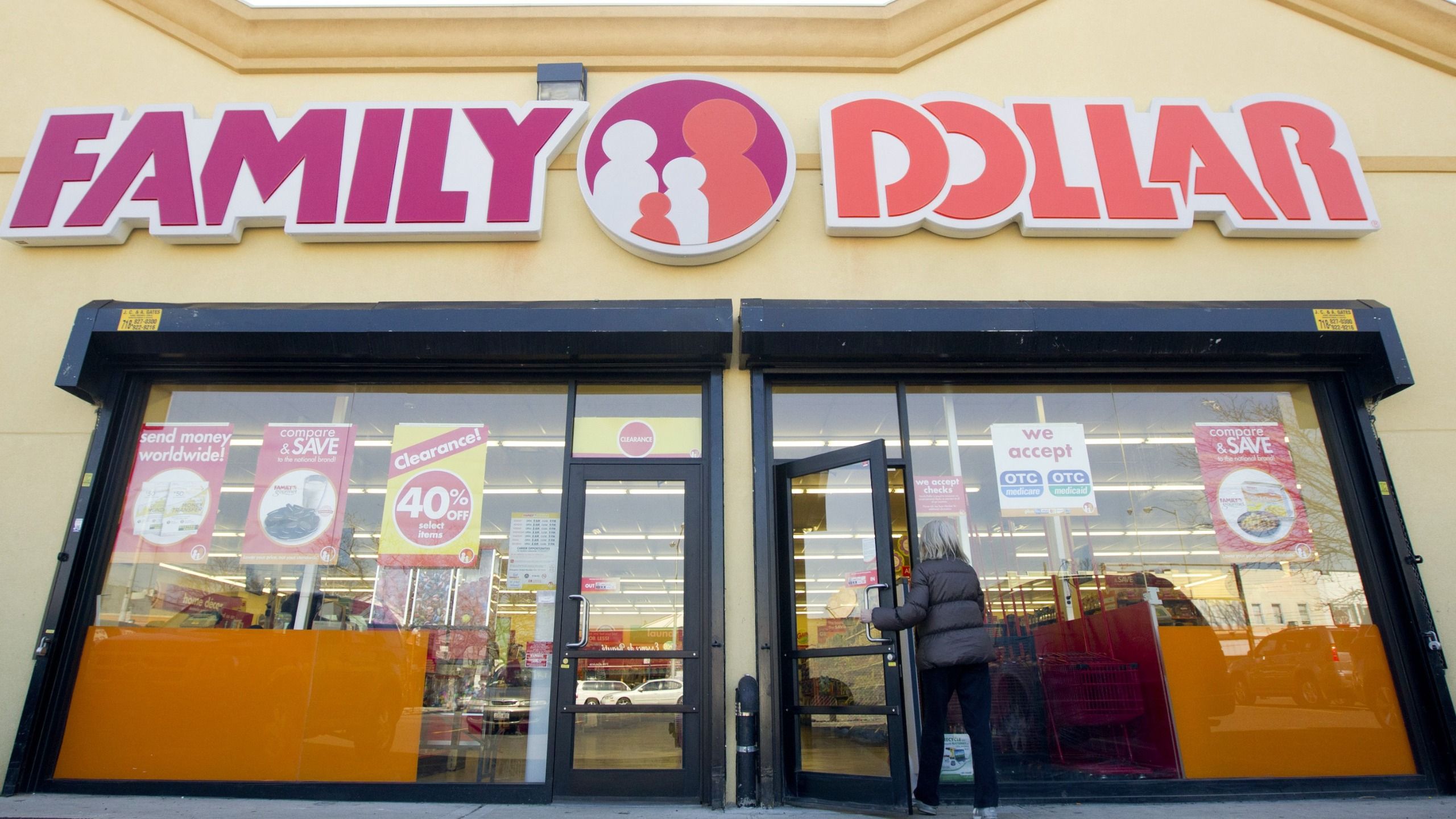
The Federal Trade Commission (FTC), in coordination with a coalition of 17 states, officially announced a landmark $63 million settlement with discount retail giant Family Dollar on November 12, 2026. This legal resolution follows an exhaustive investigation into widespread allegations that the retailer consistently overcharged customers at checkout, with the final price paid often significantly exceeding the shelf tags, circular advertisements, and digital pricing displayed on the company’s mobile application. The settlement mandates a comprehensive overhaul of the company’s pricing infrastructure and includes a substantial $40 million consumer redress fund, marking one of the most significant enforcement actions against a national retailer for deceptive pricing practices in recent years.
The core of the FTC’s complaint centers on a systemic failure in the chain of communication between Family Dollar’s central pricing databases and its point-of-sale (POS) systems at individual store locations. According to investigators, the retailer frequently pushed automated price increases to cash registers without conducting the necessary labor-intensive updates to physical shelf labels or the digital interfaces used by customers to plan their purchases. This discrepancy led to a persistent pattern where shoppers would select items based on a lower advertised price, only to be charged a higher amount at the register. Because these discrepancies often involved small increments on everyday household essentials, many consumers were either unaware of the overcharge or found the cost of challenging the discrepancy at the counter to be an inefficient use of time.
A Chronology of Regulatory Friction
The path to this settlement was paved by years of mounting evidence collected by state and local weights and measures agencies. Between 2022 and 2025, regulators conducted over 1,000 separate inspections across hundreds of Family Dollar storefronts. The findings were statistically alarming: in some regions, failure rates were staggering. In Ohio, for example, inspectors discovered that up to 83% of the items audited in certain stores did not match their advertised prices. Even in states with better performance metrics, such as Florida, the failure rate hovered around 19%.
These inspections culminated in over 2,000 individual citations and fines against the retailer, totaling at least $3 million during that three-year period. Despite these localized penalties, the issues persisted well into 2026. The recurring nature of these violations eventually triggered the involvement of the FTC, which categorized the practice as an unfair and deceptive act or practice under the Federal Trade Commission Act. By escalating the matter to a federal level, regulators aimed to force a structural change that individual state-level fines had failed to achieve.
The Mechanism of Deception
The FTC’s report highlights three distinct areas where the pricing integrity of Family Dollar stores collapsed. First, the lack of synchronization between central office updates and in-store shelf maintenance created a "price drift." As the company updated its inventory management system to reflect inflation or changing supplier costs, the physical stores—often understaffed—failed to keep pace with the necessary manual tagging.
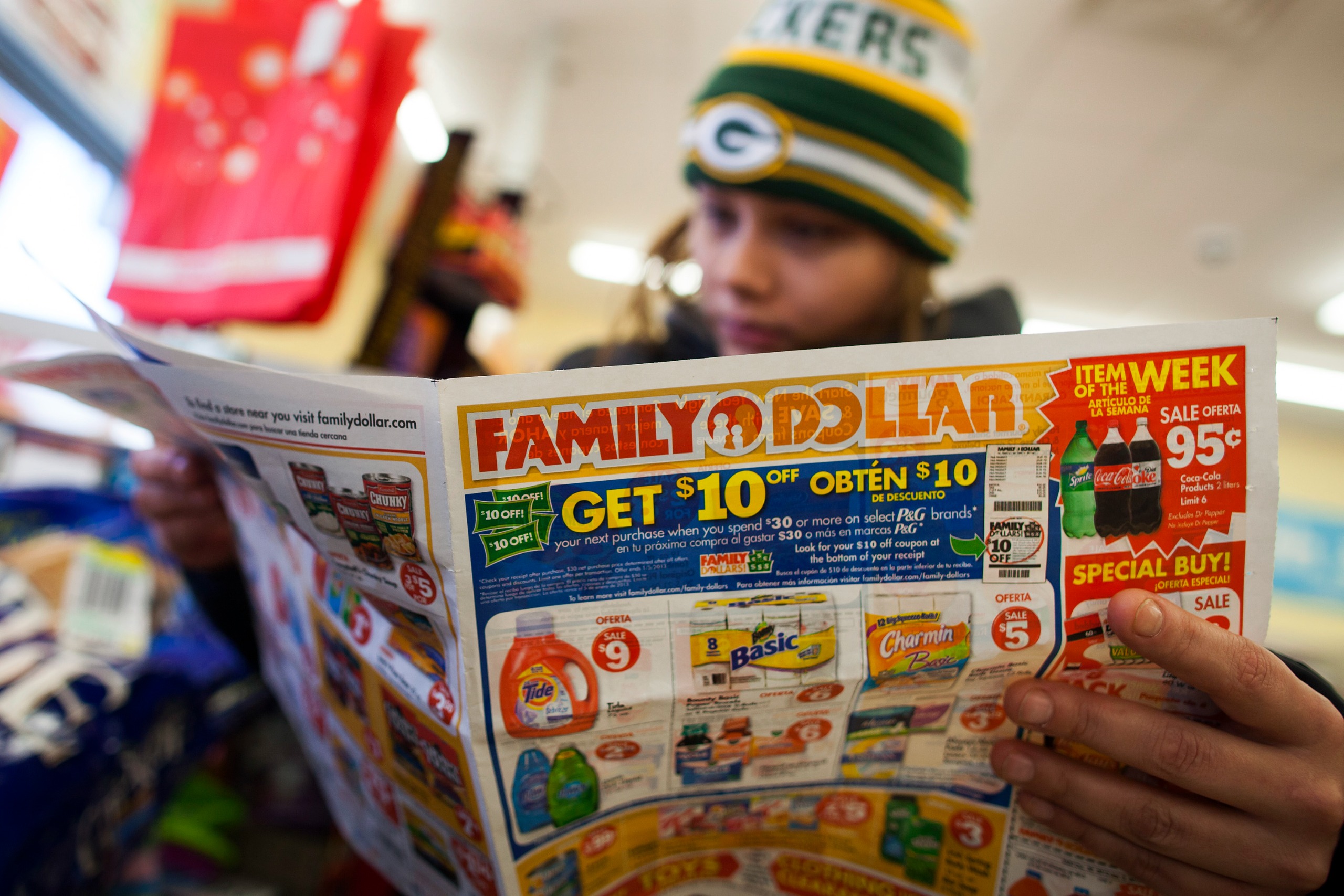
Second, the company’s "Smart Coupon" program and digital circulars frequently caused confusion. Consumers would activate digital coupons or rely on circulars that claimed to offer specific discounts, only to find that the POS systems failed to recognize these promotions during the checkout process. In many instances, store managers and cashiers were allegedly instructed or incentivized to refuse price adjustments, forcing customers to pay the higher, un-discounted rate.
Finally, the sheer volume of transactions at a discount retailer, combined with the rapid pace of checkout lines, created an environment where overcharges were difficult to audit in real-time. The FTC noted that because shoppers at discount retailers are often price-sensitive, they are particularly vulnerable to these deceptive practices, as they rely on advertised prices to stay within a strict budget.
The Terms of the Settlement
The $63 million settlement is structured to address both past harms and future compliance. The $40 million earmarked for consumer redress is the centerpiece of the agreement. While the logistics of the payout are still being finalized, the FTC has stipulated that any customer who made a purchase at a Family Dollar store between January 1, 2023, and October 1, 2026, is potentially eligible for compensation.
Beyond the direct refunds, the settlement requires Family Dollar to implement a "Pricing Accuracy Program." This program will be subject to rigorous, independent third-party audits on an annual basis for the next several years. If the retailer fails to meet the specified accuracy benchmarks during these audits, they will be subject to additional penalties and continued federal oversight. Furthermore, the company must now display prominent signage in all locations detailing the rights of consumers and providing clear pathways for reporting pricing discrepancies.
Broader Implications for the Retail Sector
This settlement does not exist in a vacuum; it follows a string of regulatory scrutiny directed at the "dollar store" segment of the retail industry. In October 2026, the FTC filed a similar lawsuit against Dollar General, citing comparable issues with inaccurate pricing and deceptive advertising. These dual actions suggest a shift in the regulatory landscape, where federal authorities are taking a more aggressive stance on the retail sector’s responsibility to maintain accurate, transparent pricing.
For the retail industry at large, these cases serve as a stern warning. Modern retail chains rely heavily on centralized, automated pricing systems, but these systems are only as effective as their implementation at the store level. The FTC’s actions signal that companies cannot use the complexity of their internal systems or staffing shortages as a defense for systematic overcharging. Retailers are now being held strictly liable for the accuracy of every price displayed to the consumer, regardless of whether the error is technological or manual.
Guidance for the Modern Consumer
As the dust settles on this $63 million agreement, consumer advocates are urging shoppers to remain vigilant. The settlement, while a victory for transparency, does not eliminate the possibility of future errors. To mitigate the risk of being overcharged, experts suggest several practical steps:
- Digital Documentation: When shopping, take photos of shelf tags for items that are on sale or marked with special pricing. This provides irrefutable evidence if the item rings up incorrectly at the register.
- Reviewing Circulars: Keep a digital copy or a screenshot of weekly circulars on your phone. If a price displayed in the circular is not reflected in your final total, present the image to the cashier or manager immediately.
- Receipt Auditing: Always review your receipt before leaving the store premises. If an item is overcharged, the error is significantly easier to correct while you are still at the point of sale.
- Platform Engagement: Utilize social media and consumer protection portals to report recurring pricing issues. The FTC explicitly stated that their investigation into Family Dollar was built upon the thousands of individual complaints lodged by consumers over the years. These reports are the primary fuel for federal investigations.
Conclusion and Looking Ahead
The settlement between the FTC and Family Dollar represents a significant milestone in consumer protection. By securing $40 million in refunds and mandating independent oversight, regulators have taken a decisive step toward restoring trust in a sector that many low-income households rely on for essential goods.
As the settlement website prepares to go live, eligible customers should monitor official communications from the FTC and Family Dollar for instructions on how to submit a claim. Once the portal is active, consumers will have a 180-day window to participate. While the financial restitution is a welcome development, the long-term impact of this case will likely be a fundamental shift in how large retailers manage the delicate balance between high-speed automated pricing and the fundamental right of the consumer to be charged the price they were promised. The era of "accidental" overcharging is facing a new level of accountability, and retailers that fail to modernize their accuracy protocols will likely find themselves in the crosshairs of federal regulators in the years to come.