The Path to Seven Figures: How a State Employee Built a Multi-Million Dollar Retirement on a Modest Salary

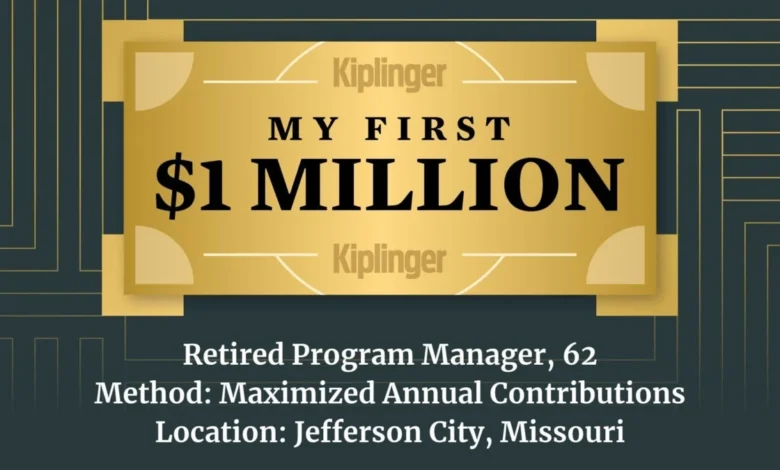
The journey to accumulating a net worth of $1 million is often misconstrued as a trajectory reserved for high-earning executives, successful entrepreneurs, or those with significant inheritance. However, the experience of a 62-year-old retired program manager from Jefferson City, Missouri, challenges this narrative. By adhering to a disciplined, multi-decade strategy of consistent contributions to tax-advantaged accounts and a passive investment approach, this individual has surpassed the $2 million mark, proving that time and consistency often outweigh high income in the pursuit of long-term wealth.
The Foundation of Modest-Income Wealth Building
Throughout his career in the Missouri state government, the retiree maintained a salary range between $60,000 and $70,000. While these figures represent a middle-class income, his ability to amass significant capital rested on a fundamental commitment to financial discipline. Rather than attempting to "time the market" or engage in speculative high-risk ventures, he focused on maximizing his annual contributions to two primary vehicles: a traditional Individual Retirement Account (IRA) and a state-sponsored deferred-compensation plan.
This deferred-compensation structure, which operates similarly to a 457(b) plan, allowed him to lower his taxable income while simultaneously fueling his investment portfolio. By automating these contributions, he ensured that saving became a fixed expense rather than an afterthought. This approach aligns with the core principles of the "FIRE" (Financial Independence, Retire Early) movement, which prioritizes a high savings rate—often 20% to 50% of gross income—over the accumulation of luxury assets.
Investment Philosophy: The Power of Low-Cost Equities
The cornerstone of the retiree’s success was his allocation strategy. Over the course of his 30-year career, he directed his savings exclusively into low-cost equity mutual funds. This strategy mirrors the recommendations of financial theorists such as Burton Malkiel, author of A Random Walk Down Wall Street, who argues that for the average investor, a diversified portfolio of low-fee index funds is the most reliable path to market-matching returns.
Data indicates that such a strategy is highly effective due to the compounding effect. In this case, the retiree achieved an average annual return of 9.5% over three decades. When compounded, even modest monthly contributions, when left untouched in an equity-heavy portfolio, can experience exponential growth. He reached the $1 million milestone approximately 10 years ago, and through continued market participation and sustained contributions, he has since doubled that figure.
A Chronological Perspective on Long-Term Investing
The timeline of his financial growth provides a blueprint for younger investors. In the early stages of his career, the focus was entirely on contribution frequency. Because he started his journey when the concept of the Roth IRA was not yet mainstream, his early tax-deferred contributions offered immediate relief on his annual tax filings. While this was beneficial at the time, it created a long-term liability, as traditional IRA distributions are taxed as ordinary income upon withdrawal.
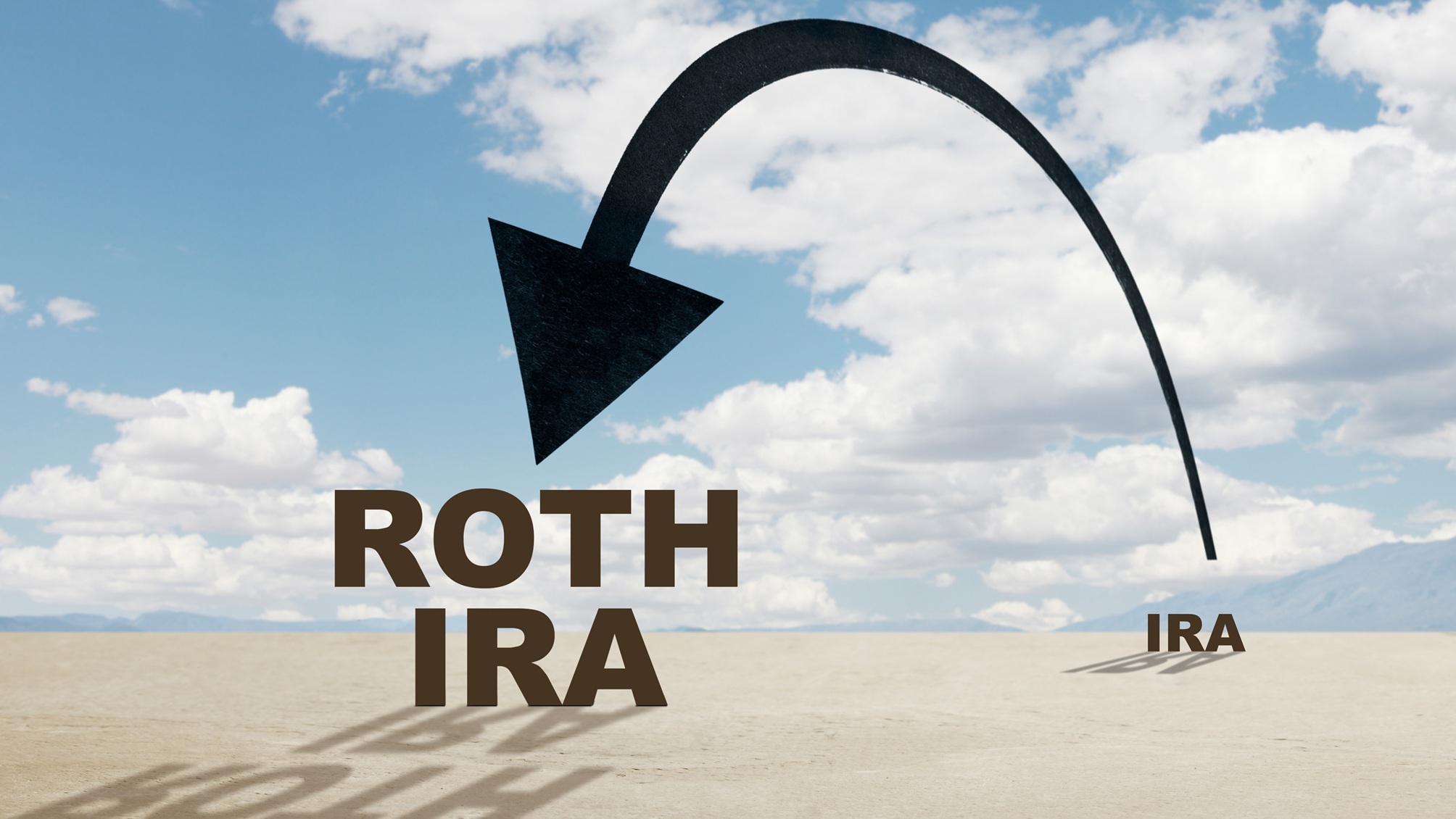
As he reached his late 50s and early 60s, the focus shifted from pure accumulation to tax-efficiency planning. He recognized that his success had created a "tax time bomb"—a common occurrence for retirees who have diligently saved in traditional accounts. With the advent of Required Minimum Distributions (RMDs), which force retirees to withdraw funds at age 73 (based on current IRS regulations), he now faces the prospect of high tax brackets in his later years. To mitigate this, he has begun executing strategic Roth conversions, intentionally paying taxes on portions of his traditional savings now to shield future growth from taxation.
The Psychological Component: Stability and Lifestyle
Perhaps the most striking aspect of this individual’s story is the lack of "lifestyle creep." Despite seeing his account balances reach seven figures, he maintained a lifestyle that remained largely unchanged. He noted that he has always found satisfaction in living below his means, which allowed him to maintain a high savings rate even as his income reached its peak.

Financial planners often observe that the psychological shift from "earner" to "retiree" is the most difficult hurdle. For this retiree, the transition was eased by the security that his portfolio provided. He retired at 62—not because he had to, but because he reached a level of comfort where his "freedom" became more valuable than additional salary. He reports that his primary joy in reaching millionaire status is not the ability to purchase luxury items, but rather the total elimination of financial anxiety.
Professional Reflections and Lessons Learned
When looking back at his path, the retiree emphasizes the role of mentorship—specifically from his father, who introduced him to the mechanics of mutual funds and the necessity of a long-term time horizon. This intergenerational transfer of financial literacy is frequently cited in economic studies as a key determinant of future financial success.
However, the retiree is also reflective about the pitfalls of his journey. His primary regret is the lack of access to, or the existence of, Roth accounts during his formative working years. He notes that if he had the opportunity to contribute to tax-free vehicles from the start, his current tax planning would be significantly less complicated. He advises younger individuals to prioritize Roth contributions early in their careers when their marginal tax rate is typically lower, a strategy that pays dividends over a multi-decade span.

Broader Implications: The "Millionaire Next Door" Reality
The case of this Missouri retiree serves as a real-world validation of the theories popularized by Thomas J. Stanley in his seminal work, The Millionaire Next Door. Stanley found that most millionaires are not high-earners with lavish lifestyles, but rather individuals who practice "frugal" habits, invest early, and avoid high-interest consumer debt.
The broader implication for the public is clear: reaching $1 million is accessible to those with middle-income jobs, provided they maintain a multi-decade commitment to:
- Automated Savings: Reducing the friction between receiving a paycheck and investing.
- Tax Management: Balancing the immediate benefits of tax-deferred accounts with the long-term tax advantages of Roth vehicles.
- Passive Investing: Avoiding the costs and risks of individual stock picking in favor of diversified, low-fee index funds.
- Consistency: Remaining invested through market volatility, as the retiree did for over 30 years.
The Future of the Portfolio
Now in retirement, the subject has no plans to alter his investment strategy. He continues to hold his assets in equity index funds, allowing the market to perform its work. His recent years have been marked by an increase in charitable giving and travel, activities he describes as "nice additions" to his life, rather than the primary goal of his saving efforts.
As he enters the next phase of his financial life, his goal is to continue managing his RMDs through tax-efficient withdrawals and conversions. His story serves as a reminder that the path to a million dollars is rarely paved with lottery wins or high-risk gambles. Instead, it is built through the quiet, consistent application of compound interest and the discipline to prioritize the future over the present. For those currently working toward their first million, the evidence suggests that the most critical tools are not high-yield investment schemes, but time, patience, and a well-managed tax strategy.
Related posts: