The True Cost of Your Morning Brew: Unpacking the Value and Freshness of Coffee

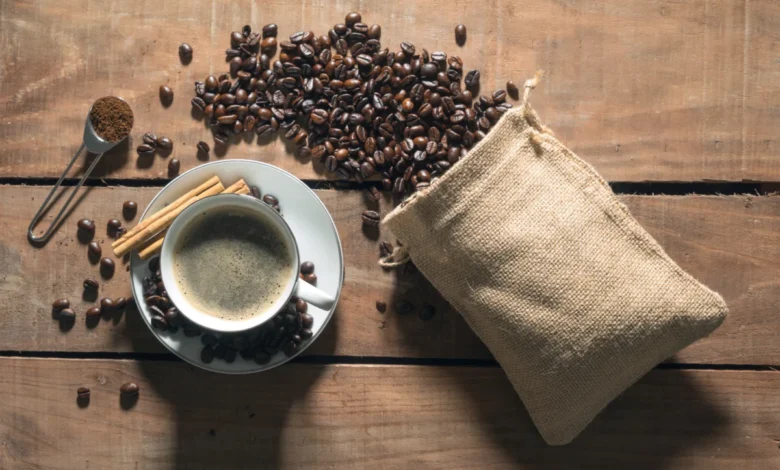
For many, the ritual of brewing and savoring a cup of coffee is a cherished moment of calm in an otherwise hectic day. However, the perceived value of this daily indulgence might be less than meets the eye. While coffee is fundamentally a crop, the way it’s processed and distributed by some companies can obscure its true worth, leading consumers to pay a premium for logistics rather than quality. In an era marked by supply chain disruptions, geopolitical instability, and the escalating impacts of climate change on agricultural yields, the cost of coffee has risen, making it imperative for consumers to understand what they are truly paying for. The key to unlocking genuine freshness and superior taste lies in transparent roasters who meticulously detail their methods, offering verifiable proof of their craft. This investigation delves into the subtle pitfalls present in the coffee aisle and outlines what discerning consumers should seek to ensure they receive optimal value and an unparalleled coffee experience.
The journey from bean to cup is a complex one, and the current landscape of coffee retail often prioritizes convenience and mass production over the inherent qualities of the coffee bean itself. Large-scale roasters frequently process beans in massive batches, which are then distributed to grocery stores. Once on the shelves, these beans are exposed to air and light, initiating a gradual decline in their peak freshness and flavor profile. This extended period between roasting and consumption means that by the time a bag of coffee reaches a consumer’s home, a significant portion of its aromatic compounds and nuanced taste notes may have already dissipated.
This decline in quality is often masked by sophisticated marketing, which can lead consumers to believe they are purchasing a high-quality product when, in reality, they are paying for a product that has already passed its prime. The added costs associated with navigating global supply chains, dealing with international trade complexities, and mitigating the risks posed by climate change on coffee-growing regions further inflate prices. These elevated costs are then presented to the consumer as a reflection of superior quality, when in fact, they may be paying for the logistical challenges rather than the inherent excellence of the coffee itself.
The critical differentiator for a truly exceptional cup of coffee is freshness. This freshness is not an abstract concept but a tangible quality that can be traced back to the roasting process. According to Kate Harner, a marketing and communications coordinator at Fresh Roasted Coffee Inc., a family-owned coffee roaster, the roast date is the most reliable indicator of a coffee’s quality and potential flavor. However, she notes that obtaining this information from many coffee companies can be an arduous task, akin to searching for a needle in a haystack.
"Many companies don’t disclose the roasting date because then they would need to provide verifiable data," Harner explains. This lack of transparency is a significant concern, especially considering that coffee beans are at their peak freshness within the first month after roasting. Beyond this initial period, the volatile aromatic compounds that contribute to a coffee’s distinctive aroma and taste begin to degrade, leading to a less vibrant and less enjoyable beverage.
Driven by this understanding, many consumers are increasingly adopting a policy of not purchasing coffee unless a roast date is clearly indicated on the packaging. This discerning approach is also fueled by the observation that brands that heavily rely on marketing rhetoric often fail to deliver on their promises of freshness, taste, or overall value. The allure of buzzwords and elaborate branding can be a smokescreen for a product that doesn’t live up to its advertised potential.

It is important to clarify that opting for higher-quality coffee does not necessarily translate to a significantly higher per-bag cost. Instead, the focus should shift to the coffee’s "usability" – how long it remains at its optimal drinking quality after purchase. If a bag of coffee from the grocery store, for instance, only retains its desirable characteristics for a week or less, the consumer is effectively paying a premium for a product with a limited shelf life. This necessitates more frequent purchases, ultimately increasing overall expenditure.
To better illustrate the financial implications and value proposition of different coffee types, a comparative analysis of costs per cup can be insightful. This analysis considers the estimated cost per bag, the approximate number of cups a bag yields, and the resulting cost per cup, alongside a value assessment.
| Coffee Type | Estimated Cost/Bag | Cups per Bag (approx.) | Cost Per Cup | Value Analysis |
|---|---|---|---|---|
| Grocery Store Commodity | $12.00 | 25–30 | $0.40 – $0.48 | High potential for "stale" beans and waste; lower flavor payoff. |
| Premium Commercial Brand | $18.00 | 25–30 | $0.60 – $0.72 | Often relies on marketing buzzwords; lacks verifiable roast dates, resulting in stale coffee. |
| Fresh Roaster | $20.00 | 25–30 | $0.67 – $0.80 | You pay for freshness/transparency; consistent quality ensures every cup is drinkable. |
This table highlights a crucial point: while coffee from a fresh roaster might have a slightly higher per-bag price, the value proposition is significantly enhanced by the guaranteed freshness and consistent quality. This means that every cup brewed from such a bag is likely to be a satisfying experience, minimizing waste and maximizing enjoyment. In contrast, cheaper commodity or premium-branded coffees, despite their lower initial cost per cup, may offer a diminished return on investment due to their diminished flavor and aroma.
The challenge for consumers lies in discerning genuine quality from superficial marketing. The grocery store aisle is often a landscape of appealing packaging and confident claims, but these can be misleading. When seeking out quality coffee, consumers must engage in a degree of investigative work. Beyond the packaging itself, Harner advises consumers to explore the company’s website and delve into their roasting processes. Understanding how the coffee is sourced, roasted, and any certifications they hold provides a more comprehensive picture of the product’s true worth.
The Importance of Verifiable Information
The absence of a clearly stated roast date on many coffee products is not merely an oversight; it is often a deliberate strategy to avoid accountability. Without a roast date, it becomes difficult for consumers to ascertain the coffee’s true age and, consequently, its freshness. "Best by" dates, while offering some guidance, are not as precise as roast dates. These dates are typically set to account for extended shelf life, meaning the coffee may have already begun to lose its optimal flavor long before this date is reached.
Furthermore, the coffee industry, like many agricultural sectors, is subject to global market fluctuations and external pressures. The past few years have seen unprecedented volatility. For example, the 2020-2021 coffee year (October to September) experienced significant price surges. According to the International Coffee Organization (ICO), the average price of the composite indicator reached $1.54 per pound in that period, a notable increase from previous years. This trend has continued, exacerbated by several factors:
- Supply Chain Disruptions: The COVID-19 pandemic highlighted the fragility of global supply chains. Shipping delays, port congestion, and increased freight costs have all contributed to higher prices for imported goods, including coffee beans. These logistical challenges add to the overall cost of bringing coffee from origin countries to consumer markets.
- Geopolitical Conflicts: Events such as the conflict in Eastern Europe have had ripple effects across global markets, impacting energy prices, fertilizer costs, and overall economic stability. These factors indirectly influence the cost of agricultural production and transportation.
- Climate Change: Coffee cultivation is highly sensitive to environmental conditions. Extreme weather events, such as prolonged droughts, unseasonable frosts, and increased rainfall, can devastate coffee crops, leading to reduced yields and higher prices. For instance, severe droughts in Brazil, a major coffee producer, have historically led to significant price spikes in the global market. Reports indicate that Brazil experienced significant drought conditions in recent years, impacting its Arabica coffee harvest. Similarly, climate change poses a threat to coffee-growing regions in Central and South America, potentially leading to reduced production of high-quality beans.
These compounding factors mean that consumers are increasingly paying more for their coffee. The question then becomes whether this increased cost is commensurate with an improvement in quality and freshness. The evidence suggests that for many mass-produced coffees, the answer is no.
Identifying Genuine Quality: What to Look For
When assessing coffee brands, consumers should look beyond superficial claims and seek verifiable indicators of freshness and quality. These indicators can include:
- Prominent Roast Date: As emphasized by industry professionals, the roast date is paramount. It provides a clear timeline for when the beans were roasted, allowing consumers to gauge their freshness. Ideally, coffee should be consumed within a few weeks of its roast date for optimal flavor.
- Transparency in Sourcing: Reputable roasters often provide information about the origin of their beans, including the specific farm or region, the varietal, and the processing method. This transparency indicates a commitment to quality and allows consumers to understand the unique characteristics of the coffee.
- Detailed Flavor Profiles: Beyond generic descriptions, quality roasters offer detailed tasting notes that describe the aroma, acidity, body, and flavor nuances of the coffee. This level of detail suggests a deep understanding and appreciation of the coffee’s sensory attributes.
- Commitment to Sustainability and Ethical Practices: While not directly related to freshness, certifications related to fair trade, organic farming, or direct trade relationships often signal a company’s commitment to quality throughout the entire supply chain, from the farmer to the consumer.
Choosing Substance Over Hype
In the competitive coffee market, many brands resort to employing marketing buzzwords that, while sounding appealing, lack concrete meaning or verifiable evidence. Terms such as "clean," "mold-free," or "artisanal" are often used to justify higher price points without offering tangible proof of superiority. These are subjective descriptors that can be easily manipulated for marketing purposes.
True transparency in the coffee industry is built on demonstrable facts and verifiable certifications. Consumers should be wary of unsubstantiated claims and instead look for concrete evidence of a company’s commitment to quality. This includes seeking out established certifications that attest to specific standards:
- USDA Organic Seal: This seal indicates that the coffee has been produced and certified according to strict U.S. government standards for organic agriculture, prohibiting the use of synthetic pesticides, herbicides, and fertilizers. This commitment to organic farming often correlates with a greater attention to detail in cultivation and processing.
- Non-GMO Project Verified: For consumers concerned about genetically modified organisms, this certification provides assurance that the coffee has been produced in compliance with the Non-GMO Project standard, which includes rigorous testing and traceability measures.
- Fair Trade Certifications: While primarily focused on ethical labor practices and fair compensation for farmers, Fair Trade certifications can also be an indicator of a producer’s overall commitment to quality and sustainability, as these programs often encourage best practices in cultivation and processing.
- Direct Trade Relationships: Some companies engage in direct trade, building personal relationships with coffee farmers. This approach allows for greater control over quality, ensures fair prices for farmers, and often results in a more nuanced and traceable coffee product.
By prioritizing these verifiable markers of quality and transparency, consumers can move beyond the superficial allure of marketing jargon and make informed purchasing decisions. This approach ensures that the money spent on coffee translates directly into a superior taste experience and a more satisfying daily ritual. Ultimately, the finest coffee is not necessarily the most expensive, but rather the freshest, most thoughtfully sourced, and meticulously roasted. By focusing on roasters who provide clear evidence of their craft, particularly through prominently displayed roast dates and transparent sourcing information, consumers can guarantee that every dollar invested in their coffee yields a cup that is truly worth savoring. This shift in consumer consciousness, driven by a demand for authenticity and quality, is reshaping the coffee landscape, pushing brands towards greater accountability and consumers towards a more rewarding coffee experience.
Related posts: