The Strategic Imperative of Tracking Brand Visibility in the Era of AI-Driven Search

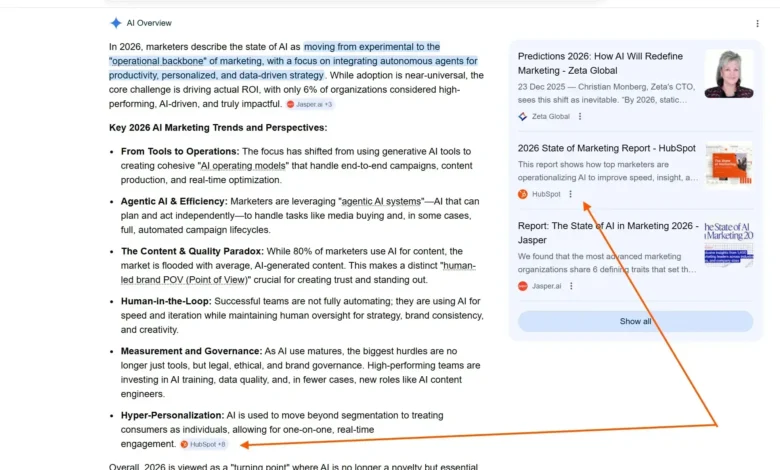
The digital discovery landscape has undergone a profound transformation as AI-generated answers increasingly precede traditional search results in the user journey. As of 2026, Google’s AI Mode has surpassed one billion monthly users, with query volumes doubling every quarter since its inception. This shift marks a departure from the link-based economy of the past three decades toward a model where artificial intelligence synthesizes information from various sources to provide direct answers. For modern marketing teams, the failure to secure visibility within platforms like ChatGPT, Perplexity, Claude, and Google’s AI Overviews is no longer just a technical oversight; it is a critical threat to brand relevance, customer acquisition, and long-term revenue growth.
The Chronology of the Search Shift

The evolution of search began in earnest with the introduction of Large Language Models (LLMs) into mainstream consumer interfaces. By 2025, data from HubSpot indicated that approximately 31% of Gen Z consumers had already defaulted to chatbots as their primary tool for online research. This behavior signaled to the industry that the "ten blue links" model was becoming secondary.
Throughout 2025 and 2026, search engine providers accelerated the integration of Generative Engine Optimization (GEO) features. Google’s rapid expansion of AI Overviews (AIO) forced a pivot in SEO strategy. Brands that previously focused exclusively on ranking for keywords on search engine results pages (SERPs) found that their traditional authority was not automatically translating into presence within AI-generated responses. This realization has triggered a scramble to understand how LLMs select, paraphrase, and cite sources, leading to the emergence of AI Search Visibility as a primary KPI for global brands.
Quantifying Brand Presence in the AI Ecosystem

Unlike traditional SEO, which relies on well-documented signals like backlinks and domain authority, AI search visibility is governed by the opaque "reasoning" of generative models. A brand’s visibility is defined by four core metrics: mention rate, citation rate, sentiment, and share of voice.
The mention rate serves as the foundational metric, indicating how often a brand is included in an AI-generated response. However, a mention is only the first step. The citation rate is significantly more valuable, as it tracks whether the AI provides a direct, clickable link to a brand-owned asset. Data suggests that while mentions contribute to brand awareness, citations are the primary driver of traffic and conversion. Furthermore, sentiment analysis—the qualitative assessment of how a brand is described—has become essential. For example, if an AI labels a product as "premium-priced," the sentiment might technically be neutral or negative, but if that aligns with the brand’s positioning, it can be considered an accurate and useful description.
Industry analysts emphasize that comparing a brand’s performance against its competitors—the share of voice—is the most effective way to identify market gaps. A brand might appear frequently in isolation, but if competitors are consistently cited for specific, high-intent queries, the brand is losing critical ground in the consideration phase of the buyer journey.

Building a Repeatable Tracking System
To move beyond anecdotal evidence, marketing departments are adopting systematic frameworks for AI visibility tracking. This process typically involves five rigorous steps:
- Baseline Assessment: Establishing an initial score across multiple AI platforms to understand the current state of brand recognition and sentiment.
- Structured Prompt Engineering: Developing a consistent, categorized set of prompts that mirror real-world buyer behavior, ranging from informational queries to bottom-of-funnel comparison tasks.
- Platform Selection: Identifying which AI engines drive the highest referral traffic. While major platforms like ChatGPT and Google AI Overviews are universal priorities, niche industry-specific chatbots may require localized tracking.
- Cadence Optimization: Moving from one-time audits to a recurring, weekly, or bi-weekly tracking schedule that allows for the observation of long-term trends.
- Integration with CRM: The final and most critical step involves routing AI visibility data directly into existing CRM and marketing workflows. This ensures that a drop in visibility or a negative citation can be flagged to the appropriate content or product teams for immediate remediation.
The Role of Data-Driven Content Strategy

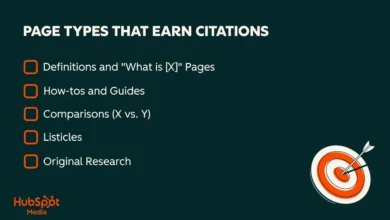
The transition to AI-centric search requires a shift in content production. To earn citations, content must be structured to answer questions directly, providing concrete data and evidence that LLMs find reliable. Research indicates that pages containing granular details regarding customer problems, specific product features, and verified data points have a higher probability of being lifted and cited by generative engines.
Furthermore, brands must actively manage their "entity consistency." AI platforms build their internal knowledge graphs by aggregating data from across the web. If a brand provides conflicting information across its own website, social media, and third-party review platforms, the AI is more likely to generate an inaccurate summary. Therefore, maintaining consistent, updated, and accurate data across all digital touchpoints is a fundamental requirement for improving AI visibility.
Addressing Inaccuracies and Strategic Limitations

When inaccurate information is surfaced in an AI response, it is often a symptom of outdated information residing on owned properties or in the broader digital ecosystem. Marketing teams are now employing "site-search" queries—using search operators to find specific, outdated mentions of pricing or features—to identify and correct the source of the misinformation.
Experts warn that standalone dashboarding for AI visibility is often insufficient. Without an integration into the wider marketing stack, AI visibility scores can remain "vanity metrics." For instance, a rise in citations that does not correlate with an increase in qualified leads or deals in the CRM suggests that the visibility may be occurring on low-intent or irrelevant queries. By linking visibility data to the pipeline, marketers can provide stakeholders with proof of the tangible ROI generated by their AI optimization efforts.
Implications for Future Marketing Spend

The ongoing expansion of AI search tools like Perplexity and Microsoft Copilot represents a fundamental shift in how information is accessed globally. As these tools continue to refine their accuracy and integration, the barrier to entry for brands will only rise. Those who treat AI visibility as an optional channel risk being locked out of the primary information-gathering tools of the future.
While the current landscape is fragmented, the movement toward standardized AEO (Answer Engine Optimization) is gaining momentum. Companies are increasingly allocating dedicated budget and headcount to manage this channel, viewing it as the evolution of the SEO departments that defined the last decade. As the technology matures, the ability to track, analyze, and optimize for these platforms will differentiate market leaders from those who remain tethered to traditional, increasingly outdated search metrics.
In summary, the transition to an AI-first search environment is not merely a technological update; it is a redefinition of the brand-customer relationship. By prioritizing consistent measurement, refining content to meet the specific requirements of generative models, and integrating these insights into the core CRM, organizations can maintain their visibility and continue to drive meaningful engagement in an increasingly automated world. The data is clear: the brands that win in the coming years will be those that have successfully navigated the transition from being "found" via a link to being "recommended" via an intelligent, synthesized answer.