Redefining the Modern Corporate Internship: How RingCentral’s Go-to-Market Program Empowers the Next Generation of Tech Professionals

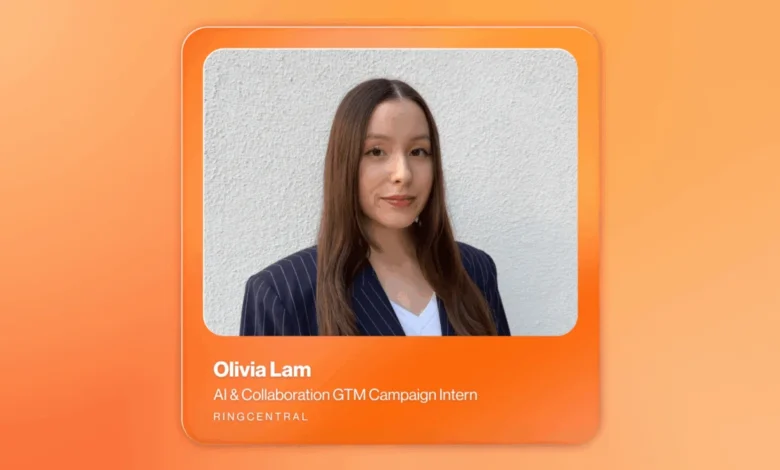
The landscape of professional development and early-career recruitment has undergone a fundamental transformation over the past decade. Gone are the days when corporate internships were defined by administrative support tasks, passive observation, and coffee runs. Today, forward-thinking enterprises recognize that integrating young talent into high-stakes, mission-critical projects yields mutual benefits: students gain authentic, industry-standard exposure, while organizations inject fresh perspectives into their core operations. A prime example of this paradigm shift is RingCentral’s Go-to-Market (GTM) internship program, which recently concluded its summer cohort with remarkable outcomes for participants such as Olivia Lam.
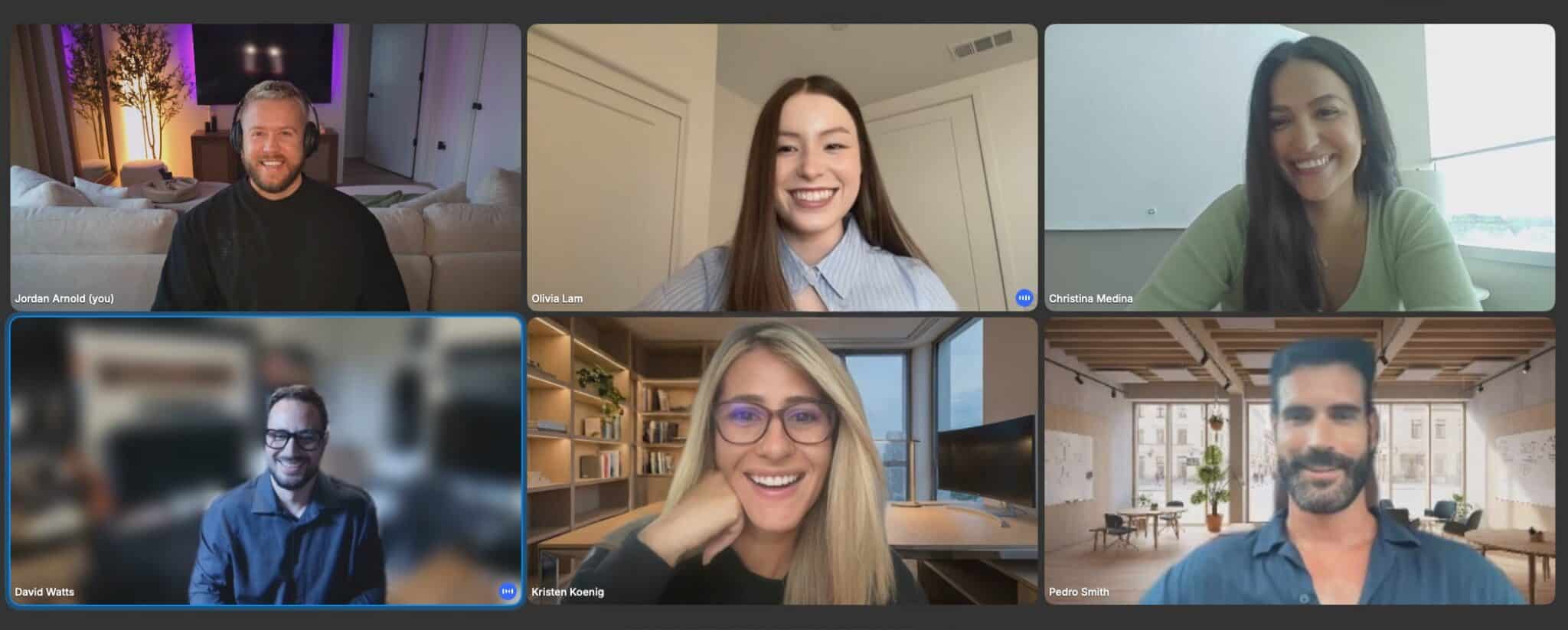
Operating within a remote and hybrid work framework, modern internship programs face unique hurdles regarding team cohesion, mentorship, and practical skill acquisition. Yet, far from hindering professional growth, digital-first collaborative environments have compelled corporations to design immersive, participatory curricula from day one. For Lam, stepping into the corporate sphere as a remote GTM intern meant bypassing the traditional physical office tour to immediately engage with sales demonstrations, competitive market analysis decks, and multi-channel campaign architectures. Rather than being shielded from the complexities of enterprise software marketing, interns in contemporary programs are increasingly expected to navigate real-world challenges alongside seasoned professionals.
Chronology and Integration into Core Operations
The trajectory of a successful corporate internship is often mapped across distinct operational phases, moving from foundational onboarding to autonomous execution. In the case of RingCentral’s summer GTM initiative, the timeline is structured to rapidly accelerate professional capability.
During the initial phase, spanning weeks one and two, participants are integrated into daily workflows through shadowing exercises and cross-functional introductions. Unlike traditional internship models where new hires spend weeks reviewing legacy documentation, modern tech internships emphasize immediate immersion. For Lam, this meant participating in live sales demonstrations and digesting high-level product positioning strategies almost immediately.
Following this foundational period, the program transitions into active contribution and mentorship alignment. A distinctive feature of the RingCentral initiative is its deliberate pairing of interns with senior leadership for holistic professional development. Beyond tactical skill-building, participants engage in structured intellectual exercises—such as weekly literature reviews focusing on modern business strategies, risk-taking, and professional adaptability. This dual focus on hard technical execution and soft-skills cultivation ensures that participants develop a comprehensive understanding of the corporate ecosystem.
By the midpoint of the summer, high-performing interns are entrusted with deliverables tied directly to major corporate milestones and external-facing events. This marks the transition from learner to active contributor, where the validity of their output is measured against actual business metrics and audience engagement rates.
Supporting Data and High-Stakes Campaign Execution
The true test of an enterprise internship program lies in the caliber of the projects assigned to its participants. Modern go-to-market strategies rely heavily on data-driven decision-making, sophisticated email marketing automation, and agile positioning around major industry conventions.
During her tenure, Lam was tasked with developing the follow-up email marketing campaign for Eventastic 2026, recognized globally as the largest virtual convention dedicated to the events industry. The virtual gathering successfully connected more than 14,000 event professionals worldwide, creating a massive pool of potential leads. The objective of the intern-led campaign was to convert passive event engagement into active sales conversations and pipeline opportunities.
Executing this assignment required rigorous research into email marketing best practices, utilization of customer relationship management platforms such as HubSpot Academy, and the integration of artificial intelligence tools—specifically large language models like Claude—to test and refine messaging variations. The campaign necessitated numerous iterations, revisions, and data-backed adjustments before finalizing an approach optimized for click-through and conversion rates.

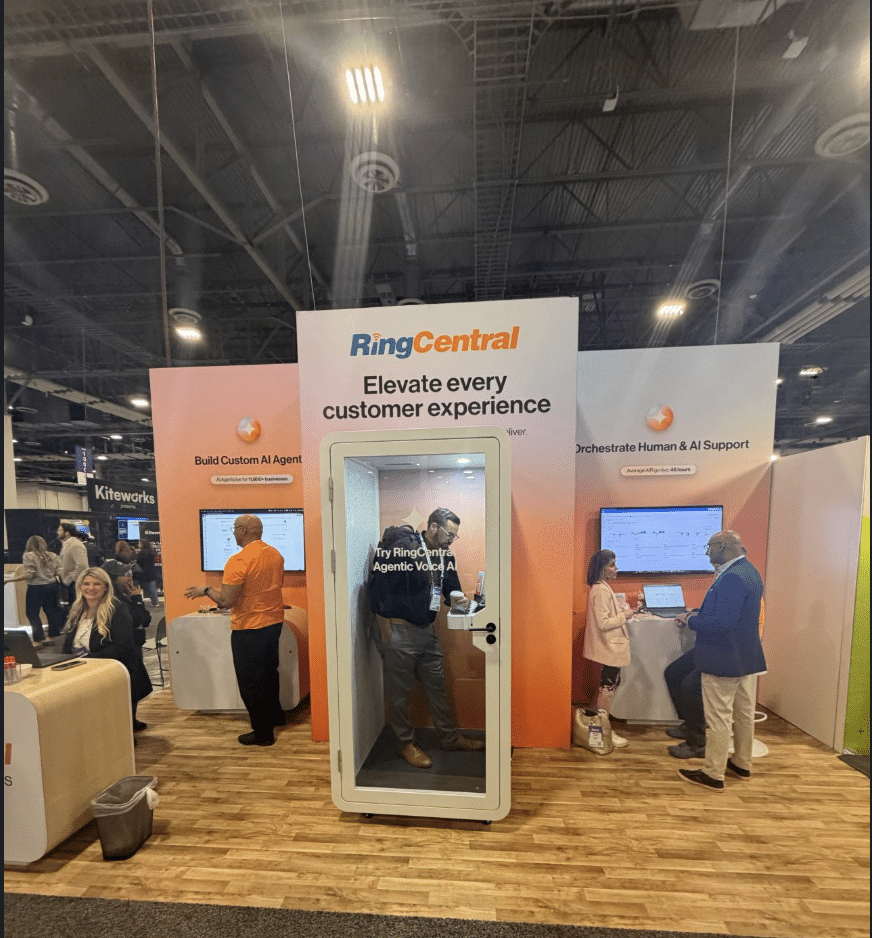
The scale of responsibility expanded further as RingCentral prepared for its inaugural presence at Ai4, widely regarded as North America’s largest artificial intelligence industry event. The convention brought together an impressive demographic:
- More than 12,000 registered attendees
- Over 1,000 industry-leading speakers
- Approximately 400 corporate exhibitors
- Representation from 90 distinct countries
Because Ai4 marked RingCentral’s first official participation at the conference, the GTM team lacked historical precedence or a pre-existing playbook to guide their exhibition strategy. Contributing to high-level brainstorming sessions for a major product launch and brand positioning initiative at an international scale provided interns with deep insights into enterprise agility, brand differentiation, and real-time strategic problem-solving.
Professional Networking and the Digital Footprint
In the contemporary business environment, an individual’s professional brand extends far beyond internal company deliverables. Personal branding, digital networking, and thought leadership have become critical components of career mobility, particularly within the technology and software-as-a-service (SaaS) sectors.

Recognizing this reality, modern internship frameworks increasingly encourage public engagement and professional networking via platforms like LinkedIn. For many early-career professionals, the prospect of publicly sharing insights, career milestones, and industry observations can induce hesitation or imposter syndrome. However, structured encouragement from corporate mentors often serves as a catalyst for professional confidence.
Throughout the two-month summer program, digital networking initiatives yielded measurable expansion for participants. By actively documenting their daily learnings, campaign strategies, and professional reflections, interns transformed passive social media consumption into active brand-building. For instance, Lam’s professional network expanded from approximately 100 initial connections to over 400 targeted industry professionals within a two-month span. More importantly, this digital visibility bridged internal and external operations, as online commentary began generating organic recognition within cross-functional corporate meetings. This phenomenon underscores a vital lesson for modern career development: early-career professionals do not need to wait for an executive title to contribute valuable perspectives to an industry-wide conversation.
Broader Industry Implications and Future Outlook
The evolution of corporate internship programs carries significant implications for the broader labor market and higher education institutions. As industries undergo rapid technological disruption—particularly driven by artificial intelligence, automation, and distributed remote work models—academic institutions often struggle to update curricula at a matching pace. Consequently, private sector internships have assumed the crucial role of bridging the gap between theoretical knowledge and practical, market-ready execution.
Industry analysts emphasize that organizations investing in robust, mentorship-driven internship pipelines reap long-term dividends in talent acquisition and employer branding. When companies grant early-career professionals genuine autonomy, they foster a culture of psychological safety where innovation thrives. Interns who are encouraged to voice novel ideas without the paralysis of perfectionism are more likely to develop into agile, resilient, and creative problem-solvers.
Furthermore, the shift toward remote and hybrid internship models democratizes access to top-tier enterprise experience, allowing students from diverse geographical and socioeconomic backgrounds to compete for positions at global technology leaders without the immediate financial burden of relocation.
Ultimately, the successful conclusion of programs like RingCentral’s summer GTM initiative highlights a vital philosophical shift in how organizations view young talent. The objective is no longer merely to evaluate a candidate for a potential entry-level job offer, but to instill a lifelong capacity for adaptability, professional self-advocacy, and continuous learning. As these cohorts return to their academic institutions and eventually enter the global workforce permanently, the lessons learned in navigating high-stakes corporate environments will continue to shape the trajectory of the modern digital economy.
Related posts: