Meta Platforms Strategic Transformation and Feature Evolution: A Comprehensive Review of Facebook and Instagram Updates Through 2023

The final quarter of 2022 marked a pivotal moment for Meta Platforms as the company accelerated its transition toward an AI-driven discovery engine and automated advertising infrastructure. Throughout the year, Mark Zuckerberg’s social media conglomerate introduced a series of updates to its Reels and Groups features, overhauled its advertising interface, and secured critical brand safety milestones. As marketers enter 2023, the ecosystem is characterized by a high degree of automation and a streamlined experience across Facebook, Instagram, and WhatsApp, reflecting a broader corporate strategy to combat signal loss from privacy regulations and rising competition in the short-form video sector.
The Strategic Shift to Automation: The Meta Advantage Suite
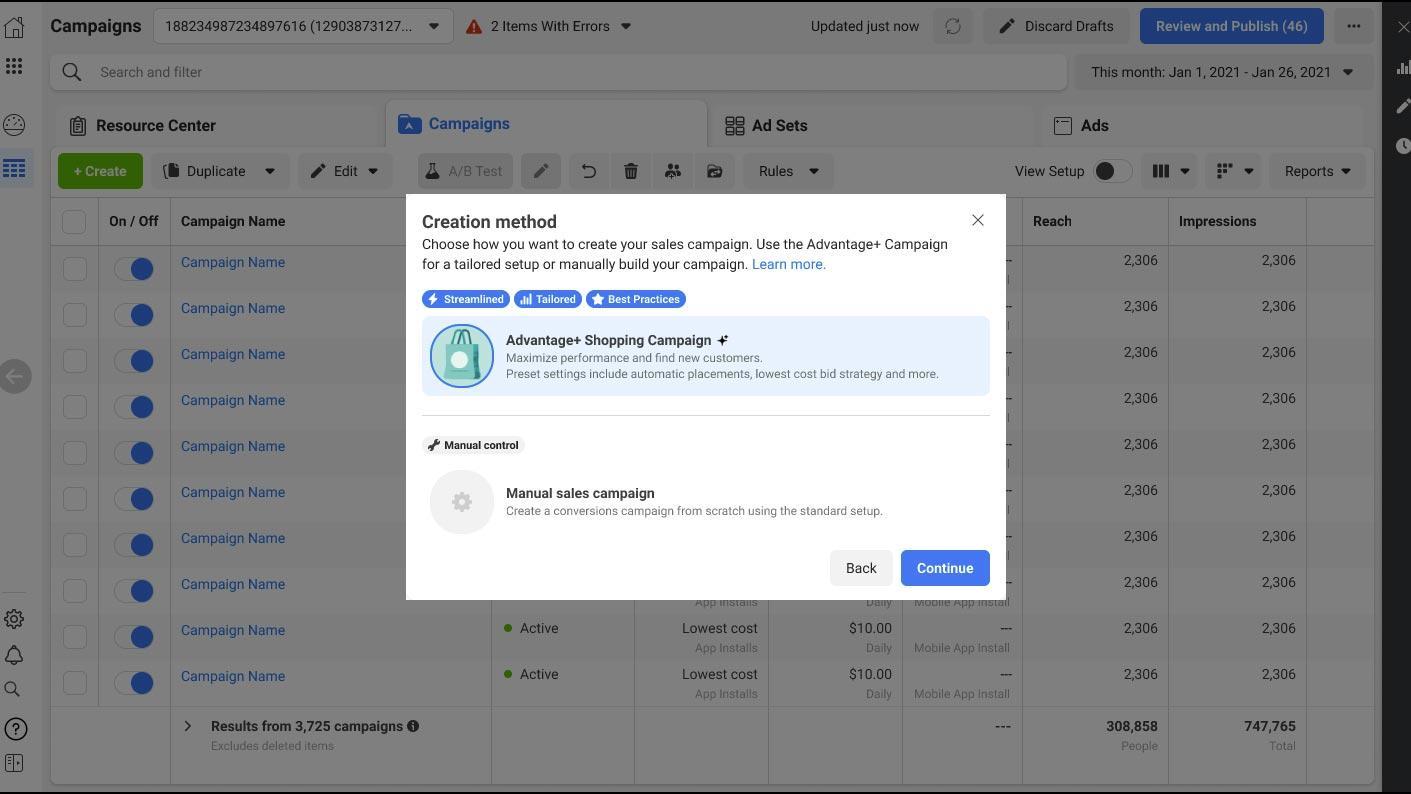
A central pillar of Meta’s 2022 roadmap was the consolidation and expansion of its automated advertising tools under the "Meta Advantage" umbrella. This move was necessitated by the ongoing impact of Apple’s App Tracking Transparency (ATT) framework, which significantly hindered the ability of social platforms to track user behavior across third-party apps. To maintain ad efficacy, Meta pivoted toward machine learning solutions that require less manual input from advertisers.
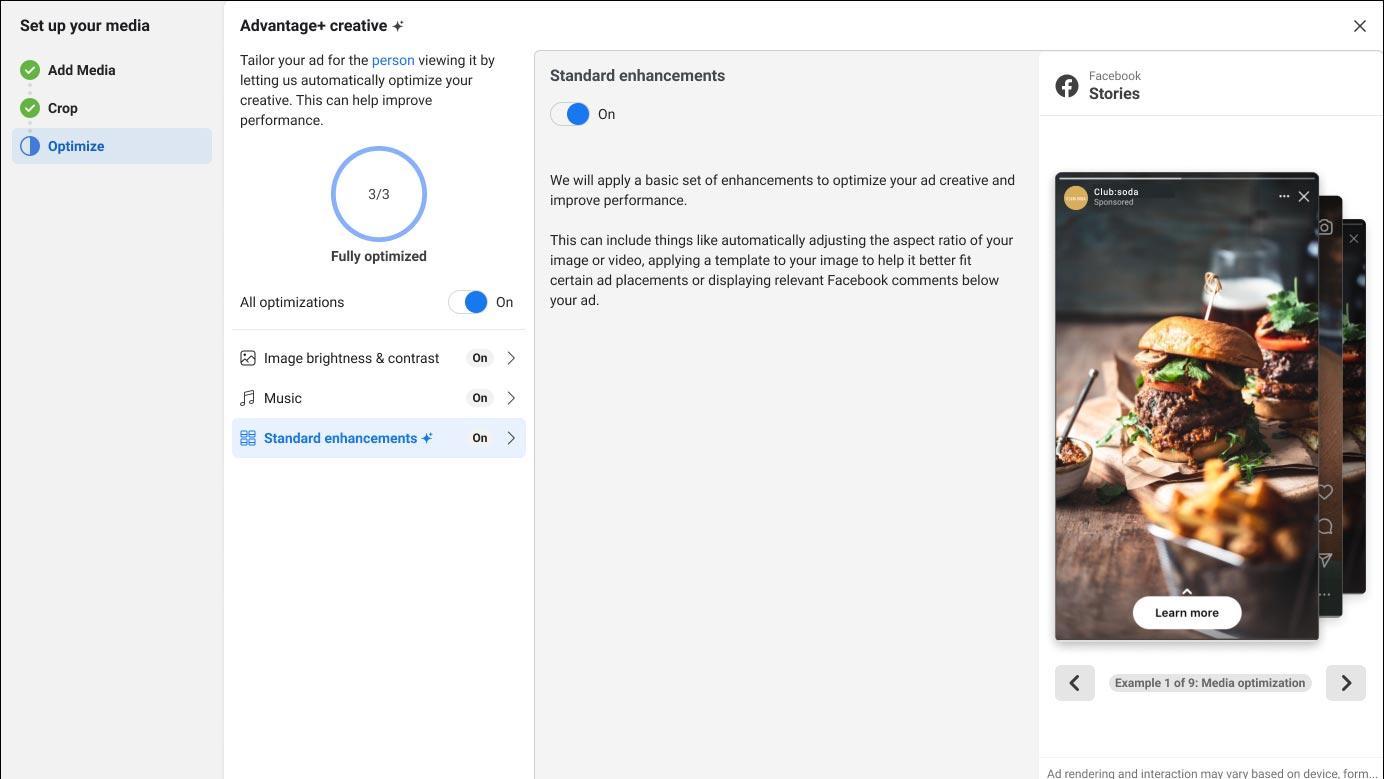
The Advantage+ suite includes two primary categories: Advantage features, which allow for the automation of specific aspects of a manual campaign, and Advantage+ campaigns, which automate the entire campaign flow from creative to targeting. Notably, the Advantage+ Shopping campaigns, which reached global availability in late 2022, utilize AI to eliminate the manual ad creation process, allowing for the split-testing of up to 150 creative variations simultaneously. Internal Meta data indicated that these automated campaigns achieved a 12% lower cost-per-purchase conversion compared to standard manual ads, providing a necessary performance boost for e-commerce brands in a tightening economic climate.
The Short-Form Video Paradigm: Reels as a Growth Engine
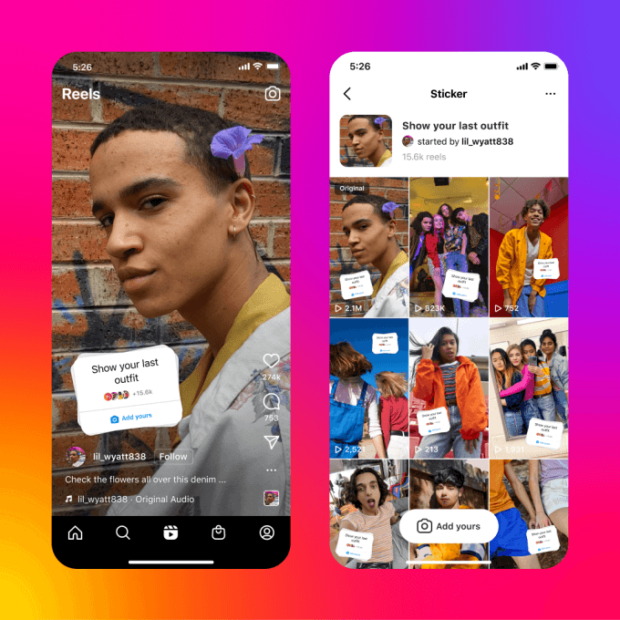
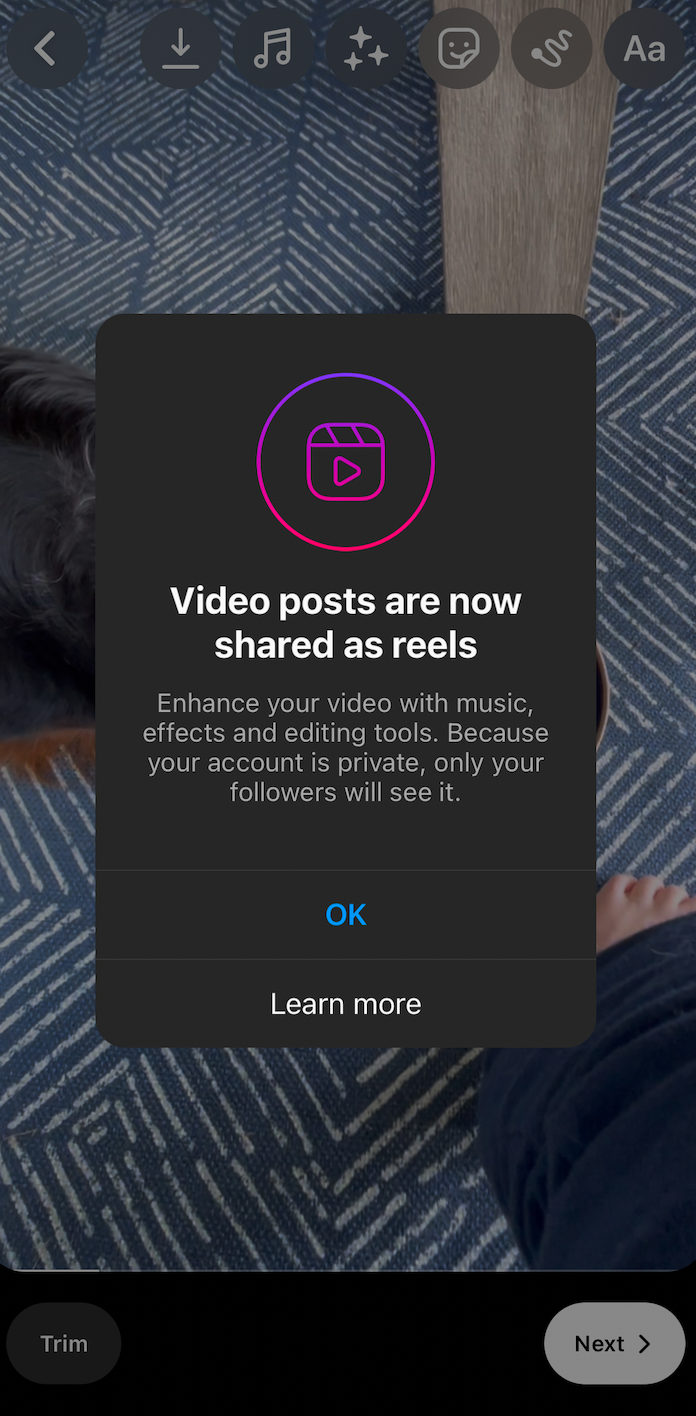
Since its introduction in 2020, Reels has transformed from a secondary feature to the fastest-growing content format across both Facebook and Instagram. Throughout 2022, Meta focused on increasing the visibility and monetization of this format to compete with the dominance of TikTok. Significant updates included the expansion of Reels to 90 seconds and the introduction of "Reels Ads" globally.
The integration of Reels into the broader Facebook ecosystem was completed in late 2022, with the platform allowing users to cross-post content seamlessly between Instagram and Facebook. For creators, Meta introduced enhanced monetization features, including "Stars on Reels," allowing audiences to provide direct financial support. From a logistical standpoint, the introduction of native content scheduling for Reels—first on desktop via Creator Studio and later directly within the Instagram mobile app—addressed a long-standing demand from social media managers for more efficient workflows.
Institutional Trust and Brand Safety Milestones
One of the most significant institutional achievements for Meta in late 2022 was receiving accreditation from the Media Rating Council (MRC) for content-level brand safety on Facebook. This accreditation followed an intensive independent audit of Meta’s policies and controls regarding Partner and Content Monetization. The audit specifically reviewed the suitability of ad placements within Instant Articles and In-Stream videos across desktop and mobile platforms.
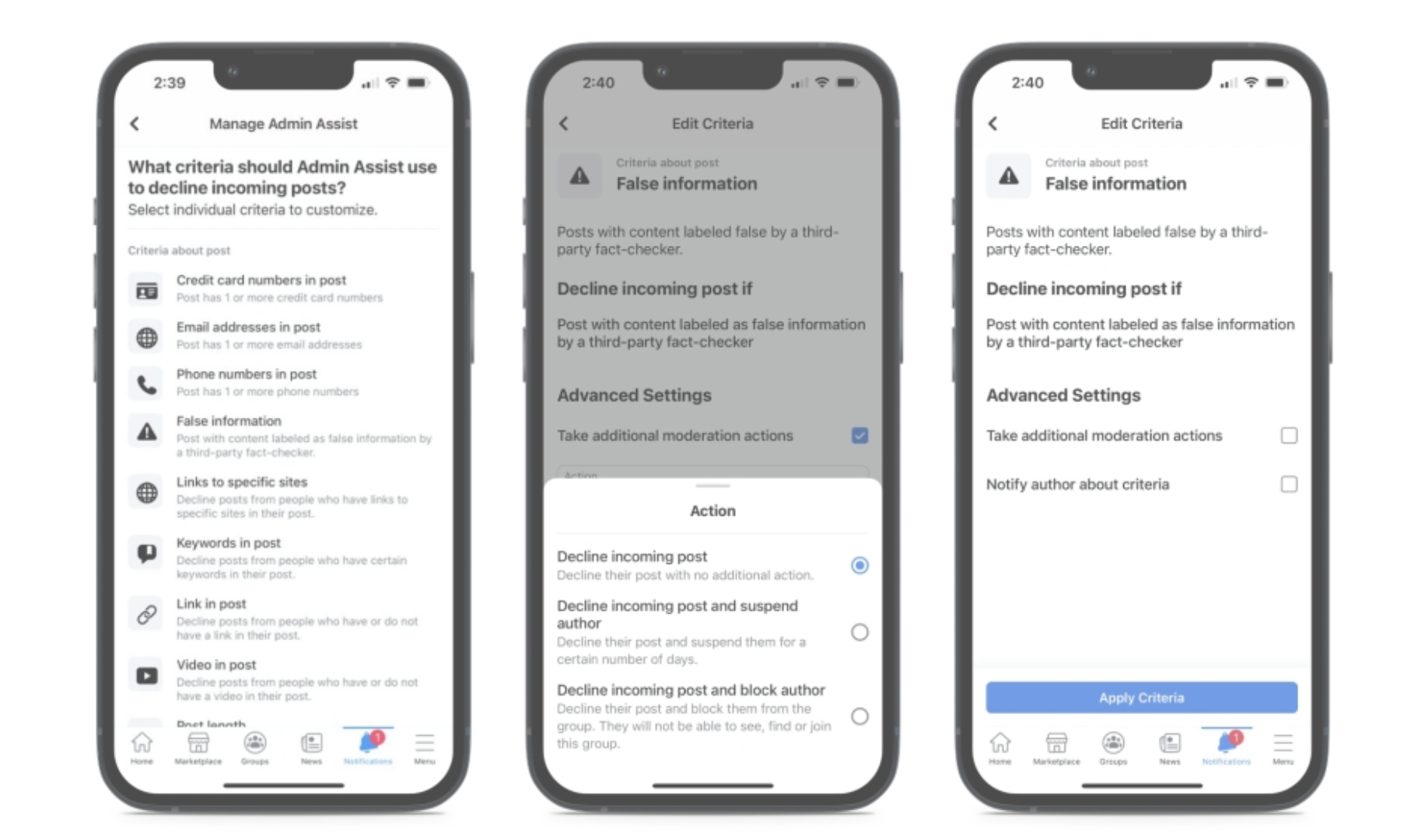
This milestone is part of a multi-year effort to rebuild trust with advertisers following years of criticism regarding ad adjacency to controversial content. By achieving MRC accreditation, Meta provided third-party verification that its systems effectively filter and categorize content to protect brand equity. Furthermore, Meta began testing content-based inventory filters for the Facebook and Instagram feeds, allowing advertisers to choose between "Expanded," "Moderate," and "Limited" inventory based on their specific risk tolerance.

Native Utility and Creator Infrastructure
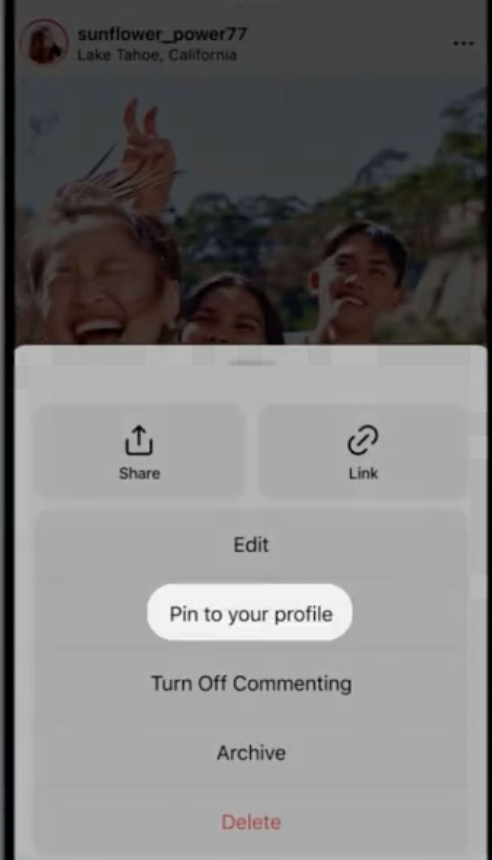
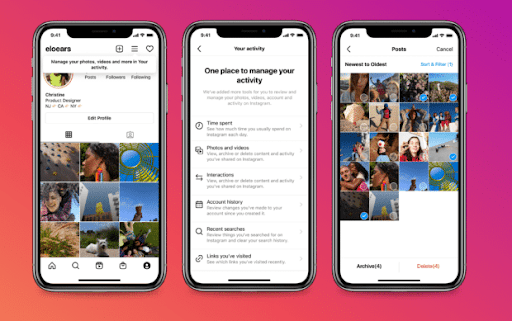
In December 2022, Instagram launched a native content scheduling tool for professional accounts, allowing Business and Creator profiles to schedule Reels, photos, and carousel posts up to 75 days in advance directly from the mobile application. This update represented a significant shift in Meta’s philosophy, moving away from a reliance on third-party APIs for scheduling and toward a more integrated internal utility.
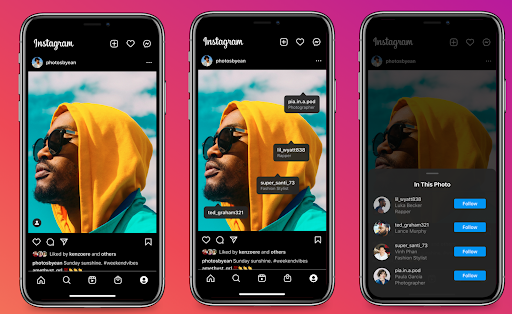
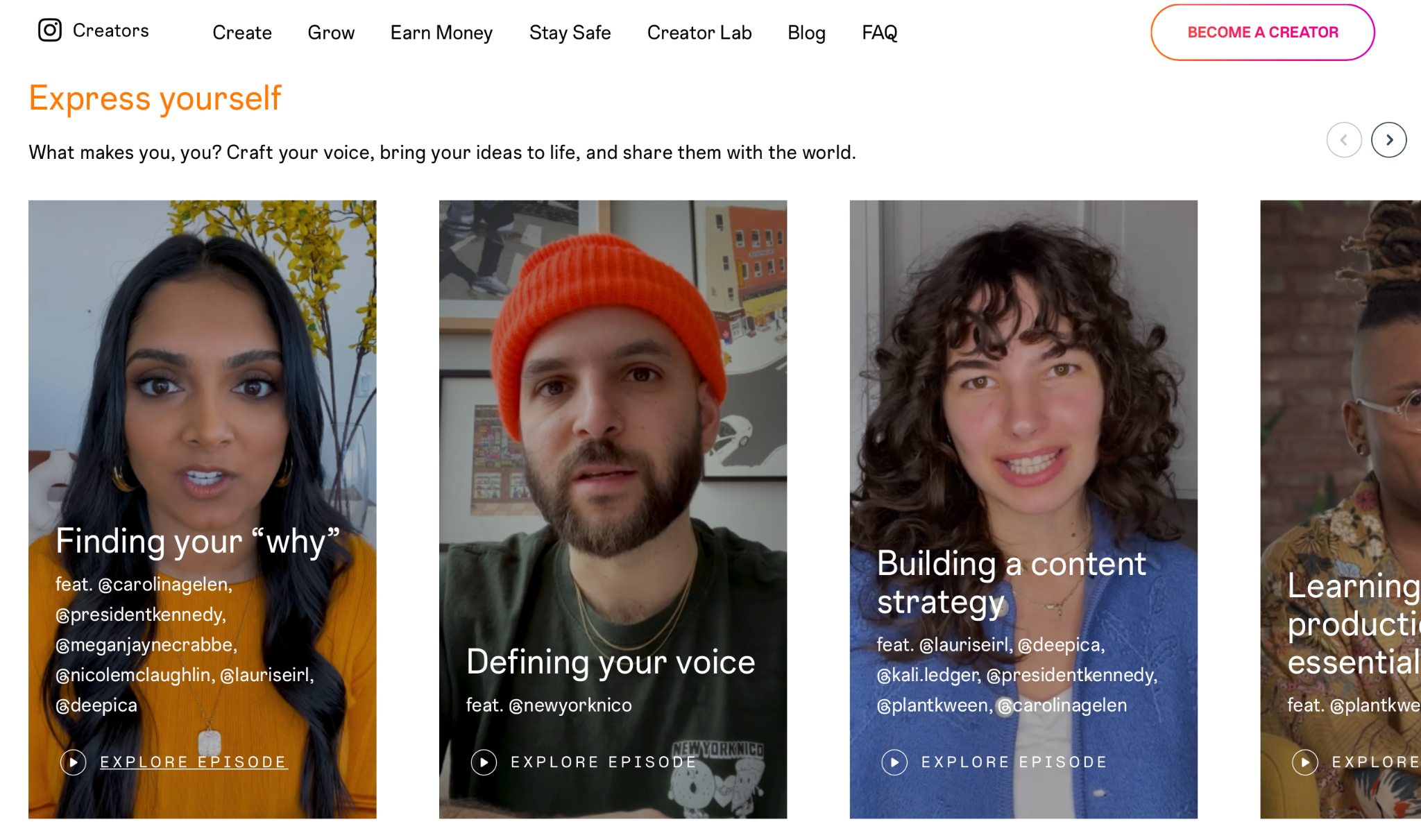
Simultaneously, the expansion of the Instagram Creator Marketplace provided a centralized hub for brand-creator collaborations. The marketplace allows brands to filter creators by demographics, interests, and audience metrics, facilitating more data-driven influencer marketing. New features within this marketplace, such as the "Project Briefs" tool, allow brands to send standardized requests to multiple creators, streamlining the negotiation and contracting phase of influencer campaigns.

The Metaverse Ambition and Financial Context
While Meta’s core apps—Facebook and Instagram—remain the primary revenue drivers, the company continued its aggressive investment in the Metaverse. Throughout 2022, CEO Mark Zuckerberg maintained a commitment to the Reality Labs division, despite the unit incurring significant losses. By the end of the year, Meta had invested over $36 billion into the development of virtual and augmented reality (VR/AR) technologies.
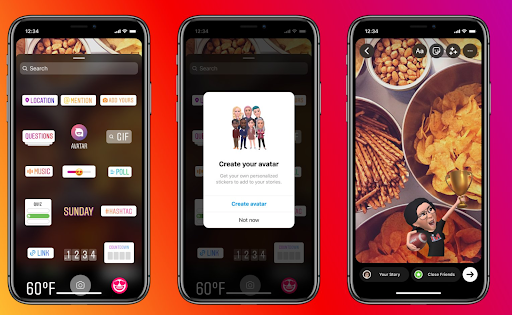
In April 2022, Meta introduced new monetization options in "Horizon Worlds," its flagship VR experience. This allowed a select group of creators to sell virtual items and effects within their worlds, mirroring the economic structures found in traditional gaming platforms like Roblox or Fortnite. Although the commercial success of these virtual spaces remains in its nascent stages, the introduction of 3D avatars across Instagram, Facebook, and Messenger signaled Meta’s intent to bridge the gap between its legacy social platforms and its future hardware-driven ecosystem.
Chronology of Key Updates (2021-2022)
The path to Meta’s current state involved a series of incremental updates that redefined the platform’s utility:
- Late 2021: The corporate rebrand from Facebook Inc. to Meta Platforms, Inc. took place, signaling a long-term shift toward spatial computing.
- January 2022: The rollout of the Instagram Professional Dashboard provided creators with a centralized location for insights and monetization tools.
- March 2022: The return of the chronological feed option on Instagram addressed user concerns regarding algorithmic bias, though the "Home" feed remained the default.
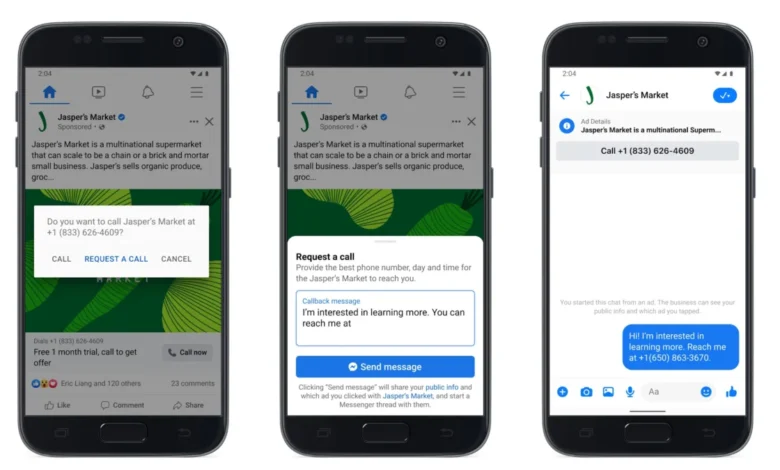
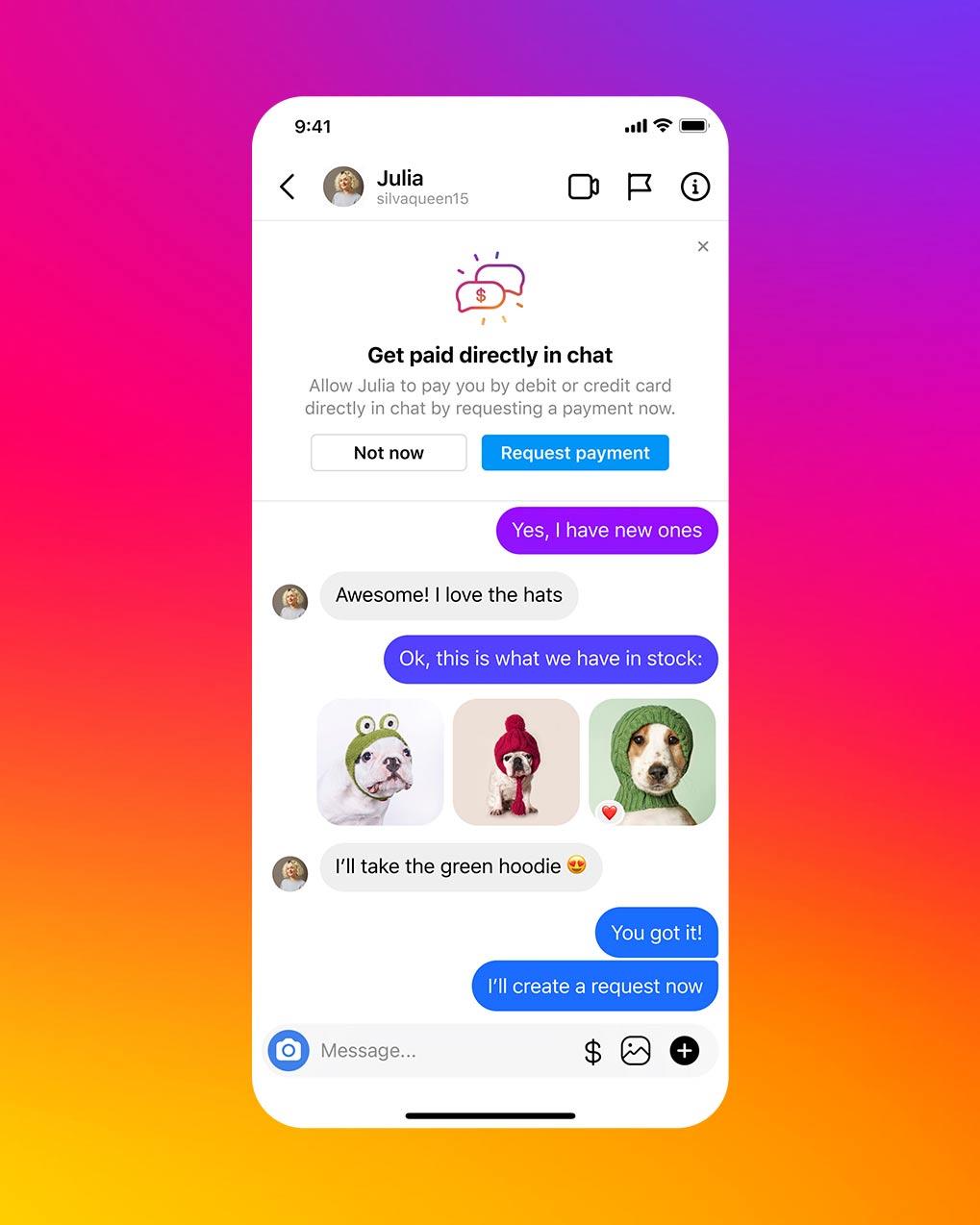
- June 2022: The launch of the Messenger API for Instagram allowed businesses to integrate their DMs with third-party CRM platforms, enhancing customer service capabilities.
- August 2022: Meta announced the shutdown of Facebook Live Shopping, pivoting resources toward Reels and automated shopping ads.
- October 2022: New IP Reporting APIs were introduced to protect creators from intellectual property violations, a move necessary to foster a healthy creator economy.
Implications for the 2023 Digital Landscape
The cumulative effect of these updates suggests a 2023 digital landscape defined by three key trends: the "Reelification" of social media, the dominance of AI-led campaign management, and the maturation of social commerce.
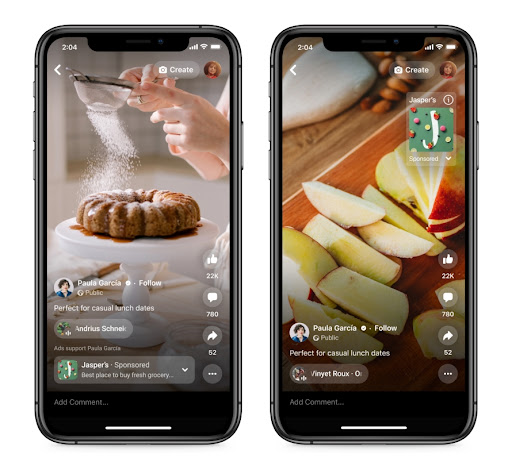
For businesses, the primary takeaway from Meta’s 2022 evolution is the necessity of adopting short-form video. Reels are no longer an optional format but the primary vehicle for reach and engagement. The platform’s shift toward an "unconnected" discovery engine—where users are shown content based on interests rather than who they follow—means that creative quality now outweighs follower counts in determining viral success.
Furthermore, the automation provided by Advantage+ campaigns suggests that the role of the media buyer is shifting from technical execution to strategic creative direction. As Meta’s AI takes over the minutiae of bid management and targeting, the competitive advantage for brands will increasingly lie in their ability to produce high-volume, high-quality creative assets that resonate with specific audience segments.
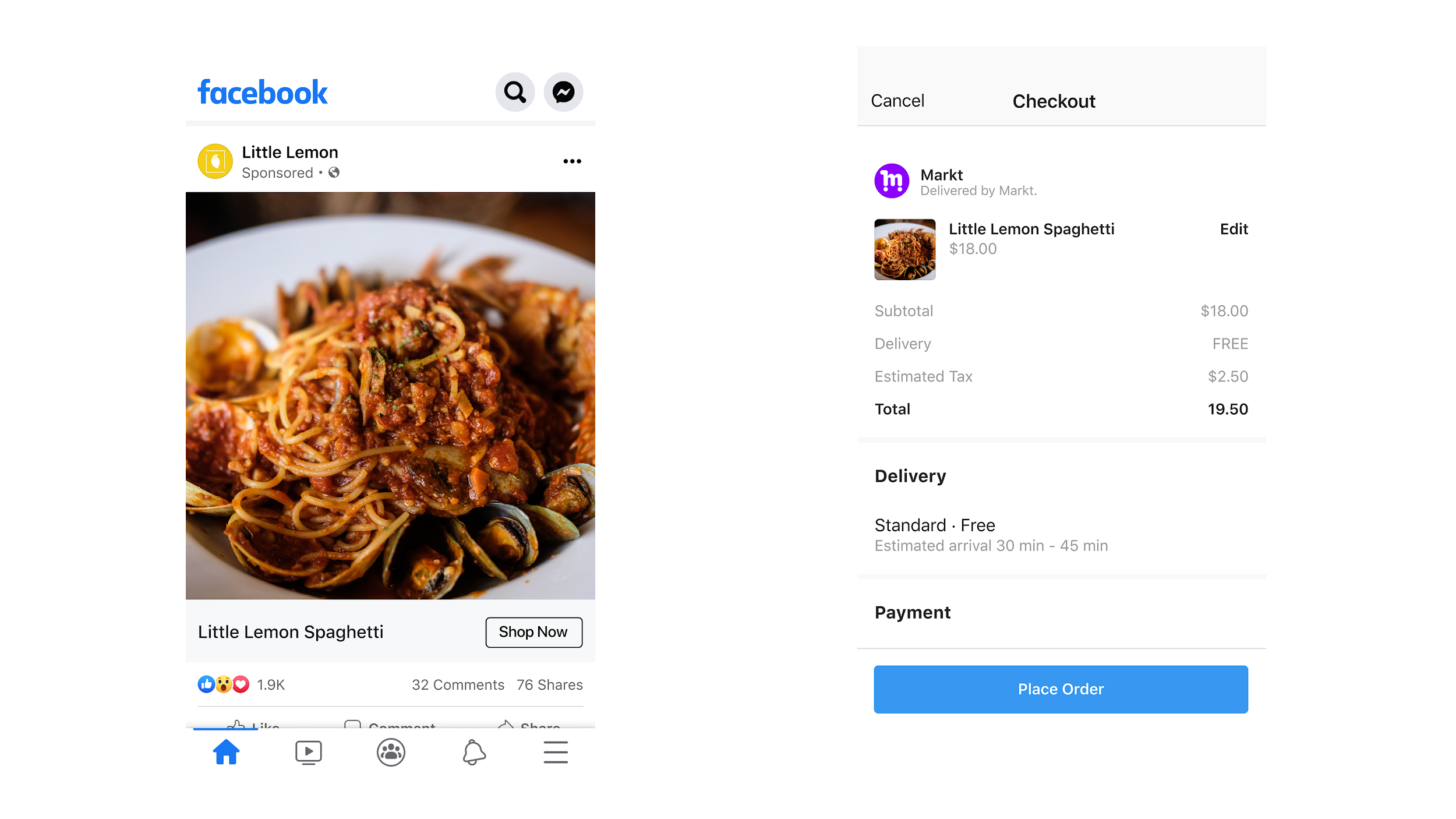
Finally, the integration of WhatsApp into the Meta Business Suite and the introduction of "Paid Online Events" and "Subscriptions" indicate that Meta is seeking to diversify its revenue streams. By providing tools for businesses to manage the entire customer journey—from initial discovery on Reels to final conversion in a WhatsApp chat—Meta is positioning itself as an end-to-end e-commerce solution, rather than just a top-of-funnel advertising platform.
As Meta continues to invest in the Metaverse and refine its AI capabilities, the 2023 outlook remains focused on efficiency. Marketers who leverage the new automation tools while maintaining a rigorous focus on brand safety and creative innovation are best positioned to navigate this modernized ecosystem. Meta’s journey through 2022 was one of consolidation and adaptation, ensuring that even in a post-cookie world, its platforms remain indispensable to the global advertising economy.