The Sales Productivity Crisis and the Rise of AI-Driven Contact Intelligence Solutions


The modern sales environment is currently defined by a paradox: while technology has proliferated to support revenue generation, the actual time sales professionals spend engaged in selling activities has reached a historic low. Recent industry analysis indicates that sales representatives spend an average of only 35.2% of their workweek—approximately 14 hours out of a 40-hour schedule—directly interacting with prospects or closing deals. The remaining 65% of their time is consumed by administrative overhead, data entry, and, most critically, the manual search for actionable contact information. This systemic inefficiency has prompted the development of specialized intelligence tools, such as XANT’s PeopleFinder, which aim to automate the lead-discovery process and align sales efforts with the complexities of modern buying committees.
The Anatomy of the Sales Productivity Gap
To understand the necessity of automated contact discovery, one must examine the operational hurdles facing contemporary sales teams. Research from InsideSales.com highlights that the "selling time" metric has stagnated despite the implementation of advanced Customer Relationship Management (CRM) systems. This phenomenon is largely attributed to the fragmentation of data and the increasing difficulty of mapping organizational hierarchies.
For decades, the sales process relied on the "champion" model, where a single point of contact within a target organization served as the gateway to a deal. However, the professional landscape has shifted. The modern B2B buying committee has expanded significantly; current estimates suggest that a typical enterprise-level purchase now involves between six and ten decision-makers. When a sales representative identifies only one or two contacts, they are often unaware of the underlying stakeholders who hold veto power or budget authority. This lack of visibility leads to "stalled deals"—transactions that appear promising but fail because the representative lacked access to the full spectrum of the buying group.
The Evolution of Buyer Intelligence
The introduction of PeopleFinder represents a shift from reactive lead generation to proactive buyer intelligence. Historically, sales development representatives (SDRs) spent their mornings scouring LinkedIn, third-party databases, and company websites to build prospect lists. This manual labor was not only time-consuming but prone to errors, often resulting in inaccurate contact data or outdated job titles.
The technological leap provided by tools like PeopleFinder lies in the aggregation of collective intelligence. By drawing upon the aggregate data records of all XANT technology users, the system identifies patterns in how companies buy and who is involved in those processes. This collective data pool is then cross-referenced and verified against independent, third-party databases to ensure high deliverability rates. Unlike traditional CRM-tethered tools, this platform proactively suggests contacts even if they do not currently exist within the client’s internal database, effectively bridging the gap between existing CRM data and the reality of the market.
Chronology of the Modern Sales Workflow
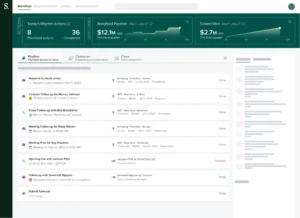
The integration of such tools into the daily sales workflow follows a structured, digitized sequence. For organizations utilizing the Playbooks environment, the process begins with the "NEW" notification alert. This feature functions as a diagnostic tool that continuously scans for relevant individuals associated with an active account or a similar persona profile.
- Identification Phase: The system monitors user activity and organizational trends to flag potential stakeholders who have not yet been contacted.
- Verification Phase: Once a potential contact is identified, the system automatically validates the information against external datasets to prevent bounced emails or disconnected phone lines.
- Contextual Enrichment: The system does not merely provide a name and email address. It assigns metadata to the contact, such as their role within the committee, their likely level of influence, and their alignment with the specific deal structure.
- Integration Phase: The validated, enriched data is then pushed directly into the representative’s workflow, allowing them to initiate outreach without navigating away from their primary sales interface.
Data-Driven Analysis of Sales Efficiency
The implications of these tools on revenue operations are quantifiable. If a sales organization can reclaim even 10% of the 65% currently lost to non-selling activities, the impact on annual recurring revenue (ARR) is substantial. For a team of 50 representatives, reclaiming five hours per week per person equates to an additional 250 hours of selling time per week across the department.
Furthermore, the quality of these contacts directly correlates to conversion rates. Data suggests that multi-threaded deals—those involving three or more stakeholders—have a significantly higher close rate compared to single-threaded deals. By automating the discovery of these stakeholders, platforms like PeopleFinder mitigate the risk of "surprises" late in the sales cycle, such as an unknown CFO blocking a purchase or an unconsidered IT lead requiring additional security verification.
Industry Implications and Strategic Shifts
The broader implication for the sales industry is a movement toward "predictive selling." In the past, the sales process was linear: research, reach out, repeat. Today, the process is increasingly circular and data-informed. The ability to leverage the collective intelligence of an entire ecosystem—anonymized data from thousands of other sales interactions—provides a distinct competitive advantage.
Experts in sales operations suggest that the future of the profession lies in the automation of the "pre-work." As AI becomes more adept at identifying personas and mapping organizational structures, the role of the sales representative will evolve from a researcher/data-gatherer to a strategic consultant. The primary value of the sales professional will be their ability to synthesize the intelligence provided by tools like PeopleFinder and translate it into a compelling business case for the buyer.
Official Perspectives and Market Position
While XANT has positioned PeopleFinder as a "secret superpower" for sales teams, the underlying logic is grounded in the necessity of scale. When companies grow, their CRM databases often become cluttered with stale, incomplete, or duplicate entries. By providing external, verified data, these tools act as a "data hygiene" layer that keeps the sales pipeline clean and relevant.
Industry analysts observe that as remote and hybrid work environments become the norm, the difficulty of identifying "who is who" in a target company has increased. Face-to-face networking is less frequent, and organizational charts are more fluid. In this environment, digital intelligence platforms serve as the surrogate for the traditional "word-of-mouth" intelligence that once dominated B2B sales.
Conclusion: Reclaiming the Selling Hour
The challenge of the 21st-century sales professional is not a lack of effort, but a lack of focus. By reducing the time spent on low-value research and administrative tasks, organizations can empower their teams to focus on the high-value activities that drive revenue: relationship building, negotiation, and strategic problem-solving.
The shift toward intelligent contact discovery is not merely a trend but a fundamental requirement for remaining competitive in an era of complex, committee-led buying. As the tools that facilitate these insights become more sophisticated, the gap between organizations that utilize buyer intelligence and those that rely on manual, legacy methods will continue to widen. For sales leadership, the mandate is clear: removing the "guessing work" from the prospecting process is the most direct route to improving sales performance, increasing deal velocity, and ensuring long-term growth in a crowded and noisy marketplace. The integration of such technology into the daily rhythm of the sales team marks a transition from volume-based selling to precision-based revenue generation.
Related posts: