Faces of HR: Sara Chapman on the Evolution of Strategic Human Resources and the Power of Data-Driven Leadership

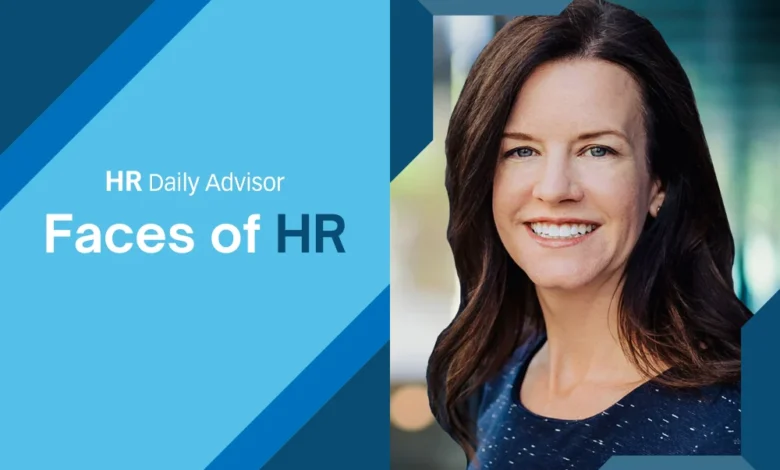
The modern landscape of Human Resources has undergone a seismic shift over the last two decades, moving from a back-office administrative function to a pivotal seat at the executive table. At the forefront of this transformation is Sara Chapman, the Chief Human Resources Officer (CHRO) at Ulteig, whose career spanning more than 20 years serves as a blueprint for the "strategic HR" movement. Chapman’s journey reflects the broader industry trend of aligning people operations directly with business outcomes, a philosophy that prioritizes evidence-based decision-making and human-centered leadership in equal measure.
The Foundation of a Two-Decade Career in People Operations
Sara Chapman’s entry into the professional world of HR began in the early 2000s, a period characterized by the nascent stages of the "HR Business Partner" model. Her initial roles were grounded in the fundamentals of employee relations and HR business partnership. During these formative years, Chapman developed a keen understanding of the essential relationship between a company’s workforce and its bottom line. This early exposure to the "front lines" of the workplace allowed her to witness firsthand the complexities of organizational dynamics, from conflict resolution to the nuances of employee engagement.
As her career progressed, Chapman transitioned into senior talent management roles that required a broader, enterprise-level perspective. A significant portion of this growth occurred within the context of a complex, regulated utility company. In this environment, the stakes for talent management were exceptionally high, requiring rigorous learning and development (L&D) programs, meticulous succession planning, and robust performance management systems. Leading large-scale change initiatives in a regulated industry taught Chapman the value of resilience and the necessity of strategic patience—lessons that would later define her executive approach.
Before joining Ulteig, Chapman further diversified her portfolio by holding leadership positions in high-growth startups and professional services firms. This variety of environments—ranging from the high-stakes stability of public utilities to the volatile agility of the startup world—provided her with a comprehensive toolkit for navigating different organizational lifecycles.
Driving Performance at Ulteig: A Purpose-Driven Approach
Today, as CHRO of Ulteig, an infrastructure engineering firm, Chapman is responsible for overseeing the human capital strategy for a workforce dedicated to some of the most critical projects in the nation’s power, renewables, and water sectors. Ulteig operates in a highly competitive field where specialized technical talent is in short supply. According to recent industry data from the American Council of Engineering Companies (ACEC), the demand for civil and electrical engineers is expected to outpace the supply of graduates for the foreseeable future. In this context, Chapman’s role is not merely to fill seats but to cultivate a culture that attracts and retains elite talent through purpose-driven work.
At Ulteig, Chapman partners with the executive team to ensure that talent strategies are not siloed but are instead interwoven with long-term business objectives. This alignment is critical in the engineering sector, where project timelines can span years and require stable, highly engaged teams. By fostering a "people-centric" culture, Chapman aims to create an environment where employees can thrive personally while delivering the technical excellence required by the firm’s clients.
The Analytical Edge: Blending Academics with Data-Driven HR
Chapman’s approach is distinguished by a strong academic foundation and a commitment to data-driven methodology. She holds a Bachelor of Science in Business and Human Resources from Minnesota State University, Mankato, and a Master of Arts in Human Resources and Change Leadership from the University of St. Thomas. These credentials have provided her with the theoretical framework necessary to apply analytical rigor to the traditionally "soft" science of HR.
In the current corporate environment, the use of People Analytics has become a differentiator for high-performing companies. Chapman utilizes data-driven evaluations to assess everything from leadership potential to team dynamics and organizational fit. By leveraging metrics, she is able to move beyond anecdotal evidence to provide objective insights that inform hiring, promotions, and organizational restructuring. This blend of analytical rigor and coaching expertise allows her to drive performance while maintaining the integrity of the company culture.
Influences and the Shift Toward Evidence-Based Management
When discussing her professional philosophy, Chapman points to Marc Effron, author of One Page Talent Management, as a primary influence. Effron’s work, which gained significant traction around 2011, challenged HR professionals to strip away unnecessary complexity and focus on people practices that drive actual business results. This "direct perspective" and reliance on data-driven research resonated with Chapman, reinforcing her belief that HR must be as evidence-based as any other business function.
Beyond theoretical influences, Chapman’s leadership style has been shaped by diverse mentors. She notably advocates for the idea that leadership success is not a monolith. Having worked under leaders who valued different temperaments, she realized that introverts can be exceptionally effective leaders, bringing unique perspectives and thoughtful deliberation to executive teams. This realization has informed her efforts to create inclusive environments where various leadership styles are recognized and nurtured.
Redefining Failure: The "Best Mistake" Philosophy
In a professional landscape that often penalizes errors, Chapman takes a nuanced view of mistakes. Reflecting on her career, she acknowledges that while she has made hiring errors or career moves that she might approach differently today, the most significant lesson was learning how to process those setbacks.
Early in her career, Chapman admitted to a tendency to overanalyze mistakes, replaying scenarios and carrying the weight of perceived failures. Over time, she transitioned to a mindset of continuous learning. This shift is vital for modern leaders; as organizational psychologist Carol Dweck’s research on "growth mindset" suggests, leaders who view mistakes as opportunities for data collection rather than personal failure are more resilient and better equipped to handle the complexities of the modern workplace. Chapman now focuses on "thoughtful reflection" rather than perfection, a trait she encourages within her teams at Ulteig.
The Dual Nature of Modern HR: Impact and Emotional Weight
Chapman identifies the breadth of the HR field as one of its most rewarding aspects. The function touches every part of the employee lifecycle, from data analysis to the emotional labor of supporting individuals through their most difficult professional moments. She notes that the impact of HR extends beyond the office walls; a positive workplace culture influences the well-being of families and communities.
However, she does not shy away from the "heavier" side of the profession. HR leaders often have a front-row seat to organizational dysfunction, layoffs, and personal crises. Because much of this work is governed by strict confidentiality, HR professionals often carry this emotional weight in silence. Chapman’s recognition of this "quiet burden" highlights the need for mental health support and peer networks within the HR community itself.
Strategic Partnership: How Leaders Can Empower HR
A recurring theme in Chapman’s leadership is the necessity for company executives to treat HR as a strategic partner rather than a support function. For HR to provide maximum value, leaders must involve people-strategy experts early in the decision-making process—well before a change is implemented.
When HR is integrated into the planning phase, it can provide insights into how a merger, a shift in remote-work policy, or a new product launch will impact the workforce. This proactive approach helps mitigate "change fatigue" and ensures that the organization’s values are translated into everyday behaviors. According to Chapman, HR’s greatest impact occurs when it helps leaders model the behaviors they wish to see in their employees, such as psychological safety and inclusive feedback loops.
The Future Landscape: Technology as a Human Connector
Looking toward the next five years, Chapman anticipates that technology and Artificial Intelligence (AI) will become even more deeply embedded in the workplace. While some fear that automation will devalue the human element of work, Chapman offers a more optimistic perspective: technology can serve as a catalyst for human connection.
By automating transactional processes—such as payroll, benefits administration, and basic data entry—HR professionals are freed to focus on high-value, strategic priorities like talent development and culture-building. Chapman believes that companies that successfully navigate this digital transformation will be those that use technology to bring people closer together, solving complex problems through enhanced collaboration and faster access to information.
For HR specifically, the next half-decade will require a shift in operating models. HR leaders will need to solve questions around accountability in a digital environment and how to scale culture in a hybrid or remote world. Chapman’s vision for the future is one where data-driven insights and human-centered leadership coexist to sustain long-term organizational performance.
Conclusion: Advice for the Next Generation of HR Professionals
For those entering the profession today, Chapman’s advice is rooted in business literacy. She emphasizes that to be an effective HR partner, one must first understand how the business creates value and operates on a day-to-day basis. "Learn the business, not just the HR function," she advises.
By staying curious and seeking diverse experiences across different facets of HR—from compensation and benefits to organizational design—new professionals can build the resilience and perspective necessary for executive leadership. Sara Chapman’s career serves as a testament to the fact that when HR is grounded in data, aligned with business goals, and led with empathy, it becomes an indispensable driver of corporate success and employee well-being.
Related posts: