Strategic Marketing Approaches for August Navigating the Seasonal Transition and National Observances


August represents a critical juncture in the annual retail and marketing calendar, serving as a transitional bridge between the height of summer leisure and the peak productivity of the autumn season. For businesses across various sectors, this 31-day period offers a multifaceted landscape of opportunities ranging from socio-economic observances like Black Business Month to the high-stakes commercial cycle of the back-to-school season. As consumer behavior shifts toward preparation for the final quarter of the year, marketing strategists are increasingly leveraging niche holidays and thematic observances to maintain brand engagement during what has traditionally been viewed as a mid-summer lull.

The month of August is characterized by a unique duality in consumer sentiment. On one hand, there is a desire to maximize the remaining days of summer vacation, driving demand for travel, outdoor recreation, and family-oriented activities. On the other hand, the impending return to academic and professional routines creates a surge in demand for organizational tools, apparel, and technology. Understanding this shift is essential for businesses seeking to deploy effective, data-driven campaigns that resonate with their target demographics.
National Black Business Month and the Drive for Economic Equity
One of the most significant observances in August is National Black Business Month. Founded in 2004 by historian John William Templeton and engineer Frederick E. Jordan, the initiative was designed to highlight the importance of Black-owned businesses to the national economy and to address the systemic challenges these entrepreneurs face in accessing capital and market share.
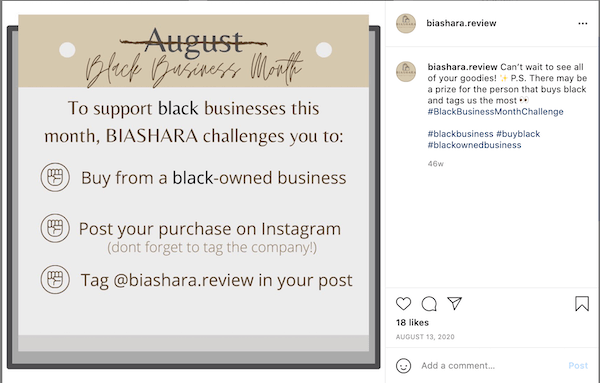
From a marketing perspective, this month provides a platform for brands to demonstrate their commitment to diversity, equity, and inclusion (DEI). Industry analysts suggest that consumers, particularly those in the Millennial and Gen Z cohorts, are increasingly prioritizing brand values in their purchasing decisions. A 2023 consumer study indicated that nearly 64% of shoppers are likely to support brands that take a visible stand on social and economic justice issues.
Strategic implementation of Black Business Month marketing involves more than temporary social media recognition. Businesses are encouraged to form long-term partnerships with Black-owned suppliers, host collaborative events, and utilize their platforms to spotlight the narratives of Black entrepreneurs. This approach shifts the focus from performative marketing to substantive economic support, fostering a sense of community trust and long-term brand loyalty.

The Economic Impact of the Back-to-School Season
August is synonymous with the back-to-school season, which remains the second-largest spending period of the year for retailers, trailing only the winter holiday season. According to data from the National Retail Federation (NRF), back-to-school spending has seen a consistent upward trajectory over the past decade. In recent years, total spending for K-12 and college students has exceeded $100 billion nationwide.
The "fresh start" mentality associated with the new school year allows marketers to employ themes of goal-setting and organization. This is not limited to educational suppliers; businesses in the fitness, home organization, and technology sectors also capitalize on this seasonal shift. Successful campaigns often mirror the strategies used during the New Year period, focusing on self-improvement and lifestyle optimization.

Chronologically, back-to-school marketing typically begins in early July, but August is the period of peak conversion. Retailers often utilize "tax-free" weekends, which are scheduled by various state governments during August, to drive foot traffic and online sales. These periods provide a measurable spike in transaction volume, making them a focal point for performance marketing audits and inventory management.
Wellness and the Rise of Simpler Living
August is designated as National Wellness Month, a theme that coincides with the first week of the month being "Simplify Your Life Week." This trend aligns with broader shifts in consumer behavior identified by major platforms like Amazon and Pinterest, where users are increasingly seeking "simpler living" and "digital detox" strategies.

For businesses, this represents an opportunity to market products and services that reduce stress or improve efficiency. The psychological impact of the "August heat" often leads to a desire for relaxation and mental clarity before the high-intensity pace of September begins. Marketing ideas in this category include:
- Productivity Tools: Promoting apps or physical planners that help users organize their schedules.
- Wellness Services: Offering promotions for spas, gyms, or mental health resources under the banner of National Relaxation Day (August 15).
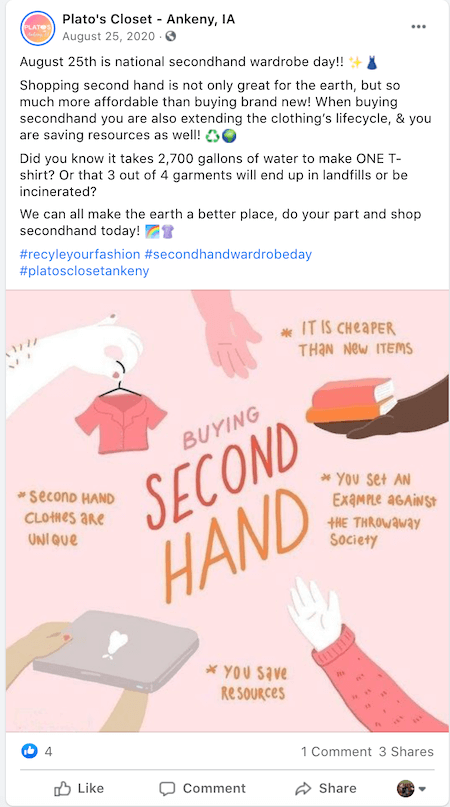
- Decluttering Campaigns: Encouraging customers to trade in old products or participate in clothing drives, such as those associated with Secondhand Wardrobe Day (August 25).
By tapping into the wellness movement, brands can position themselves as partners in their customers’ quality of life, rather than mere vendors of goods.

Leveraging Niche Holidays for Brand Awareness
Beyond major monthly themes, August is populated with various "National Days" that provide hooks for creative social media engagement and short-term promotions. These dates allow brands to showcase their personality and engage in "human-centric" marketing.
National Dog Day (August 26): This has become one of the most popular social media holidays. Businesses often see high engagement rates by featuring employee pets or encouraging user-generated content. Given that the pet industry is a multi-billion dollar sector, even non-endemic brands can benefit from the positive associations of pet ownership.
National Book Lovers Day (August 9): This date serves as a strategic point for thought leadership. Industry influencers and executives often share reading lists, which humanizes the brand and positions the leadership as well-informed and intellectually curious.
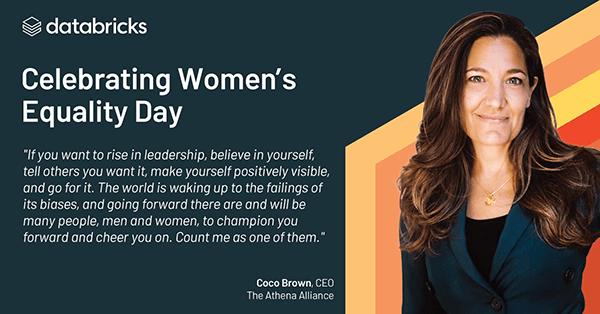
Women’s Equality Day (August 26): Commemorating the 1920 certification of the 19th Amendment, this day is a focal point for highlighting female leadership within organizations and supporting causes that advocate for gender parity in the workplace. It provides a serious, mission-driven contrast to more lighthearted holidays.

Strategic Promotion Tactics for the Mid-Summer Period
As the month progresses, businesses must navigate the "end-of-summer" clearance phase. This is a critical time for inventory turnover, particularly for seasonal goods like outdoor furniture, summer apparel, and pool supplies.
Influencer Marketing: August is a prime time for influencer collaborations, especially for brands targeting younger demographics. Influencers are particularly effective at bridging the gap between the "summer aesthetic" and "back-to-school readiness." Data suggests that micro-influencers—those with 10,000 to 50,000 followers—often provide a higher return on investment (ROI) due to their more engaged and niche audiences.
Urgency and Scarcity: The use of countdown timers for Labor Day sales (which often begin in late August) creates a psychological sense of urgency. As Labor Day approaches, consumers are primed for "last chance" offers, making time-sensitive promotions highly effective.
"Just Because" Marketing: National Just Because Day (August 27) offers a unique psychological trigger. By offering a discount or a gift "just because," brands can bypass the traditional sales-heavy rhetoric and foster a sense of goodwill. This tactic is often used to reward loyal customers and re-engage dormant email subscribers.

Analysis of Implications for Small to Medium Enterprises (SMEs)
For small and medium-sized enterprises, the diverse marketing opportunities in August require careful resource allocation. Unlike large corporations with massive advertising budgets, SMEs must be selective in which holidays they celebrate. The implication is that authenticity outweighs volume; a small business that genuinely supports a local charity for World Humanitarian Day (August 19) may see better community integration than one that attempts to capitalize on every minor holiday.
Furthermore, the transition to September requires businesses to conduct a thorough performance audit in late August. Using tools like Google Ads Performance Graders or social media analytics, companies can determine which themes resonated most with their audience. This data becomes the foundation for Q4 strategies, which often demand higher ad spends and more competitive positioning.

Conclusion: The Strategic Imperative of August
August is far more than a simple countdown to the end of summer. It is a complex month of social reflection, economic intensity, and strategic preparation. From the historical significance of the Spirit of ’45 Day to the modern coding movement celebrated on National WebMistress Day, the month offers a rich tapestry of narratives for brands to weave into their identity.
The broader impact of successful August marketing is the establishment of a momentum that carries into the holiday season. By connecting with consumers through a mix of high-utility promotions (like back-to-school) and high-emotion observances (like National Friendship Day), businesses can ensure they remain top-of-mind as the market moves into the most competitive quarter of the fiscal year. Consistency, authenticity, and data-driven agility remain the hallmarks of those who successfully navigate the August marketing landscape.