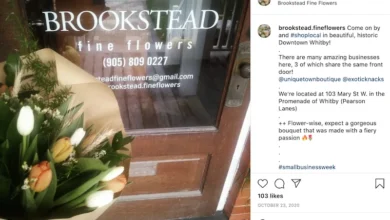
The Ultimate Guide to Crafting High-Performing Instagram Captions for Brands and Creators


While Instagram remains fundamentally rooted in visual media—distinguishing itself from text-heavy platforms like Facebook, LinkedIn, or X (formerly Twitter)—the strategic importance of the accompanying text cannot be overstated. For modern brands, creators, and digital marketers, captions are no longer an afterthought; they are a critical component of successful social media marketing.
Whether an organization aims to elevate brand awareness, attract a new demographic of followers, foster community engagement, or directly drive e-commerce sales, mastering the art of the Instagram caption is an operational necessity. Captions provide essential context to visual assets, facilitate meaningful storytelling that humanizes a brand, and expand algorithmic reach across the platform. This comprehensive guide explores the anatomy of an effective Instagram caption, provides strategic frameworks for writing compelling copy, and details technical best practices to maximize digital impact.

Understanding the Instagram Caption Ecosystem
On Instagram, a caption serves as the written narrative accompanying a photo, video post, or Reel. Users are allotted up to 2,200 characters per caption, a space that can accommodate continuous text, emojis, and hashtags. However, a crucial platform limitation remains: clickable hyperlinks cannot be embedded directly within organic captions, restricting direct web-traffic generation to profile biographies, Stories, or paid advertisements.
Because of this structural constraint, organic captions must work harder to bridge the gap between inspiration and conversion. Industry data indicates that audiences do not merely scroll past well-crafted text; they engage with it. According to internal platform metrics evaluated across major social media management firms, posts featuring thoughtful, context-rich narratives consistently outperform strictly visual posts in overall algorithmic visibility.
Strategic Frameworks: How to Write the Perfect Instagram Caption
Writing a compelling caption requires a blend of psychology, timing, and structural clarity. While pre-written templates and popular phrases offer a helpful baseline for quick content scaling, original copywriting demands adherence to specific foundational principles.

1. Capitalize on the "Thumb-Stopping" Value Proposition
With millions of posts flooding user feeds every minute, capturing attention requires an immediate hook. Digital marketers refer to this as achieving a "thumb-stopping" effect.
A primary strategy for securing this engagement is placing the core value proposition at the very beginning of the caption. By front-loading the most compelling information or the primary benefit to the consumer, brands incentivize users to click the "more" button and engage with the designated Call to Action (CTA).
For instance, prominent direct-to-consumer grocery services frequently open seasonal posts with simplified solutions to common consumer pain points, such as highlighting quick, family-friendly dinner recipes during high-stress holiday months. By addressing an immediate audience need within the first sentence, brands dramatically reduce drop-off rates.

2. Navigate Character Limits and Content Length
A common debate among digital strategists centers on optimal caption length. While short, punchy captions work well for high-impact visual announcements, extensive research demonstrates the value of long-form storytelling.
An extensive engagement experiment conducted by social media analytics teams revealed that captions ranging between 400 and 705 characters—roughly equivalent to a short paragraph providing deep context or a mini-narrative—frequently achieved higher engagement rates than micro-captions under 65 characters. Users appreciate transparency, behind-the-scenes insights, and educational content that adds substantive value to the visual asset.
3. Leverage Cultural Relevance and Relatability
Incorporating pop culture references, seasonal clichés, or recognizable idioms into copywriting makes commercial content feel inherently human and approachable. When a fashion retailer pairs a high-fall editorial image with a playful nod to changing weather patterns, it instantly establishes a shared cultural moment with the consumer.
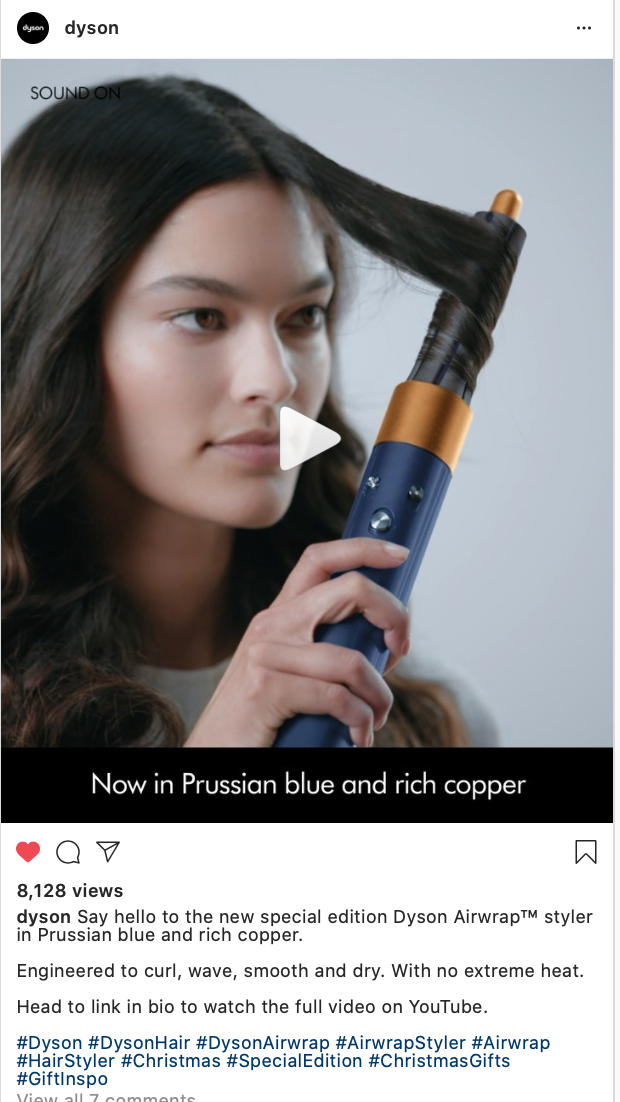
This contextual alignment invites the audience into an ongoing conversation regarding lifestyle trends, shifting the dynamic from a traditional broadcast advertisement to an interactive community dialogue.
4. Implement a Strategic Hashtag Architecture
Hashtags remain a vital discovery mechanism on Instagram, allowing content to transcend existing follower networks and appear in targeted feeds. While Instagram permits up to 30 hashtags per post, platform guidelines and algorithmic updates increasingly favor quality over quantity—typically recommending a curated selection of 5 to 15 highly relevant tags.
A balanced hashtag strategy should diversify across several categories:
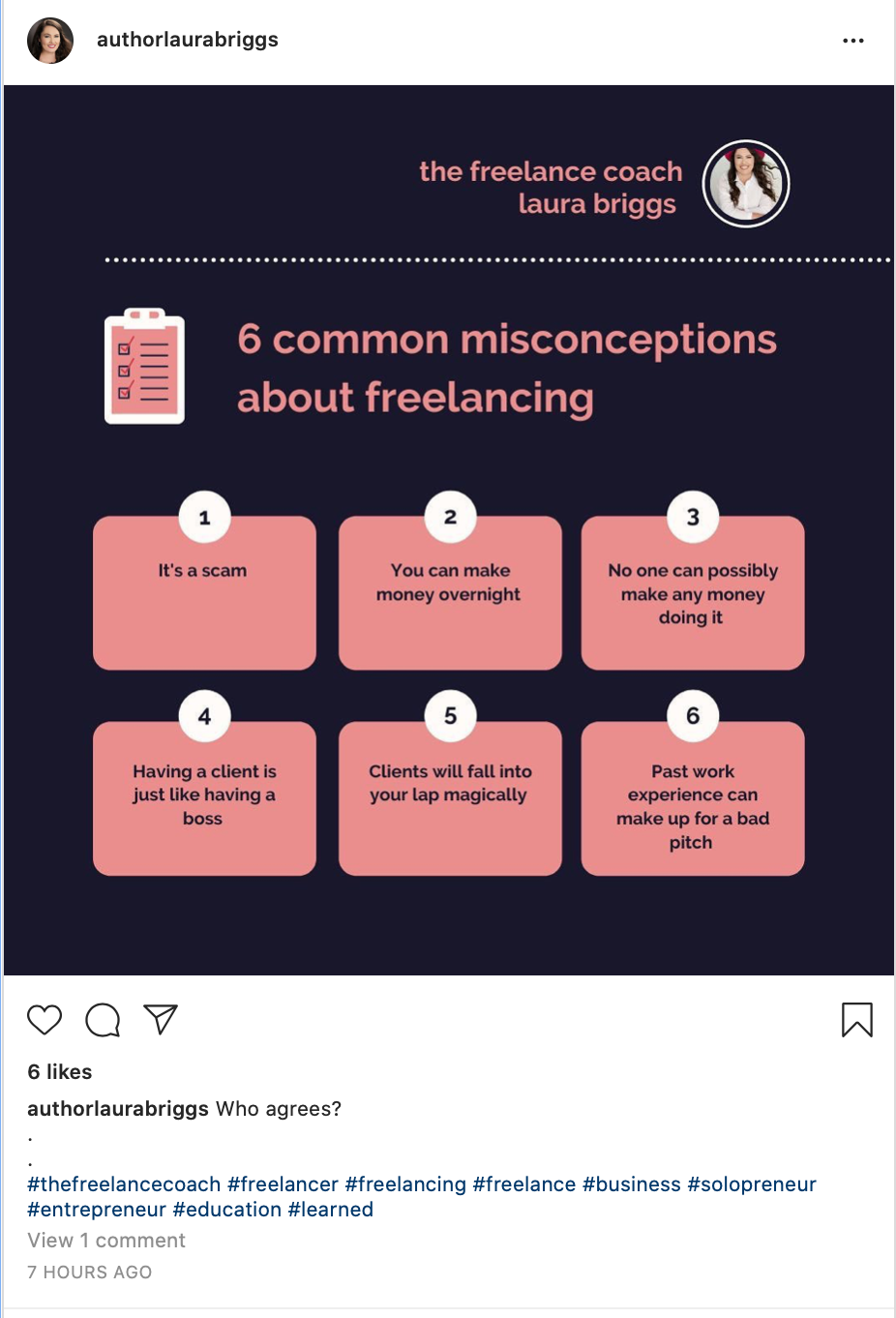
- Branded Hashtags: Unique identifiers specific to the company or campaign (e.g., #DysonHair).
- Seasonal or Timely Hashtags: Tags capitalizing on current holidays, weather events, or cultural moments (e.g., #GiftInspo, #ChristmasGifts).
- Interest-Based Hashtags: Niche keywords reflecting the specific vertical or community (e.g., #SustainableFashion, #HomeCooking).
- Location-Based Hashtags: Geotags or local descriptors for brick-and-mortar businesses targeting regional demographics.
5. Optimize for Interaction and Algorithmic Prioritization
Because direct outbound links are restricted within organic posts, maximizing user engagement—likes, saves, shares, and comments—is the most effective way to signal value to the Instagram algorithm. The platform’s discovery engine prioritizes content that generates active conversations.
To stimulate engagement, copywriters frequently deploy direct interactive prompts:
- Asking Direct Questions: Simple inquiries such as "Who agrees?" or "What is your go-to weekend routine?" lower the barrier to participation.
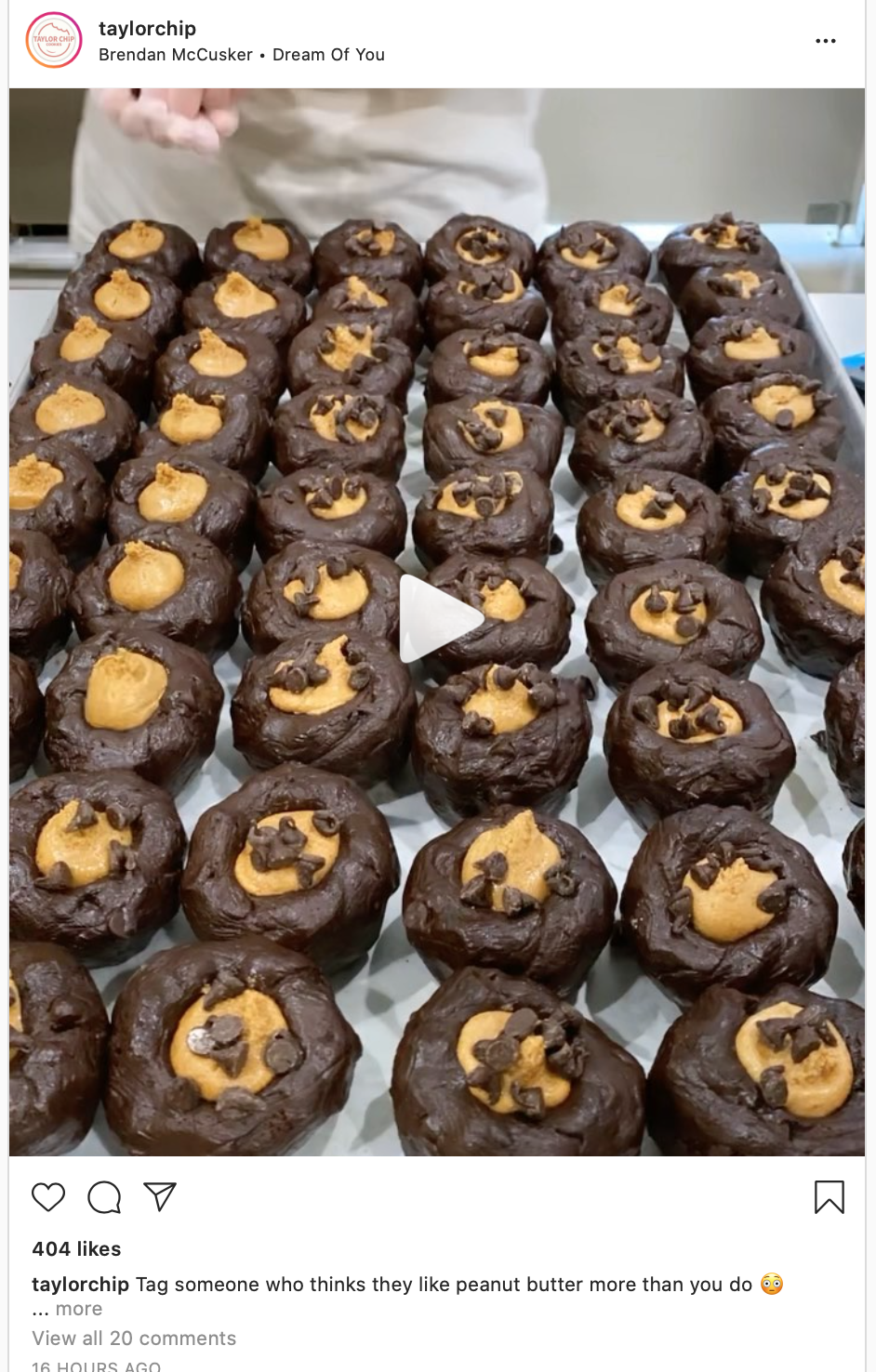
- Tag-a-Friend Prompts: Encouraging users to tag peers in the comments section (e.g., tagging a friend who loves a specific product flavor) expands organic reach exponentially, though this tactic should be used sparingly to prevent audience fatigue.
6. Drive Conversions Through Clear Calls to Action (CTAs)
While community engagement builds brand affinity, commercial survival requires measurable business outcomes, such as event registrations, appointment bookings, or product purchases. A well-crafted CTA guides the user from passive consumption to active participation.
An effective CTA must be unambiguous, offering clear instructions on the next step (e.g., "Tap the link in our bio to secure your workshop ticket") while reinforcing the underlying value proposition. Using formatting tools like emojis as visual bullet points helps break up dense text, ensuring the instructions are easily digestible for mobile users.
Technical Best Practices for Formatting Instagram Captions
Beyond copywriting, the visual presentation of text on a mobile screen dictates readability and user retention. Professional accounts utilize several technical formatting strategies to enhance user experience.
Mastering Paragraph Spacing
Dense blocks of text are notoriously difficult to read on mobile devices. To combat this, creators utilize line breaks to segment information into distinct conceptual blocks:

- The Hook: A brief, punchy opening sentence summarizing the core message.
- The Spacer: A blank line creating negative space to encourage deeper reading.
- The Body: Elaboration, storytelling, or contextual details.
- The CTA and Hashtags: Separated by additional line breaks to keep the visual presentation clean and organized.
Editing Published Posts
Platform flexibility allows administrators to rectify errors swiftly. By navigating to any published post, selecting the three-dot menu icon in the upper right-hand corner, and choosing the "Edit" function, users can update copy, adjust hashtag arrays, or correct typographical errors instantly without losing engagement history.
Custom Typography and Font Styling
To visually differentiate brand voice within a crowded feed, many marketers utilize external Unicode font generators (such as specialized web-based tools) to incorporate bold, italicized, or stylized text into their captions. While these tools allow for creative expression, accessibility experts recommend using stylized fonts sparingly to ensure screen-reader compatibility and maintain a professional aesthetic.
Broader Implications and Future Outlook
As social media algorithms continue to prioritize user retention and authentic interaction, the standard for digital copywriting will only rise. Brands that view Instagram captions merely as an administrative requirement risk losing market share to competitors who leverage text as a dynamic storytelling medium.

Ultimately, the most successful Instagram strategies recognize that visuals capture the initial glance, but captions capture the long-term relationship. By combining strong narrative hooks, data-driven hashtag architectures, and clear conversion pathways, organizations can transform casual scrollers into loyal brand advocates.