Troubleshooting Facebook Ad Delivery Issues: A Comprehensive Guide to Identifying and Resolving Campaign Stagnation


The digital advertising landscape is increasingly defined by the complexity of algorithmic delivery, and for marketers utilizing Meta’s advertising suite, the "Not Delivering" status remains one of the most significant hurdles to achieving campaign objectives. When a Facebook ad fails to deliver, it ceases to generate impressions, effectively halting the marketing funnel and jeopardizing the return on investment (ROI) for businesses ranging from small enterprises to global corporations. Understanding the technical, financial, and algorithmic triggers for these delivery pauses is essential for maintaining a competitive edge in an environment where Meta’s ad revenue exceeds $110 billion annually.
The Mechanics of Ad Delivery and the Status Quo
In the context of Facebook Ads Manager, "not delivering" indicates that while an ad or ad set may be toggled to "Active," the system is not serving it to any segment of the target audience. This phenomenon can affect newly launched campaigns as well as established ads that previously performed well. Monitoring the "Delivery" column in the Ads Manager dashboard is the primary method for identifying these issues. Often, a sub-status such as "Update Required" will appear, indicating a specific technical friction point that necessitates manual intervention.

The delivery system operates as a continuous real-time auction. Every time there is an opportunity to show an ad to a user, an auction occurs to decide which ad to show. When an ad fails to enter or win these auctions, delivery stalls. The causes are rarely singular and often involve a combination of policy compliance, budgetary restrictions, and audience architecture.
1. Technical Impediments: Post Availability and Permissions
A primary cause of delivery failure involves the foundational link between the ad creative and the source content. If an ad is built using an existing page post, any change to that post’s status can break the ad’s delivery. Common triggers include the accidental deletion of the original post, changes in privacy settings that restrict the post to certain demographics, or the expiration of a limited-time offer.
Furthermore, permission shifts within the Meta Business Suite can lead to "Update Required" statuses. If the individual who created the ad loses their administrative access or if the Page’s status is compromised, the ad set will automatically pause. Resolving this requires verifying the integrity of the source post and ensuring that the Ad Account retains the necessary "Advertiser" or "Admin" permissions for the associated Facebook Page or Instagram account.
2. The Algorithmic Review Process and Temporal Delays
Every advertisement submitted to Meta undergoes a rigorous review process to ensure compliance with Advertising Standards. According to official documentation from the Meta Business Help Center, the majority of ads are reviewed within 24 hours. However, this timeline is subject to significant fluctuations based on seasonal demand—such as the Q4 holiday corridor—and the complexity of the ad content.
The review process utilizes a multi-layered approach:
- Automated Systems: AI-driven tools scan text, images, and landing pages for prohibited content (e.g., adult content, misinformation, or prohibited financial products).
- Manual Review: If the AI flags a borderline case, a human member of Meta’s global support staff conducts a secondary assessment.
Marketers must account for this "review lag" by scheduling campaigns several days in advance. It is critical to note that making significant edits to an ad—such as changing the creative, targeting, or optimization goal—while it is in the review phase will reset the clock, forcing the ad back to the start of the queue.
3. Policy Compliance and Rejection Protocols
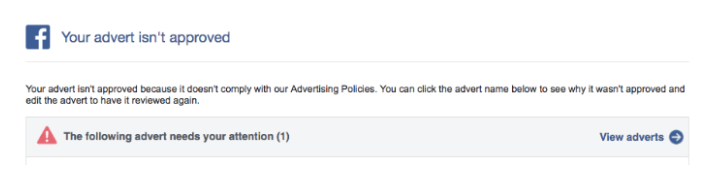
If an ad is rejected, delivery will cease immediately, and the advertiser will typically receive a notification detailing the specific policy violation. Common reasons for rejection include the use of "personal attributes" (language that implies knowledge of a user’s race, religion, or medical condition), sensationalist headlines, or the promotion of restricted industries like cryptocurrency or online gambling without prior authorization.
Meta also scrutinizes the destination URL. If the landing page is non-functional, contains deceptive pop-ups, or does not match the product described in the ad, the ad will be disapproved. For advertisers in "Special Ad Categories"—such as housing, employment, or social issues—targeting options are legally restricted. Failure to declare these categories at the outset often leads to immediate delivery termination.
4. Financial Thresholds: Account Spending Limits
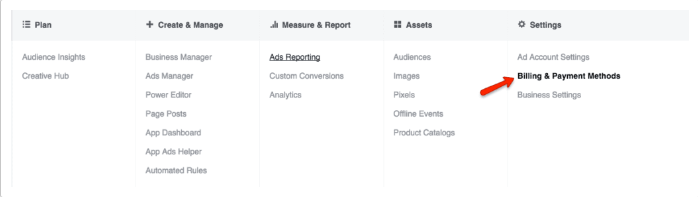
A frequent but often overlooked reason for delivery cessation is the Account Spending Limit. Unlike a campaign-level budget, the account limit is a global cap on all expenditures within a specific Ad Account. Once this threshold is reached, all active ads are paused regardless of their individual performance or remaining duration.
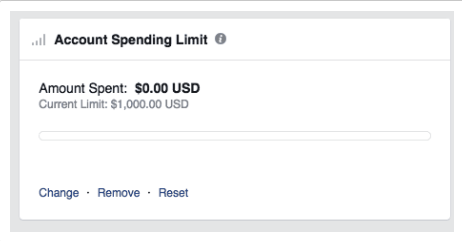
Data from digital agencies suggests that "forgotten" spending limits are responsible for roughly 15% of unexpected delivery pauses in established accounts. To rectify this, advertisers must navigate to the "Billing and Payment Methods" section of Ads Manager to reset, increase, or remove the limit. Once the financial ceiling is adjusted, delivery typically resumes within minutes.
5. The Auction Dynamics: Budgetary and Bidding Constraints
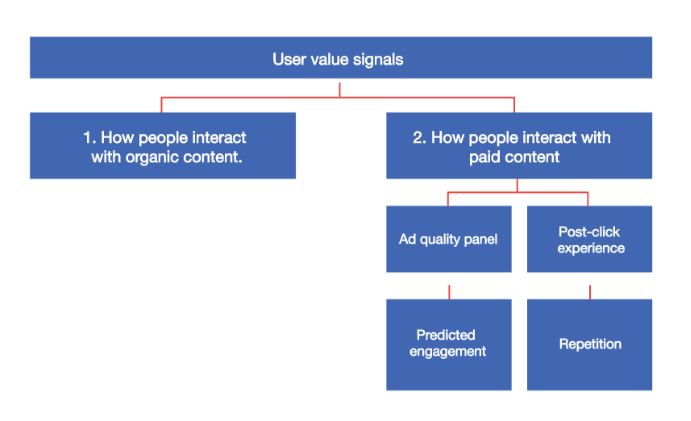
The Facebook ad auction is governed by a formula: [Advertiser Bid] x [Estimated Action Rates] + [User Value] = Total Value. If the advertiser’s bid is too low, the ad will lose to competitors, resulting in zero delivery.
When advertisers utilize manual bidding with tight "bid caps," they risk pricing themselves out of the market. For instance, if a competitor is willing to pay $5.00 for a conversion and an advertiser caps their bid at $2.00, the algorithm will struggle to find placements. Similarly, a daily budget that is too low prevents the algorithm from completing the "Learning Phase." Meta generally requires approximately 50 conversion events per week for an ad set to optimize. If the budget only allows for 5 conversions, the system may conclude the ad is non-viable and stop serving it.
6. Audience Fragmentation and Narrow Targeting
Precision targeting is a hallmark of Meta advertising, but excessive granularity can be counterproductive. Meta requires a minimum audience size of 1,000 active users to serve ads effectively. If targeting parameters are too restrictive—such as layering multiple interests with narrow geographic and age constraints—the "Potential Reach" may drop below the threshold for delivery.
This issue has become more pronounced following the implementation of Apple’s App Tracking Transparency (ATT) framework in iOS 14.4. With fewer users trackable via the Meta Pixel, "Custom Audiences" based on website traffic have shrunk. To counter this, advertisers are increasingly adopting "Broad Targeting" strategies, allowing the algorithm’s AI to identify high-intent users within a larger pool.
7. The Phenomenon of Auction Overlap
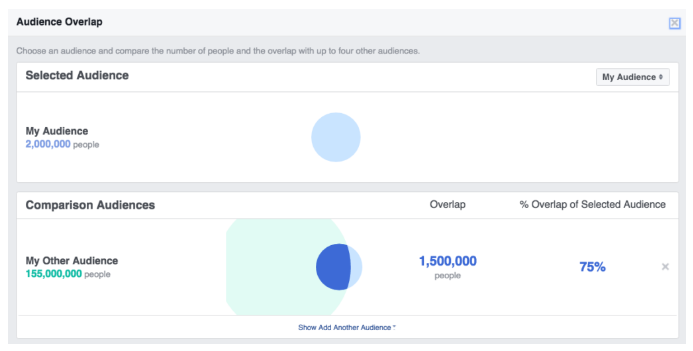
Auction overlap occurs when an advertiser has multiple ad sets targeting the same audience. To prevent users from seeing the same brand too frequently and to stop advertisers from bidding against themselves, Meta’s system will pause the ad set with the lower "Total Value."
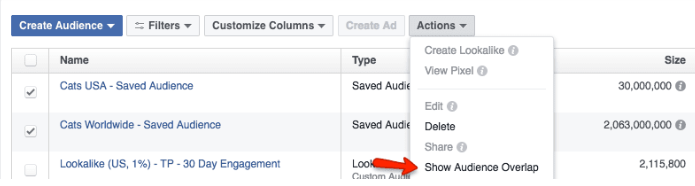
Using the "Audience Overlap Tool" in the Audiences tab allows marketers to visualize the percentage of overlap between different segments. If overlap exceeds 30%, it is standard industry practice to consolidate these ad sets. Consolidating data into a single, larger ad set often leads to faster exit from the Learning Phase and more consistent delivery.
8. Algorithmic Penalties for Low Engagement
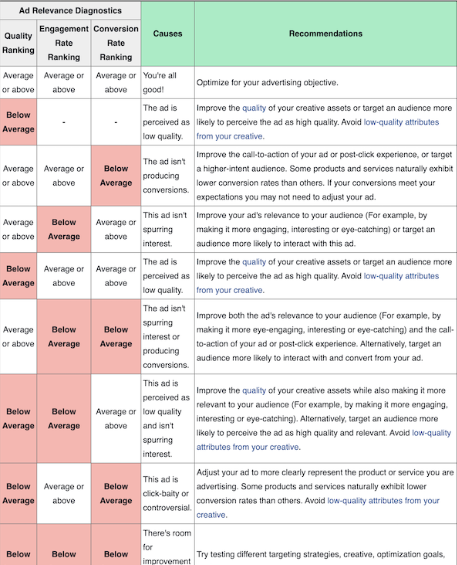
Meta’s primary goal is to maintain a positive user experience. Consequently, ads that receive negative feedback (users clicking "Hide Ad") or have very low engagement rates are penalized in the auction. The "Ad Relevance Diagnostics" tool provides insights into:
- Quality Ranking: How your ad’s perceived quality compares to ads competing for the same audience.
- Engagement Rate Ranking: How your ad’s expected engagement compares.
- Conversion Rate Ranking: How your ad is expected to convert compared to others.
If an ad ranks in the bottom 20% for these metrics, Meta will increase the "cost" of delivery, eventually leading to a complete halt if the "User Value" component of the auction formula drops too low.
9. Temporal and Scheduling Errors
Scheduling issues are straightforward but common. If a campaign is set to a specific start date in the future, it will remain in "Scheduled" status. Conversely, if a "Lifetime Budget" was used and the end date has passed, the ad will move to "Completed." A less obvious issue occurs when ad sets are scheduled to run on specific hours of the day (dayparting); if the current time falls outside those windows, the ad will appear as "Not Delivering."
10. Optimization Failures and the Conversion Gap
The choice of "Optimization Goal" dictates how the algorithm searches for users. If a marketer optimizes for "Purchases" but the ad creative or landing page is not compelling enough to generate sales, the algorithm will lack the data needed to find more buyers.
In scenarios where conversions are rare, it is often more effective to optimize for a "higher-funnel" event, such as "Add to Cart" or "Link Clicks." This provides the system with a higher volume of data signals, allowing it to build a profile of the interested user. Once a steady stream of data is established, the advertiser can "season" the pixel and eventually switch back to a purchase-level optimization.
Broader Impact and Strategic Implications
The inability to maintain consistent ad delivery has broader implications for a company’s digital strategy. In an era of "Algorithmic Marketing," the machine learning models that power Meta’s Advantage+ suites require consistent data flow to function. Every hour an ad is "not delivering" represents a loss of data that could have been used to refine targeting and lower customer acquisition costs (CAC).
Furthermore, as Meta continues to integrate generative AI into its creative tools, the emphasis is shifting from manual targeting to creative excellence. Ads that fail to deliver are often a symptom of a "creative-to-audience" mismatch. Industry analysts suggest that the future of troubleshooting will rely less on manual button-toggling and more on understanding the symbiotic relationship between creative resonance and algorithmic "Total Value."
By systematically addressing these ten friction points—ranging from financial caps to auction theory—marketers can ensure that their campaigns remain active and effective. In the high-stakes environment of digital commerce, the transition from "Not Delivering" to a fully optimized, high-performing campaign is the definitive marker of an expert advertiser.