Beyond the Lens: A Comprehensive Analysis of AI Image Generation in Modern Content Creation

The landscape of digital content creation has undergone a seismic shift as artificial intelligence (AI) image generators evolve from experimental curiosities into sophisticated production tools. While traditionally reserved for high-end graphic design agencies, these technologies are now accessible to the average content creator, enabling the production of professional-grade illustrations, stylized product photography, and complex typography without the need for traditional artistic skills or expensive equipment. As of November 2026, the industry has reached a plateau of high-fidelity output, forcing a re-evaluation of how creators bridge the gap between imagination and digital representation.
A Historical Perspective on Generative Evolution
The trajectory of AI imagery has been rapid. In 2022, early models like DALL-E 2 and Midjourney v3 brought generative art to the public, albeit with significant flaws regarding anatomy, text rendering, and object consistency. By 2024, the focus shifted from simple visual generation to prompt adherence and commercial utility. Today, we are in the era of "model-as-a-service," where platforms like Leonardo.ai, Adobe Firefly, and specialized models like Google’s Nano Banana 2 provide distinct advantages based on specific creative needs. This evolution has effectively moved the bottleneck of production from technical artistic skill to the nuance of language—specifically, the art of prompting.
The Mechanics of Effective Prompt Engineering
The shift from visual creation to textual instruction has created a new set of standards for content production. Industry research, including studies from creator communities and technical documentation from providers like Envato, suggests that successful image generation follows a hierarchical structure. Data indicates that models consistently perform better when prompts lead with the primary subject matter rather than stylistic modifiers.
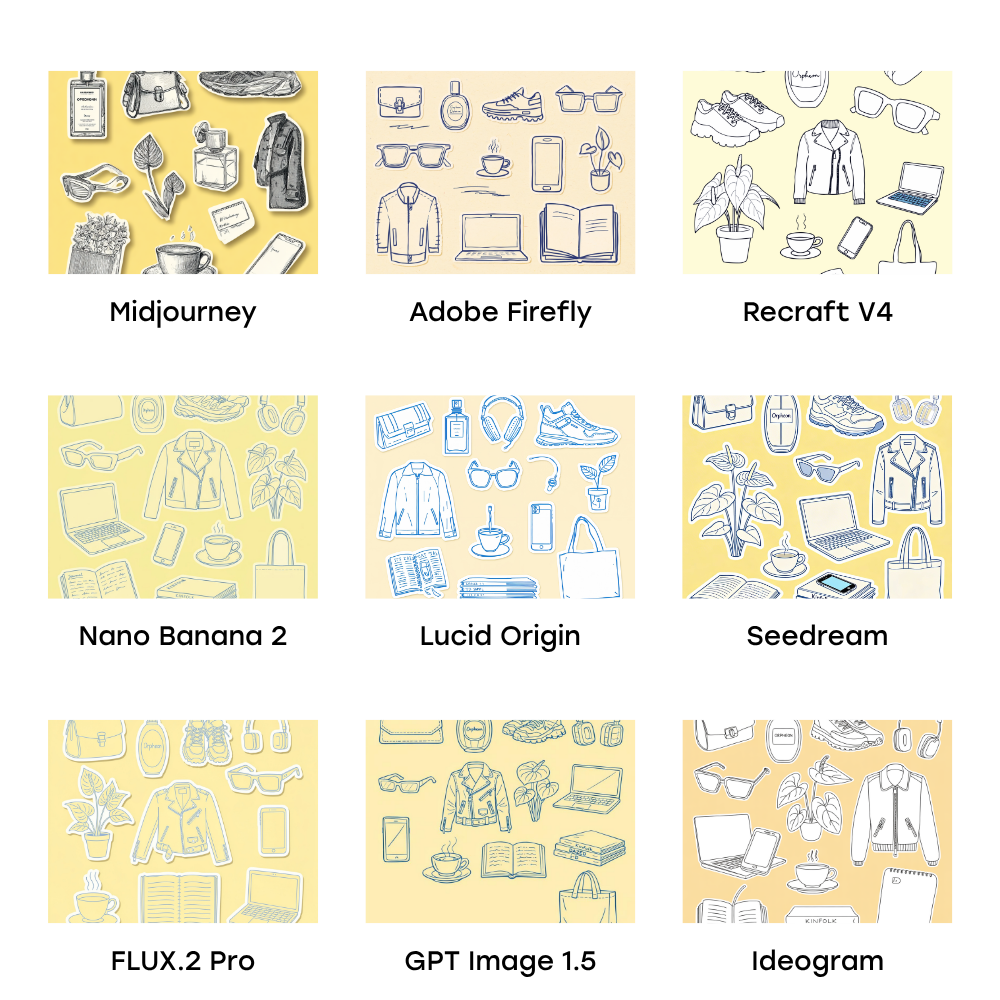
For instance, requesting "a ceramic mug on a wooden desk" before applying "editorial lifestyle photography" descriptors ensures the model preserves the subject’s integrity. Furthermore, the integration of professional photographic terminology—such as depth-of-field, lens focal length, and lighting conditions—allows users to bypass the generic, "plastic" aesthetic often associated with early AI models. Analysis of recent output demonstrates that descriptive color language outperforms hexadecimal codes in most general-purpose models, although design-specific platforms like Recraft V4 Pro have begun to optimize for exact brand-palette accuracy.
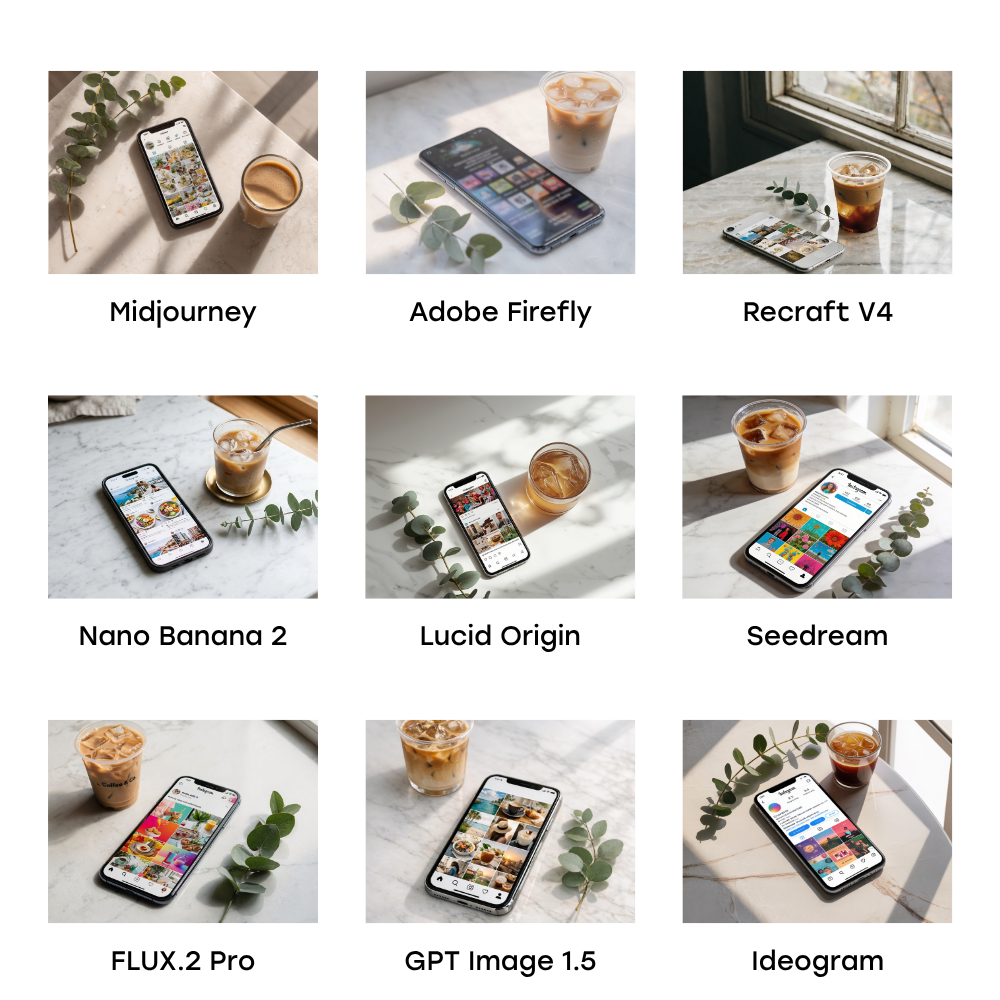
Comparative Performance: A Multimodal Assessment
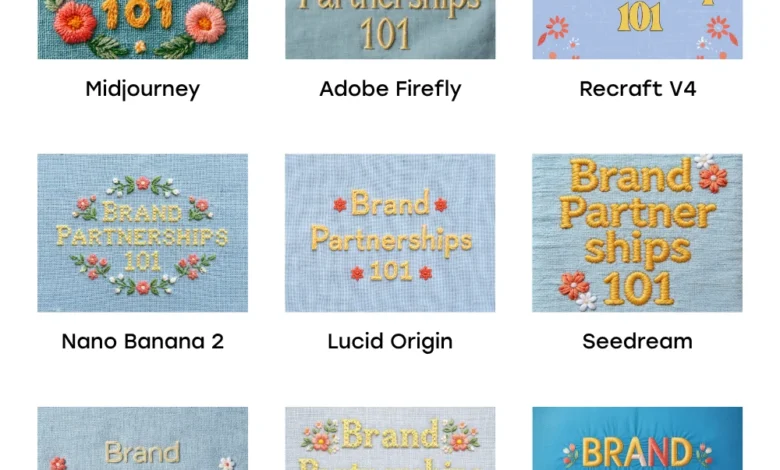
To evaluate the efficacy of current tools, industry testing conducted in late 2026 across nine major models—including Nano Banana 2, Seedream, Midjourney, Adobe Firefly 5, Ideogram 3.0, and others—revealed significant disparities in performance across three critical social media formats: illustration sticker sheets, styled product photography, and embroidered typography.
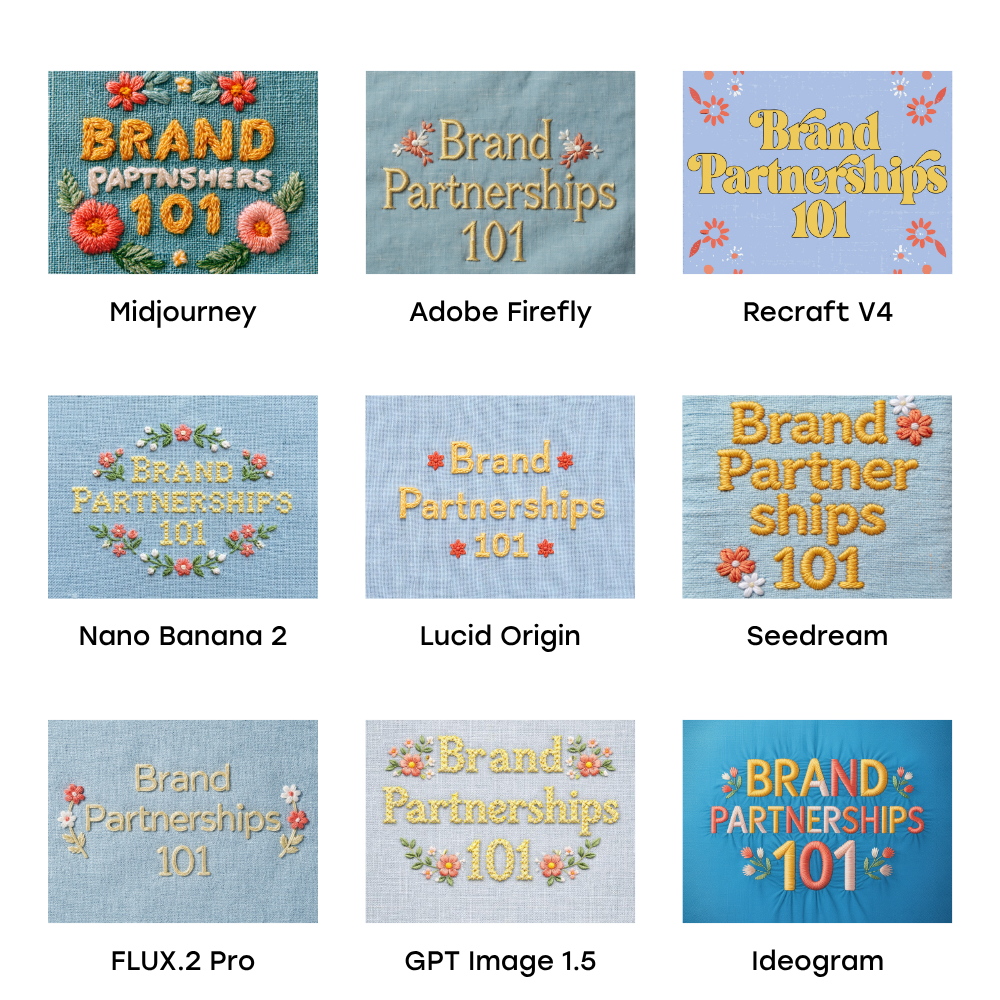
The following assessment categorizes these tools based on their strengths in professional workflows:

Nano Banana 2: Emerging as the leader in overall accuracy, this Google-developed model excels in rendering specific, real-world objects. In tests involving branded items and complex technical accessories, Nano Banana 2 consistently maintained structural integrity, making it the preferred choice for creators requiring high fidelity.

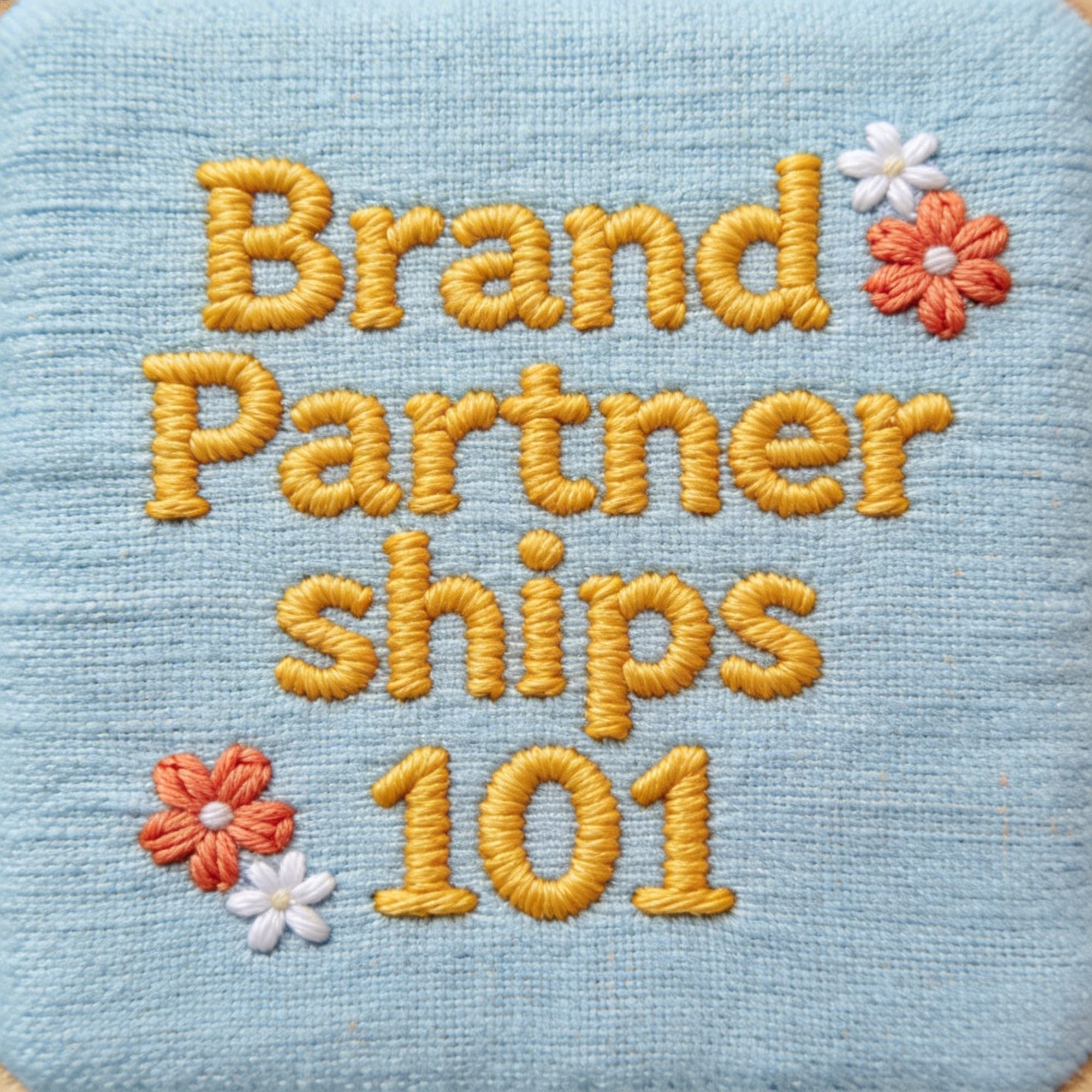
Seedream (ByteDance): Distinguished by its integration within the CapCut ecosystem, Seedream has solved one of the industry’s most persistent hurdles: text precision. While other models frequently garble characters, Seedream’s architecture allows for flawless text spelling and placement, essential for marketing graphics.

Recraft V4 Pro: Positioned for the professional design sector, Recraft V4 Pro provides a robust agentic interface. Its ability to reference existing professional design libraries and offer granular control over style makes it the most viable option for branding agencies seeking a consistent visual identity.

Midjourney: Despite its challenges with text, Midjourney remains the industry standard for artistic mood and visual richness. It is currently the most capable model for abstract or high-concept visuals where atmospheric quality outweighs the need for literal object representation.

Adobe Firefly 5: Catering specifically to the Adobe creative suite user base, Firefly 5 offers a seamless workflow into Photoshop and Illustrator. Its competitive advantage lies not just in generation, but in its commercial licensing model, which is specifically trained to avoid copyright infringement, providing a safer environment for enterprise-level content.
Ideogram 3.0: While specialized in text-heavy applications, its recent updates have focused on balancing spelling accuracy with stylistic flair, making it a strong contender for informational graphics.

Implications for the Creator Economy and Copyright
The rise of AI-generated content carries significant legal and ethical implications. As of late 2026, the U.S. Copyright Office continues to maintain that works created solely by AI lack the human authorship required for copyright protection. This creates a complex landscape for businesses: while an image may be generated for commercial use under the terms of a specific platform, the user does not necessarily "own" the copyright in the traditional sense.

Industry analysts warn that this necessitates a hybrid approach. AI-generated imagery is increasingly being used as a supporting element—such as in social media posts, mood boards, and prototyping—while core brand assets, logos, and critical marketing materials continue to rely on human-created content to ensure long-term intellectual property protection.
Market Data and Adoption Trends
Data from the creator economy indicates that usage of AI image generators has grown by approximately 40% year-over-year among independent social media managers. The primary driver for this adoption is efficiency; creators report a 60% reduction in time-to-market for campaign-specific graphics. However, this efficiency comes with a trade-off in brand uniqueness. As more creators rely on the same foundational models, the risk of visual homogeneity increases. To mitigate this, expert creators are increasingly utilizing custom-trained LoRAs (Low-Rank Adaptation) or specific style-anchoring techniques to differentiate their brand assets from standard model outputs.

Strategic Recommendations for Integration
For organizations and creators looking to integrate these tools into their workflows, a tiered strategy is recommended:

- Identification: Determine if the project requires high-precision realism (Nano Banana 2), text-heavy layouts (Seedream), or artistic mood (Midjourney).
- Preparation: Develop a library of prompt templates that include subject, lighting, composition, and specific negative prompts (e.g., "no text," "no watermark").
- Verification: Always subject generated images to manual quality control to identify and rectify "AI artifacts," such as distorted text, inconsistent lighting, or erroneous geometry in complex objects.
- Compliance: Verify the terms of service of the chosen platform regarding commercial usage and ensure that any generated images are used in accordance with regional copyright laws.
As AI continues to blur the line between technical skill and creative vision, the role of the creator is shifting from the act of drawing to the act of curation and instruction. The future of the industry will likely belong to those who can master the technical requirements of prompt engineering while maintaining the critical eye necessary to elevate AI-generated assets into cohesive, brand-aligned narratives. While the technology is powerful, it remains a tool of augmentation rather than replacement—an assistant that can execute a vision, provided the vision itself is clearly defined.