The 2026 State of Global Social Media: A Comprehensive Guide to Platforms and Digital Engagement

The landscape of digital communication in 2026 has expanded beyond the capacity of any single user or organization to navigate effectively. With 24 major platforms vying for attention, the persistent industry narrative—that brands and individuals must maintain a presence on every network—has proven increasingly impractical. Instead, the current strategy for sustainable growth focuses on platform selection based on audience demographics, content compatibility, and resource allocation. As of November 2026, the global social media ecosystem reflects a shift toward specialized communities, with Monthly Active Users (MAU) serving as the primary metric for gauging reach and market penetration.
The Evolution of the Digital Landscape
The last decade has seen a transition from open, discovery-based public feeds toward a more fragmented model characterized by "the Fediverse," private messaging, and algorithmic vertical video. This evolution reflects changing user preferences: audiences are moving away from broad, impersonal broadcasting in favor of niche, interest-based interaction.
Historically, platforms like Facebook and YouTube dominated by virtue of their status as early adopters. However, the rise of TikTok in the early 2020s forced a total reevaluation of content delivery, prioritizing short-form, high-velocity video. By 2026, the market has bifurcated: established giants continue to iterate on their core features, while decentralized platforms like Bluesky and Mastodon have gained traction among users seeking autonomy from centralized algorithmic control.
Analytical Breakdown: Top-Tier Platforms by User Volume
The following data reflects the most current estimates as of November 2026, based on a synthesis of Statista reports, corporate filings, and independent market analysis.
| Platform | Monthly Active Users (MAU) | Primary Content Focus |
|---|---|---|
| 3.07 Billion | General community, groups, long-form | |
| 3.00 Billion | Visual storytelling, Reels, commerce | |
| 3.00 Billion | Private/Business messaging | |
| YouTube | 2.60 Billion | Long-form video, SEO, streaming |
| TikTok | 2.00 Billion | Short-form video, trend discovery |
Meta’s Triple Crown: Facebook, Instagram, and WhatsApp
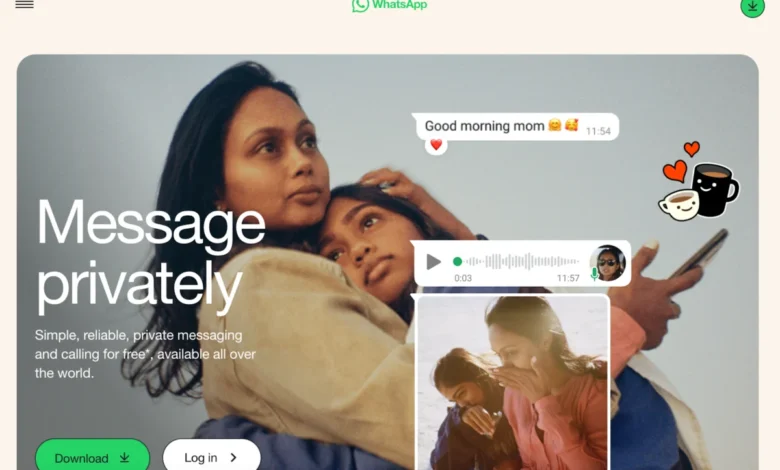
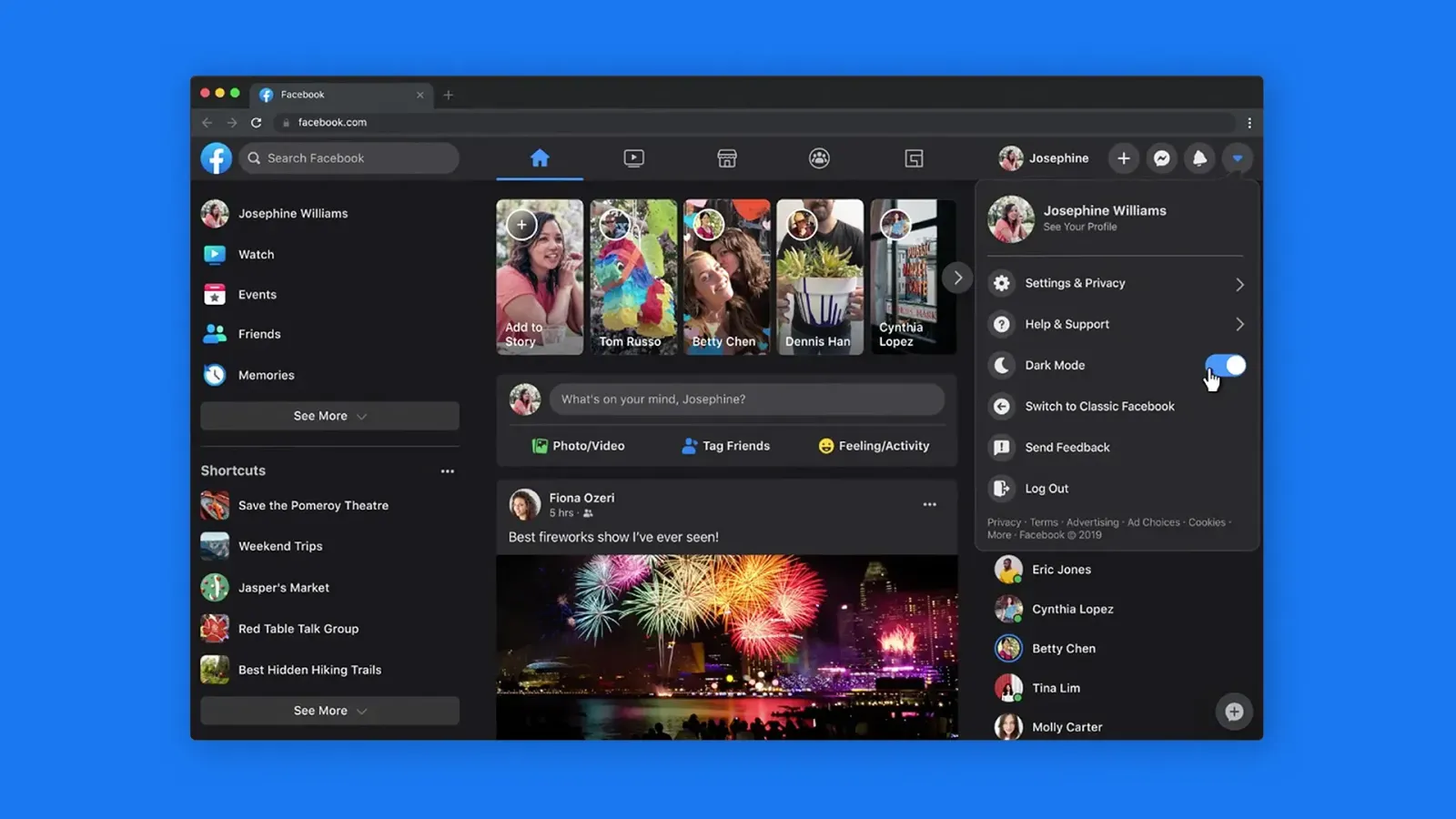
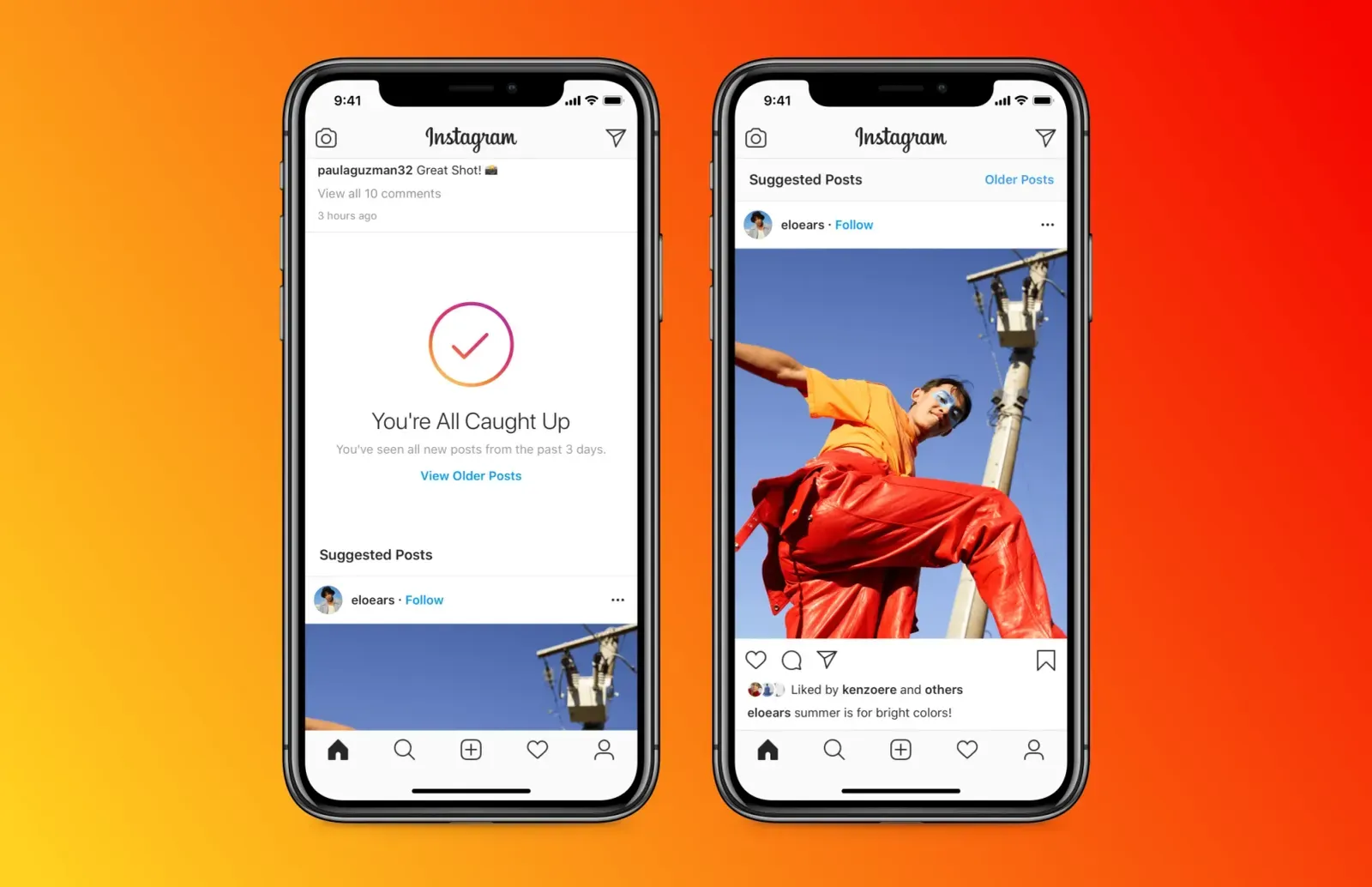
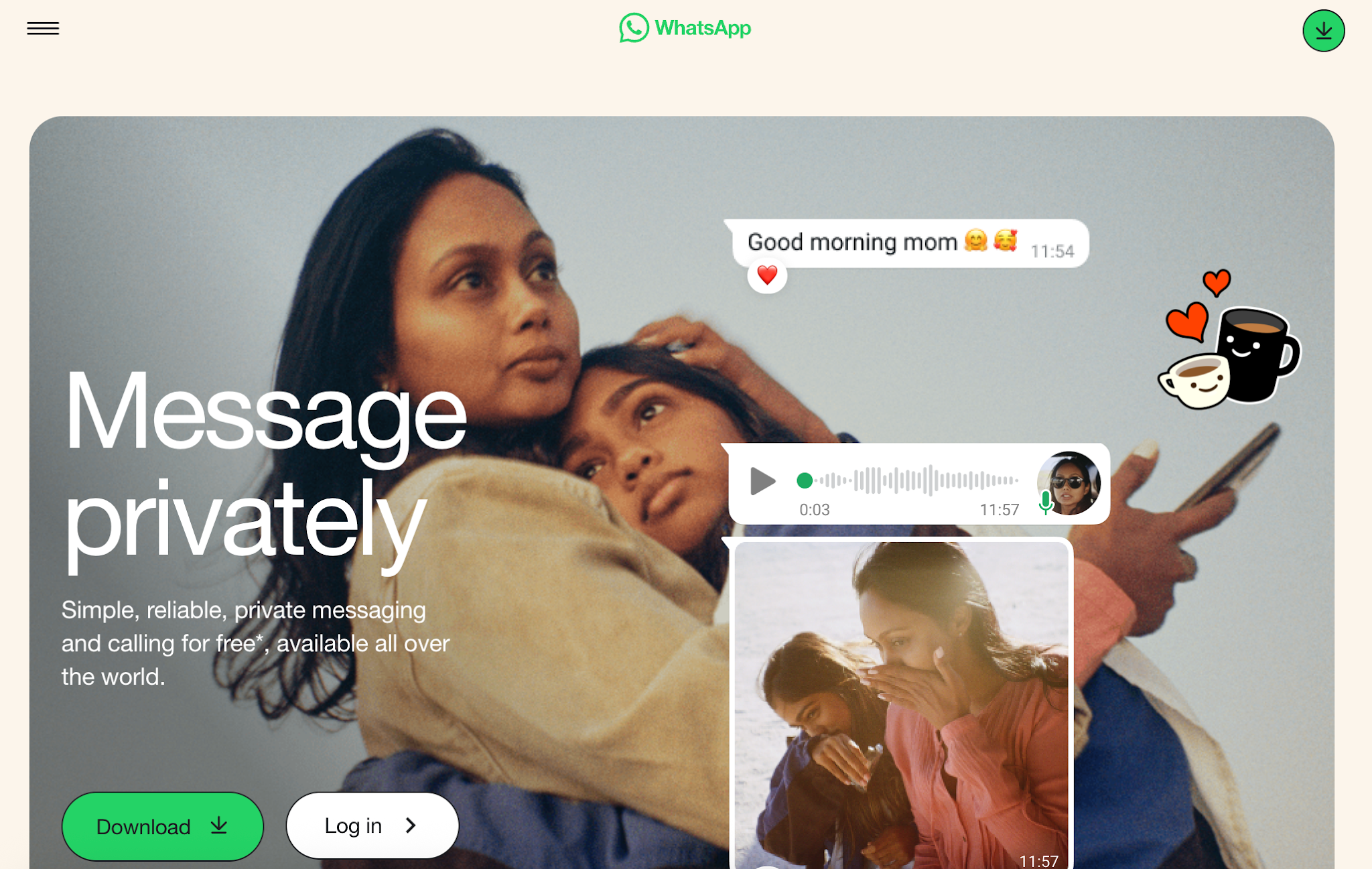
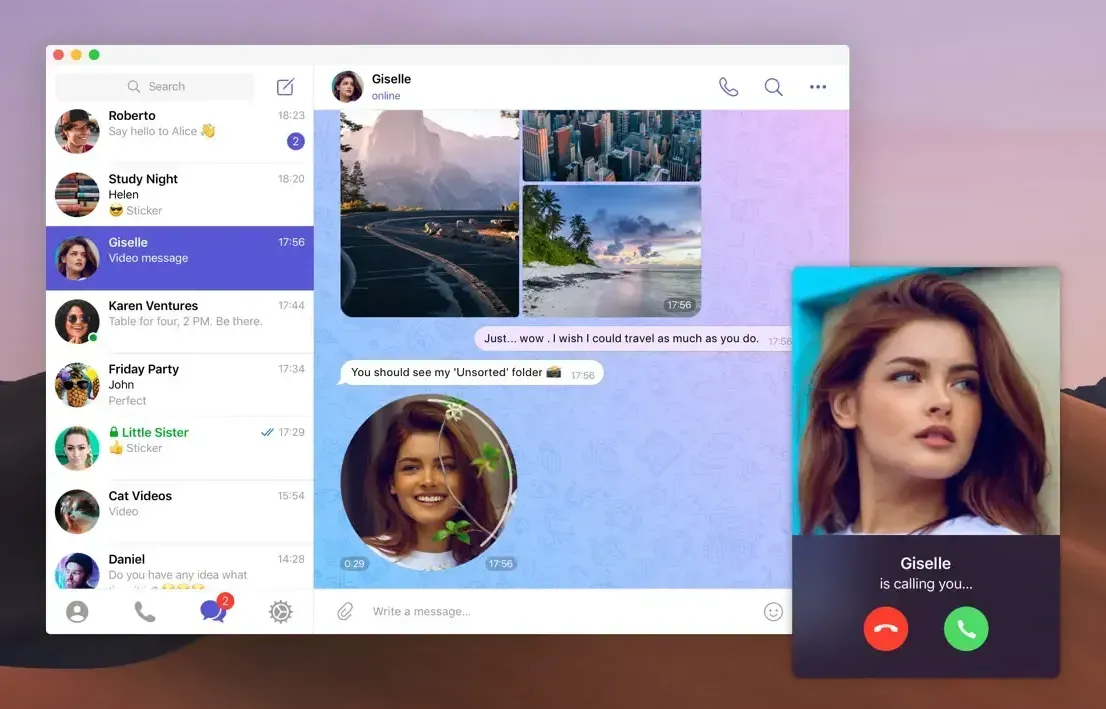
Meta continues to command the largest share of the digital population, with three of its core products each boasting 3 billion monthly active users. Facebook remains the bedrock for local community building and sophisticated advertising, maintaining a demographic reach that spans generations. Instagram has solidified its role as the premier destination for visual commerce and influencer marketing, while WhatsApp has evolved from a utility app into a critical infrastructure for customer relationship management (CRM) and B2B communication. The implication for marketers is clear: Meta’s suite remains the most efficient entry point for global scaling.
The Video Hegemony: YouTube and TikTok
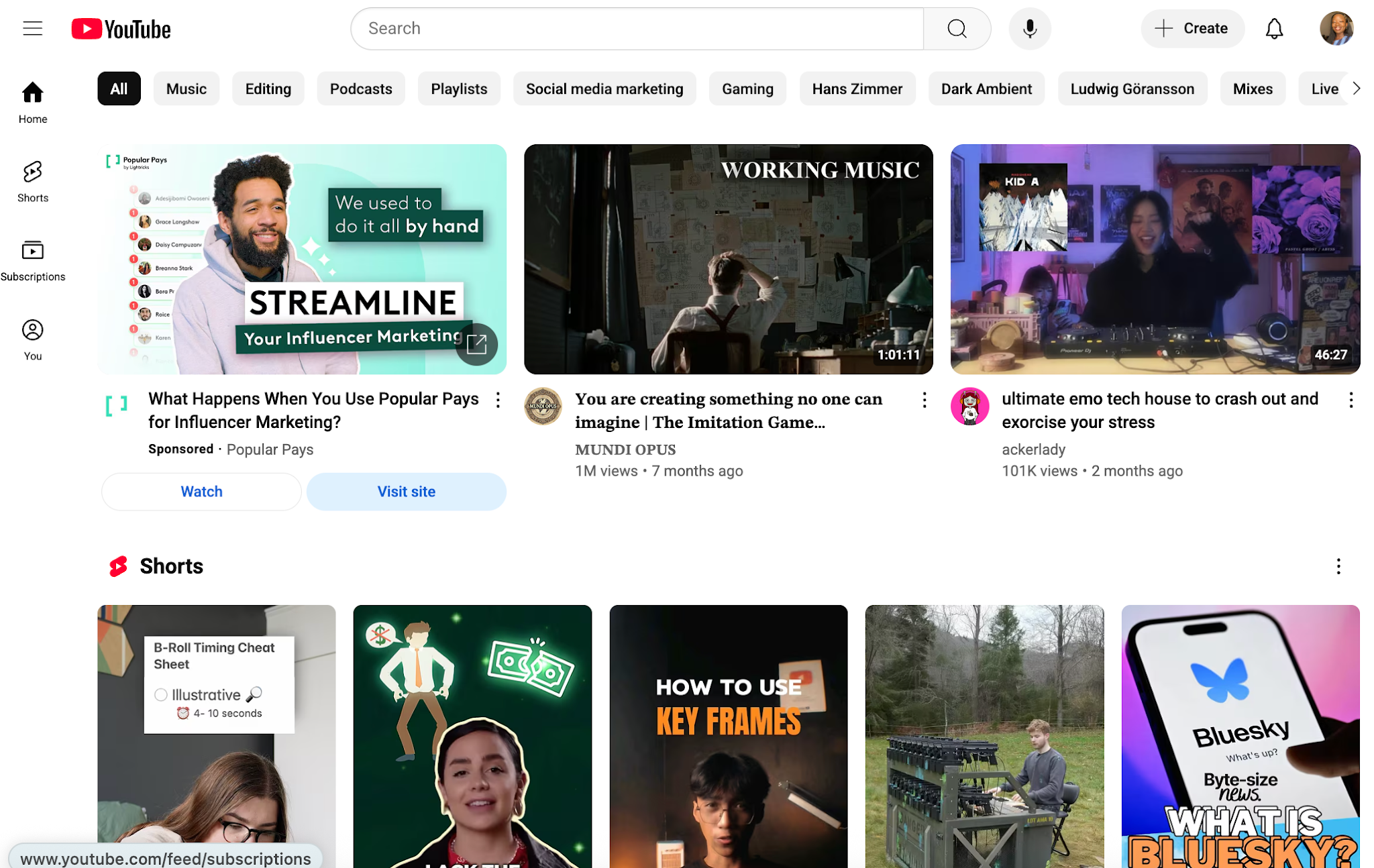
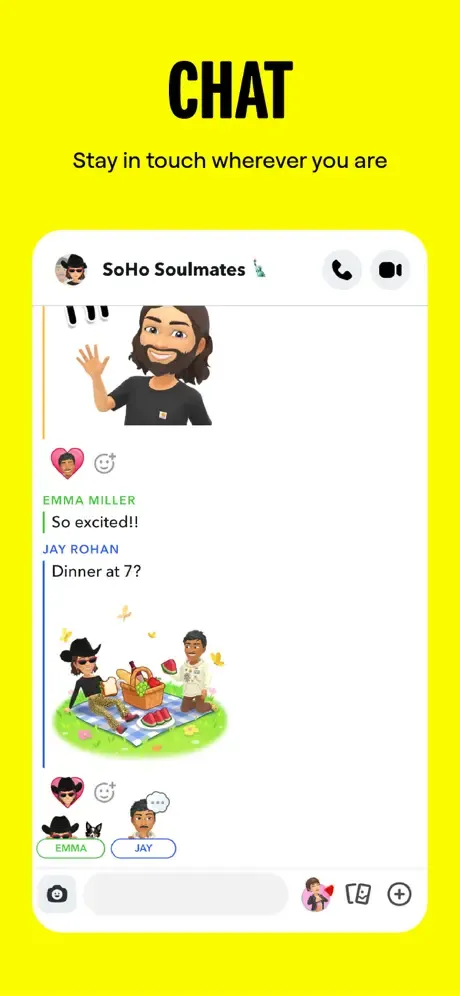
YouTube’s role in 2026 is arguably more significant than ever, as it has successfully positioned itself as a primary competitor to traditional television. Nielsen data from August 2026 indicates that YouTube constitutes a massive share of U.S. TV viewing time, suggesting that the platform has transcended the "social media" label to become a primary streaming service.

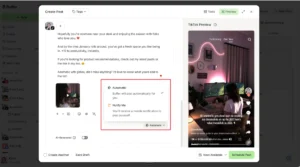
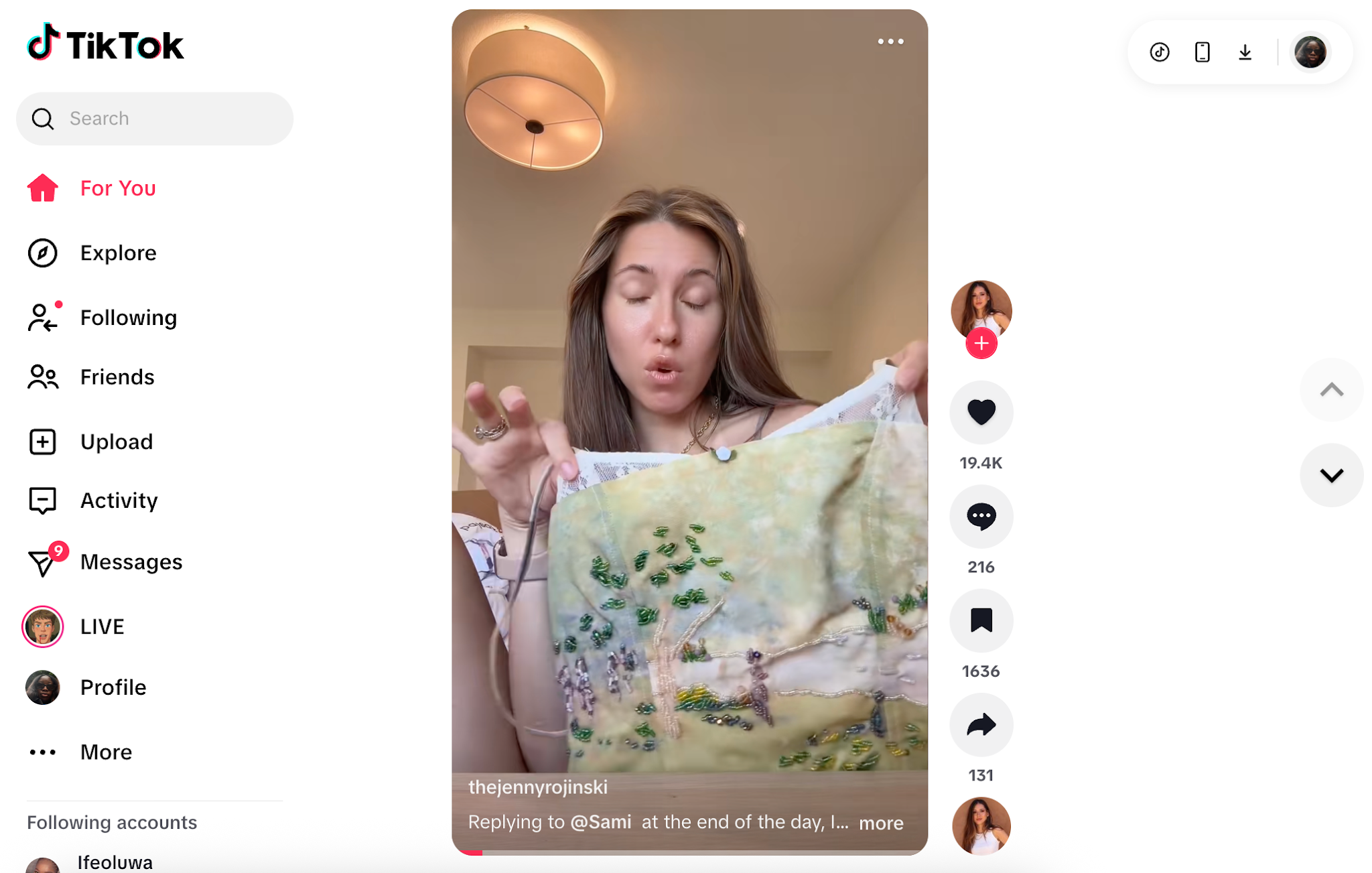
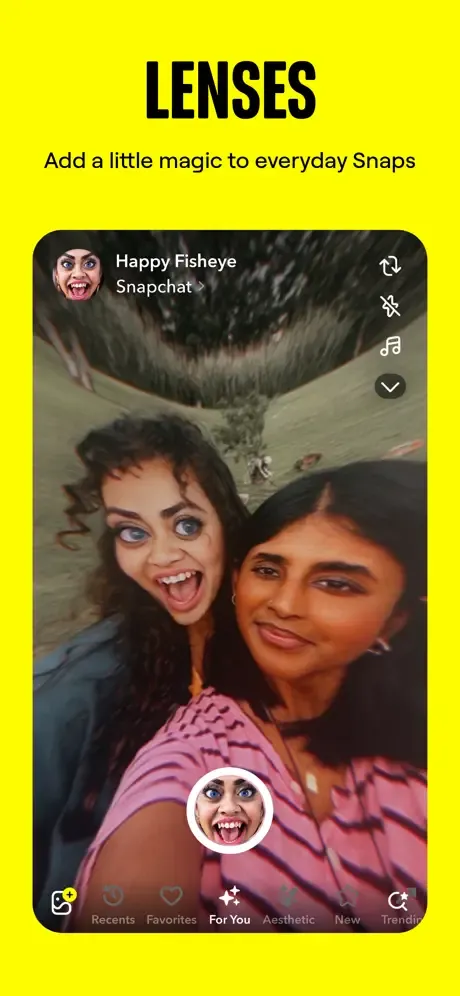
Conversely, TikTok has forced an industry-wide pivot toward authentic, unpolished, and fast-paced content. Data from over 11 million posts indicates that creators no longer need to exhaust resources on daily high-frequency posting; a consistent cadence of two to five posts per week is sufficient to maximize reach.
Global Market Dynamics and Regional Specialists
The global nature of social media is not uniform. In the Chinese market, the ecosystem is dominated by distinct players that serve as models for integrated "super-apps."

- WeChat (1.4 Billion MAU): Functioning as an all-in-one digital operating system, WeChat is essential for any entity looking to operate in China, covering everything from payments to social networking.
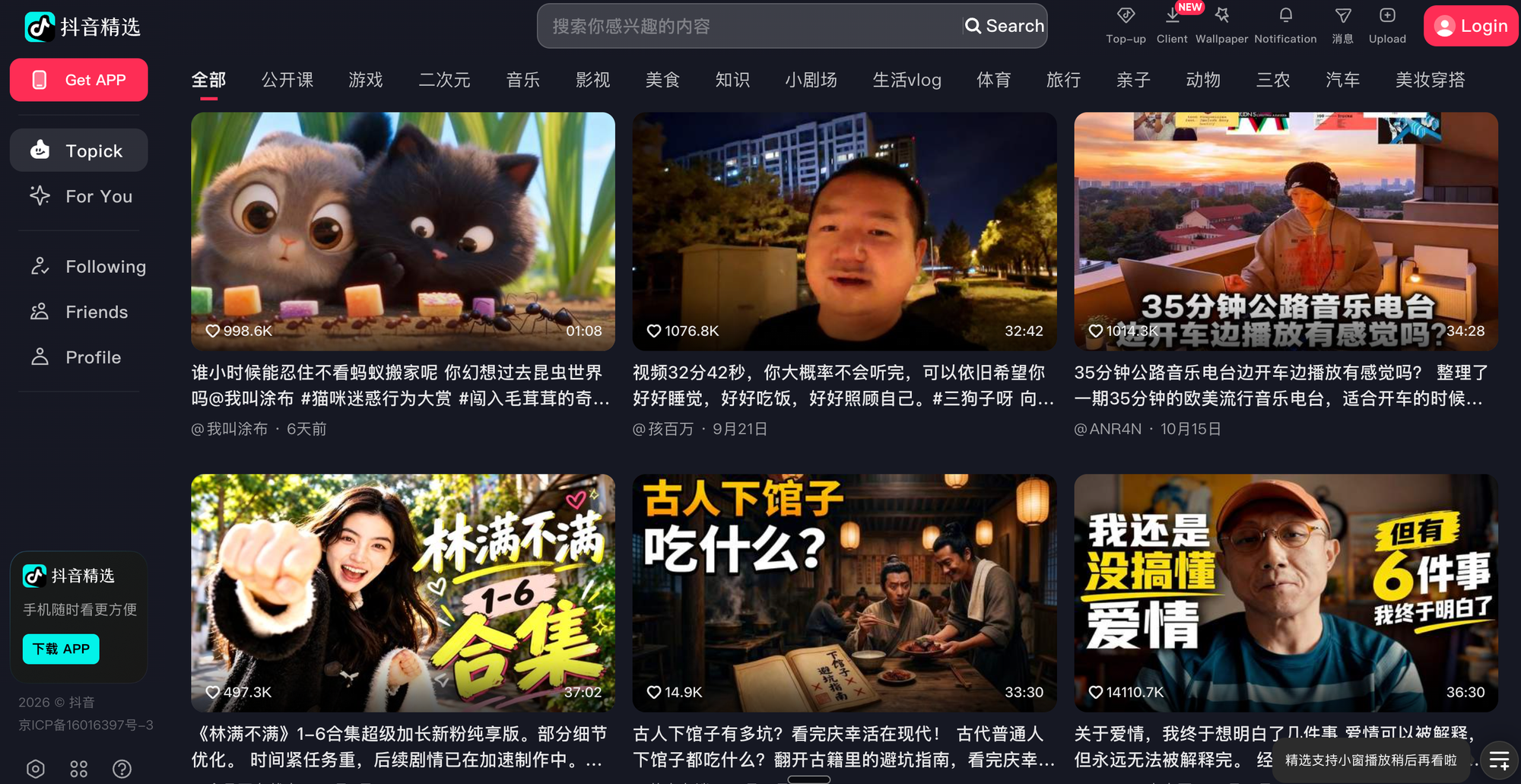
- Douyin (860 Million MAU): While sharing a lineage with TikTok, Douyin is optimized for a highly aggressive e-commerce environment where live shopping is the primary driver of revenue.
- Kuaishou (797 Million MAU): Distinguished by its focus on lower-tier cities and rural regions, Kuaishou provides a look into the massive, often overlooked, segments of the Chinese economy.
- RedNote (Xiaohongshu) (350 Million MAU): Often described as a hybrid of Instagram and Pinterest, RedNote has become the definitive platform for lifestyle discovery and product reviews in Asia, attracting significant interest from global brands.
The Rise of Decentralization and Niche Communities
While the "Big Five" platforms command the highest volume, a significant shift is occurring toward smaller, more manageable, and decentralized networks.
The Fediverse and Decentralized Networking
Bluesky (10.4 million MAU) and Mastodon (743,000 MAU) represent the antithesis of the mega-platform model. By utilizing decentralized protocols, these platforms offer users a degree of portability and moderation control that traditional networks cannot replicate. For brands, these platforms are not yet mass-market vehicles; however, they provide a highly engaged, intellectual, and early-adopter demographic.
Discussion-Based Platforms: Reddit and Quora
Reddit (765 million MAU) and Quora (400 million MAU) function as the internet’s primary knowledge-sharing hubs. Their value to brands is not in direct advertising, but in community integration. Successful brands on these platforms often eschew traditional marketing in favor of authentic engagement, answering user questions, and providing value-add information.
Strategic Implications for Organizations
The data suggests that the "be everywhere" strategy is an obsolete relic of the early 2020s. The current imperative is "intentional presence." Organizations must weigh the costs of content production against the potential for engagement on a specific platform.

- Audience Alignment: Before deploying resources, organizations must map their target audience to the platform’s primary usage. For example, B2B entities will find higher ROI on LinkedIn, whereas lifestyle brands should prioritize Instagram or RedNote.
- Format Compatibility: The "repurposing" of content—taking a video from TikTok and posting it to LinkedIn—often yields diminishing returns. Platforms in 2026 reward native content designed for their specific UX and community expectations.
- The Role of Messaging: As public feeds become more crowded, the "dark social" space—messaging apps like WhatsApp, Telegram, and Discord—is becoming the most effective channel for deep, high-converting customer relationships.
- Consistency Over Volume: With the exception of real-time platforms like X (formerly Twitter), the era of the "content treadmill" is ending. Data-backed strategies favor high-quality, strategically timed content over raw volume.
Future Outlook
As we move toward 2027, the social media landscape will likely be defined by the maturation of AI-driven content generation and the further regulation of global platforms. The dominance of the top-tier networks is unlikely to be challenged in terms of sheer user count, but their influence will continue to be diluted by the growing preference for private, decentralized, and community-focused environments. For brands and creators, the path forward is clear: identify where your audience resides, understand the unique cultural currency of that space, and engage with sincerity rather than scale. The goal is no longer to be the loudest voice in the room, but the most relevant voice in the community.