The pursuit of viral growth on TikTok has evolved from a game of chance into a sophisticated exercise in data analysis. As the platform matures, content creators and businesses are moving away from trial-and-error tactics toward a more empirical approach. Recent research conducted by Buffer, which analyzed over 7.1 million individual posts—including videos, carousels, and text updates—has unveiled clear, statistically significant patterns regarding when content achieves maximum engagement. While the TikTok algorithm remains a complex, proprietary mechanism, these findings offer a foundational framework for optimizing posting schedules in 2026.
Understanding the mechanics of the TikTok algorithm is essential to interpreting this data. When a video is uploaded, the platform’s recommendation engine assesses it through a series of initial signals. The most critical of these is the engagement generated within the first hour of publication. Metrics such as video completion rate, likes, shares, and comments serve as indicators of content quality. If a video captures the attention of an initial test group, the algorithm rewards it with broader distribution on the For You Page (FYP). Conversely, posting during periods of low user activity often results in an "engagement desert," where content fails to gain the necessary traction to trigger broader exposure.
A Chronology of Peak Engagement
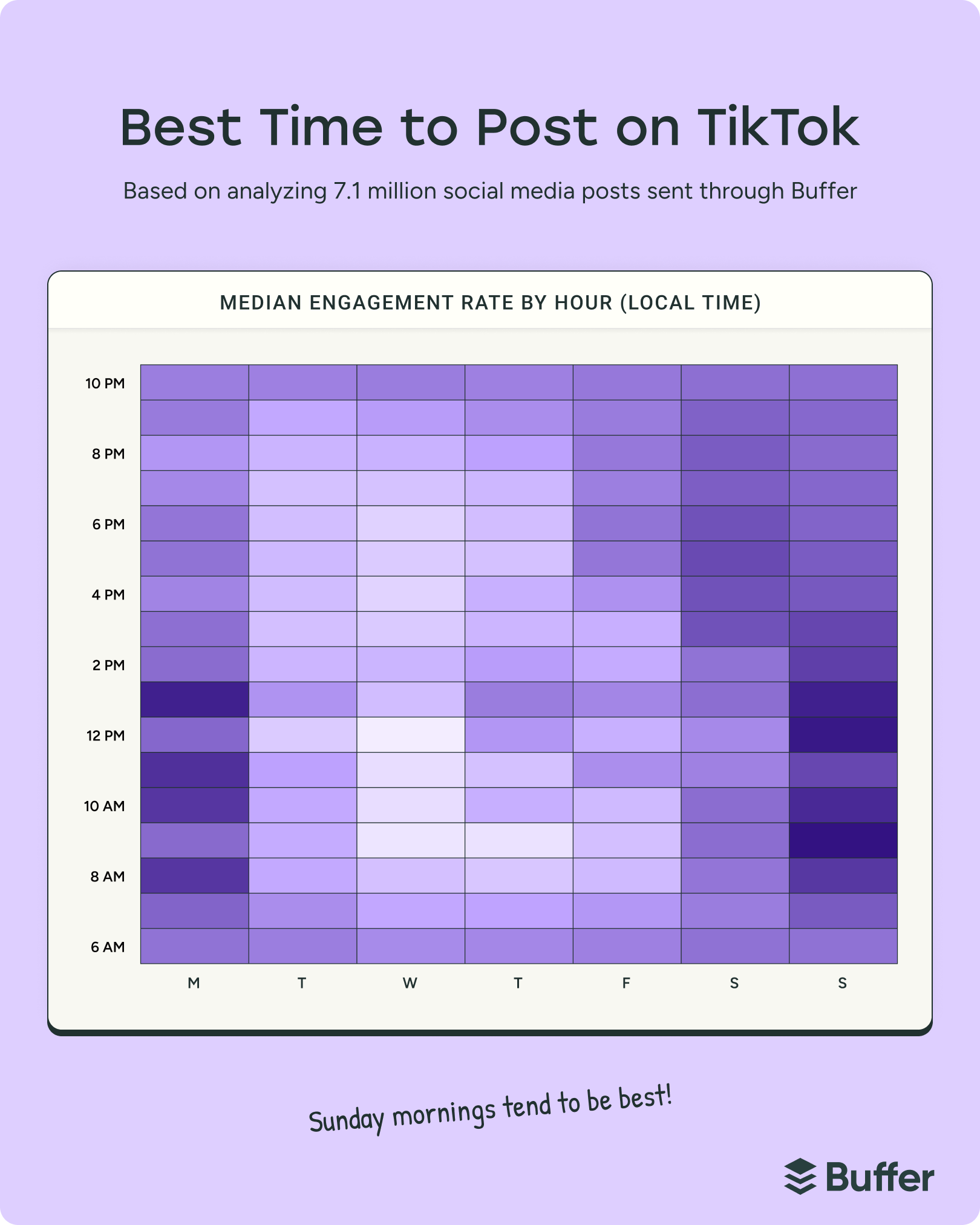
The data indicates that engagement is not uniform throughout the week, nor is it strictly tied to traditional business hours. The highest-performing slot identified in the study is Sunday at 9 a.m., a time traditionally associated with leisure and early-day social media consumption. This is followed by Monday at 1 p.m. and Sunday at 1 p.m.
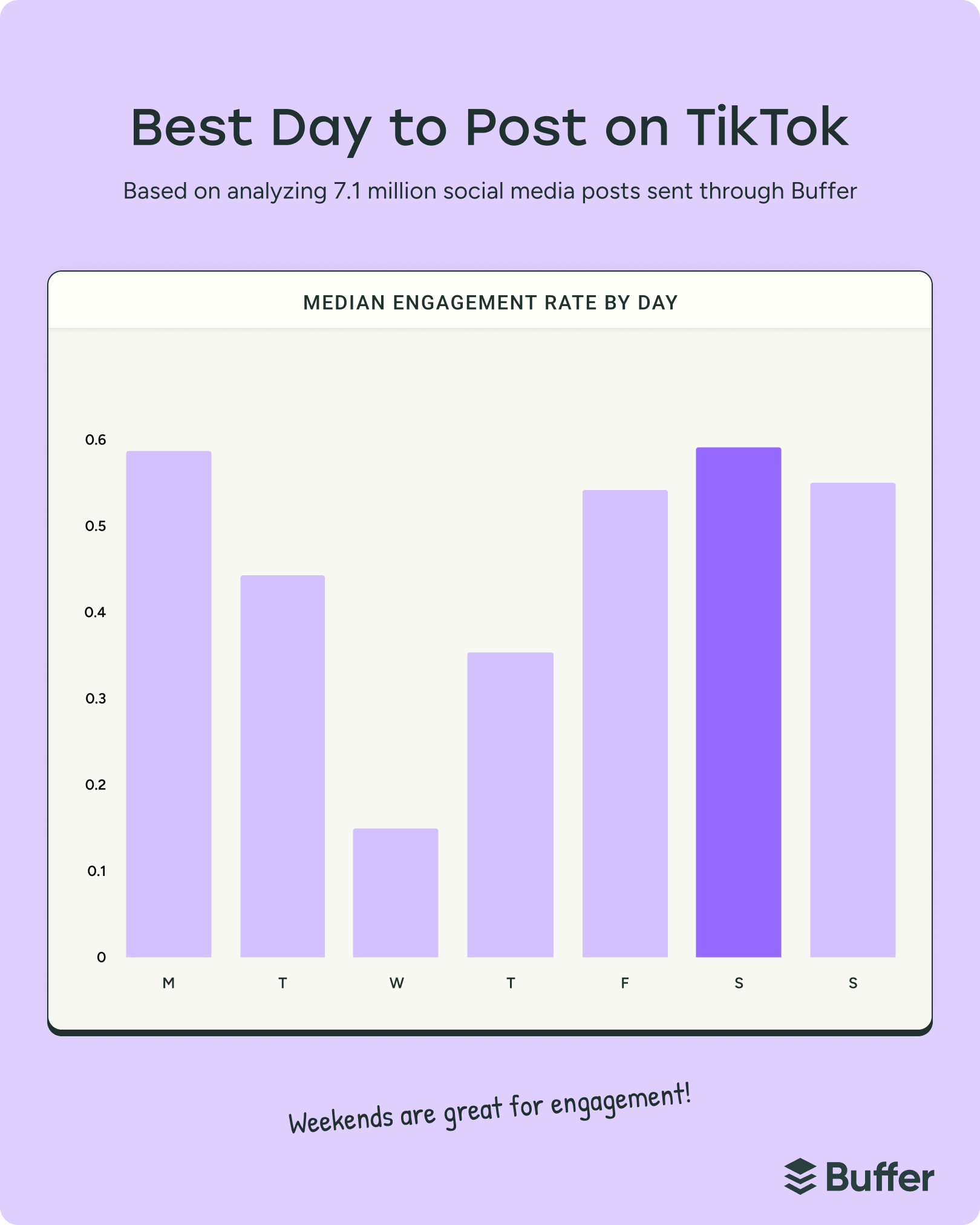
The broader weekly trends suggest a shift toward weekend and evening activity. Saturday emerged as the most successful day for overall engagement, likely due to the increase in leisure time that allows for longer-form, sound-on viewing experiences. In contrast, the mid-week period—specifically Wednesday and Thursday—tends to be quieter, requiring more strategic timing for creators who wish to break through the noise.
For those managing content calendars, the following breakdown of peak performance times serves as a strategic baseline:
- Monday: 1 p.m. (Secondary: 11 a.m., 8 a.m.)
- Tuesday: 6 a.m. (Secondary: 10 p.m., 7 a.m.)
- Wednesday: 10 p.m. (Secondary: 6 a.m., 9 p.m.)
- Thursday: 1 p.m. (Secondary: 10 p.m., 6 a.m.)
- Friday: 6 p.m. (Secondary: 10 p.m., 8 p.m.)
- Saturday: 5 p.m. (Secondary: 4 p.m., 3 p.m.)
- Sunday: 9 a.m. (Secondary: 1 p.m., 12 p.m.)
The Role of User Behavior and Consumption Patterns
The divergence between these times highlights a fundamental truth about TikTok: it is an active, rather than passive, medium. Unlike platforms where users scroll through text-based updates during short breaks, TikTok requires an immersive, sound-on commitment. Consequently, the most effective posting times align with moments when users are most likely to have the capacity for such engagement: the "morning transition" (early morning), the "lunch hour" (around 1 p.m.), and the "evening unwind" (6 p.m. to 11 p.m.).
The evening peak, in particular, demonstrates a consistent trend across the dataset. During these hours, the threshold for content to be considered "engaging" is higher because users are settling in for extended browsing sessions. Content creators who leverage these hours effectively can capitalize on the increased volume of active users, thereby increasing the likelihood of high watch-time metrics—a key driver of algorithmic favor.
Analytical Methodology and Global Considerations
A common question arises regarding time zones: How can a global platform provide universal posting recommendations? The data science team behind the study applied normalization techniques to ensure the findings are actionable regardless of the creator’s location. However, for those with a geographically concentrated audience, relying solely on general data is insufficient.
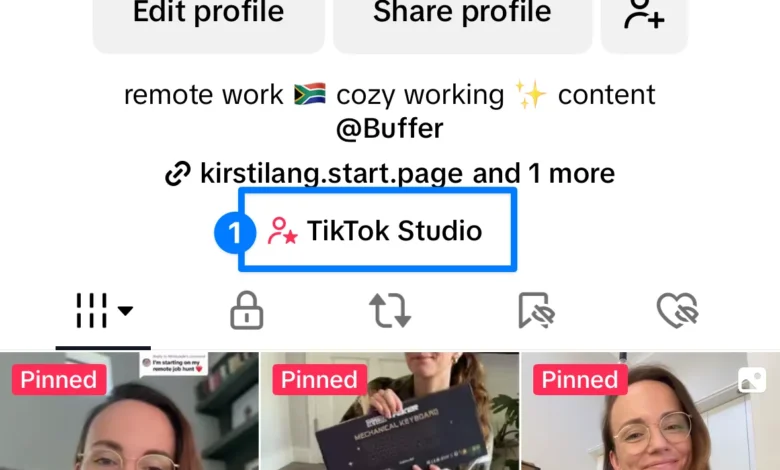
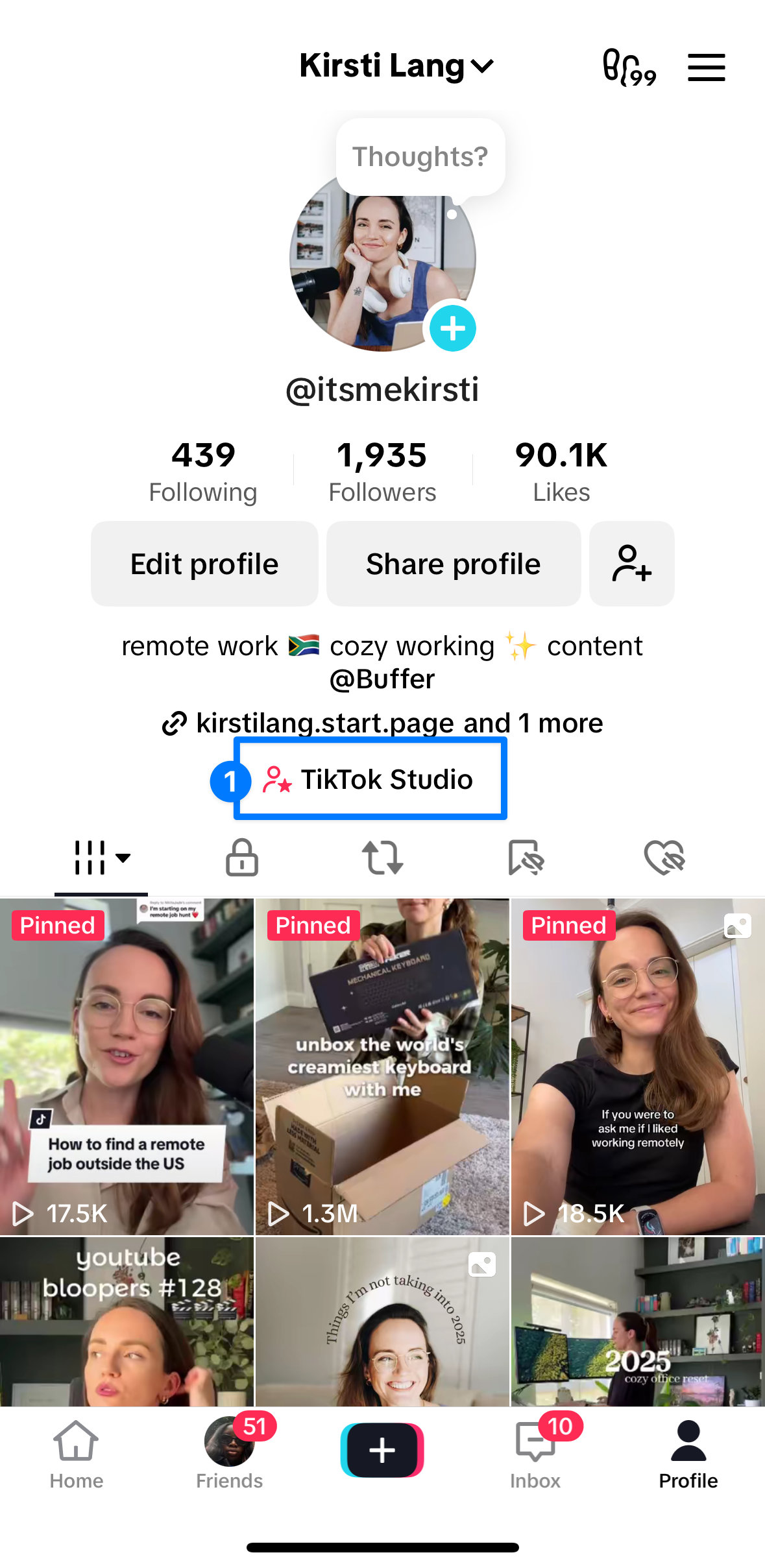
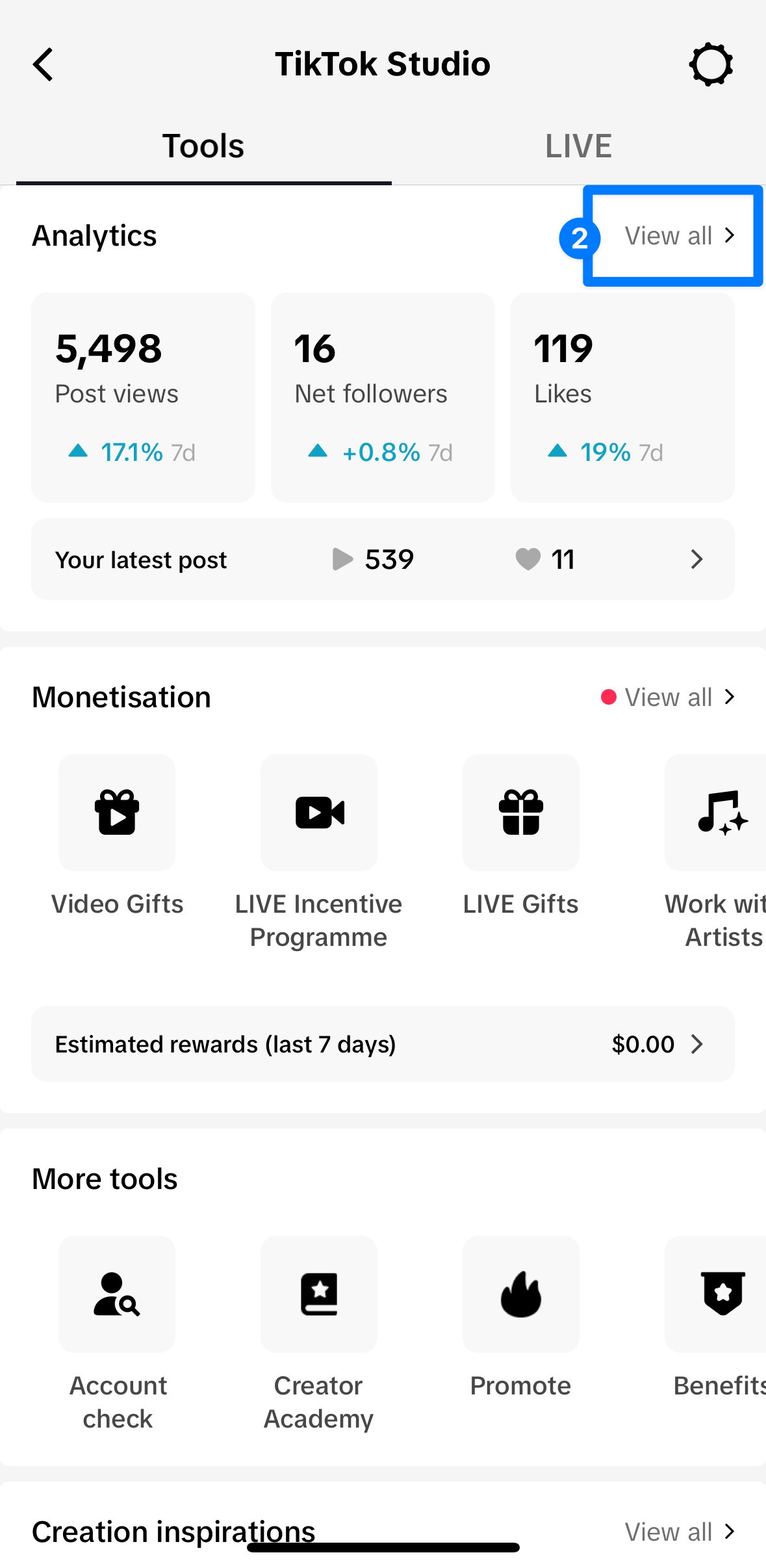
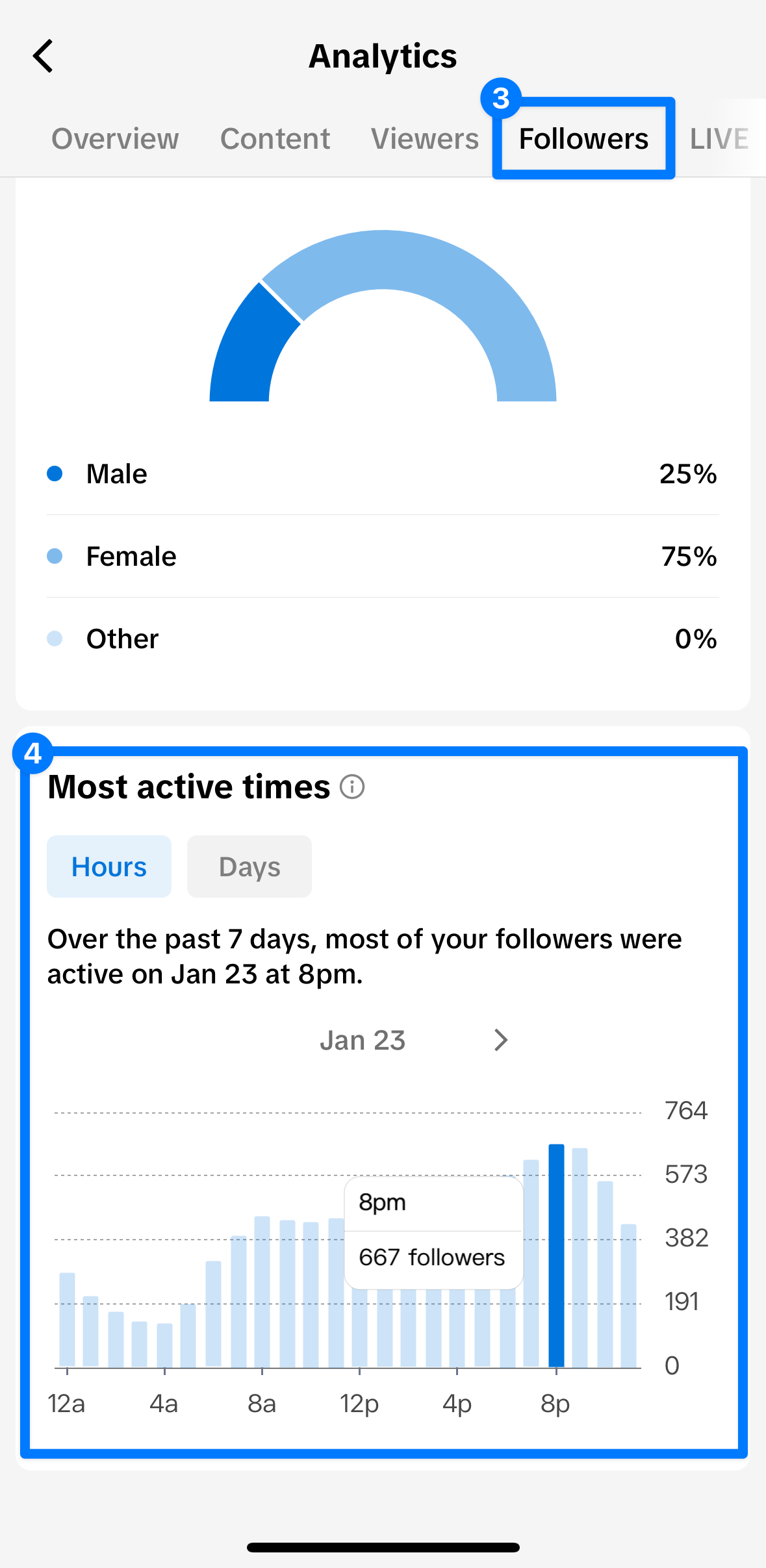
To refine these findings, creators should utilize the "Followers" tab within the TikTok Studio Analytics dashboard. This tool provides a retrospective view of when a specific account’s followers are most active. By comparing these platform-provided insights with the general findings, creators can tailor their schedules to their unique community demographics. For example, a business targeting a professional audience might find success with morning posts that align with commuting patterns, whereas an entertainment brand might find more success during the late-evening hours.
Strategic Implications for Content Creators
The implication of this research is clear: timing is a tool for amplification, not a substitute for quality. No amount of scheduling will compensate for content that fails to hook a viewer within the first three seconds. This "three-second rule" remains the primary barrier to entry for any video on the platform.
For professional content creators and small business owners, the strategy should involve a two-pronged approach:
- Systematic Testing: Use the identified peak times as a starting point. Schedule content consistently for a minimum of two to three weeks to allow for enough data to accumulate.
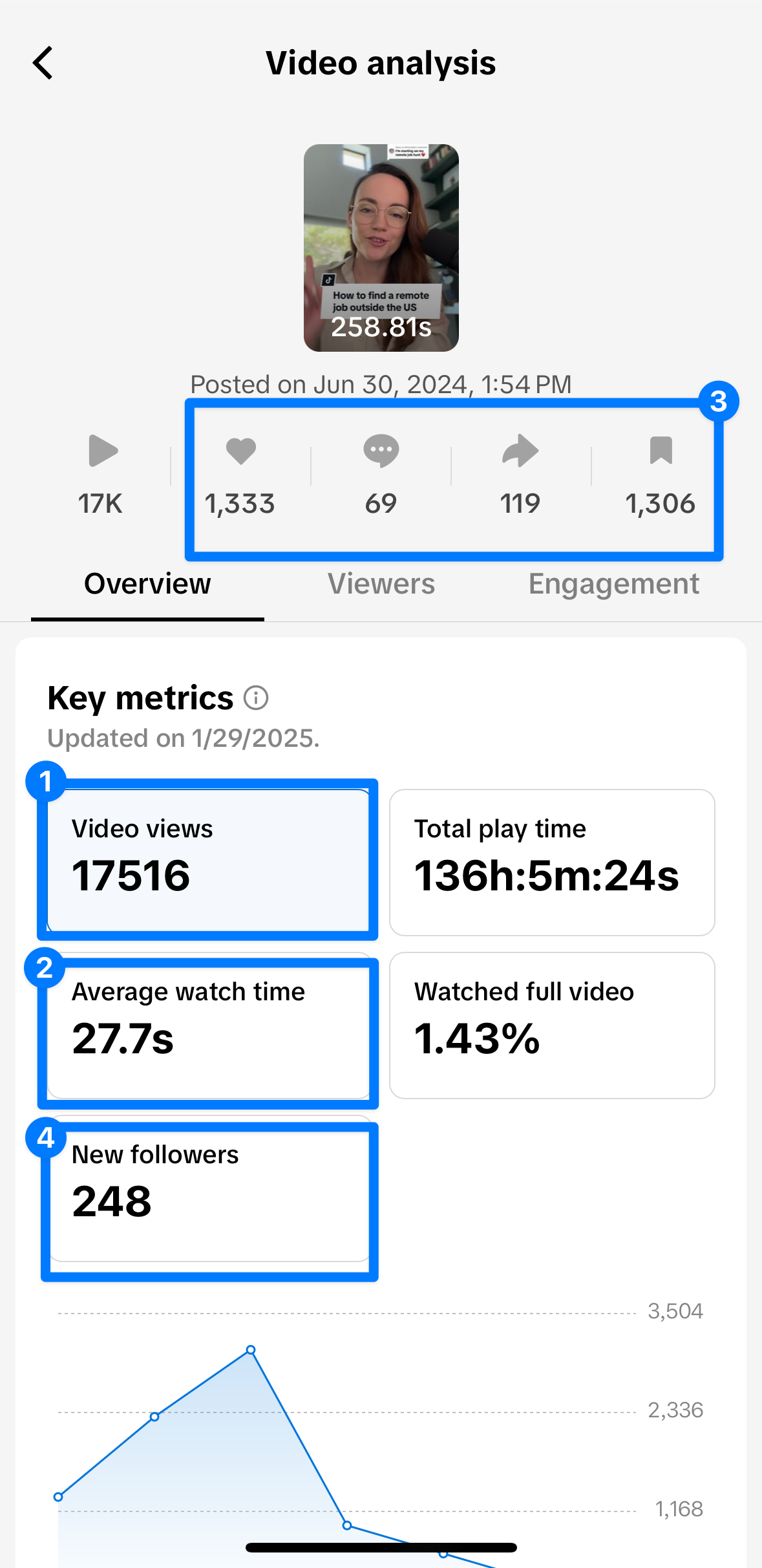
- Performance Audits: After the testing period, evaluate the performance of posts during these specific windows. If a post underperforms despite being posted during a "peak" time, the issue is likely the content itself—specifically the hook, the pacing, or the relevance of the topic to the audience.
The Value of Consistency
Beyond the clock, the most successful accounts on TikTok share one common trait: consistency. When a creator establishes a predictable rhythm, it fosters a sense of familiarity with their audience. This builds long-term loyalty, which is more resistant to the fluctuations of the algorithm. Scheduling tools have become vital in this regard, allowing creators to batch-produce content and distribute it at the optimal moments without the need for manual, real-time intervention.
Addressing Common Misconceptions
One frequent point of confusion is whether one must post every single day to remain relevant. The data suggests that frequency is less important than consistency and relevance. It is more effective to post three high-quality videos at peak times than seven mediocre videos at random intervals. Furthermore, if a brand is struggling with reach, the first step should be an analysis of "watch time" rather than an adjustment of the clock. If viewers are dropping off early, the algorithm will naturally deprioritize the content regardless of when it was published.
Looking Ahead: The Evolution of TikTok Trends
As of early 2026, the competitive landscape on TikTok continues to intensify. With the platform’s algorithm frequently updating to prioritize deeper engagement, the margin for error has decreased. The integration of data-driven scheduling is no longer a "pro tip" but a standard requirement for anyone aiming to maintain a professional presence.
In conclusion, while there is no "magic bullet" that guarantees virality, the data provides a statistically backed roadmap for success. By aligning publication schedules with peak periods of audience activity, and by prioritizing the quality of the first three seconds of content, creators can maximize their probability of success. The key is to treat timing as a force multiplier—a way to ensure that well-crafted content is presented to the largest possible audience at the moment they are most prepared to engage. As the digital landscape continues to shift, those who combine empirical data with creative agility will continue to lead the conversation.