Troubleshooting Facebook Ads Not Delivering: 10 Common Culprits and Professional Solutions for Modern Marketers


The modern digital advertising landscape requires precision, strategic resource allocation, and continuous monitoring. For marketing professionals and enterprise brand managers, logging into the Meta Ads Manager to find that active campaigns are generating zero impressions is an immediate operational bottleneck. When a campaign fails to deliver, it halts customer acquisition funnels, disrupts revenue projections, and wastes valuable optimization time. Understanding why Facebook ads stop delivering is critical for maintaining campaign momentum and maximizing return on ad spend (ROAS).
To diagnose and resolve delivery failures, digital media buyers must understand the mechanics of the Meta delivery system, ad auction dynamics, and platform compliance guidelines. Industry data indicates that a significant percentage of ad delivery issues stem from routine administrative oversight, algorithmic constraints, or policy misalignments. Below is a comprehensive, fact-based analysis of the ten most common reasons Facebook ads fail to deliver, accompanied by actionable, professional strategies to restore campaign performance immediately.
Understanding the "Not Delivering" Status in Meta Ads Manager

An ad is classified as "not delivering" when an active campaign or ad set fails to serve impressions to the specified target audience. This anomaly can impact newly created assets as well as historical campaigns that previously ran without interruption. Media buyers can verify delivery status by navigating to the Ads Manager dashboard and reviewing the Delivery column.
When technical or policy-related bottlenecks prevent distribution, Meta typically applies a sub-status, such as "Update required." While these notifications can cause concern for marketing teams, the platform’s infrastructure generally provides clear pathways to identify and correct the underlying cause.
- Unavailable Associated Posts or Media Assets
A frequent technical trigger for halted ad delivery is the unavailability of the organic post, media asset, or page element linked to the advertisement. If a page administrator deletes the original post, alters privacy settings, or revokes permissions for the ad account to access the content, the delivery system immediately halts the campaign.
To resolve this issue, media buyers must audit the linked post within the Ads Manager interface. If the content has been deleted or restricted, the campaign should be updated with a new creative asset or appropriate administrative permissions must be restored. Once the asset is validated, toggling the ad set back to active will clear the "Update required" notification and resume the auction bidding process.
- Extended Ad Review and Compliance Verification Cycles
Every piece of creative content submitted to the Meta platform undergoes a rigorous review process before publication. This protocol utilizes both automated machine learning systems and manual reviews conducted by Meta’s policy enforcement teams. According to Meta’s Business Help Centre guidelines, the standard review window is completed within 24 hours, though peak advertising seasons, holiday periods, and complex creative formats can extend this timeline significantly.
To mitigate operational delays caused by reviews, senior media buyers recommend scheduling campaigns several days in advance. Furthermore, advertisers must exercise caution when editing live or scheduled campaigns. Making substantial modifications to targeting, creative elements, or budgets after an ad has entered the review queue will automatically trigger a complete restart of the review cycle. Maintaining a strict policy of leaving ads unedited during the active review phase prevents unnecessary delivery stalls.
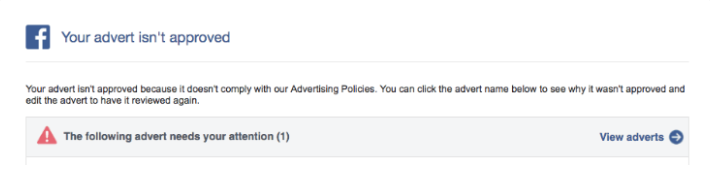
- Ad Rejections Due to Policy Infractions
When submitted creatives, ad copy, or associated landing pages violate Meta’s Advertising Standards, the system rejects the advertisement entirely, resulting in zero delivery. Rejections are communicated via email notifications and can be verified directly within the Ads Manager dashboard under the account quality tab. Common policy violations include prohibited content categories, misleading claims, sensationalized language, or technical issues on the destination landing page.
Resolving a rejected ad requires two primary pathways: modifying the creative assets to comply with platform guidelines or submitting a formal appeal. If an ad is flagged for restricted terminology or policy conflicts, editors should revise the copy to align with standards and resubmit. Conversely, if compliance teams believe the rejection was erroneous, a formal review request can be initiated via the Account Quality center. Additionally, advertisers must ensure that landing pages are fully functional, load rapidly, and accurately reflect the products or services promoted in the ad copy.
- Account-Level Spending Limits Reached
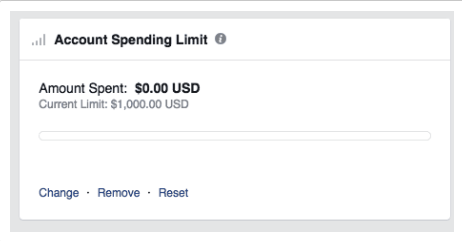
Enterprise and agency ad accounts frequently utilize account spending limits as a financial control mechanism to prevent overspending. However, a common administrative oversight involves establishing a lifetime account spend cap and failing to update or remove it once subsequent campaigns are launched. Once cumulative spending across all active campaigns reaches this predefined threshold, Meta automatically pauses all ad delivery across the account.
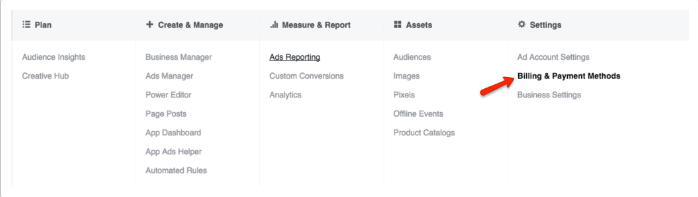
Media buyers can quickly identify and resolve this limitation by navigating to Ads Manager, accessing Settings, and selecting Billing and Payment Methods. Reviewing the account spending limit dashboard will display total expenditures against the maximum allowable cap. Increasing, resetting, or completely removing this financial ceiling will immediately reactivate paused campaigns and re-enter them into the live auction ecosystem.
- Overly Restrictive Budgets and Bid Caps
The Meta ad delivery algorithm relies heavily on continuous data collection to optimize audience delivery and minimize cost-per-action. When an advertiser imposes an excessively low daily budget—such as allocating three dollars per day—the algorithm lacks the financial leverage necessary to secure impressions, gather statistically significant engagement data, and optimize distribution.
Similarly, implementing rigid bid caps that fall significantly below market auction averages will cause the ad set to lose auctions consistently. To overcome these constraints, media buyers should establish realistic daily or lifetime budgets that reflect current market competition. Utilizing automated bidding strategies, such as the lowest-cost bid approach, allows the algorithm to secure optimal results at competitive pricing structures before manual bid adjustments are introduced based on historical performance data.
- Excessively Narrow Audience Parameters
While granular audience targeting is a cornerstone of efficient digital marketing, hyper-fragmentation can severely restrict ad delivery. Meta’s advertising infrastructure generally requires an estimated minimum audience size to effectively cycle ads and identify converting users. When targeting parameters exclude too many users—or when custom customer lists fall below expected volume thresholds—the system cannot build a robust delivery sample.
To rectify underdelivery caused by restricted parameters, media buyers should systematically broaden their target audiences. Recommended strategies include expanding geographic radius boundaries, increasing age brackets, utilizing Advantage+ audience expansion features, or incorporating broader interest categories that align with the core demographic profile.
- Internal Auction Overlap and Self-Competition
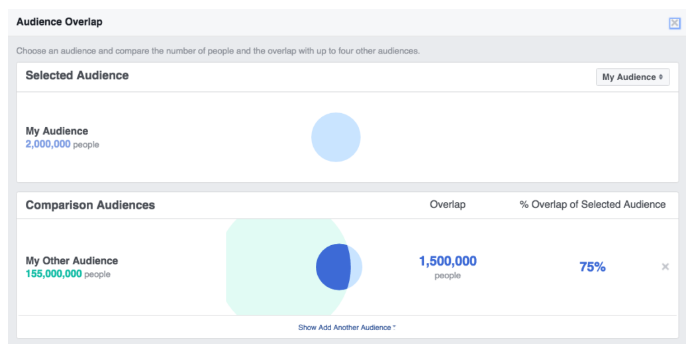
Managing large-scale campaigns often involves running multiple ad sets concurrently. When these distinct ad sets target overlapping demographic segments or identical custom audiences, an advertiser inadvertently forces their own ads to compete against one another in the real-time auction. To protect advertisers from inflating their own costs, Meta’s delivery system evaluates competing internal ads and automatically pauses those with lower total value.
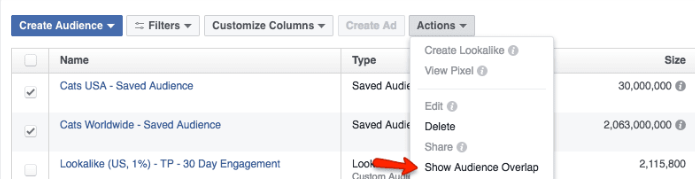
To diagnose and resolve auction overlap, media buyers utilize the native Audience Overlap tool located within the Audiences tab of Ads Manager. By selecting overlapping target groups and generating comparative charts, analysts can quantify the precise percentage of delivery loss caused by internal competition. Remediation steps include consolidating competing ad sets into a single, unified campaign structure or refining targeting criteria to ensure distinct separation between audience segments.
- Low Ad Relevance Diagnostics and User Engagement
Meta’s core objective is to deliver a seamless user experience, which includes serving highly relevant, engaging content to platform users. The platform evaluates ad performance continuously using ad relevance diagnostics, which measure quality ranking, engagement rate ranking, and conversion rate ranking against competing advertisers targeting the same audience. Ads that consistently underperform in these diagnostic metrics receive lower distribution priority.
When relevance scores drop into low percentiles, media buyers must overhaul their creative strategy. Industry insights suggest that improving ad rankings from low to average yields a more substantial delivery recovery than moving from average to above average. Redesigning visual assets, refining copywriting, updating post-click landing page experiences, and tightening audience intent parameters are proven methods for elevating relevance diagnostics and restoring delivery volume.
- Scheduling Errors and Campaign Expirations
Administrative errors related to campaign scheduling represent one of the most easily correctable causes of delivery failure. Advertisers frequently establish strict start and end dates for promotional pushes, seasonal campaigns, or limited-time offers. If a campaign’s designated end date passes, or if an ad set is manually placed in a paused state and forgotten, delivery ceases immediately.
To resolve scheduling anomalies, media buyers should audit campaign parameters within the main dashboard. Extending expiration dates, restarting paused ad sets, or modifying launch schedules to reflect immediate execution will prompt the system to re-engage the ad delivery queue without requiring a complete creative resubmission.
- Misaligned Optimization Goals and Low Conversion Volume
Optimization goals instruct the Meta algorithm on the specific consumer action a campaign is designed to achieve, such as lead generation, link clicks, or final purchases. While optimizing for bottom-of-funnel conversion events (e.g., completed checkouts) is standard practice for mature campaigns, applying this goal to newly launched or low-traffic ad sets can stall delivery. If an ad fails to generate initial conversions, the algorithm lacks the behavioral signals required to identify and target interested users.
To overcome this initialization barrier, media buyers often adjust optimization goals temporarily to higher-funnel, high-frequency actions—such as shifting from "Purchases" to "Add to Cart" or "Link Clicks." This adjustment provides the algorithm with sufficient interaction data to optimize delivery efficiently. Once consistent conversion volume is established, advertisers can safely transition the optimization objective back to their ultimate conversion goal.
Conclusion
The temporary halt of Facebook ad delivery is a common challenge for digital marketers, but it is rarely an unresolvable crisis. By systematically auditing technical assets, verifying compliance policies, adjusting budget and bidding structures, and refining audience parameters, marketing professionals can quickly diagnose root causes and restore campaign momentum. Proactive monitoring and adherence to platform best practices remain the most effective defenses against unexpected delivery interruptions in modern paid social media advertising.