Mastering the Art of Instagram Captions: A Comprehensive Guide for Brands and Creators in 2023


While Instagram remains fundamentally rooted in visual storytelling—requiring an image or video to anchor every standard grid post—digital marketing professionals increasingly recognize that captions are the backbone of effective community management and conversion. Unlike platforms such as Facebook, Twitter, or LinkedIn, where text can stand entirely on its own, Instagram’s visual-first architecture often lulls brands into neglecting their written copy. However, industry data consistently demonstrates that strategic copywriting is vital for brands seeking to transcend passive viewership and achieve tangible business objectives, such as elevating brand equity, cultivating organic follower growth, deepening engagement metrics, and driving bottom-line sales.
The anatomy of an Instagram caption encompasses up to 2,200 characters of text, emojis, and hashtags. While clickable hyperlinks are strictly prohibited within the body of a standard caption—a design choice intended to keep users within the native ecosystem—these text blocks provide the necessary context, emotional resonance, and strategic direction required to transform a casual scroller into a loyal brand advocate. As social media algorithms continue to prioritize meaningful interactions over simple passive impressions, understanding how to construct, format, and optimize these text fields has become an essential competency for digital marketers and content creators alike.

Anatomy and Function of Instagram Captions
At its core, an Instagram caption serves as the narrative bridge between a brand’s visual media and its target audience. Ranging from single-word accents to extensive micro-blogs, captions allow organizations to articulate their brand voice, explain complex product value propositions, and guide user behavior.
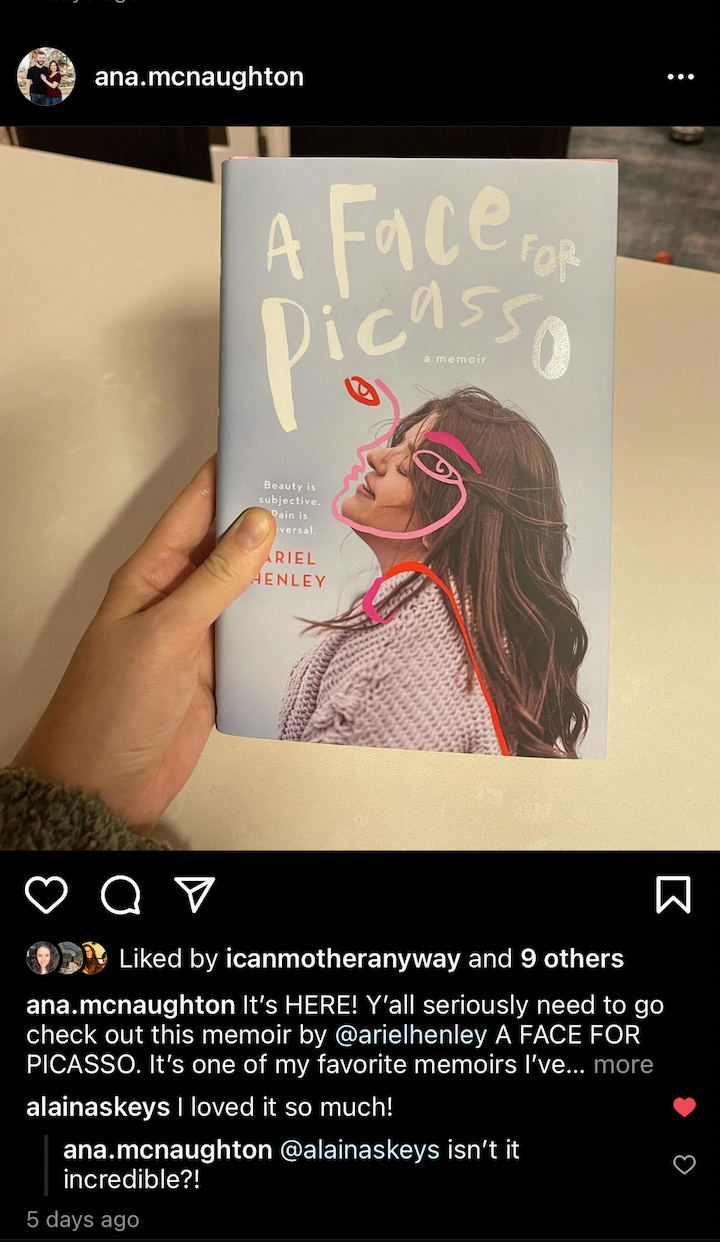
With a generous limit of 2,200 characters, creators possess ample room to experiment with different content styles. However, technical constraints dictate specific tactical approaches. Because Instagram truncates captions after the first two or three lines—typically around 125 characters—the initial phrasing carries disproportionate weight. Users must click the "more" button to expand the text, making the opening hook critical for capturing attention amidst an increasingly saturated feed. Furthermore, while the platform allows up to 30 hashtags per post, social media analysts recommend a curated, highly relevant subset to prevent algorithmic suppression and maintain an aesthetically clean presentation.

Strategic Frameworks for Crafting High-Performing Captions
Writing captions that consistently generate high engagement requires a deliberate methodology that balances creative expression with analytical precision. Industry best practices point to several core pillars that separate high-performing posts from underperforming content.
Starting Strong and Delivering Immediate Value
In the fast-paced environment of social media feeds, capturing "thumb-stopping" attention is paramount. Brands must front-load their captions with a compelling hook or clear value proposition. By addressing the user’s immediate pain points or desires within the first sentence, creators incentivize readers to tap the expanded text view. For instance, shifting from a generic greeting to a direct, benefit-driven statement establishes immediate relevance, reducing bounce rates and encouraging deeper interaction with the post.
Navigating Character Length and Content Depth
A common misconception in social media management is that shorter is always better. While concise captions certainly have their place for highly stylized imagery, comprehensive studies conducted by social media analytics firms suggest otherwise. Empirical data from platform experiments reveals that captions ranging between 400 and 705 characters frequently outperform ultra-short variations (under 65 characters) in terms of overall engagement. Providing adequate context, sharing behind-the-scenes anecdotes, or telling a cohesive micro-story gives audiences more material to connect with, thereby fostering stronger brand affinity.
Leveraging Cultural Resonance and Timeliness
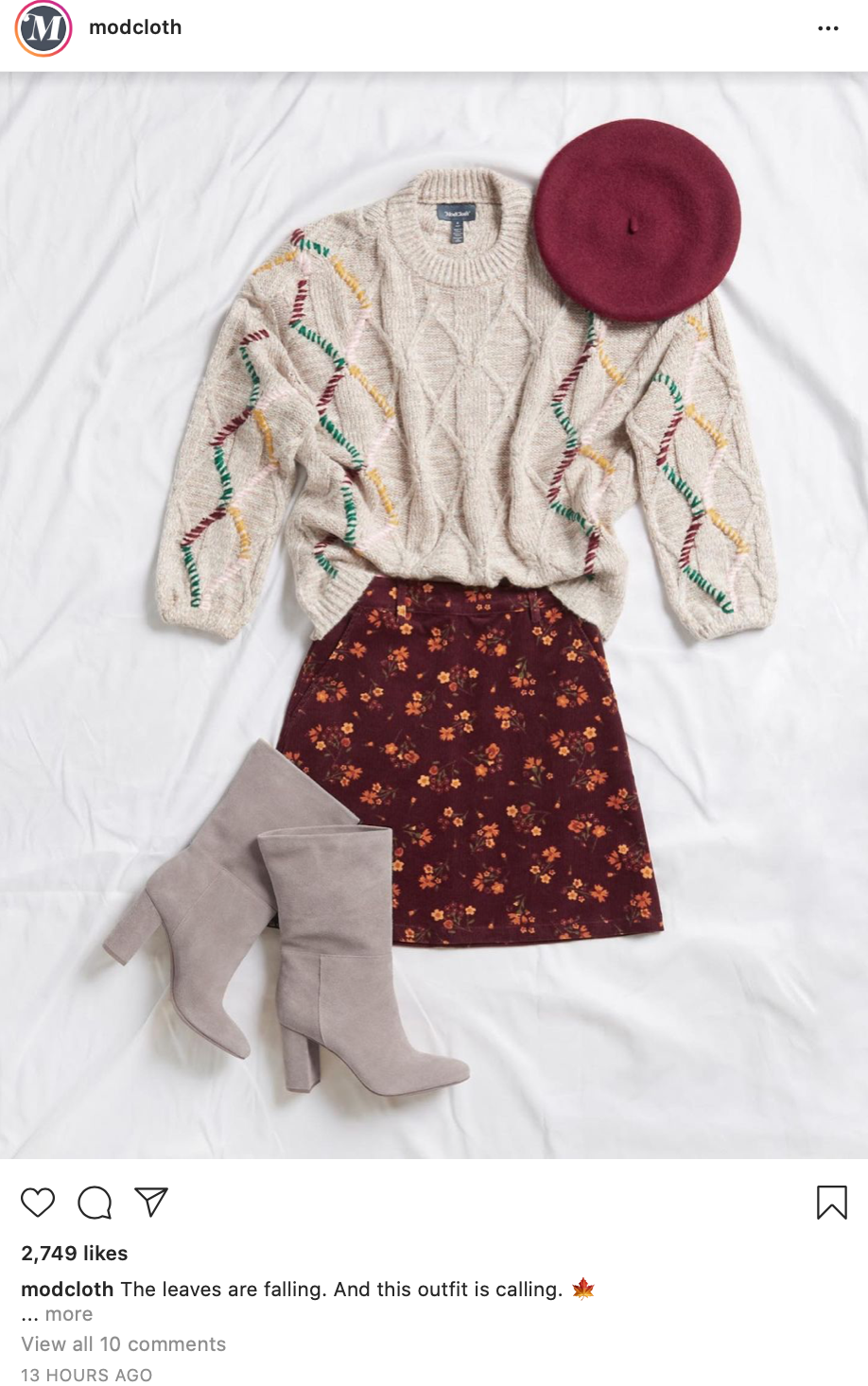
Incorporating familiar pop culture references, seasonal idioms, or recognizable colloquialisms can significantly enhance a brand’s relatability. When used effectively, these touchpoints act as cognitive shortcuts, instantly aligning a brand with the cultural zeitgeist or seasonal mood of its audience. Whether referencing a classic musical lyric to introduce a summer campaign or playing on autumn tropes for a seasonal apparel rollout, these stylistic choices humanize corporate entities and invite community participation.
Diversifying Hashtag Strategies for Expanded Reach
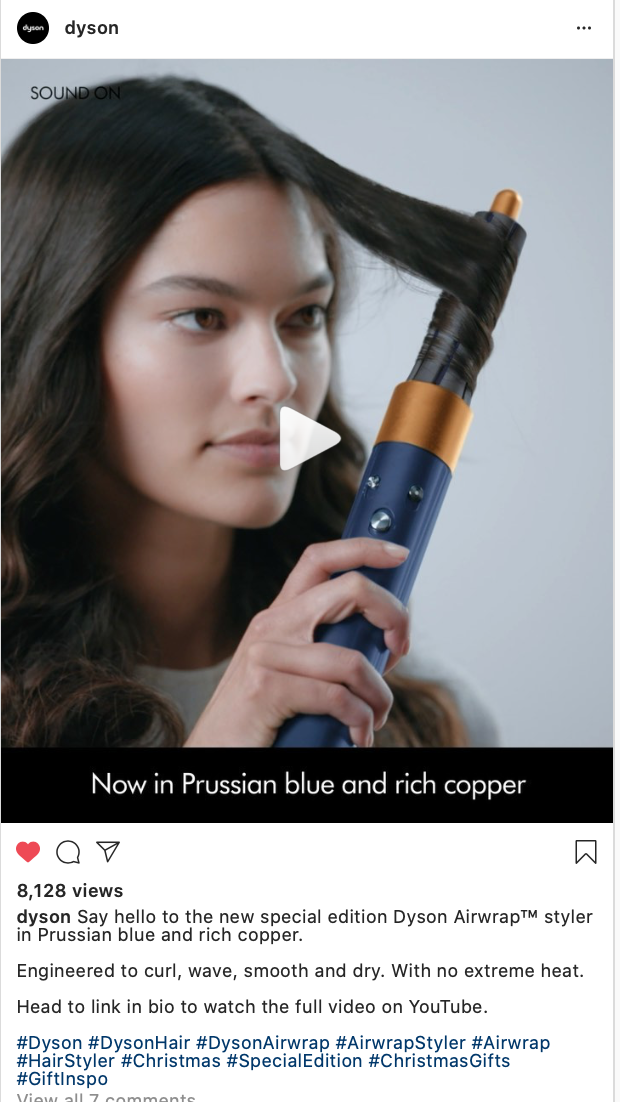
Hashtags remain one of the primary mechanisms for content discovery on Instagram, enabling posts to reach audiences beyond an existing follower base. Effective hashtag strategy involves a diversified approach rather than repetitive copying and pasting. Marketing experts recommend combining branded hashtags (specific to a company or campaign), seasonal or holiday tags (capturing timely search volume), interest-based descriptors (targeting niche communities), and location-based tags where applicable. Rotating these elements across campaigns prevents audience fatigue and maximizes algorithmic exposure.
Optimizing for Engagement and Actionable Metrics
Because standard Instagram posts do not support clickable outbound links, engagement metrics—such as likes, saves, shares, and comments—function as the primary indicators of campaign health. Furthermore, Instagram’s recommendation algorithm heavily favors content that sparks active conversations.
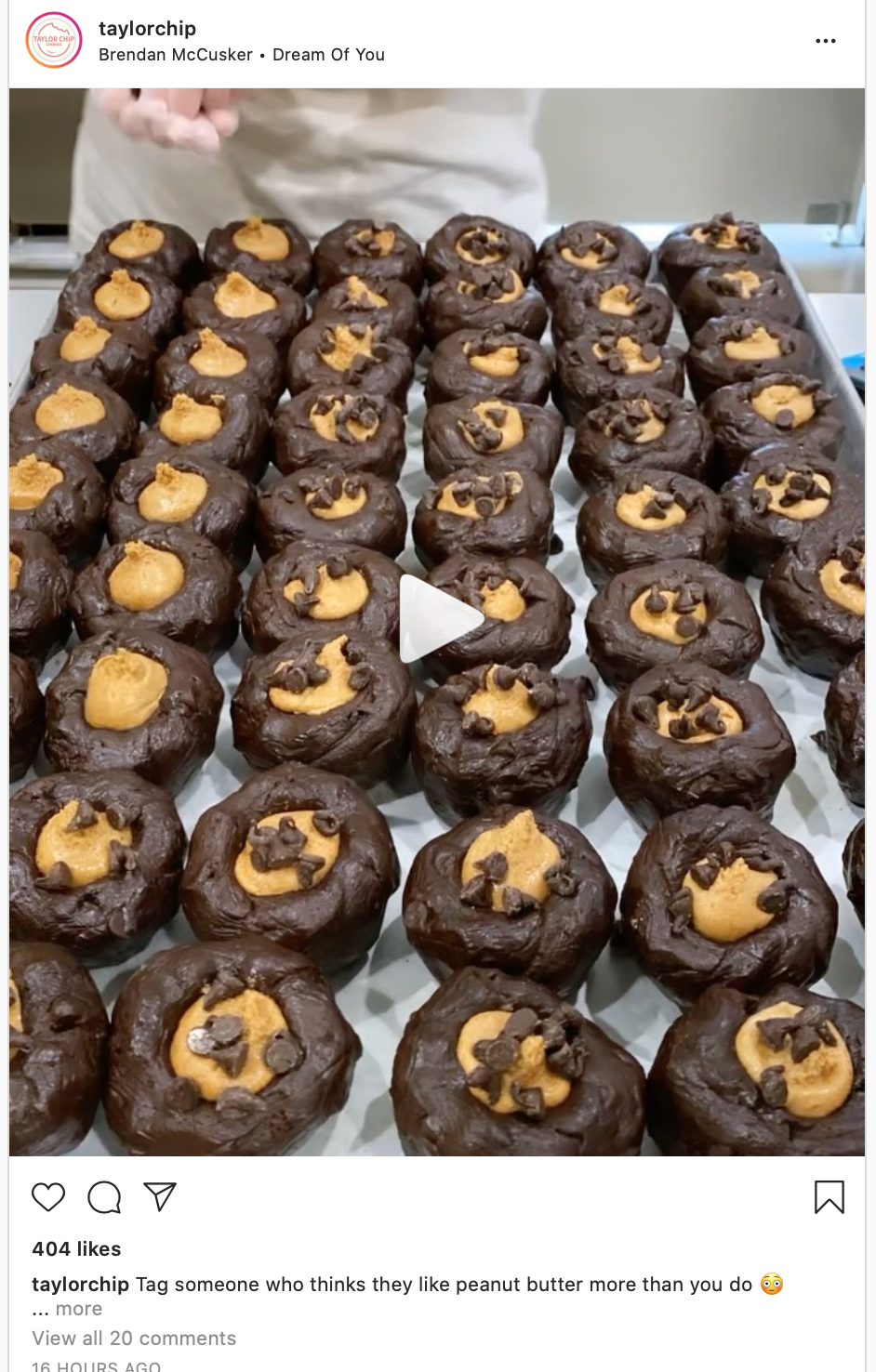
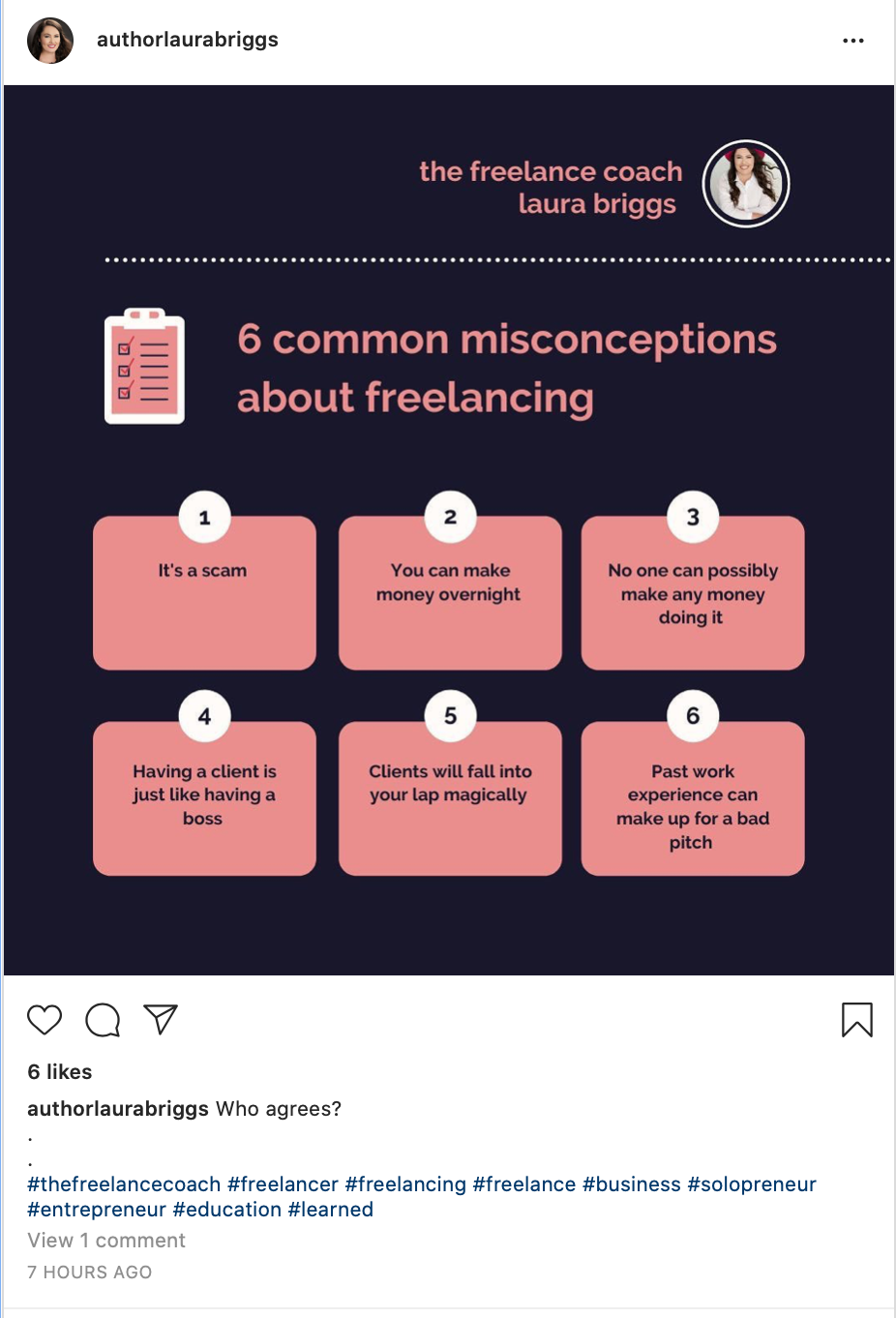
To stimulate this interaction, brands frequently employ direct engagement tactics, such as posing straightforward questions ("Who agrees?") or encouraging peer-to-peer tagging ("Tag a friend who needs this"). While these tactics must be used judiciously to avoid user fatigue, moderate application consistently yields higher comment volume, which in turn signals algorithmic authority and broadens organic reach.
Driving Conversions Through Strategic Calls to Action (CTAs)
While community engagement is a valuable intermediate metric, the ultimate goal of commercial social media marketing is off-platform monetization, such as appointment bookings, event registrations, or direct e-commerce purchases. To bridge the gap between brand awareness and revenue generation, captions must incorporate clear, frictionless Calls to Action (CTAs).

An optimized CTA explicitly directs the user on what to do next—whether that involves visiting the link in the profile bio, signing up for a limited-capacity workshop, or utilizing a specific promotional code. By clearly articulating the value proposition and outlining the exact steps required, brands remove ambiguity and guide prospective customers smoothly down the marketing funnel.
Technical Formatting, Editing, and Advanced Styling
Beyond the copywriting itself, the visual presentation of text on Instagram plays a significant role in readability and user retention. Unformatted blocks of text often deter readers, whereas clean spacing and intentional typography enhance the user experience.

Mastering Paragraph Spacing
To combat the natural tendency of mobile apps to collapse line breaks, savvy creators utilize specific formatting techniques. Incorporating blank lines, punctuation marks, or minimalist symbols helps segment long-form captions into distinct thematic blocks—separating the primary hook, the narrative body, and the concluding hashtag cluster. This structural hierarchy creates a scannable, polished aesthetic that aligns with modern digital reading habits.
Utilizing Native Editing Tools
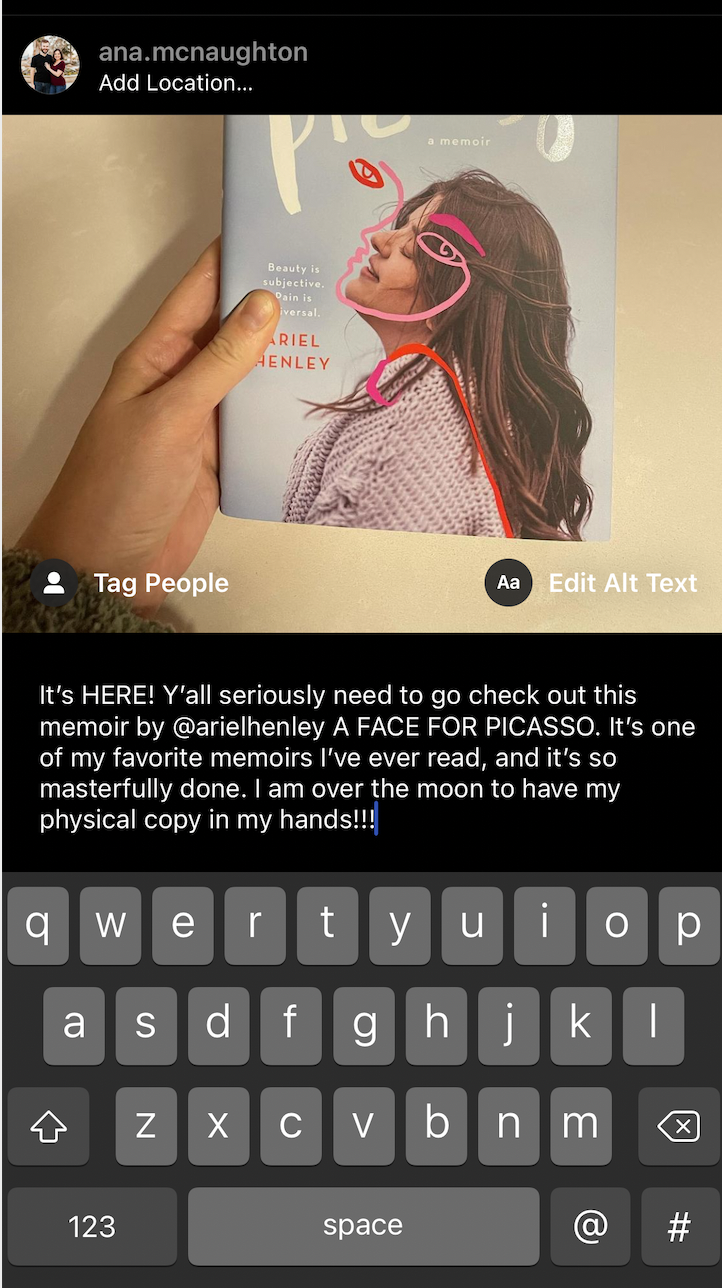
Recognizing that initial drafts frequently require refinement, Instagram provides a streamlined post-editing feature. Users can modify published captions at any time by accessing the post options menu via the three-dot icon in the top right corner, selecting "Edit," and saving the revised text. This functionality allows marketing teams to correct typographical errors, update expired promotional details, or adjust hashtag strategies dynamically without having to delete and re-upload valuable content assets.
Implementing Custom Typography
For brands looking to establish a distinct visual identity down to the typographic level, third-party Unicode font generators have become increasingly popular. Tools such as specialized web browsers allow users to convert standard alphabet characters into stylized fonts, bolding, or italics that can be copied and pasted directly into Instagram captions. While this technique can successfully draw the eye to key phrases or section headers, digital strategists advise moderation to ensure accessibility and maintain overall brand professionalism across diverse mobile devices.
Implications for Modern Digital Strategy
As social commerce continues to mature, the role of the Instagram caption will only grow in strategic importance. Platforms are continuously evolving their search and discovery capabilities, with text-based keywords playing an increasingly prominent role in how content is indexed and served to users. Brands that treat captions as an afterthought risk squandering valuable algorithmic real estate and failing to forge meaningful connections with their target demographics.
Ultimately, writing the perfect Instagram caption requires a harmonious blend of art and science. By combining strong conceptual hooks, data-backed length optimization, strategic hashtag curation, and clear commercial direction, organizations can elevate their social media presence from a simple visual gallery into a powerful engine for brand loyalty and measurable business growth.