The Evolution of Social Commerce: How Social Media Platforms Are Redefining Global Retail


Global e-commerce sales continue to surge, with worldwide figures projected to reach $5.5 trillion, cementing online retail as a permanent and expanding fixture of the modern economy. However, the architecture of digital retail is undergoing a profound structural transformation. The traditional paradigm—which required consumers to transition from digital discovery on social platforms to external web browsers and standalone e-commerce sites like Shopify or WooCommerce—is rapidly giving way to an integrated ecosystem. Today, buying and selling directly within social media networks has emerged as a dominant retail frontier, fundamentally redefining how brands connect with consumers and complete transactions.
This convergence of social media and retail, widely termed social commerce, transcends traditional digital storefronts. It eliminates historical barriers to entry
and friction points in the consumer journey, transforming major social networks from mere channels of brand awareness into fully functional, point-of-sale marketplaces. As consumer behaviors shift toward instant gratification and seamless digital experiences, industry analysts and retail executives are closely examining the mechanisms driving this multi-trillion-dollar market evolution.

Defining Social Commerce: Anatomy of a Paradigm Shift
To understand the trajectory of modern retail, it is necessary to distinguish social commerce from adjacent digital marketing terms. E-commerce remains a broad designation encompassing the purchase and sale of goods through dedicated online stores, branded applications, and web-based marketplaces. Social selling, conversely, refers to the practice of building interpersonal relationships and nurturing prospects through social media networks to drive eventual conversions.
Social commerce, however, represents a distinct operational model: the complete execution of the buying and selling process entirely within a social media application. In a social commerce environment, a consumer moves from product discovery to checkout without ever navigating away from the host platform.
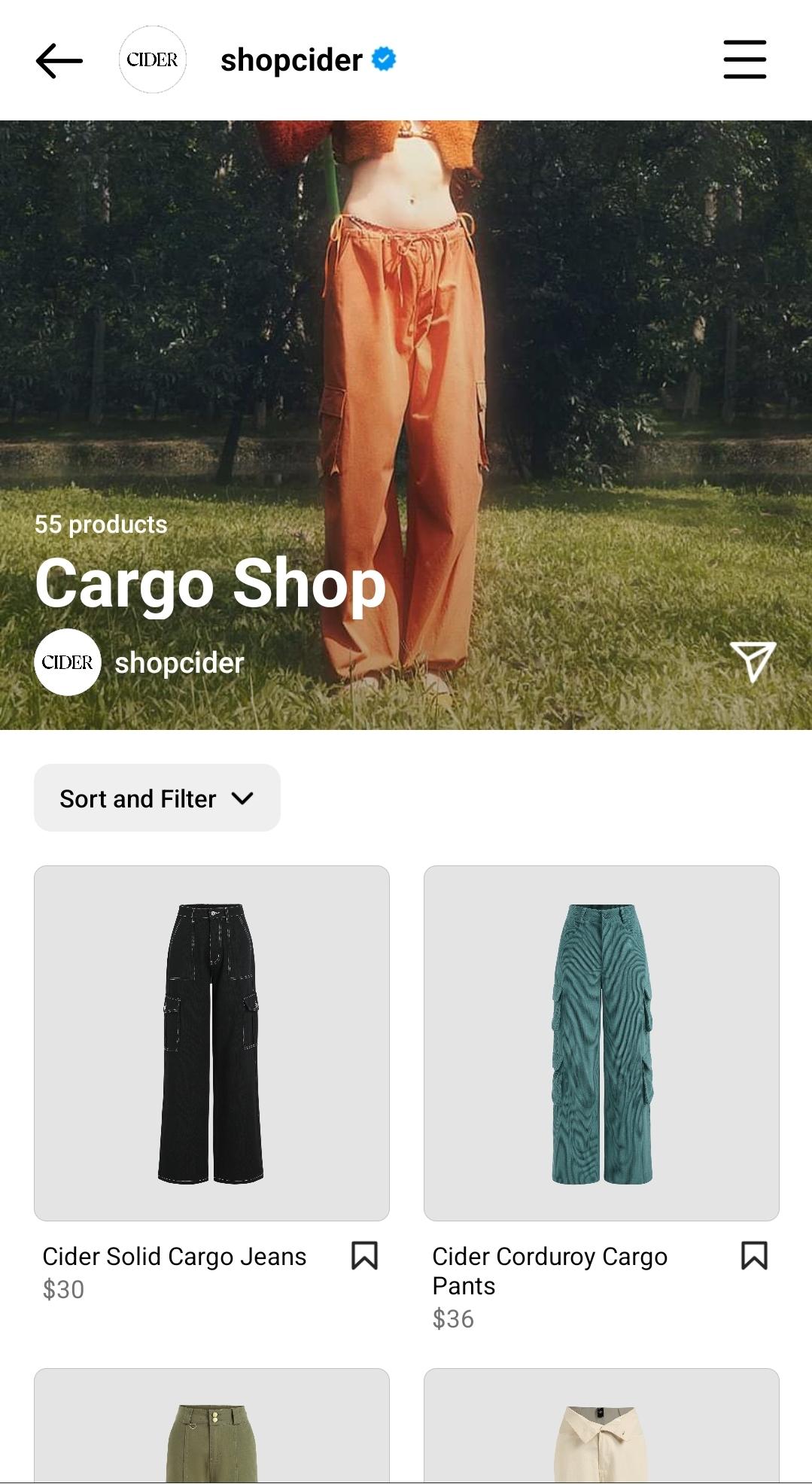
For instance, a user scrolling through an Instagram feed who encounters an advertised apparel item can interact with a direct purchase interface, add the item to an in-app cart, and complete payment credentials securely within the application. Similarly, on platforms like TikTok, consumers can purchase products featured in creator content via embedded buying buttons, resuming their media consumption immediately following the transaction without interruption. This operational fluidity has transformed passive scrolling into active retail conversion.

The Chronology and Evolution of In-App Retail
The integration of retail capabilities into social media infrastructure did not occur overnight; it represents a decade-long evolution in platform monetization and user experience design.
The foundational groundwork for social commerce began taking shape in the mid-2010s. In 2015, Pinterest introduced early iterations of purchasable pins, equipping standard content cards with metadata regarding pricing and availability, though initial transactions still required redirection to external landing pages. Shortly thereafter, major technology conglomerates recognized the commercial value of shortening the conversion funnel.
By the late 2010s and early 2020s, platforms including Facebook, Instagram, and TikTok aggressively rolled out native infrastructure designed to host storefronts directly on user profiles. Facebook introduced customizable Facebook Shops, allowing merchants to synchronize existing inventory catalogs from external e-commerce platforms or manually upload product data via spreadsheets. Instagram followed suit by embedding shopping tags into organic posts, Stories, and Reels, eventually expanding capabilities to include checkout within direct messaging (DMs) threads.

Despite regulatory and market adjustments—such as TikTok recalibrating its geographic rollout strategies for TikTok Shop in Western markets while maintaining strong footholds in the UK and Asian sectors—the overarching industry trend toward native in-app purchasing remains robust and irreversible.
Key Drivers Behind the Social Commerce Surge
Market research and consumer behavior studies indicate that the rapid adoption of social commerce is propelled by several distinct demographic and psychological factors.
First, social commerce fundamentally optimizes the consumer journey by removing transactional friction. Traditional e-commerce requires a cumbersome sequence: encountering an advertisement, navigating to an external website, loading product pages, populating shopping carts, manually entering shipping and credit card data, and navigating potential technical drop-off points. Each step in this legacy funnel introduces opportunities for cart abandonment. Social commerce condenses this multi-step process into a streamlined click-and-buy architecture, dramatically lowering cognitive load and abandonment rates.

Second, consumer demographics heavily favor social-first retail. Data from market research firm Statista indicates that approximately 62% of U.S. consumers aged 18 to 34 have completed a purchase directly influenced by branded social media posts or content shared by digital influencers. For Millennials and Generation Z, social media functions as a primary search engine and lifestyle directory, making native shopping integrations a natural extension of their daily digital habits.
Third, social commerce inherently fosters a more interactive, community-driven shopping environment. Unlike static e-commerce product pages, social platforms allow consumers to publicly comment on items, solicit peer advice via direct messaging or comment threads, evaluate social proof in real-time, and engage directly with brand representatives. This dynamic mirrors the social aspects of physical retail malls within a digital framework.
Furthermore, social platforms serve as organic, cost-free focus groups for business owners. Brands utilizing social commerce can collect instantaneous qualitative feedback regarding product iterations, pricing strategies, and inventory demand through direct customer interactions, comments, and sentiment analysis. Coupled with sophisticated audience-targeting algorithms fueled by vast troves of user data, brands can place ready-to-buy inventory precisely in front of high-intent demographics, optimizing advertising return on investment.
Platform Landscape: Where Social Commerce Operates

Retailers seeking to capitalize on social commerce currently navigate an ecosystem anchored by five primary platforms, each offering distinct infrastructural advantages:
-
Facebook: Anchored by Facebook Shops, this platform enables businesses to establish free, highly customizable digital storefronts. Merchants can synchronize inventories from major partner e-commerce platforms or manage catalogs manually. Transactions can be finalized via native in-app checkout, external website redirection, or real-time communication channels like Facebook Messenger.
-
Instagram: Operating in tandem with Facebook business profiles, Instagram Shops allow brands to tag products across static feeds, Stories, Reels, and live-streaming sessions. Recent technological integrations permit users to complete transactions directly within direct message conversations, bridging conversational commerce with retail execution.
-
Pinterest: Capitalizing on its identity as a visual search engine where 89% of users actively seek purchase inspiration, Pinterest features Product Pins that allow U.S.-based consumers to buy items natively, while maintaining referral traffic models in international markets.
-
TikTok: Through TikTok Shop, brands leverage viral content and community hashtags—such as the widely used #TikTokMadeMeBuyIt, which has amassed billions of views—to drive direct sales through video streams, live shopping events, and product showcase tabs.
-
Snapchat: Incorporating augmented reality (AR) try-on features and integrated shopping lenses, Snapchat enables younger demographic cohorts to visualize products in real-time before completing secure mobile checkouts.
Strategic Implications and Best Practices for Retailers
As social commerce transitions from an innovative marketing tactic to a fundamental retail channel, business strategists emphasize that success requires more than simply uploading an inventory catalog to a social profile. Brands must cultivate an active, responsive digital presence to maximize revenue generation.

Industry experts recommend implementing robust social listening tools to monitor audience sentiment, track industry trends, and address customer inquiries promptly. Because response time is frequently the deciding factor between a confirmed transaction and a lost customer, many enterprises now deploy conversational artificial intelligence (AI) chatbots—such as Heyday by Hootsuite—to automate up to 80% of routine customer service interactions. These AI-driven tools manage repetitive inquiries regarding product pricing, shipping updates, and order tracking across social channels, while intelligently escalating complex queries to human support teams.
Additionally, successful social merchants prioritize the collection and display of authentic social proof. Given that over 99% of online consumers consult reviews prior to making purchasing decisions, brands actively solicit user-generated content, customer testimonials, and verified reviews, subsequently republishing them across social feeds and marketing touchpoints.
Broader Impact and Future Outlook
The maturation of social commerce signals a broader shift in digital economics: the boundary between media consumption and commercial transaction is effectively dissolving. For legacy retailers and digital-native brands alike, social media platforms are no longer viewed merely as top-of-funnel advertising channels, but as holistic digital shopping malls.

As artificial intelligence, augmented reality try-on features, and conversational commerce continue to advance, the capability of social networks to facilitate frictionless, hyper-targeted retail transactions will only expand. Businesses that successfully integrate social commerce into their overarching operational strategies stand to capture high-intent audiences where they spend the majority of their digital lives, securing a competitive advantage in the rapidly evolving global marketplace.