The global digital landscape has shifted from a period of experimental social networking to a sophisticated, data-driven economy where social media analytics serve as the primary compass for brand growth and consumer engagement. As of 2026, the integration of social media into every facet of the corporate value chain has necessitated a transition from intuitive content creation to rigorous data analysis. Organizations, ranging from solo creators to multinational enterprises, are increasingly moving away from the limited, often fragmented insights provided by native platform dashboards toward comprehensive third-party analytical suites. This transition is driven by the need to bridge "blind spots" in native data, such as the absence of historical timestamps on LinkedIn or the lack of cross-platform sentiment correlation.

The Strategic Imperative of Social Media Data in the 2020s
Social media analytics are no longer defined simply by "vanity metrics" like likes or follower counts. In the current market, these analytics encompass a complex array of performance indicators, including reach, impressions, engagement rates, click-through rates (CTR), and conversion attribution. The distinction between social media analytics and social media data analysis has become a cornerstone of modern marketing strategy: while analytics represent the raw numerical output, data analysis is the intellectual process of identifying patterns and translating them into actionable business decisions.
Industry data suggests that the social media management software market is projected to grow at a compound annual growth rate (CAGR) of over 13% through the late 2020s. This growth is fueled by the demand for "diagnostic analytics"—tools that explain why a specific piece of content succeeded or failed—and "prescriptive analytics," which utilize artificial intelligence to suggest future content strategies.
Chronology of Social Media Analytical Evolution
The trajectory of social media tracking has undergone three distinct phases:
- The Era of Presence (2004–2012): Early platforms provided almost no internal data. Brands measured success through manual follower counts and anecdotal evidence of engagement.
- The Era of Native Insights (2013–2020): Platforms like Facebook and Twitter (now X) introduced internal "Insights" tabs. While revolutionary, these tools remained siloed, forcing marketers to manually aggregate data into spreadsheets—a process frequently cited as a significant "time sink" for marketing departments.
- The Era of Integrated Intelligence (2021–Present): The current period is defined by third-party API integration and AI-driven synthesis. Modern tools now offer a unified view of the entire social ecosystem, allowing for competitive benchmarking and real-time sentiment analysis across fragmented platforms like Threads, Bluesky, and Mastodon alongside legacy giants.
Native Limitations and the Rise of Third-Party Solutions
While major social networks provide internal metrics, professional marketers highlight several critical deficiencies. LinkedIn, for instance, has been criticized for not providing specific timestamps on historical posts, making it difficult for users to determine the optimal windows for audience activity. Furthermore, native insights do not allow for "campaign-level" tracking across different networks. A brand running a coordinated launch on TikTok, Instagram, and X would, without third-party tools, be forced to cobble together disparate data points to understand the campaign’s collective impact.
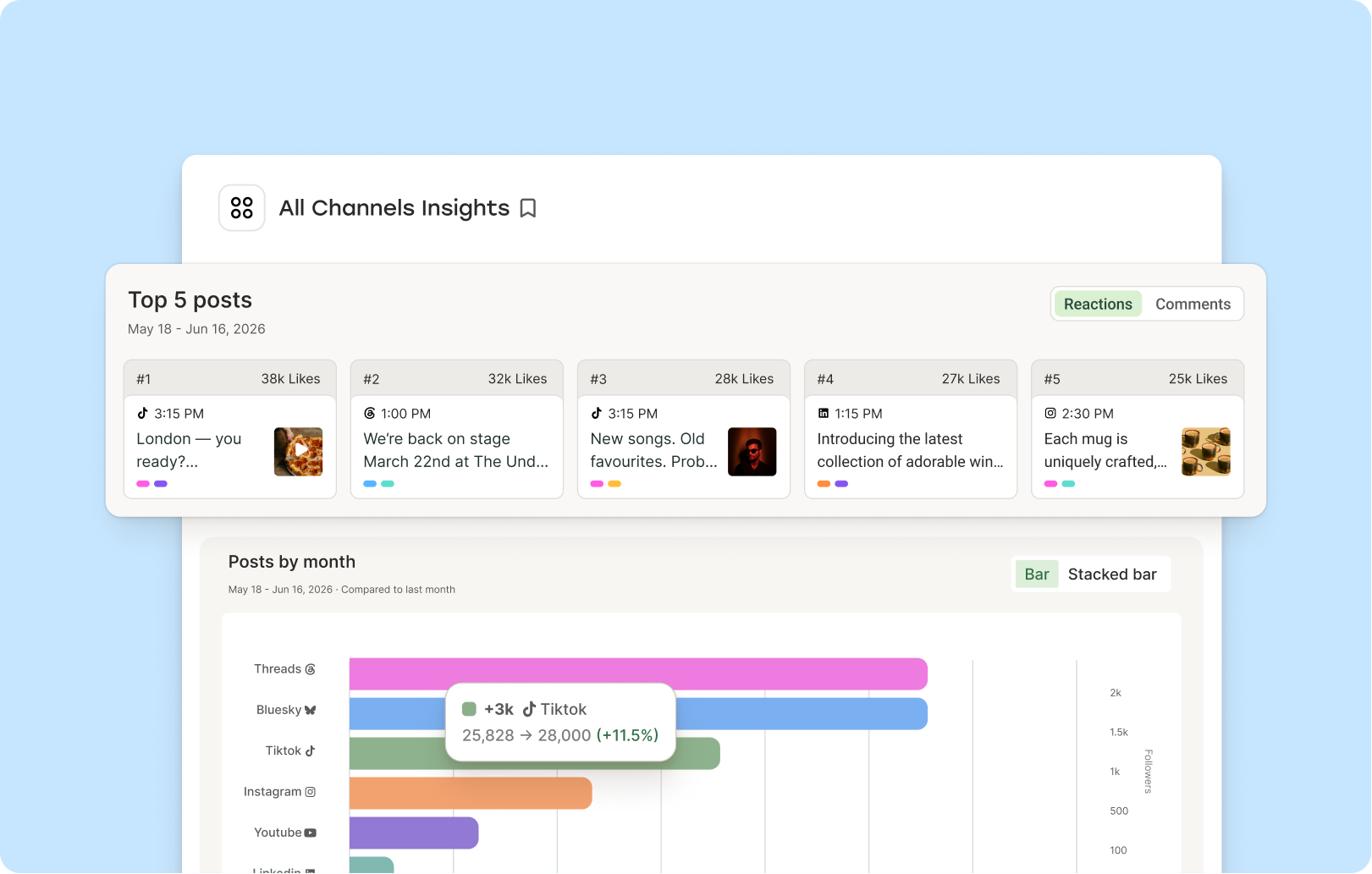
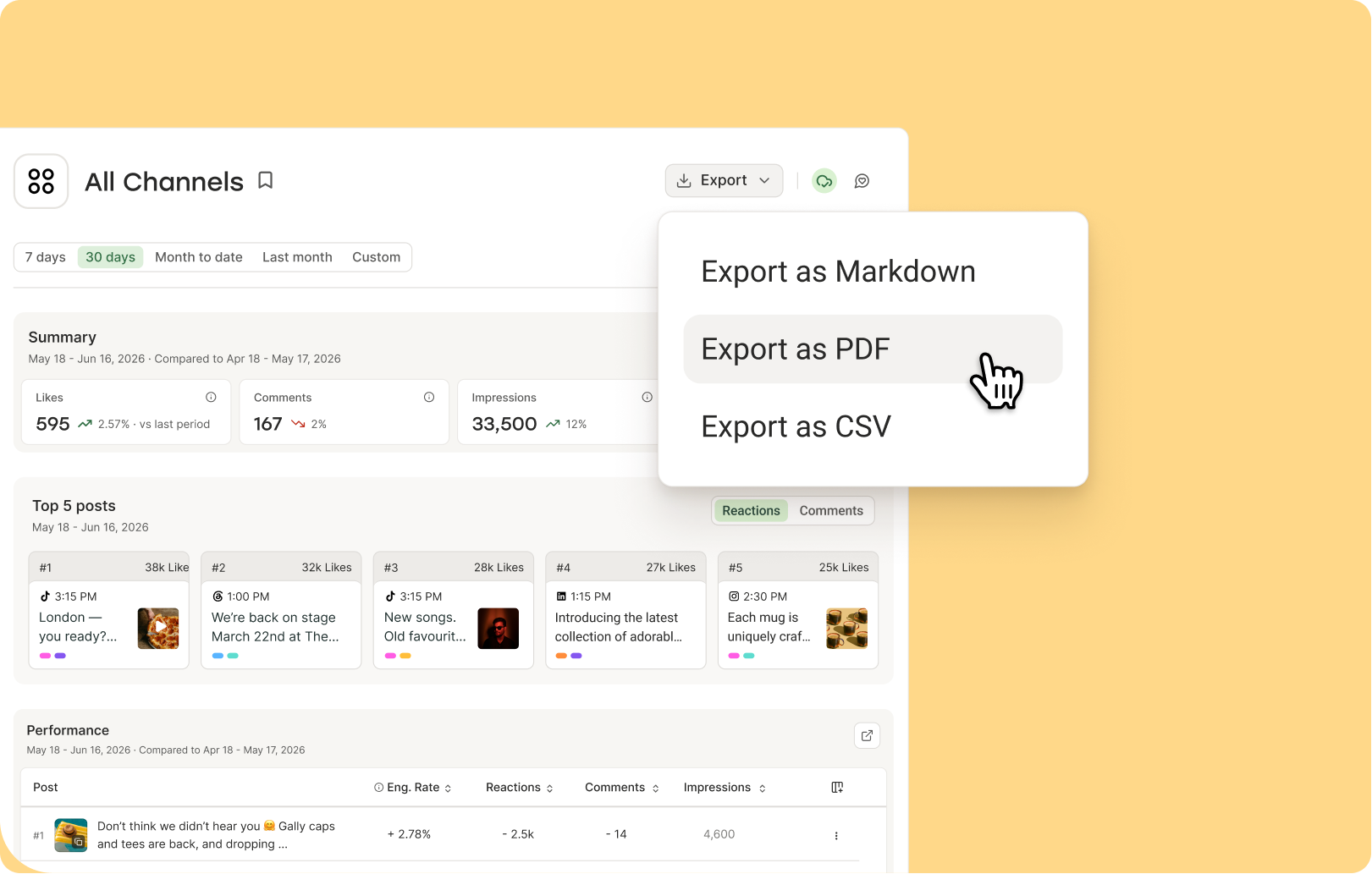
Third-party tools solve this by aggregating data into a single "source of truth." These platforms are generally categorized into two types: Social Media Management Software (combining scheduling and analytics) and Dedicated Analytics Tools (focusing on deep-dive research and competitive intelligence).
Comparative Evaluation of Leading Analytics Platforms for 2026
To provide a clear roadmap for stakeholders, the following 11 tools have been identified as the industry leaders based on use case, pricing structures, and technological capabilities.
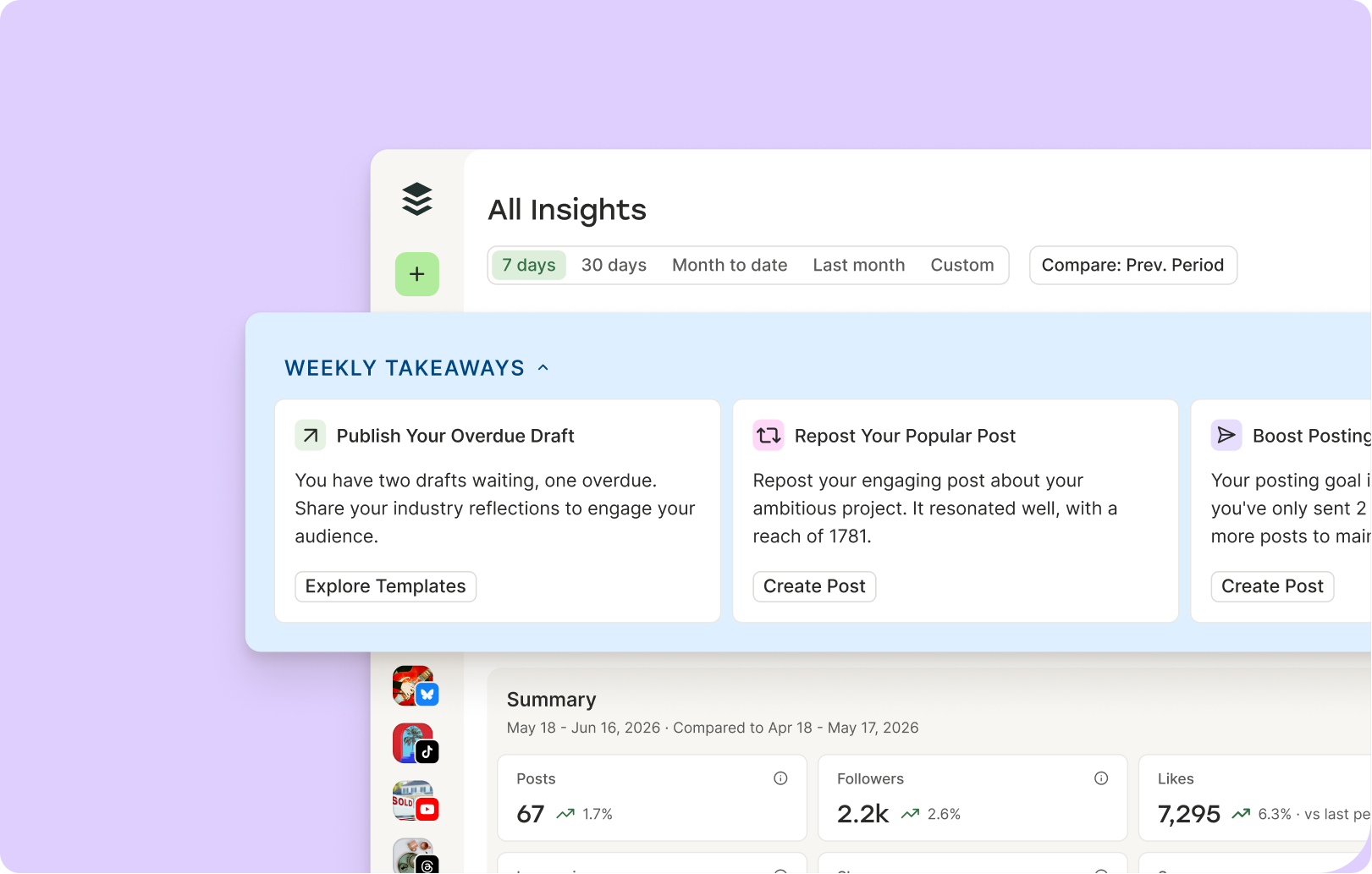
1. Buffer: The Preferred Suite for Creators and Growing Teams
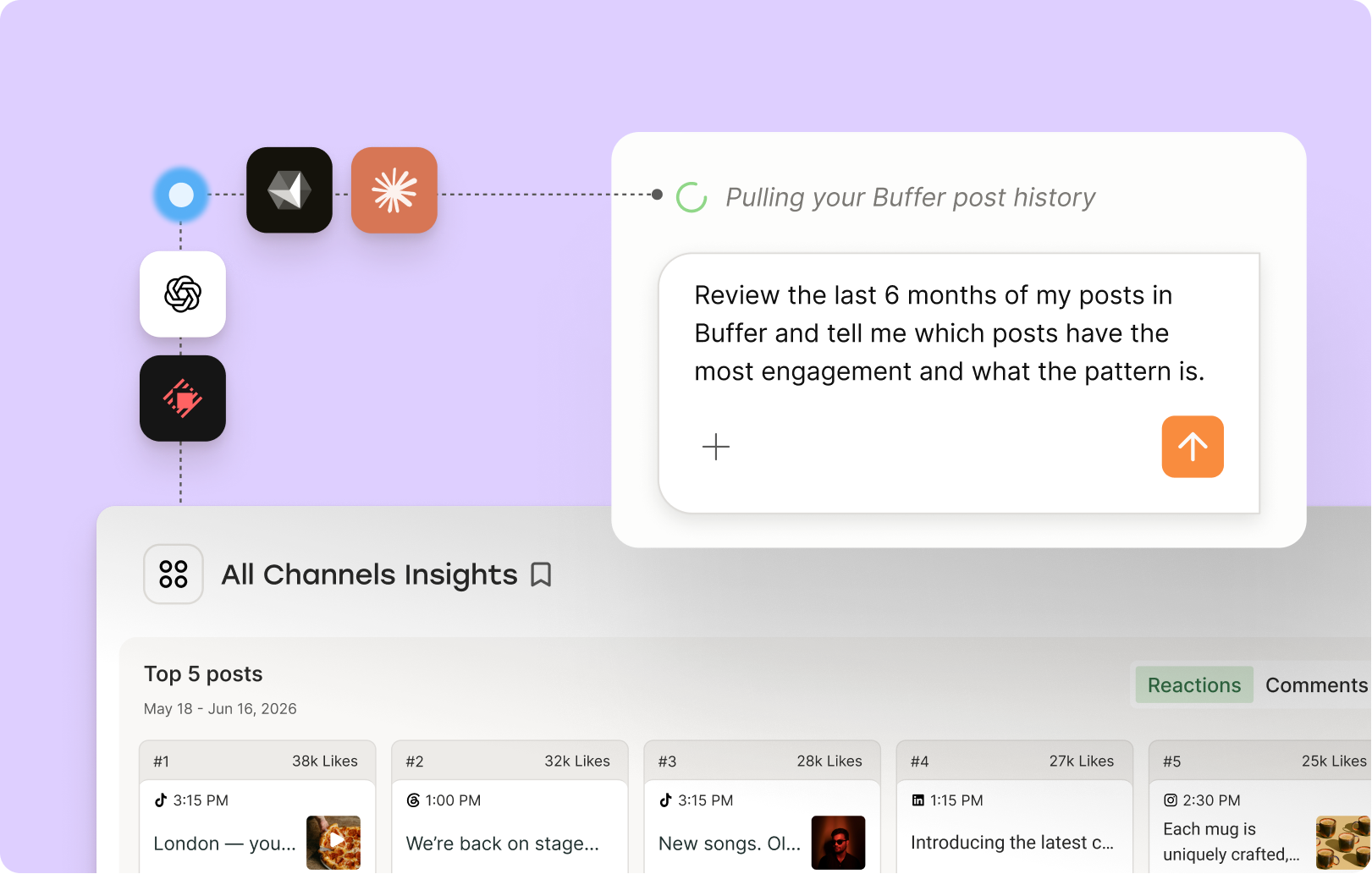
Buffer has maintained its position as a market leader by focusing on user experience and "Takeaways"—an AI-powered feature that synthesizes performance data into plain-language observations. It is particularly valued for its ability to flag high-performing older content for resharing, effectively extending the lifecycle of digital assets.
2. Rival IQ: Enterprise-Grade Competitive Benchmarking
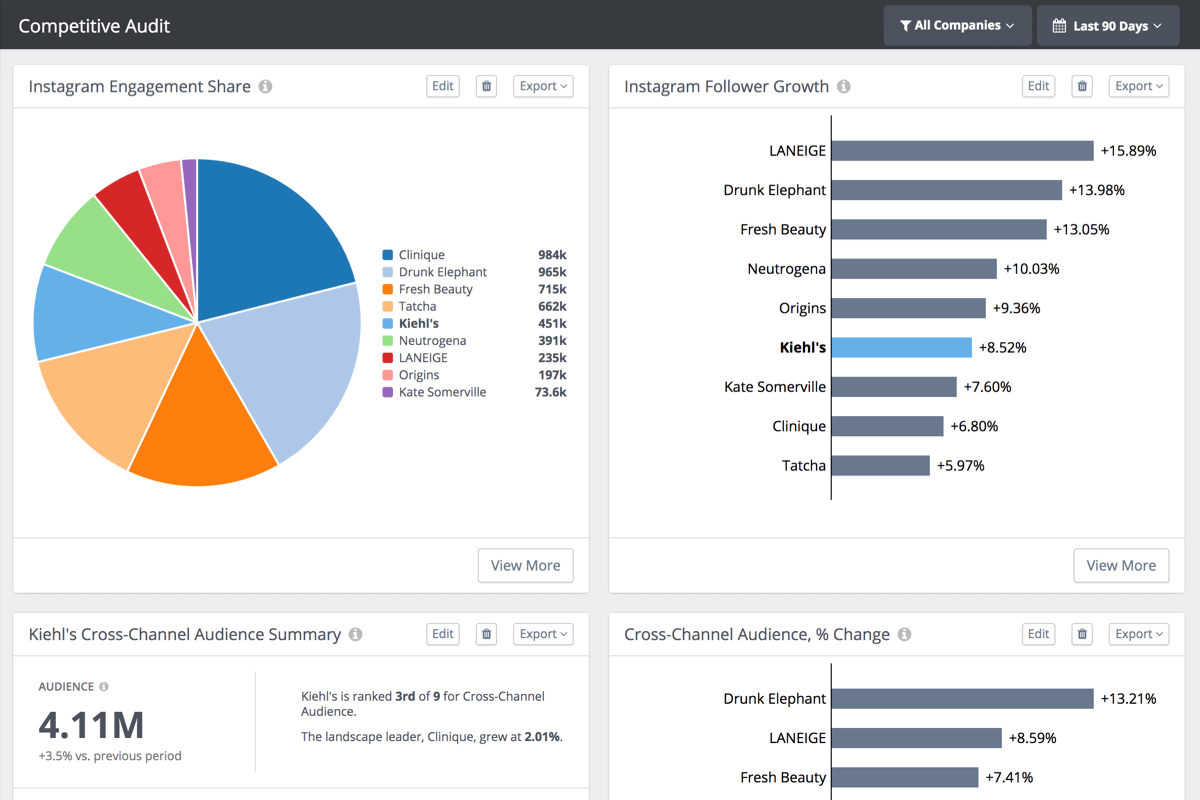
For large agencies, Rival IQ offers a specialized focus on competitive analysis. It provides rare insights, such as detecting when a competitor’s post has likely been "boosted" via paid spend. This allows agencies to adjust their clients’ strategies based on a realistic understanding of the competitive landscape.
3. Keyhole: Historical Data and Market Research
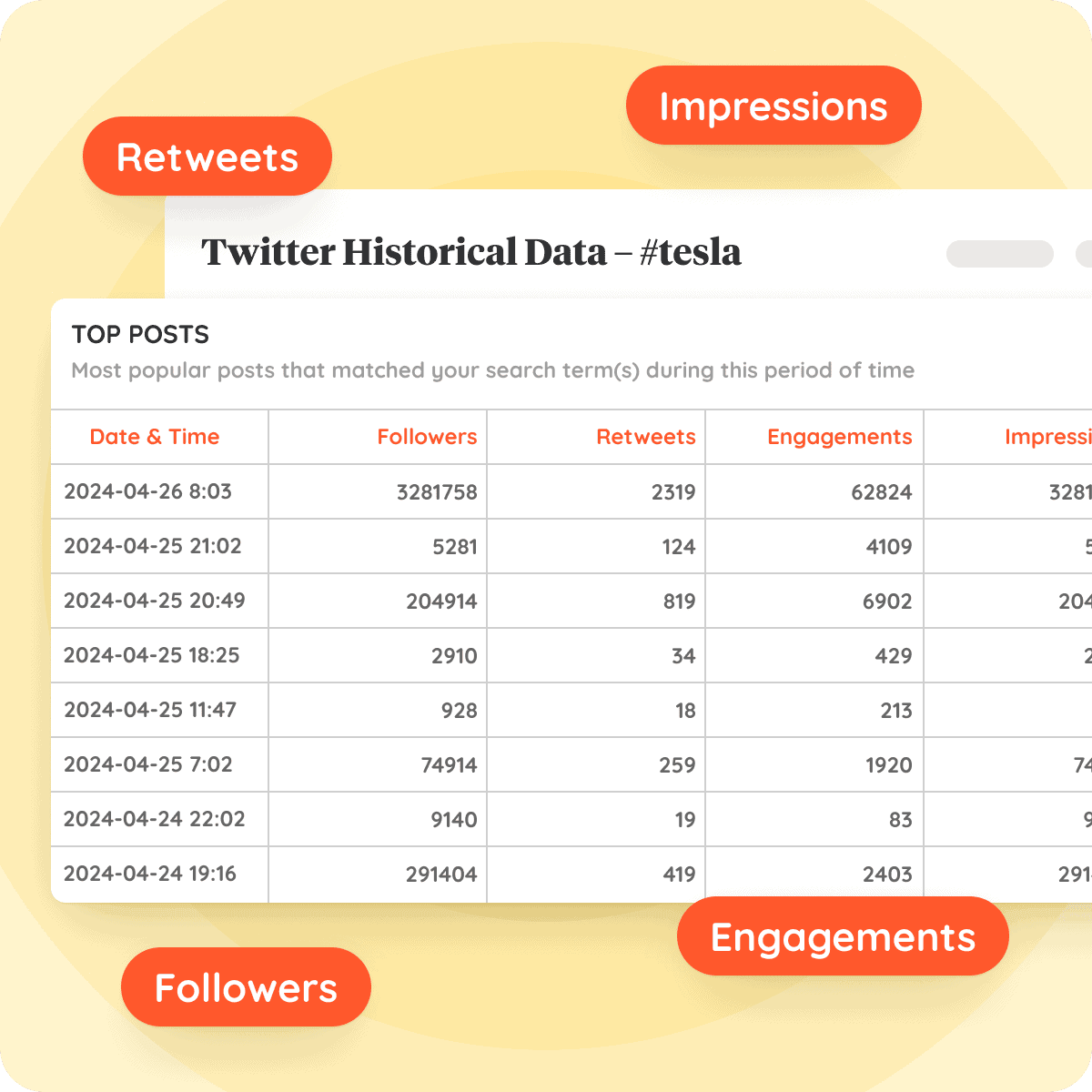
Keyhole distinguishes itself through its ability to access up to a decade of historical data, specifically on X. This "long-range" data allows researchers to track how public sentiment on specific topics has evolved over years, providing a foundational layer for product development and brand positioning.
4. Social Status: Optimization for Paid and Influencer Campaigns
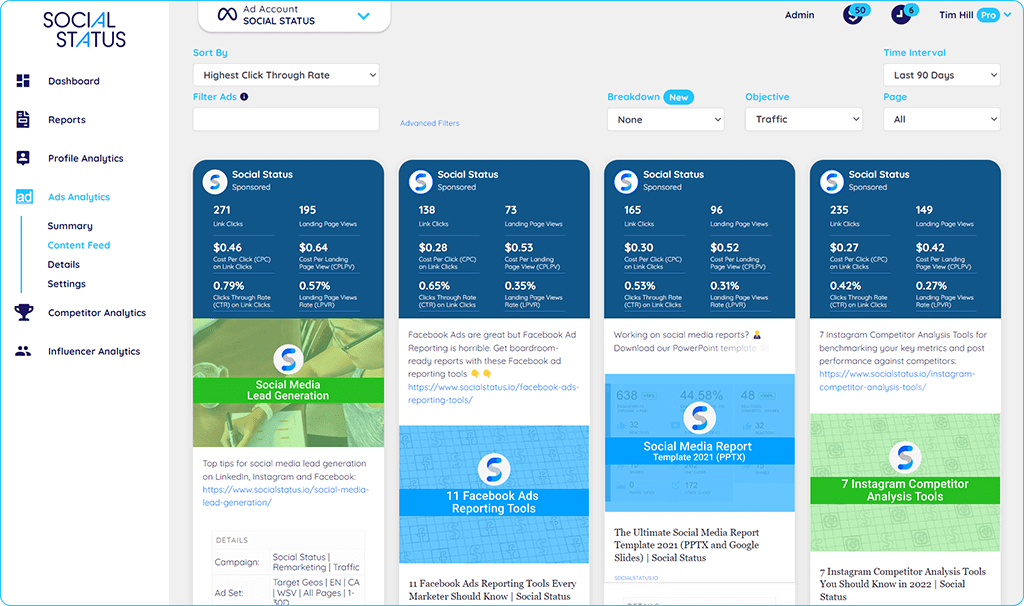
Small businesses utilizing a mix of organic content, paid advertisements, and influencer partnerships often turn to Social Status. The platform excels at "ad-spend" reporting, allowing managers to see the ROI of paid social efforts alongside their organic growth in a unified dashboard.
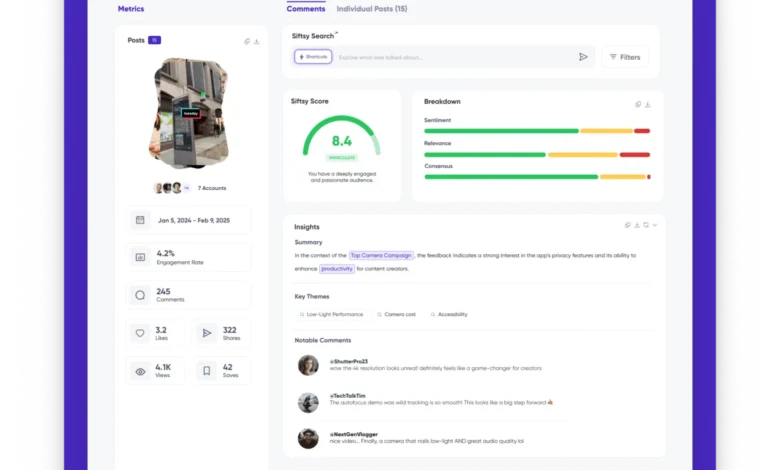
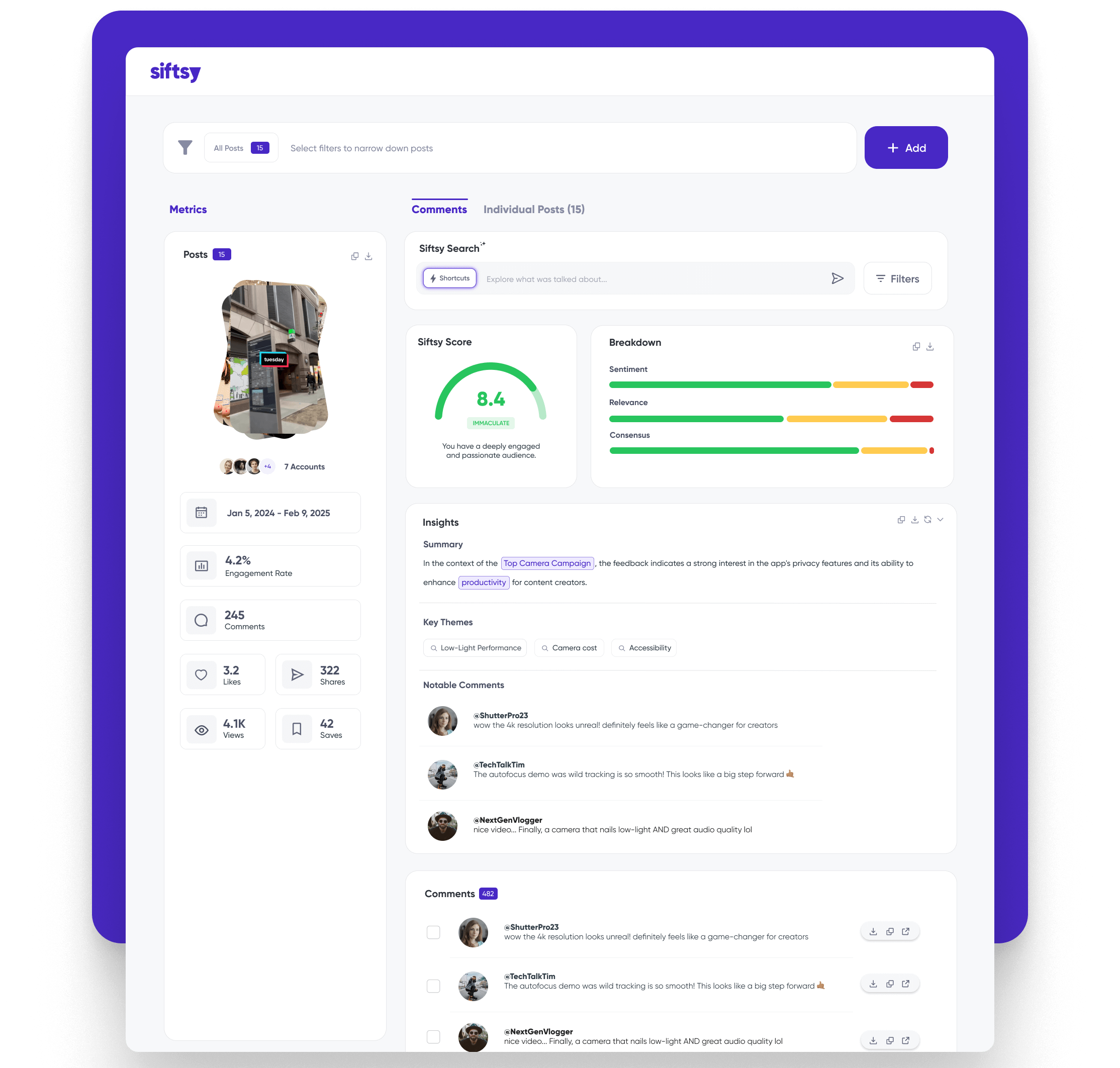
5. Siftsy: Qualitative Sentiment Analysis
While most tools focus on quantitative data, Siftsy utilizes AI to analyze the qualitative nature of comments. By tagging campaigns and uploading post URLs, brands can determine the "why" behind their numbers, identifying whether high engagement is driven by positive brand sentiment or customer service issues.
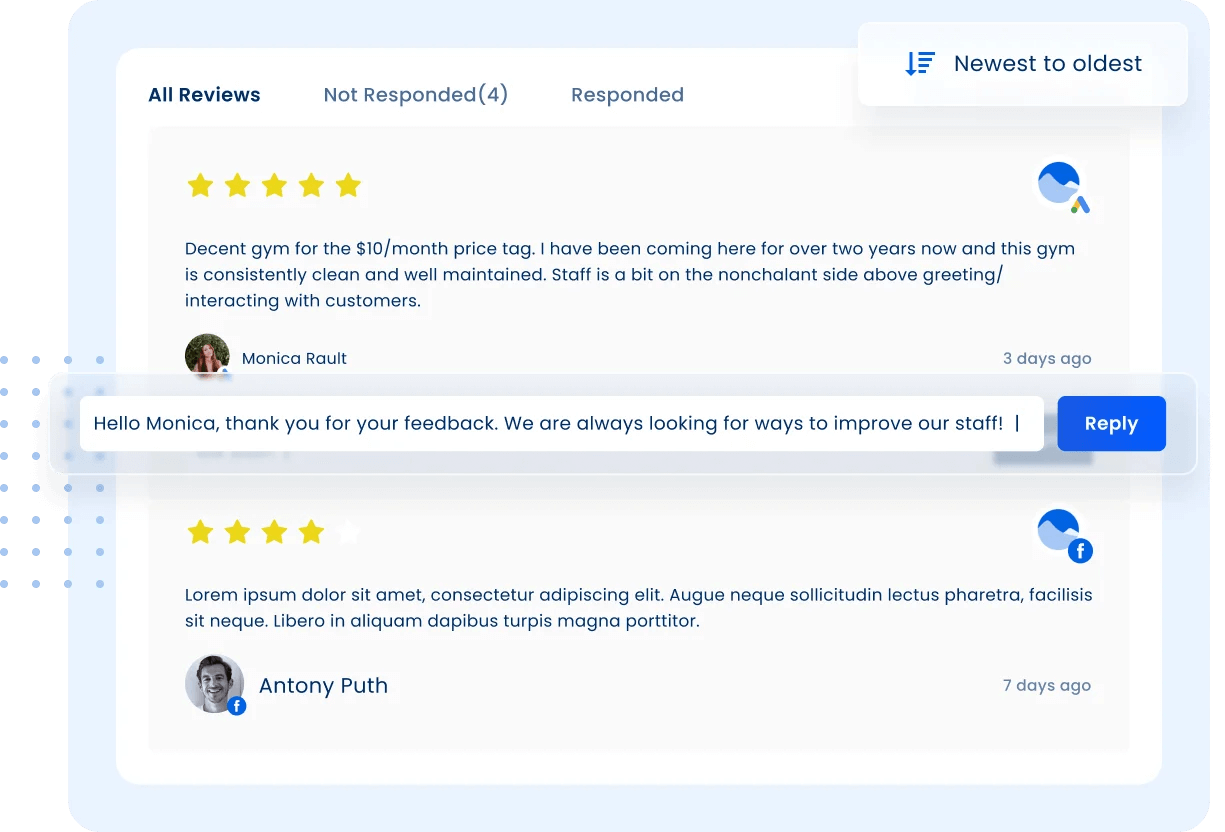
6. Vista Social: Reputation and Review Management
Vista Social expands the definition of social analytics to include review management. By pulling data from OpenTable, Yelp, and TripAdvisor alongside traditional social networks, it serves as a comprehensive tool for hospitality and retail brands that rely heavily on public feedback.
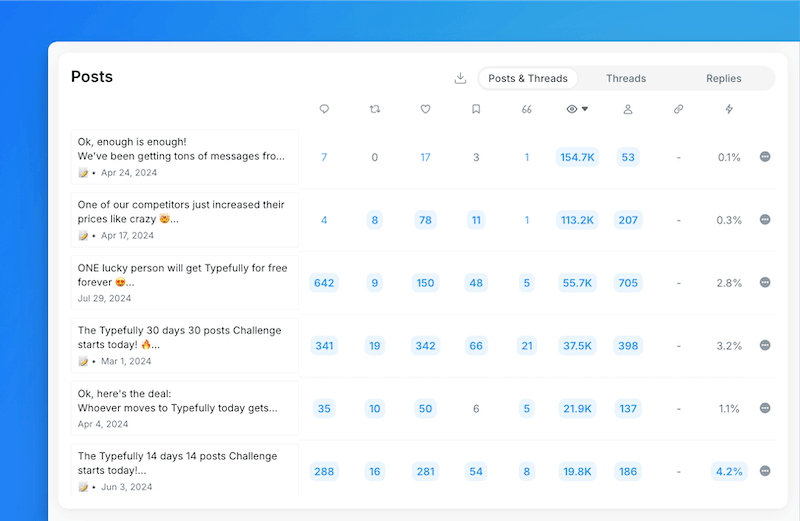
7. Typefully: Specialized Intelligence for X and Threads
As X (formerly Twitter) evolved, Typefully emerged as a specialized tool for thread-building and profile conversion analysis. Its "profile conversion rate" metric is a unique data point that measures the efficiency of a user’s bio and recent content in turning visitors into followers.
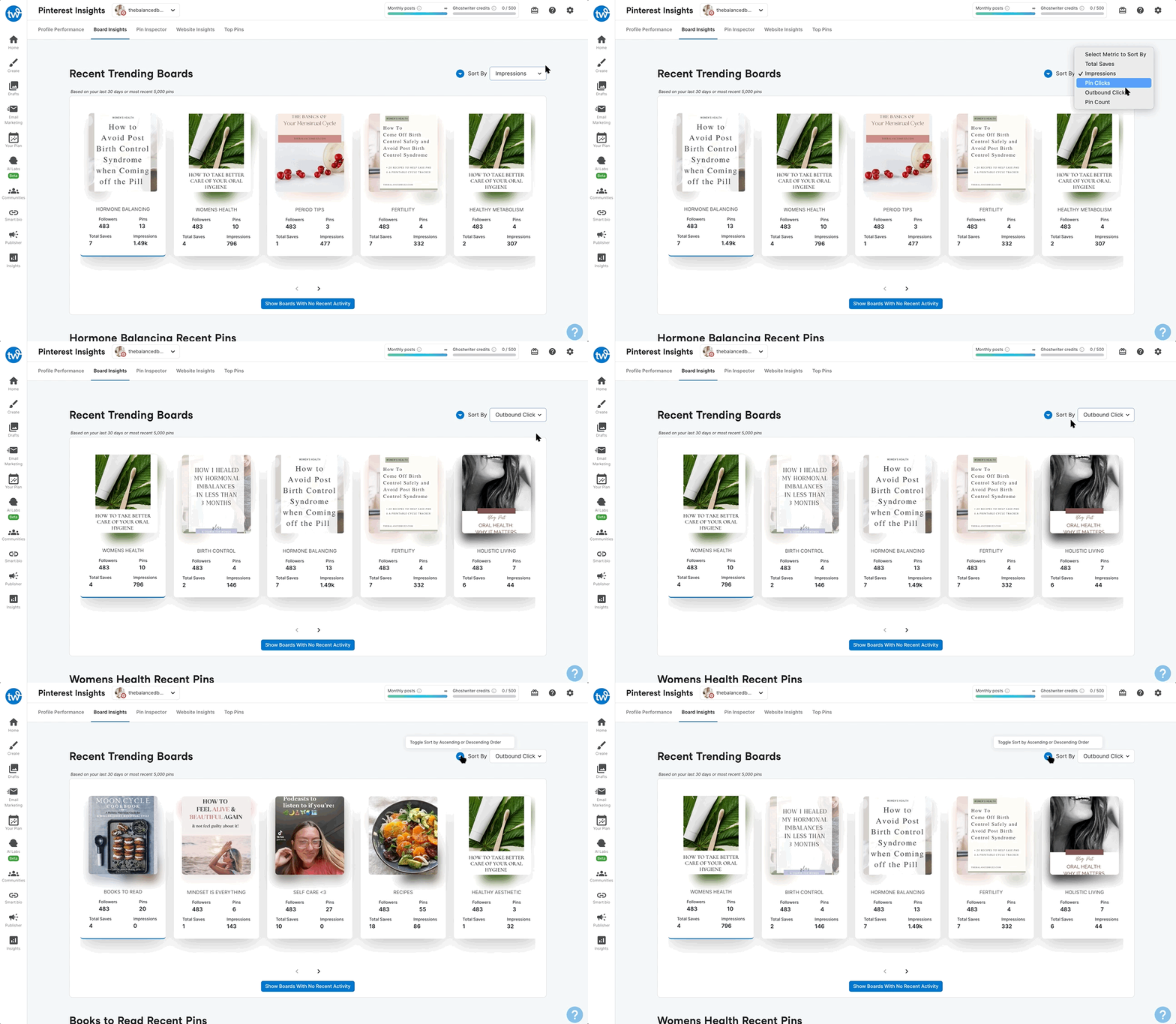
8. Tailwind: Visual Discovery and Pinterest Analytics
For businesses where Pinterest is a primary traffic driver, Tailwind remains the standard. Its integration with Google Analytics allows users to see exactly which "pins" are resulting in website visits, effectively closing the loop between social engagement and web traffic.
9. DashThis: The Holistic Marketing Dashboard
DashThis is positioned not just as a social tool, but as a total marketing dashboard. With over 30 integrations (including HubSpot and Ahrefs), it allows CMOs to see social media metrics in the context of SEO, PPC, and email marketing performance.
10. Socialinsider: AI-Driven Content Pillar Analysis
Socialinsider utilizes advanced AI to group content into "pillars," allowing brands to see which thematic areas of their strategy are resonating. This tool is frequently used for high-level strategic audits and competitive content gap analysis.
11. Talkwalker: Deep Audience Insights and Demographic Slicing
Acquired by Hootsuite in 2024, Talkwalker is the premier choice for global brands needing to understand audience demographics. Its AI assistant, "Yeti," allows users to query complex datasets using natural language to uncover specific audience behaviors across different geographic regions.
Analytical Framework: The Four Tiers of Data
To maximize the utility of these tools, organizations are advised to categorize their metrics into four distinct types:
- Descriptive Analytics: What happened? (e.g., 10,000 impressions).
- Diagnostic Analytics: Why did it happen? (e.g., High engagement due to a specific video format).
- Predictive Analytics: What will happen? (e.g., Forecasting growth based on current trends).
- Prescriptive Analytics: What should be done? (e.g., AI recommendations to post more educational content on Tuesdays).
Official Responses and Industry Implications
Digital marketing analysts suggest that the "democratization of data" provided by these tools is narrowing the gap between small creators and large corporations. "The ability to see why a post flopped is more valuable than the data from a post that went viral," notes one industry consultant. "The former allows for strategy correction, while the latter is often just a stroke of luck."
Furthermore, as privacy regulations like GDPR and CCPA continue to evolve, third-party analytics tools are becoming essential for "clean" data collection. By relying on official APIs rather than scraping, these tools ensure that brands remain compliant while still gathering the necessary intelligence to compete.
Strategic Implementation and Future Outlook
The transition to a data-driven social strategy requires a consistent cadence. Experts recommend a "Weekly-Monthly-Campaign" cycle: weekly reviews to spot immediate patterns, monthly deep-dives to refine overall strategy, and daily monitoring during active campaigns.
Looking toward the late 2020s, the integration of generative AI within these analytics tools is expected to automate the reporting process entirely. The future of social media analytics lies in "self-healing" strategies, where software not only identifies a drop in engagement but automatically adjusts the posting schedule and suggests content tweaks to compensate.
In conclusion, the selection of a social media analytics tool is a foundational business decision. Whether an organization requires the simplicity of Buffer, the competitive depth of Rival IQ, or the holistic dashboarding of DashThis, the goal remains the same: transforming raw social noise into a structured, profitable business strategy. For the modern enterprise, data is the only insurance policy against the volatility of the social media algorithm.