The optimal length for Instagram Reels in 2026: a data-driven analysis of 2.7 million posts

Determining the ideal duration for Instagram Reels is a central concern for digital creators and brands aiming to maximize visibility within the platform’s competitive landscape. While Instagram technically permits video uploads of up to 20 minutes, the platform’s underlying discovery mechanics—specifically its recommendation algorithm—impose significant constraints on how long content should be to achieve broad reach. Recent comprehensive data analysis of 2.7 million Instagram Reels published between January 1 and August 15, 2026, provides clear evidence that there is a stark divide between the requirements for reaching new audiences and the requirements for deepening engagement with existing followers.
The evolution of Instagram Reels from a short-form video experiment to a primary content pillar has been marked by a consistent increase in allowed duration. Originally launched as a competitor to TikTok, Reels were initially capped at 15 seconds. Over the subsequent years, Instagram steadily expanded these limits to 30, 60, and 90 seconds, eventually reaching the current 20-minute threshold. This expansion reflects Meta’s broader pivot toward video-first content, yet the platform’s core identity remains distinct from long-form video platforms like YouTube.
The three-minute threshold for algorithmic discovery
The most critical finding for creators is the "three-minute rule." While users are permitted to upload videos as long as 20 minutes, Instagram restricts the algorithmic distribution of any content exceeding 180 seconds. According to the platform’s internal indicators, reels that surpass this three-minute mark are generally excluded from recommendation streams, such as the Reels tab, the Explore page, and the non-follower recommendation feeds.
This creates a functional ceiling for growth. Creators who prioritize discoverability and brand awareness must operate within this 180-second window. Data indicates that when content crosses the three-minute threshold, it experiences a sharp decline in reach, with the analyzed sample showing a 49.3 percent decrease in unique account reach compared to an account’s baseline performance. This decline is not necessarily a failure of content quality, but a direct consequence of the platform’s decision to prioritize shorter, high-velocity content for its discovery algorithms.
Comparative performance metrics: Reach versus engagement
The quantitative analysis of 2.7 million reels reveals a nuanced trade-off between reach and depth of engagement. When evaluating content performance, researchers compared each account’s output against its own historical baseline to avoid the skewing effects of massive influencer accounts.
Reels falling into the 90-second to 180-second bracket proved to be the most efficient for audience expansion, consistently yielding a 4 to 7 percent increase in unique reach. This range appears to be the "sweet spot" for creators who need sufficient time to build a narrative or demonstrate a product without triggering the platform’s long-form penalty.
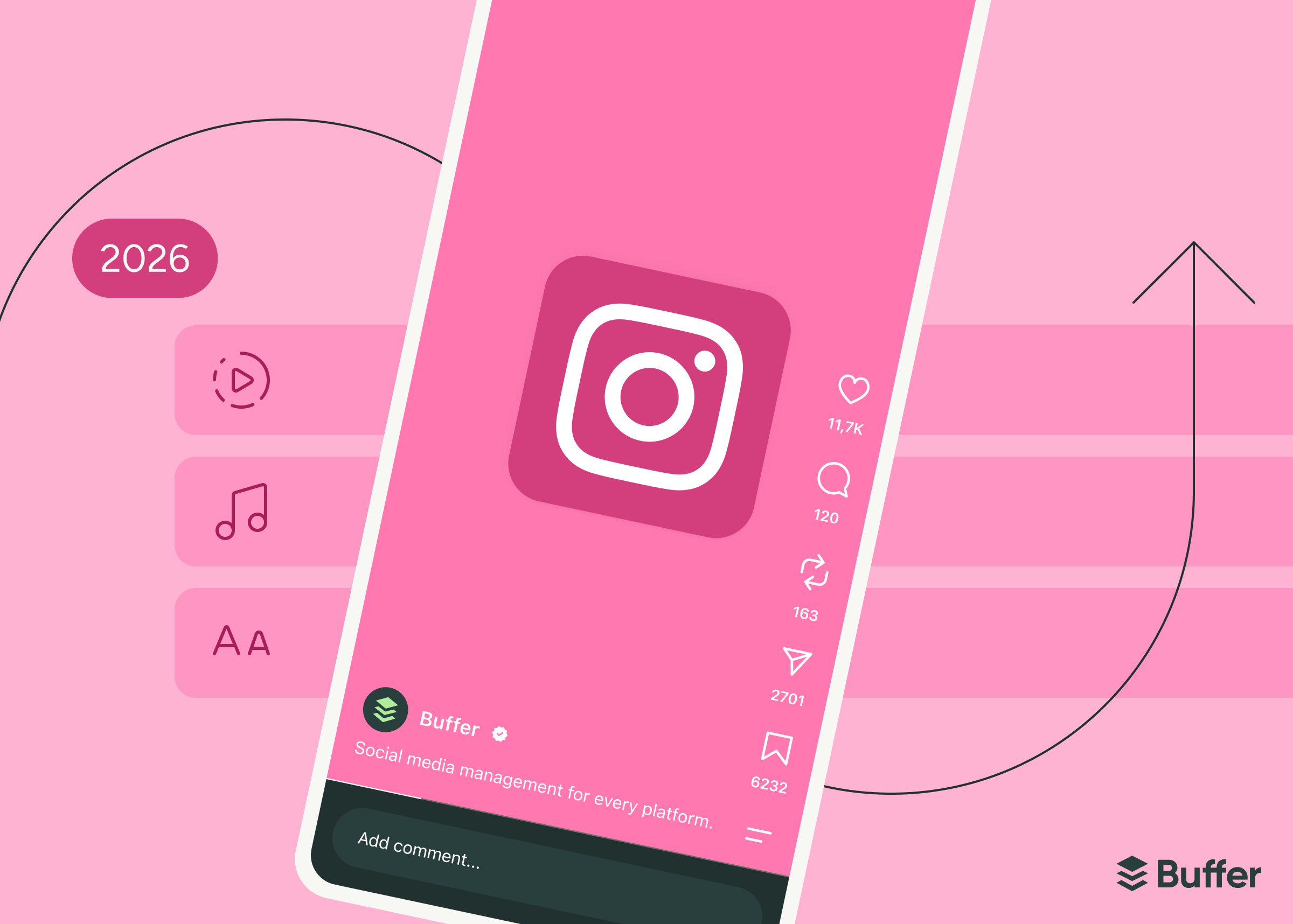
Conversely, content that exceeds three minutes tells a different story regarding engagement. While these longer videos suffer in terms of raw reach, they exhibit significantly higher engagement rates—outperforming the average baseline by 2.65 percentage points. This suggests that while long-form content is not a viable strategy for viral growth, it serves as a powerful tool for community management. Viewers who choose to consume content longer than three minutes are highly intentional, demonstrating a level of commitment that translates into higher rates of commenting, saving, and sharing. This phenomenon mirrors findings in other formats, such as Instagram carousels, where the depth of content often correlates with a smaller but more invested audience.
Statistical breakdown of performance by length
To understand how duration impacts distribution, it is helpful to look at the relative performance buckets identified in the 2026 dataset:
- 180+ seconds: -49.3% reach, +2.65% engagement.
- 90–179 seconds: +7.4% reach.
- 30–59 seconds: +2.7% reach.
- 60–89 seconds: +1.6% reach.
- 15–29 seconds: -0.9% reach.
- Under 15 seconds: -1.5% reach.
The data suggests that for shorter videos, duration is a negligible variable. The difference in performance between a 15-second clip and a 60-second clip is marginal, falling within a three percent margin of error. For creators, this indicates that the specific length of a sub-90-second video is far less important than the quality of the hook, the clarity of the message, and the visual execution. Agonizing over whether to trim a 45-second video to 30 seconds is unlikely to yield a significant algorithmic return.
Strategic implications for content creators
The current landscape of Instagram content strategy necessitates a dual-track approach. Creators must choose between "growth content" and "retention content."
For those seeking to scale their follower count and reach new demographics, the strategy is clear: keep videos between 90 seconds and three minutes. This window provides enough time to deliver value while remaining fully eligible for the platform’s high-traffic recommendation engines. This length is particularly effective for educational content, product demonstrations, and serialized storytelling.

For creators whose primary goal is to nurture an existing audience, the "long-form" approach is superior. By leaning into videos that exceed the three-minute mark, brands and creators can provide deeper context, long-form tutorials, or in-depth interviews. While the reach will naturally be lower due to algorithmic constraints, the qualitative data suggests that these viewers provide the high-intent interactions necessary to build long-term brand loyalty.
Contextualizing the platform environment
Instagram’s reluctance to prioritize long-form video is a strategic decision led by management to maintain the platform’s unique value proposition. Head of Instagram Adam Mosseri has publicly emphasized that the platform is not attempting to replicate the YouTube experience. Instead, Instagram seeks to balance the "snackable" nature of social media consumption with the community-building aspects of a creator-focused app.
This strategic positioning is further highlighted by a comparison with industry peers. TikTok, while allowing for 60-minute uploads in some regions, remains heavily optimized for short-form, high-frequency consumption. YouTube Shorts, by contrast, maintains a strict three-minute cap, after which a video is automatically categorized as standard YouTube content. Instagram’s 20-minute limit represents a middle ground, allowing for longer content without fully committing to the long-form video architecture of a dedicated video-hosting site.
Practical application and testing
For organizations and creators looking to optimize their workflow, the data suggests a move toward "trial reels." By publishing two versions of a similar topic with varying lengths, creators can establish their own internal benchmarks. Given that reach can be volatile, testing variables such as hooks, music, and pacing while holding length constant allows for a more controlled analysis of what resonates with a specific audience.
Ultimately, the data from 2026 reinforces that there is no "magic number" for reel length that guarantees success. Instead, the optimal length is a function of the creator’s current goals. If the objective is to cast a wide net, staying under the three-minute mark is non-negotiable. If the objective is to engage a dedicated core, the platform’s capacity for 20-minute videos offers a unique, albeit lower-reach, opportunity for deeper connection. As the platform continues to iterate on its recommendation engine, the ability to pivot between these two strategies will remain a vital skill for digital content professionals.