Meta Strategic Evolution and Platform Modernization A Comprehensive Analysis of Advertising Automation and Creator Ecosystem Enhancements 2020-2023

Meta Platforms Inc. has undergone a period of profound structural and functional transformation between late 2020 and the beginning of 2023, signaling a decisive shift toward artificial intelligence, automated advertising, and the prioritization of short-form video content. Following its high-profile corporate rebranding from Facebook Inc. to Meta in October 2021, the organization has navigated a complex landscape defined by shifting privacy regulations, intensified competition from platforms such as TikTok, and a global macroeconomic recalibration. By synthesizing multi-year updates, it becomes evident that Meta’s strategy is centered on three core pillars: maximizing advertiser return on investment (ROI) through machine learning, empowering the creator economy with native professional tools, and establishing a rigorous framework for brand safety and intellectual property protection.
The Automation Pivot: Meta Advantage and the Machine Learning Era
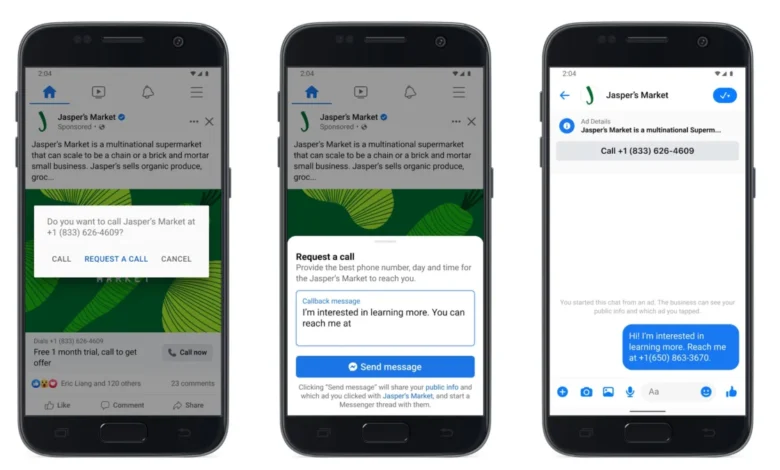
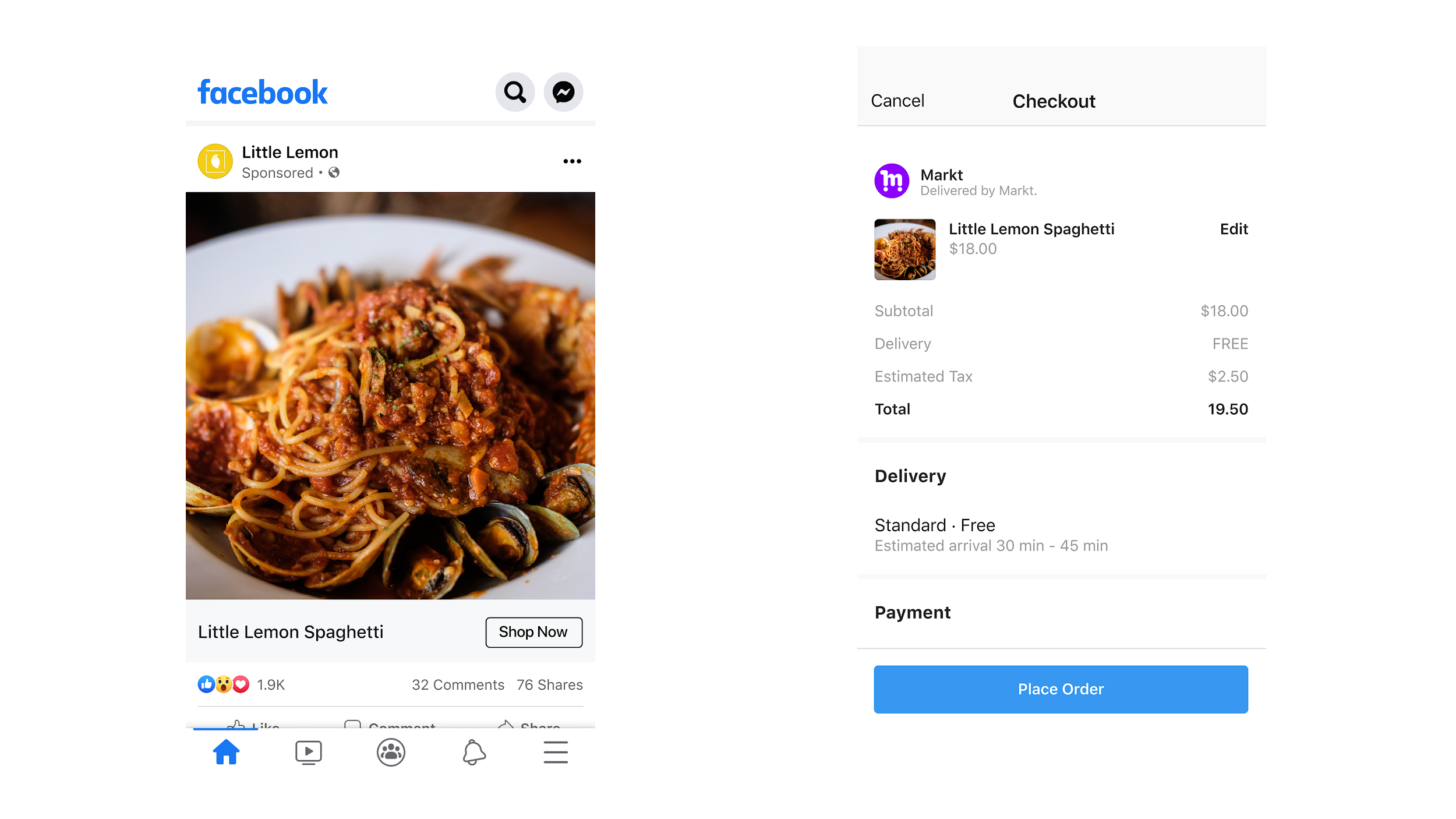
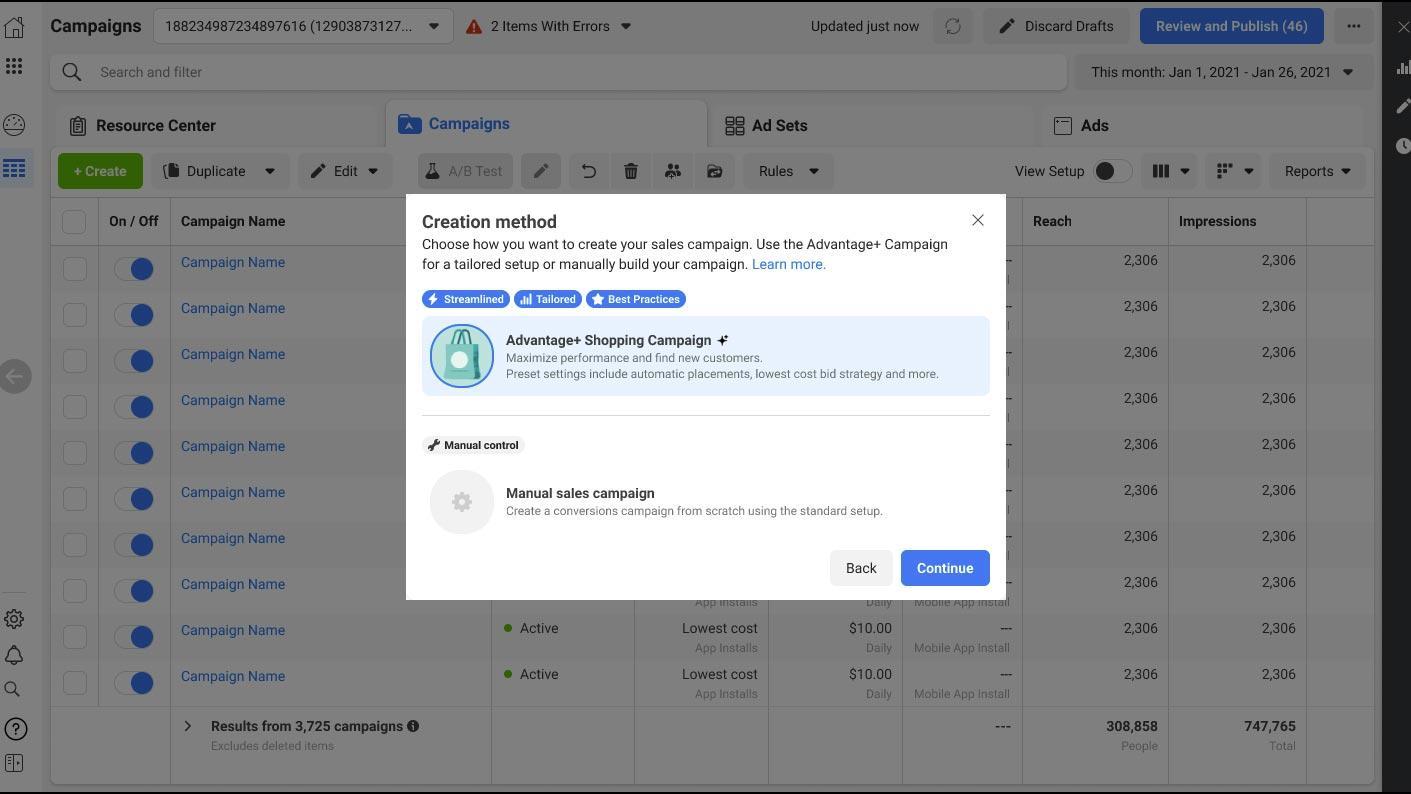
The most significant shift in the Meta advertising ecosystem has been the transition from manual granular targeting to the Advantage+ suite. This evolution was largely accelerated by the implementation of Apple’s App Tracking Transparency (ATT) framework in iOS 14.5, which significantly limited the data signals available to third-party apps. In response, Meta introduced Advantage+ campaigns, a generation of automation-heavy tools designed to leverage internal machine learning to optimize ad delivery.
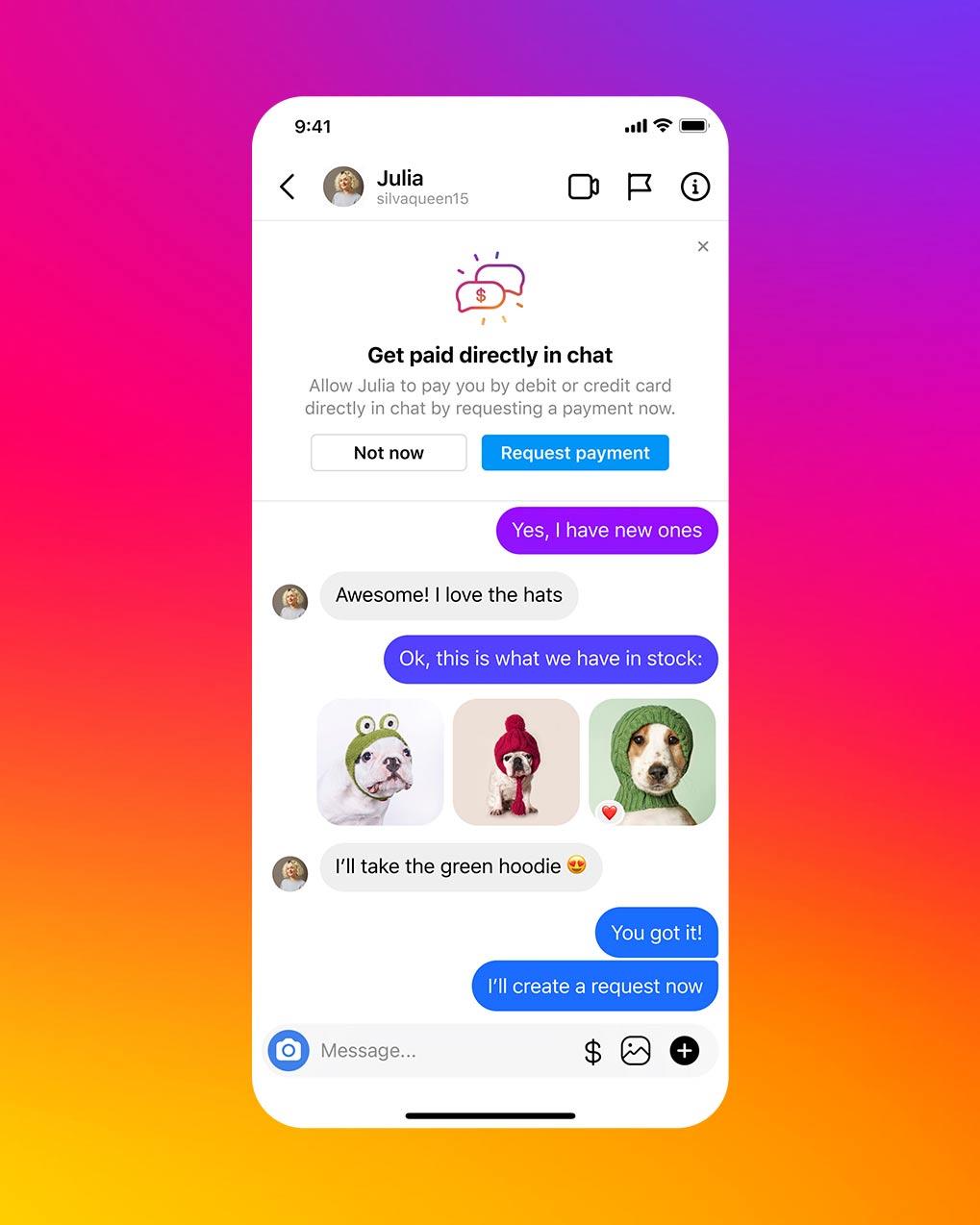
Supporting data indicates that these automated systems have substantially improved performance for small and medium-sized businesses. According to internal Meta reports from late 2022, Advantage+ shopping campaigns achieved a 12% lower cost-per-purchase conversion compared to traditional manual ads. This system automates the creative testing process, allowing advertisers to upload up to 150 creative variations simultaneously. The AI then determines the most effective combinations for specific audience segments, effectively mitigating the "signal loss" experienced after the iOS privacy updates.
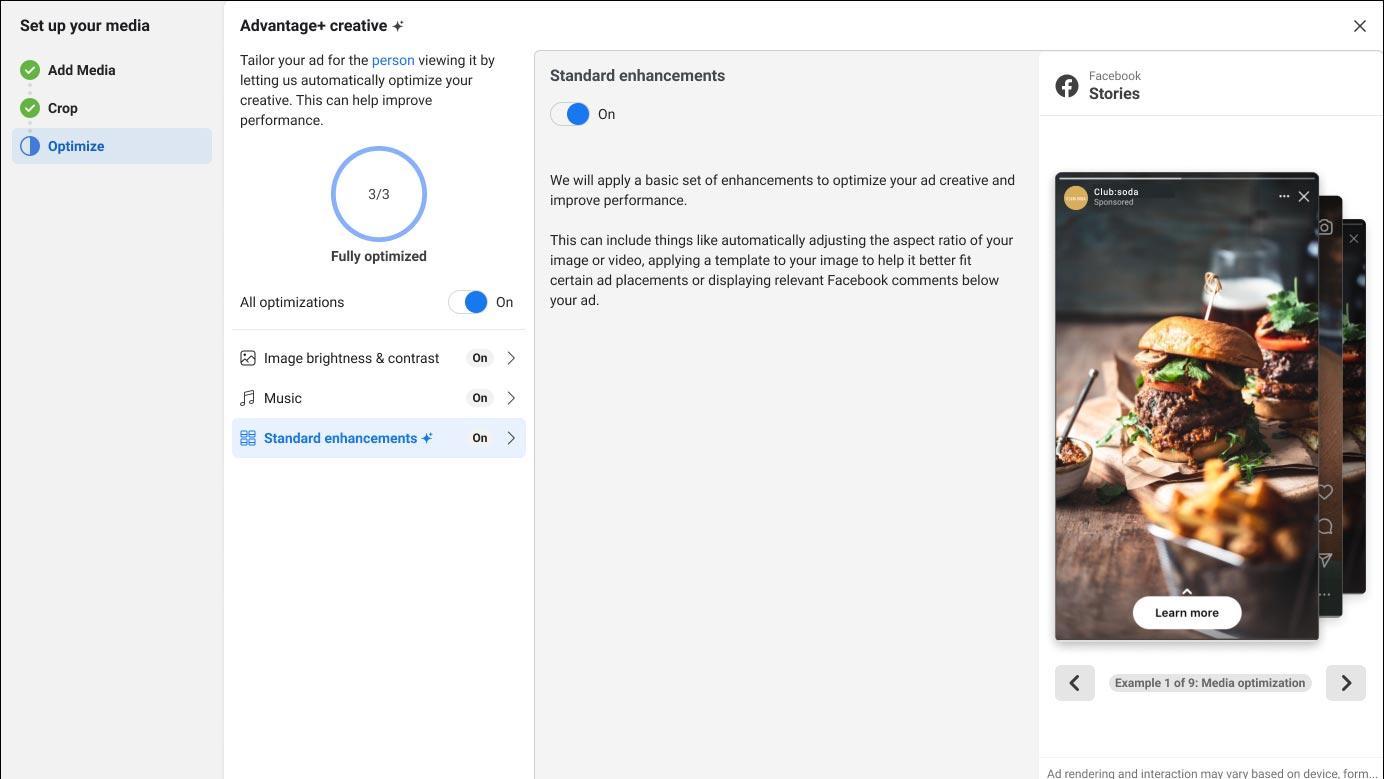
Furthermore, Meta’s release of advertising "essentials" in December 2022 emphasized a "broad targeting" philosophy. By moving away from hyper-niche interest targeting and allowing the algorithm to find audiences based on creative resonance, the company has fundamentally changed the workflow for digital marketers. This shift represents an acknowledgment that Meta’s predictive modeling is now more efficient than manual human optimization in a privacy-first environment.
The Rise of Reels and the Short-Form Video Mandate
Throughout 2021 and 2022, Meta executed an aggressive pivot toward Reels, its short-form video format, across both Instagram and Facebook. This move was necessitated by the shifting consumption habits of younger demographics. By mid-2022, Reels had become the fastest-growing content format across Meta’s ecosystem.
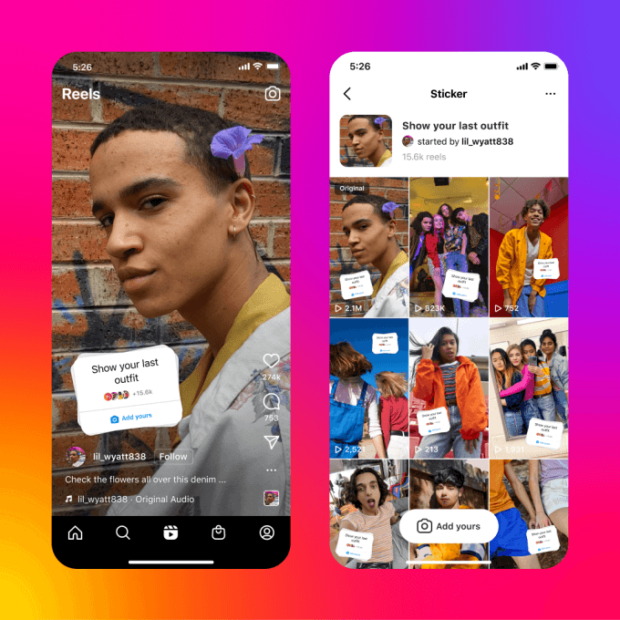
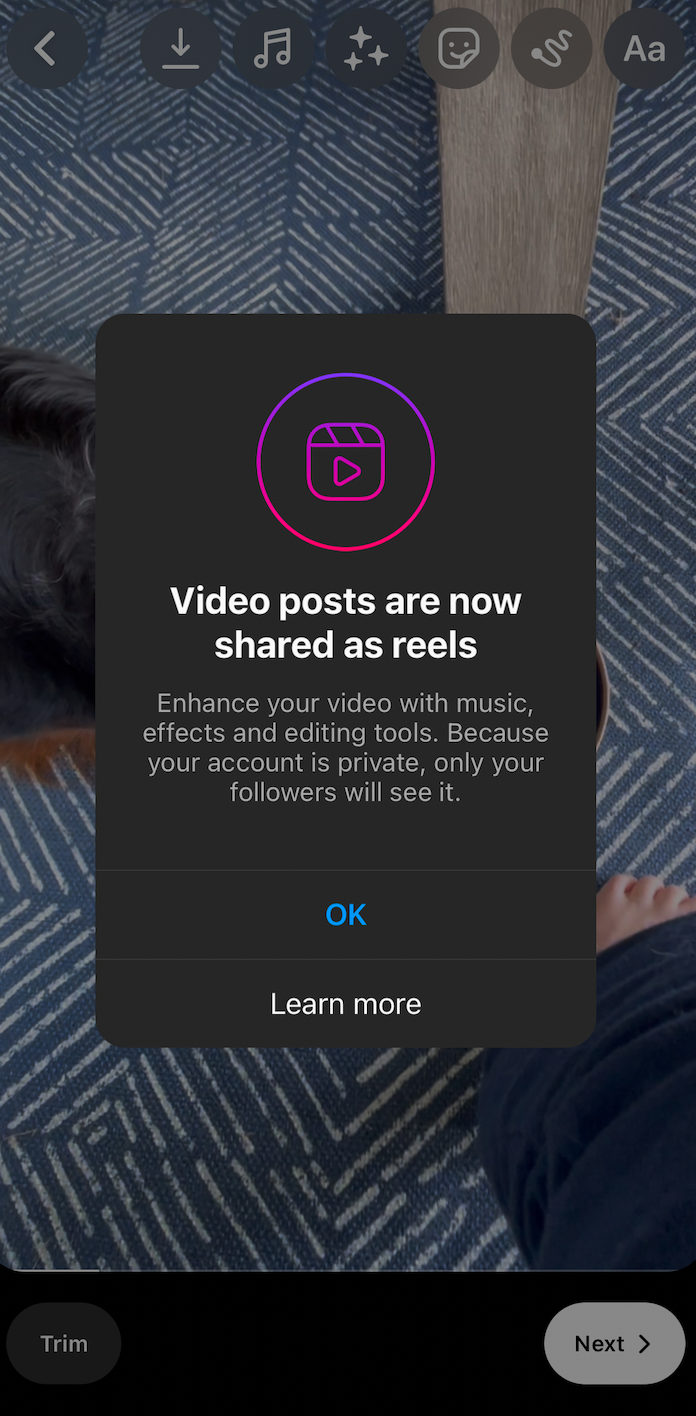
To support this mandate, Meta introduced several technical updates designed to lower the barrier to entry for video creation. In July 2022, Instagram announced that all new video posts under 15 minutes would automatically be shared as Reels, effectively merging the video and Reels tabs. This consolidation was supported by the introduction of the "Add Yours" sticker and cross-posting capabilities, allowing creators to synchronize their presence across Facebook and Instagram seamlessly.
The integration of music into static feed posts in late 2022 further demonstrated Meta’s desire to "audio-fy" the entire user experience. By allowing users to add up to 90 seconds of music to traditional photo posts, the platform aimed to increase dwell time and engagement on otherwise static content. This reflects a broader industry trend where audio discovery has become a primary driver of viral reach.

Brand Safety and the MRC Accreditation Milestone
As the volume of user-generated content increased, Meta faced mounting pressure from global brands regarding the environment in which their advertisements were displayed. A major milestone in this area was achieved in late 2022 when Meta received accreditation from the Media Rating Council (MRC) for content-level brand safety on Facebook.
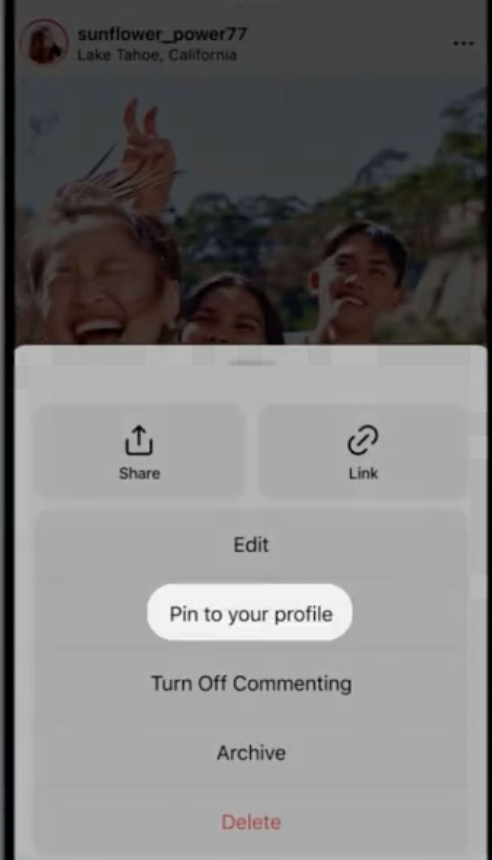
The MRC accreditation followed an exhaustive audit of Meta’s internal policies, including its Partner Monetization Policies and Content Monetization Policies. This independent verification confirmed that Meta’s controls for Instant Articles and In-Stream video across mobile and desktop met the high standards required by institutional advertisers. To further enhance this, Meta began testing content-based inventory filters for the Instagram and Facebook feeds, allowing brands to opt out of appearing adjacent to sensitive or controversial topics.

This focus on brand suitability is a direct response to the "Stop Hate for Profit" boycott of 2020, during which several major corporations paused spending on the platform. The current framework represents a more mature, technologically driven approach to moderating the billions of pieces of content uploaded daily, utilizing AI to flag "coordinated inauthentic behavior" and misinformation before they reach scale.
Intellectual Property and the Rights Protection Framework
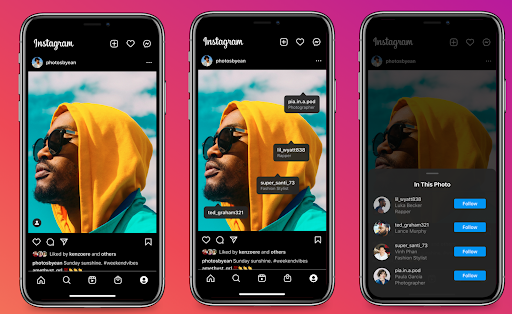
In October 2022, Meta announced the launch of a new Intellectual Property (IP) Reporting API. This tool was designed to provide rights holders—including major brands and independent creators—with a streamlined method for identifying and reporting content that violates their copyright or trademark rights.
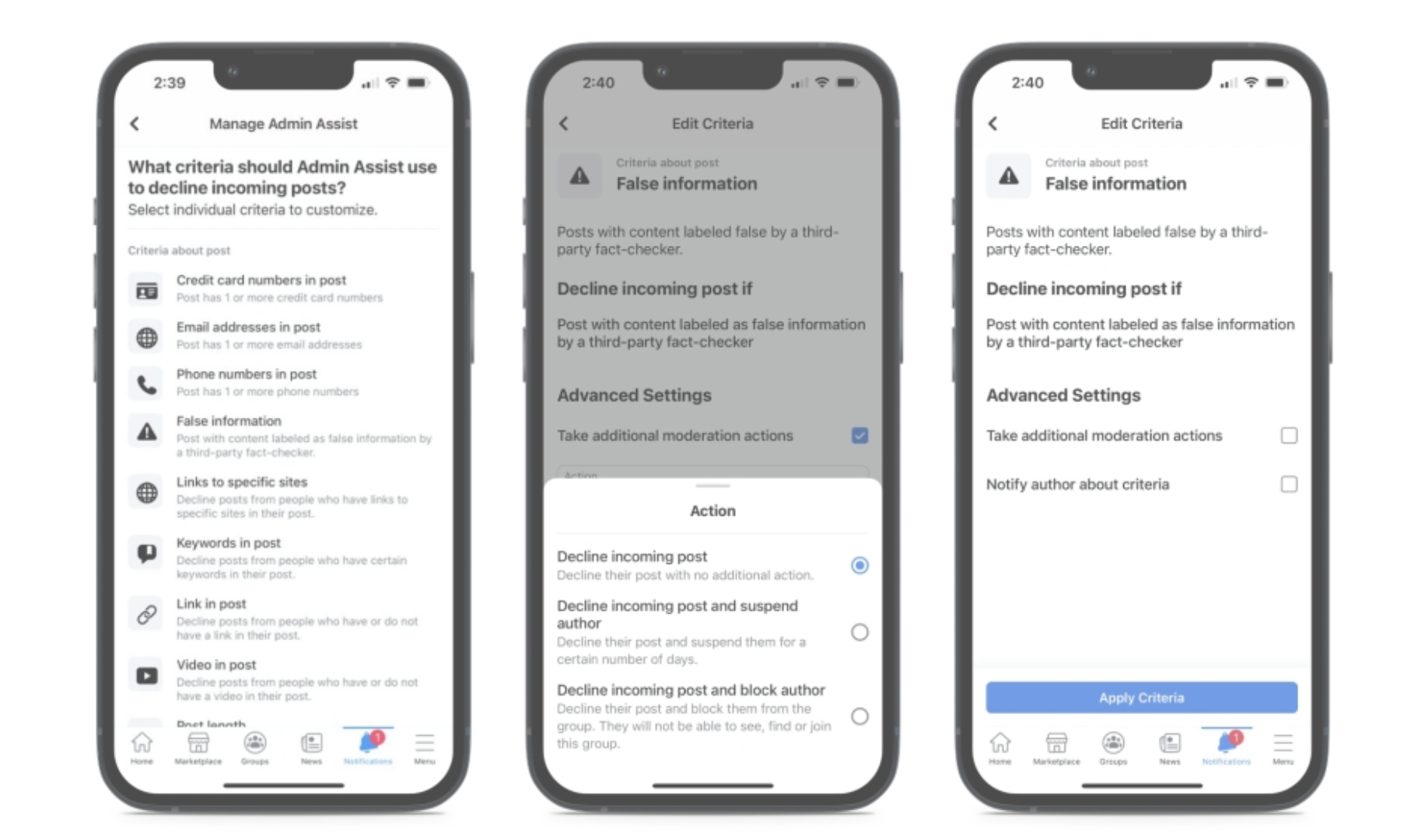
The new API integrates with the existing Graph API, allowing for the bulk reporting of counterfeit products and unauthorized content use. This is part of the broader Brand Rights Protection feature accessible through the Meta Business Manager. The expansion of these tools included improved search functionality, allowing brands to find infringing content through image-based searches rather than just text. This is particularly critical in the age of social commerce, where the sale of counterfeit goods can significantly damage brand equity.
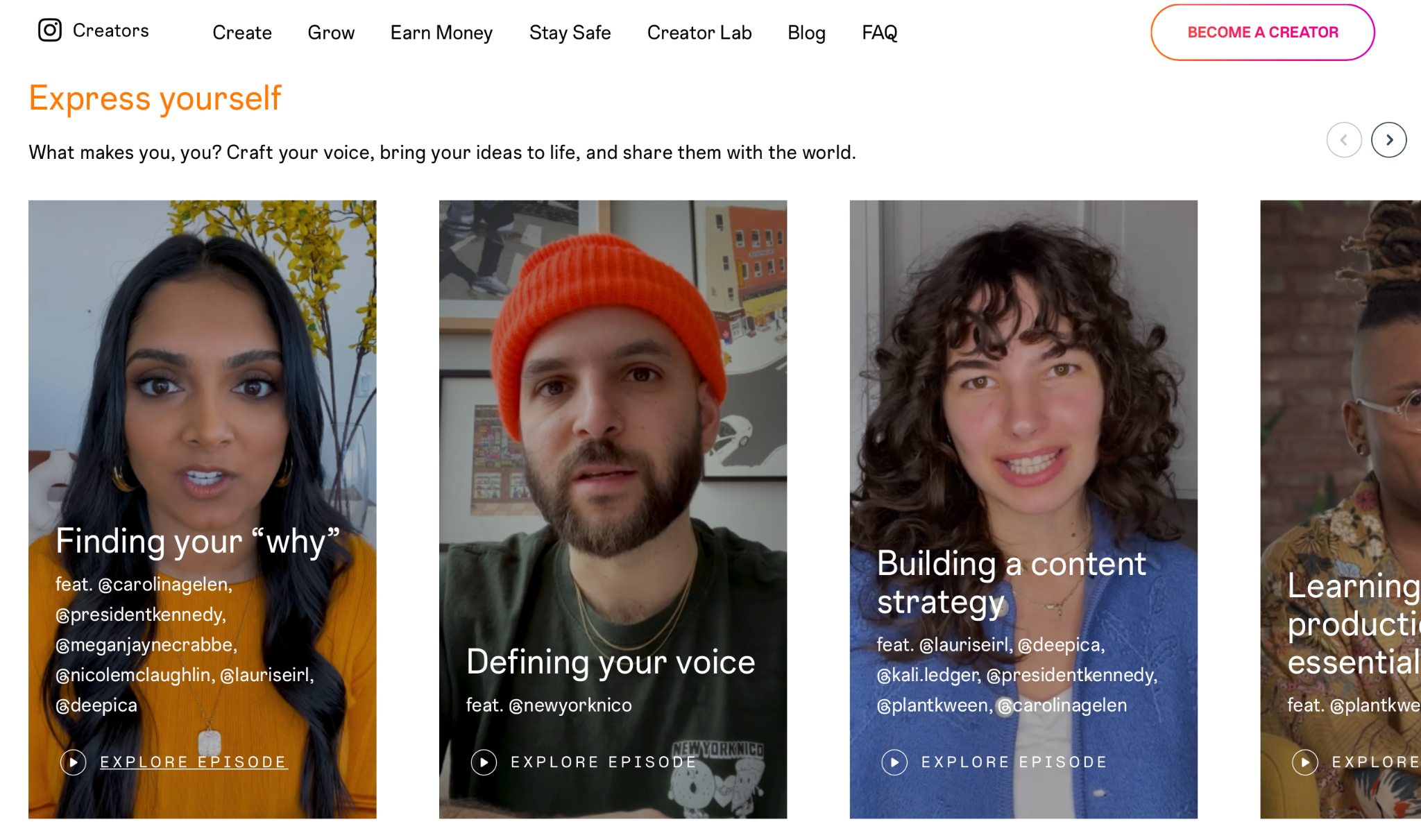
The Creator Economy: Monetization and Native Professional Tools
Recognizing that content creators are the lifeblood of platform engagement, Meta introduced several professional-grade tools between 2020 and 2022. One of the most requested features—native content scheduling—was finally integrated into the Instagram mobile app for Business and Creator accounts in late 2022. This tool allows for the scheduling of Reels, photos, and carousel posts up to 75 days in advance, reducing the reliance on third-party management software for basic tasks.
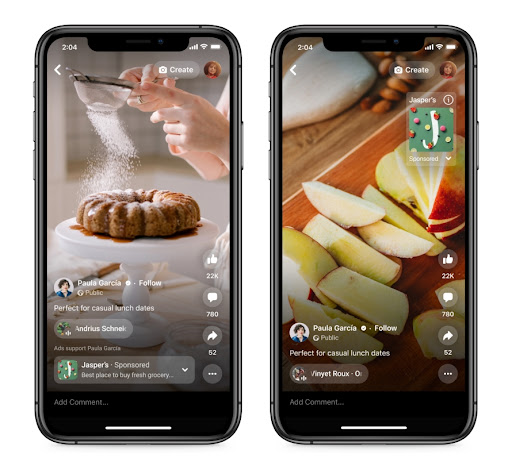
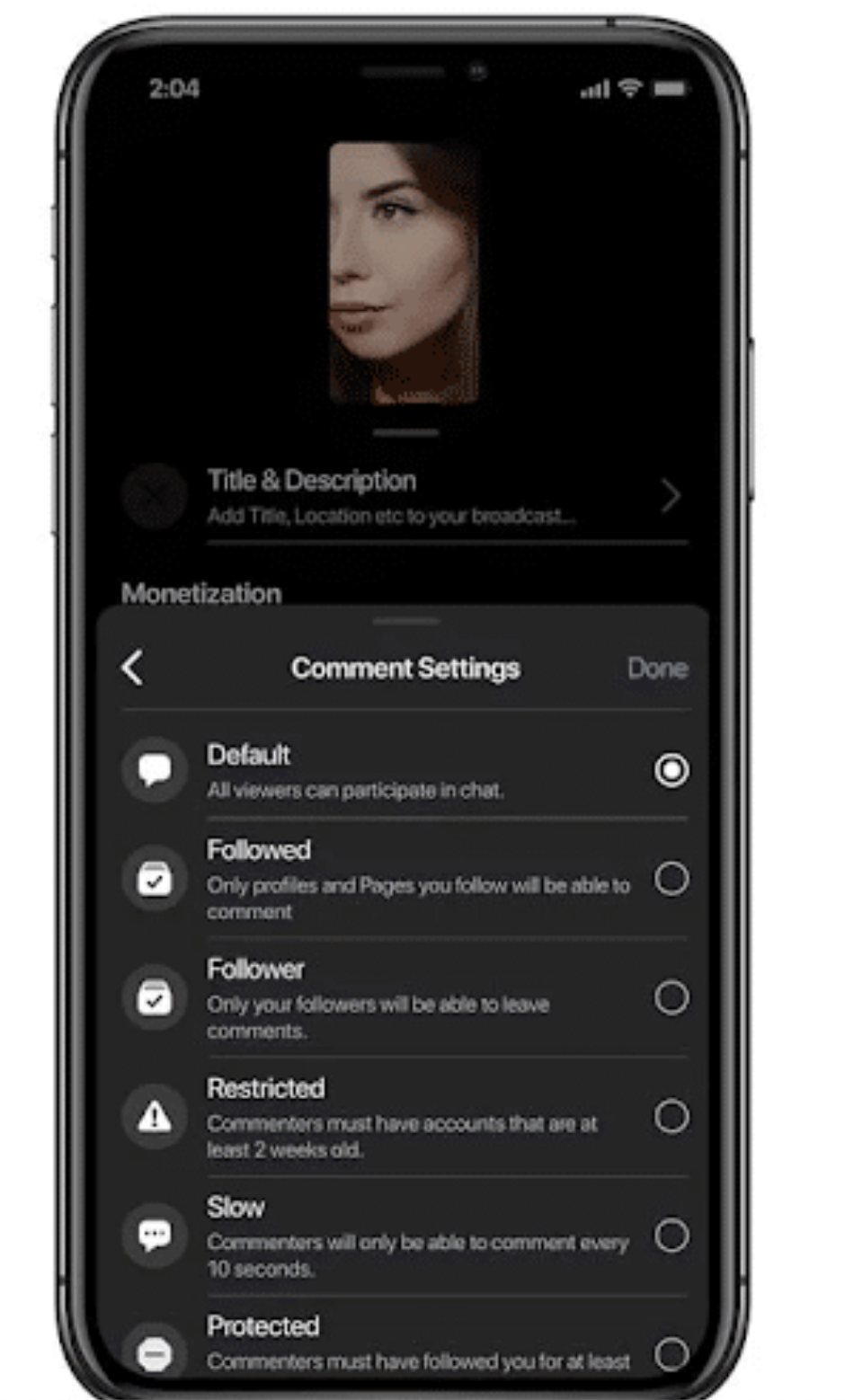
Monetization also saw significant updates. The expansion of the "Instagram Creator Marketplace" allowed brands to discover and collaborate with influencers using granular filters such as audience age, gender, and location. Furthermore, the introduction of "Subscriptions" on both Facebook and Instagram provided creators with a predictable, recurring monthly income. Under this model, fans pay a monthly fee to access exclusive content, badges, and private broadcasts.
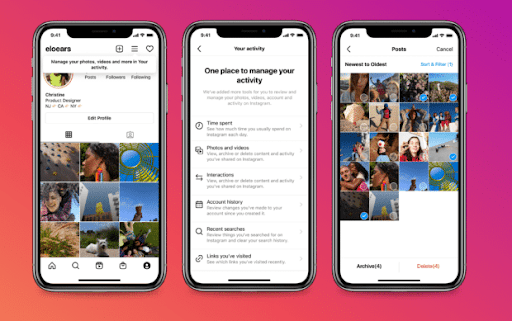
To incentivize high-quality content production, Meta committed $1 billion in creator bonuses through 2022. These programs rewarded creators for hitting specific engagement milestones on Reels and for utilizing the platform’s live-streaming tools. This financial commitment was a strategic move to prevent "creator churn" to rival platforms.
The Metaverse and the Long-Term Horizon
While much of Meta’s operational focus remained on improving the efficiency of its current apps, the company continued its massive investment in the Metaverse. CEO Mark Zuckerberg has overseen more than $36 billion in spending through the Reality Labs division since the corporate rebrand.
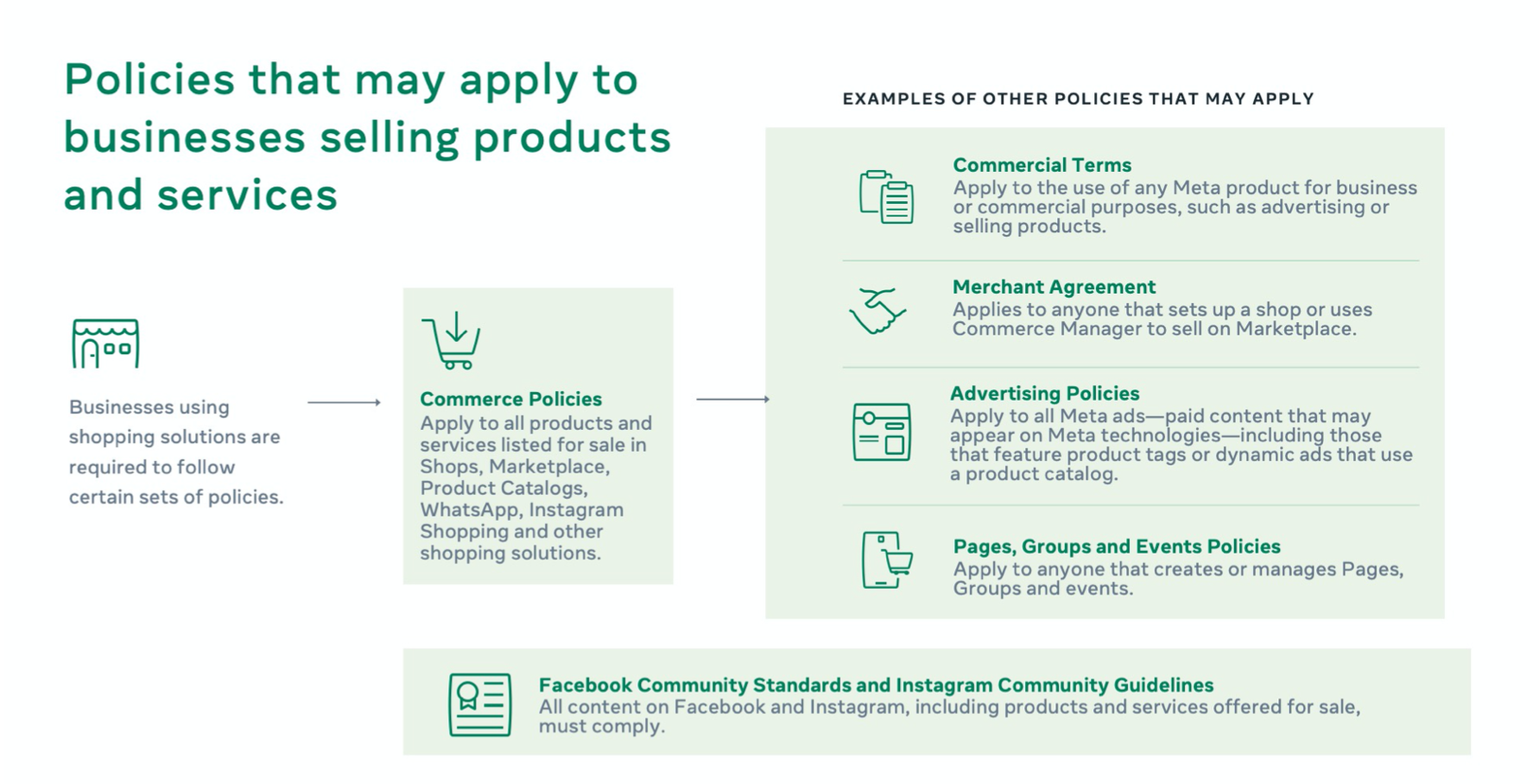
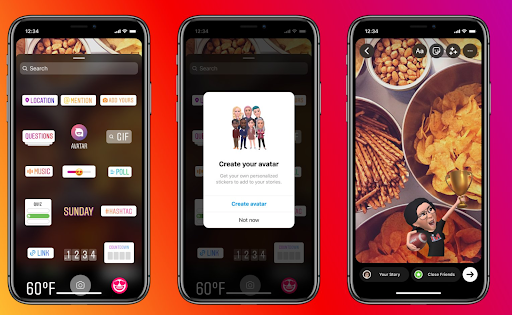
In April 2022, Meta introduced new monetization options in Horizon Worlds, its flagship virtual reality experience. This allowed a select group of creators to sell virtual items and effects within their digital worlds. While the commercial success of the Metaverse remains a long-term prospect, the 2022 updates—including the introduction of 3D avatars on Instagram and Facebook—served as a bridge between the current 2D social experience and the proposed 3D immersive future.
Conclusion and Future Implications
Heading into 2023, Meta’s trajectory is defined by a rigorous focus on "The Year of Efficiency." The company has successfully navigated the post-ATT landscape by replacing lost data signals with powerful AI-driven automation via the Advantage+ suite. The prioritization of Reels has stabilized engagement, while the MRC accreditation and new IP protection tools have rebuilt trust with institutional advertisers.
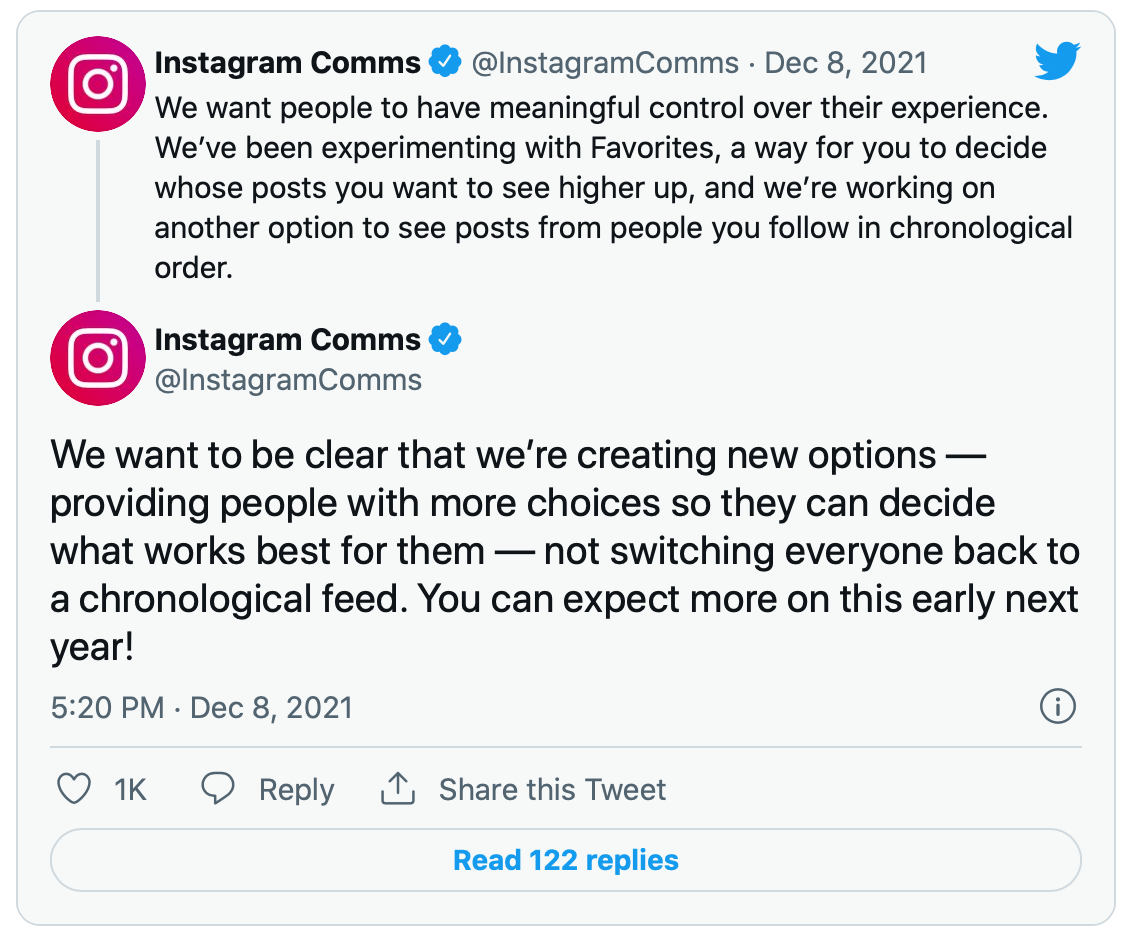
For marketers and creators, the takeaway is clear: success on Meta platforms now requires a deep understanding of short-form video and a willingness to trust automated systems. As the company continues to bridge the gap between social networking and the Metaverse, the integration of commerce, community (via Groups), and AI will remain the defining characteristics of the Meta ecosystem. The evolution from a simple social network to an AI-powered media and commerce powerhouse is nearly complete, setting the stage for the next decade of digital interaction.