Meta Platforms Evolution 2023: A Comprehensive Analysis of Advertising Automation and Social Commerce Integration

Meta Platforms Inc. entered 2023 following a transformative period characterized by an aggressive shift toward artificial intelligence (AI), short-form video dominance, and streamlined advertising automation. As the parent company of Facebook and Instagram, Meta has spent the latter half of 2022 and the beginning of 2023 recalibrating its ecosystem to address the evolving digital landscape, characterized by heightened privacy regulations and intense competition from emerging platforms. This strategic pivot is defined by the integration of the Advantage+ ad suite, the global expansion of Reels, and a renewed focus on brand safety and creator tools.
The Strategic Shift Toward AI-Driven Automation
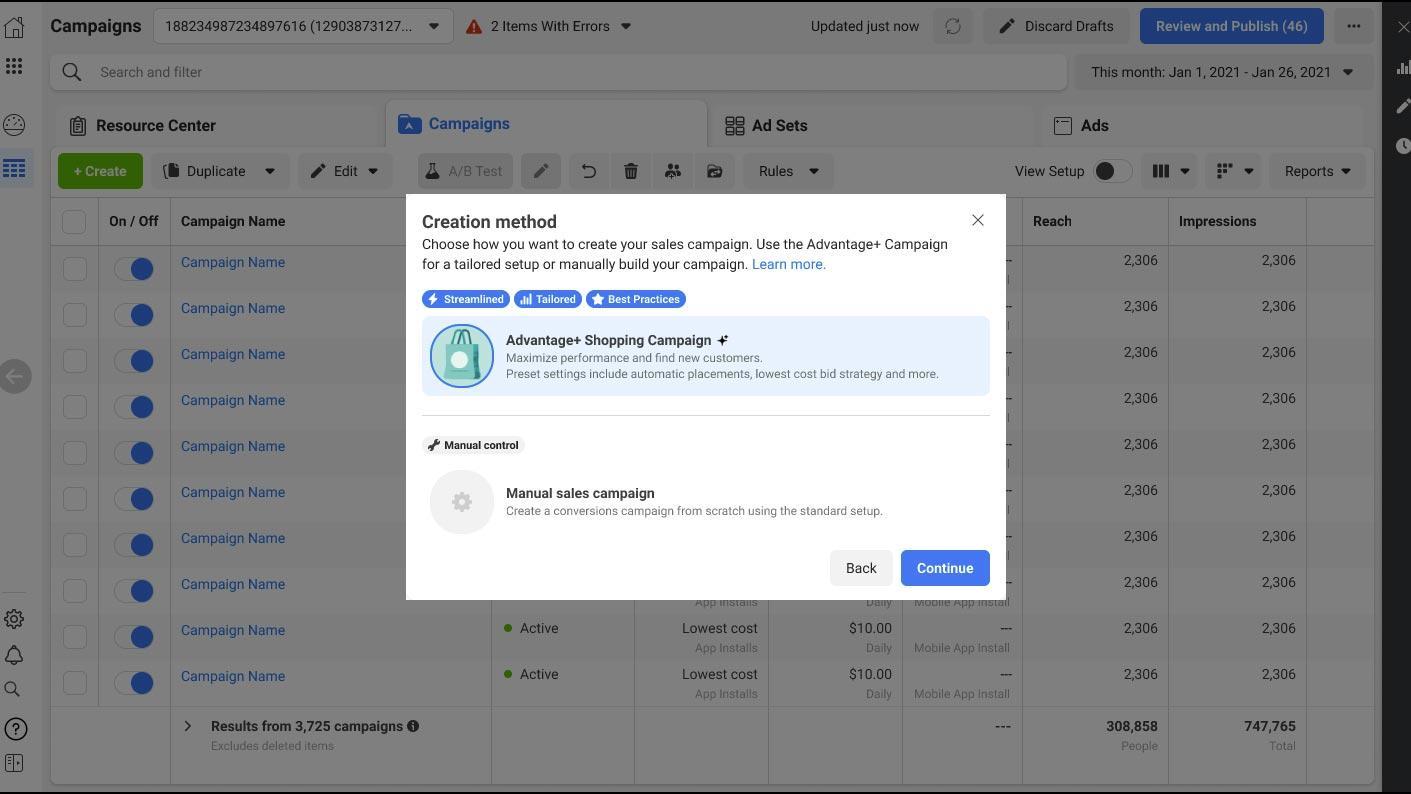
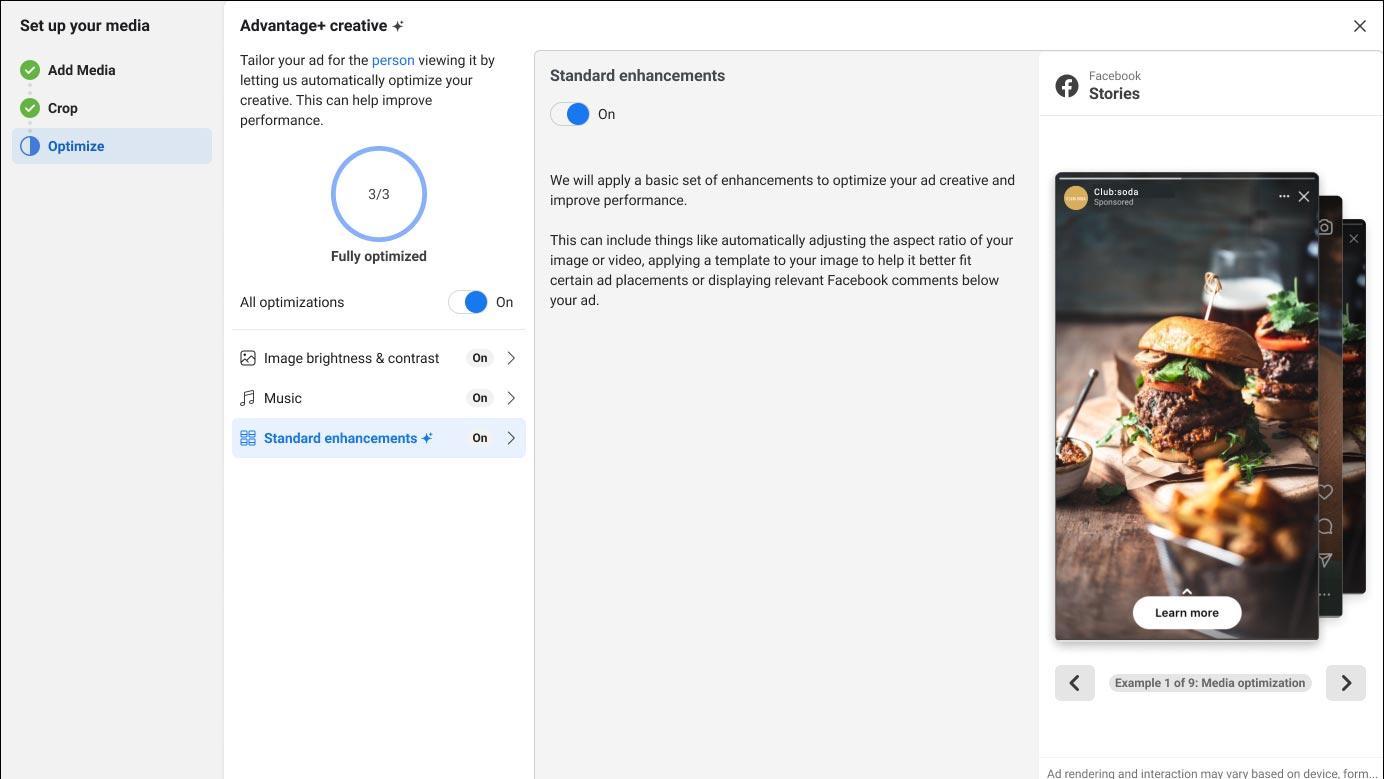
The cornerstone of Meta’s current advertising strategy is the "Advantage+" suite, a collection of automation tools designed to leverage machine learning to optimize ad performance. Historically, advertisers manually managed every facet of a campaign, from audience segmentation to creative testing. However, the introduction of Advantage+ Shopping campaigns signifies a move toward "black-box" automation.
Internal data released by Meta suggests that these automated campaigns have yielded a 12% lower cost-per-purchase conversion compared to traditional manual ads. By allowing Meta’s algorithms to split-test up to 150 creative variations simultaneously, the platform reduces the margin for human error in audience targeting. This shift is largely a response to the data signals lost following Apple’s App Tracking Transparency (ATT) update, which significantly hindered traditional tracking methods. By relying on first-party data and on-platform behavioral modeling, Meta aims to regain the efficacy lost in the post-cookie era.
Chronology of Platform Innovation: 2022 to 2023
To understand Meta’s current trajectory, one must examine the rapid succession of updates implemented throughout 2022. The year began with the company grappling with the fallout of its first-ever revenue decline, prompting a year of "efficiency" and technological overhaul.
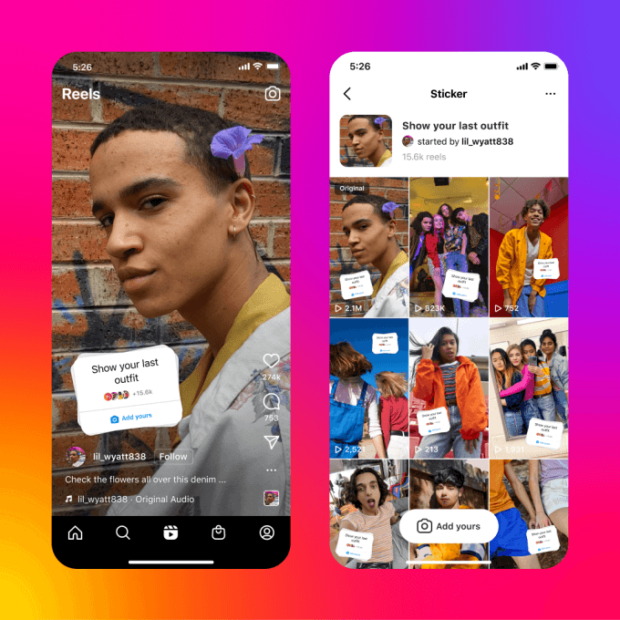
In the second quarter of 2022, Meta focused on monetization for creators, expanding the Reels Play Bonus program and introducing enhanced tagging options. By mid-year, the "Reels API" was launched, allowing third-party platforms like Hootsuite to facilitate scheduling and analytics, a move that integrated short-form video into the professional social media management workflow.
The third quarter saw the controversial decision to shut down Facebook Live Shopping in October 2022. This signaled a pivot away from long-form interactive commerce toward the "discovery-based" commerce found in Reels. Simultaneously, Meta enhanced its B2B targeting options, introducing segments based on job titles and interests to compete more directly with professional networks like LinkedIn.
By the final quarter of 2022, the focus shifted to professional utility. Instagram launched native content scheduling, a long-awaited feature allowing creators to plan posts up to 75 days in advance directly within the mobile application. This was followed by the release of advertising best practices backed by internal ROI data, emphasizing the "Broad Targeting" approach over hyper-niche segmentation.

The Reels Revolution: Short-Form Video as a Revenue Driver
Meta’s emphasis on Reels is not merely a cosmetic update but a fundamental change in content consumption. Mark Zuckerberg has publicly noted that Reels now account for more than 20% of the time people spend on Instagram. To capitalize on this, Meta has introduced "Reels Overlay Ads" and "Post-loop Ads," providing new inventory for advertisers in a high-engagement environment.
The integration of music into static feed posts in late 2022 further demonstrates Meta’s intent to make the entire platform feel more dynamic and "audio-on." By allowing up to 90 seconds of licensed music on photo posts, Meta is encouraging static content creators to adopt the aesthetic markers of short-form video, thereby increasing the time spent on the platform.

Enhanced Professional Tools and Creator Marketplaces
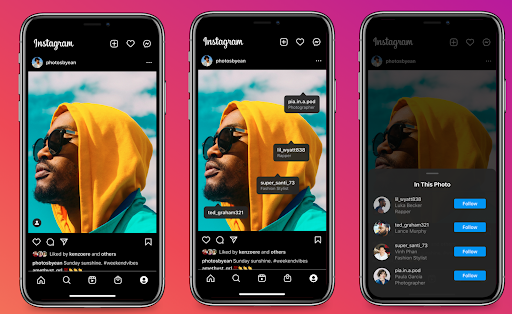
The "Instagram Creator Marketplace," which moved into wider testing in late 2022, serves as a centralized hub for brand-creator collaborations. By providing data on follower demographics, reach, and engagement directly to brands, Meta is attempting to keep the influencer marketing economy within its own ecosystem. This is supported by new "Enhanced People Tags," which allow creators to display their specific professional contributions—such as "Songwriter" or "Makeup Artist"—directly on tagged content.
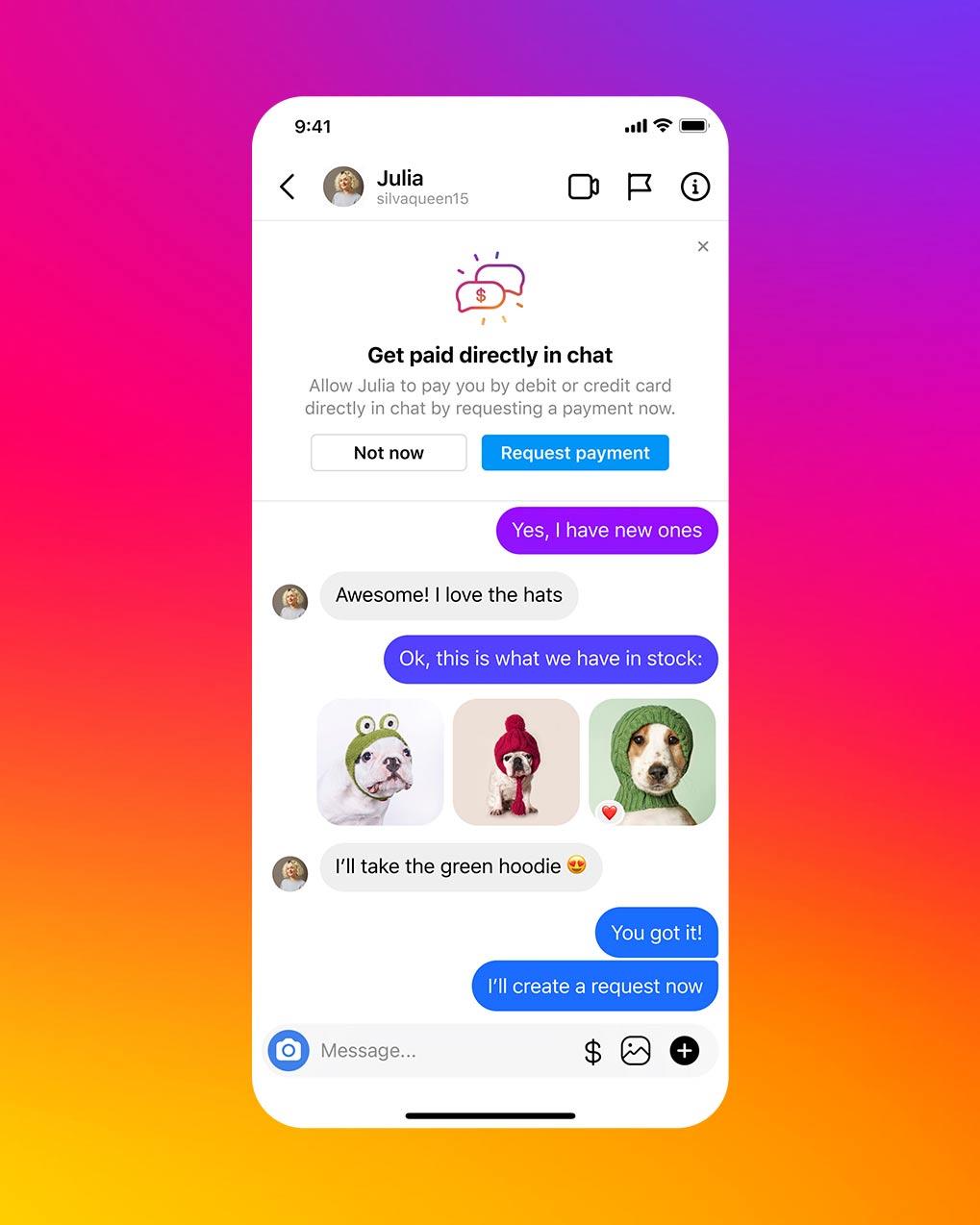
For small businesses, the introduction of "Payments in Chat" on Instagram has been a significant milestone. This feature allows eligible sellers to accept payments directly within Direct Messages (DMs) using Meta Pay. This reduces the friction of the customer journey, moving from discovery to transaction without requiring the user to navigate to an external website.
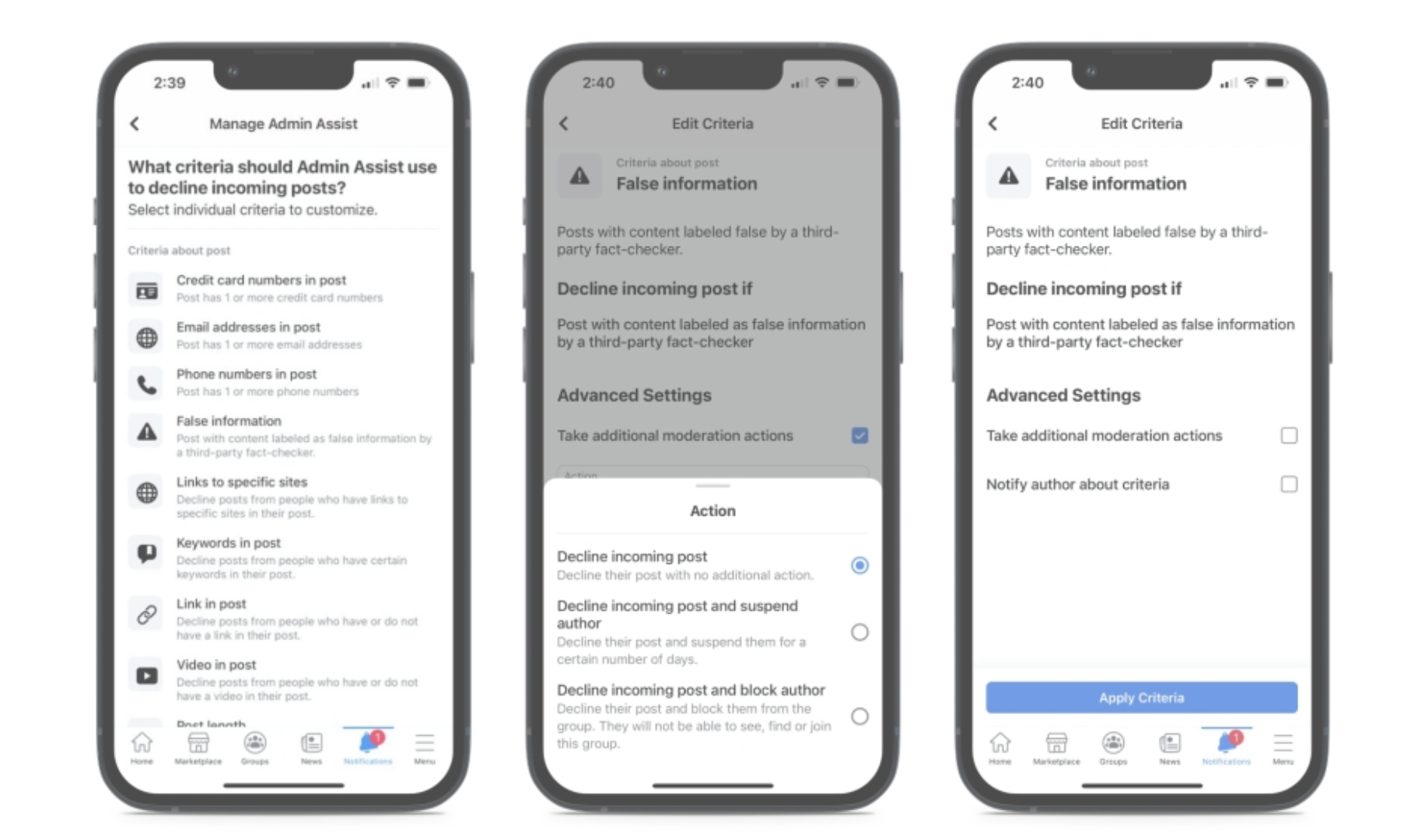
Brand Safety and Intellectual Property Protection
A major concern for global advertisers is the environment in which their ads appear. In a significant milestone for the company, Meta received accreditation from the Media Rating Council (MRC) for content-level brand safety on Facebook in late 2022. This independent validation of Meta’s Partner Monetization Policies and suitability controls for In-Stream video and Instant Articles provides a layer of trust for high-spend corporate advertisers.
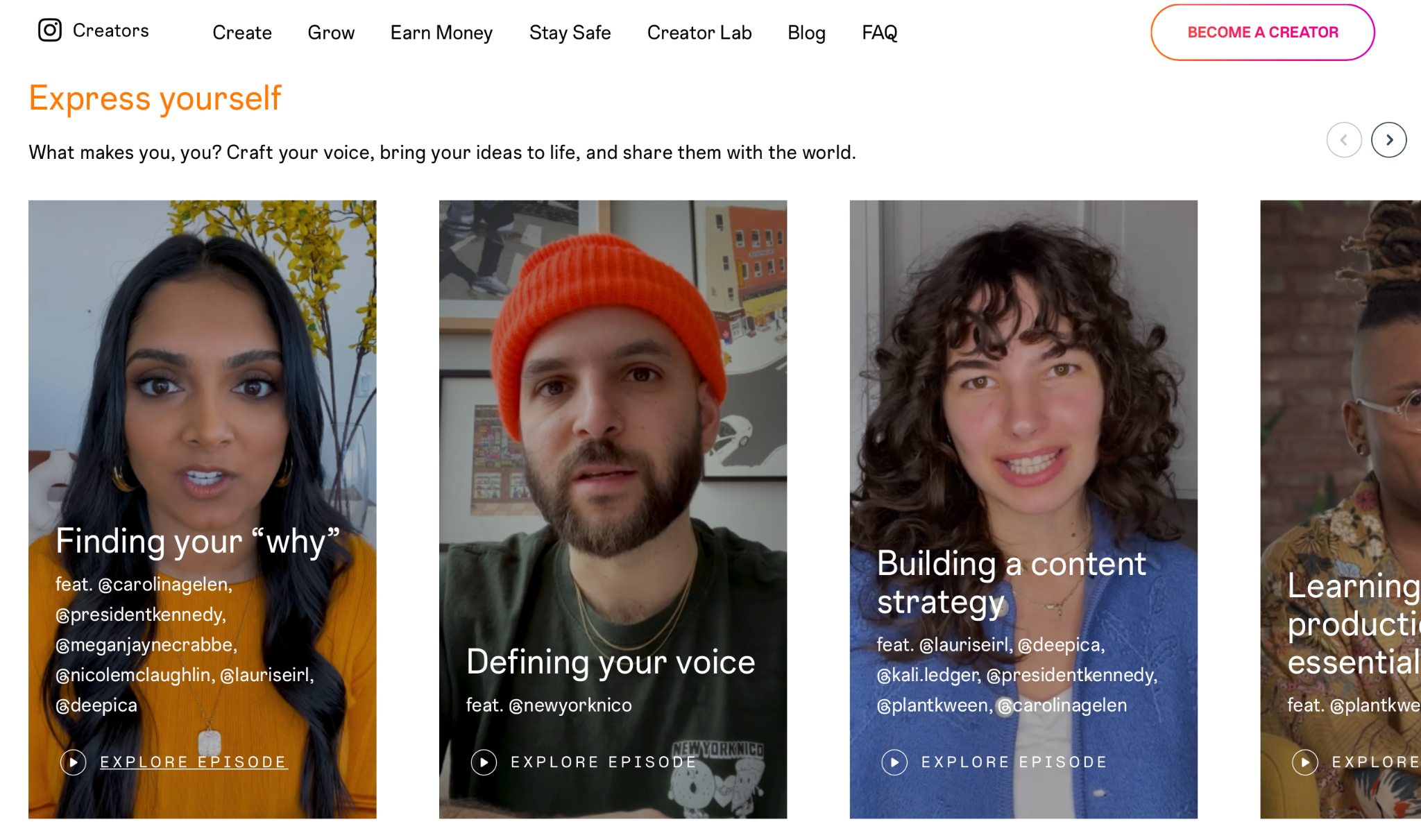
In tandem with safety, Meta has prioritized the protection of intellectual property (IP). The new "IP Reporting API" was designed to streamline the process for rights holders to report and remove content that violates their trademarks or copyrights. This is particularly vital in an era where "remixing" and user-generated content often blur the lines of original ownership.
Social Commerce and Local Delivery Integration
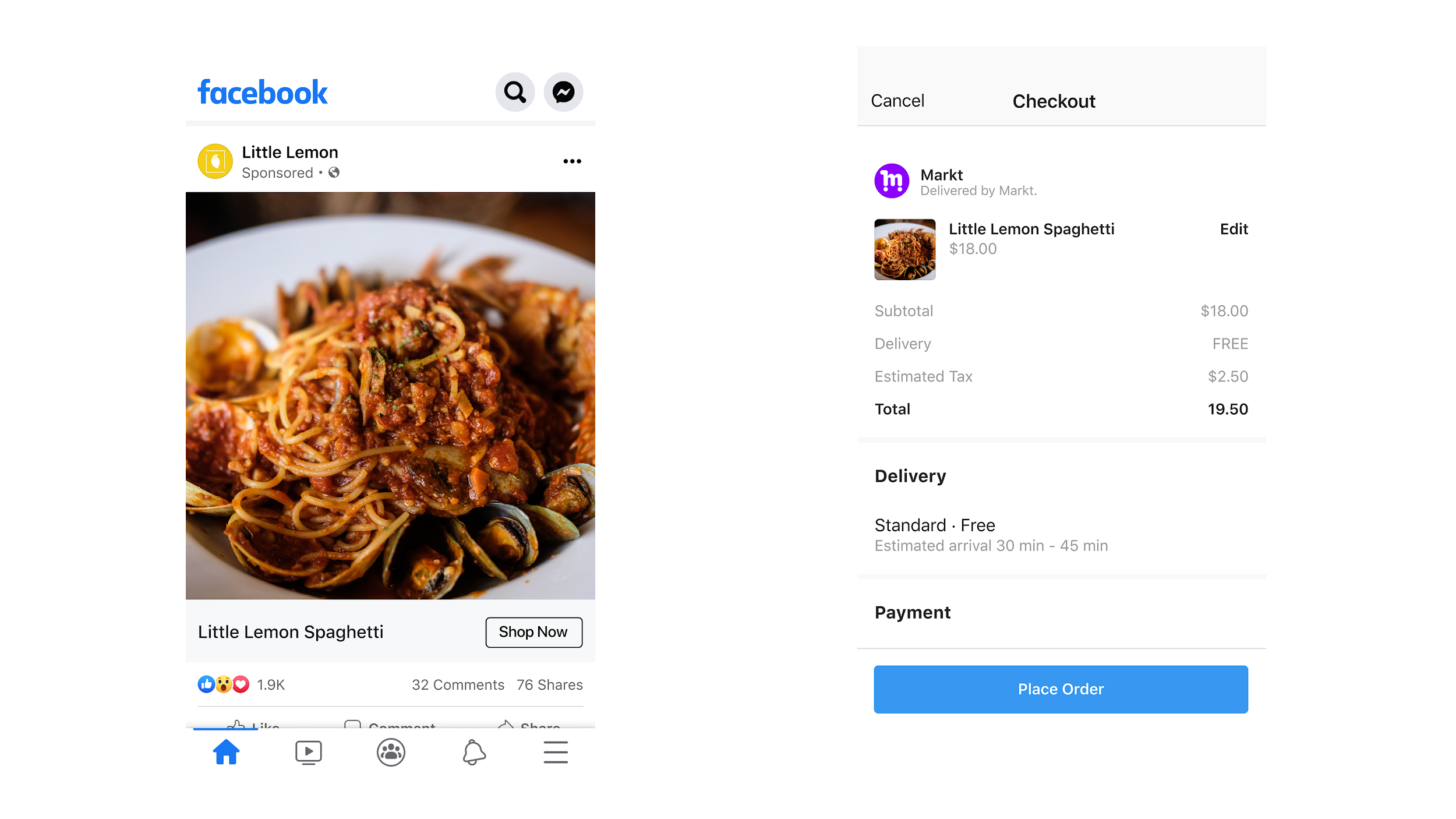
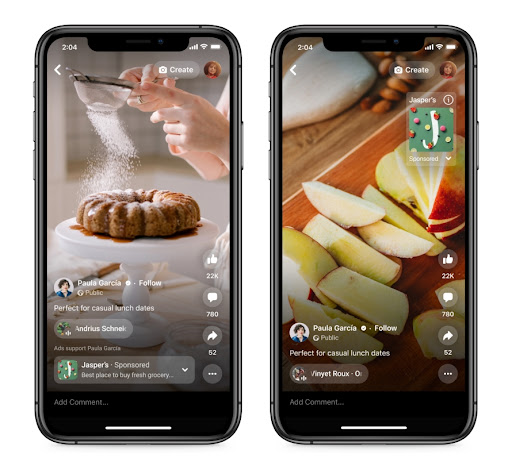
Meta’s approach to commerce has become increasingly localized. The rollout of "Collaborative Ads for Local Delivery" in late 2022 allowed grocery stores and restaurants to generate awareness while providing a direct path to purchase via local delivery services. These ads dynamically show products that are currently in stock, ensuring that the consumer experience is grounded in real-time availability.
This localization strategy is part of a broader effort to support small and medium-sized businesses (SMBs). During the 2022 holiday season, Meta launched the "Small Business Studios" initiative, providing on-demand video courses and resources to help SMBs navigate the complexities of digital advertising during peak sales periods.
The Metaverse Ambition: A Long-Term Financial Commitment
Despite the focus on immediate advertising utility, Meta remains committed to the development of the Metaverse. Reality Labs, the division responsible for virtual and augmented reality, reported significant losses in 2022, with total spending exceeding $36 billion since the project’s inception. Zuckerberg has maintained that the bridge between "real life and digital life" is the next frontier of human connection.
In early 2023, the focus within the Metaverse shifted toward professional collaboration. "Horizon Workrooms" for Oculus users introduced virtual whiteboards and meeting spaces, attempting to normalize VR in the corporate world. While commercial success has been gradual, the investment indicates Meta’s belief that future advertising revenue will eventually shift from 2D screens to immersive 3D environments.
Implications for Global Marketers in 2023
The current state of Meta Platforms suggests three primary takeaways for global marketers:
- Acceptance of AI Autonomy: The success of Advantage+ indicates that granular, manual targeting is becoming less effective than broad targeting powered by Meta’s internal algorithms. Marketers are encouraged to focus on "creative excellence" rather than technical audience tinkering.
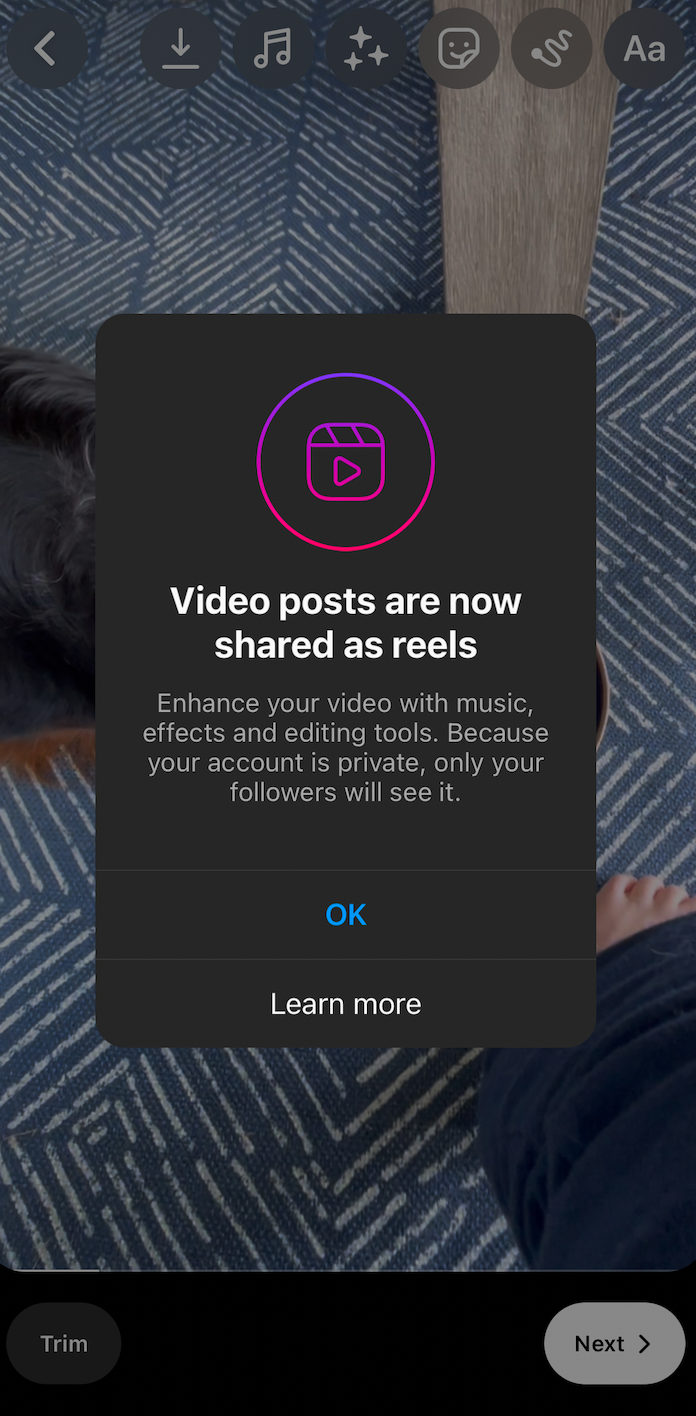
- Video as the Default: With the merger of IGTV and feed video into "Instagram Video" and the prioritization of Reels, the platform is no longer a photo-sharing app. Creative strategies that do not prioritize vertical, short-form video will likely see diminished reach.
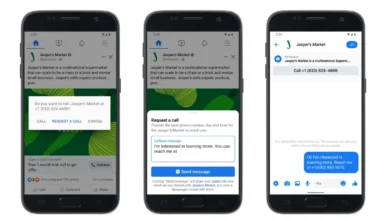
- The Rise of Conversational Commerce: The integration of WhatsApp, Messenger, and Instagram DMs into a unified "Meta Business Suite" inbox suggests that the future of sales is conversational. The ability to handle customer inquiries, provide quotes, and process payments within a single thread is becoming a standard expectation for consumers.
As Meta navigates 2023, the company is positioning itself as an AI-first entity. By simplifying the user experience and automating the advertiser experience, Meta aims to maintain its dominance in a social media landscape that is increasingly fragmented and privacy-centric. The success of this transition will depend on the company’s ability to balance its high-cost Metaverse ambitions with the immediate need to deliver measurable ROI to its millions of global advertisers.