The Ultimate Guide to Mastering Your Social Media Content Strategy with Professional Calendar Templates

In the modern digital landscape, the difference between a thriving online presence and a stagnant account often comes down to one tactical advantage: the social media content calendar. As social media algorithms increasingly prioritize consistency and high-quality engagement, marketers and creators are moving away from ad-hoc posting in favor of structured, data-driven planning. A content calendar is no longer merely a spreadsheet for tracking dates; it has evolved into a strategic nerve center that aligns day-to-day operations with long-term business objectives.
The Evolution of Content Planning
The practice of mapping out social media content emerged alongside the maturation of platforms like Facebook, Instagram, and LinkedIn. Initially, social media management was reactive, characterized by real-time updates and manual posting. However, as organizations began to view social channels as critical sales funnels and brand-building tools, the need for a standardized workflow became apparent.
Data suggests that businesses maintaining a consistent posting cadence see significantly higher rates of audience retention. According to industry benchmarks, the most successful brands publish content with a frequency that matches their audience’s peak activity levels. A content calendar serves as the architectural blueprint for this activity, ensuring that resources—such as graphic design, copywriting, and video production—are allocated efficiently across the month.
Strategic Framework: Building Your Workflow
Creating a robust calendar requires more than just filling in boxes. A professional-grade content strategy begins with the identification of content pillars. These are the core themes that define a brand’s voice and provide value to the target audience. By establishing three to five primary pillars, creators can ensure that their output remains relevant and diverse, preventing the "empty screen" syndrome that often leads to posting burnout.
The workflow typically follows a four-stage process:
- Strategy Alignment: Defining target demographics and key performance indicators (KPIs).
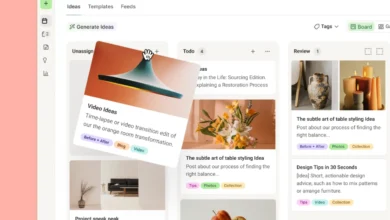
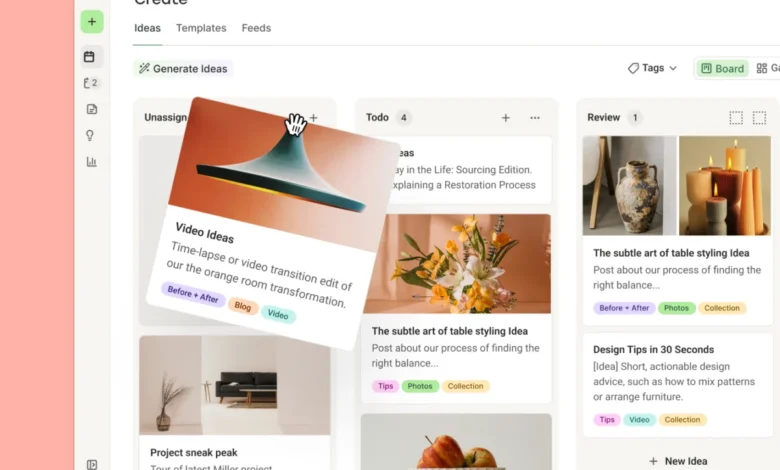
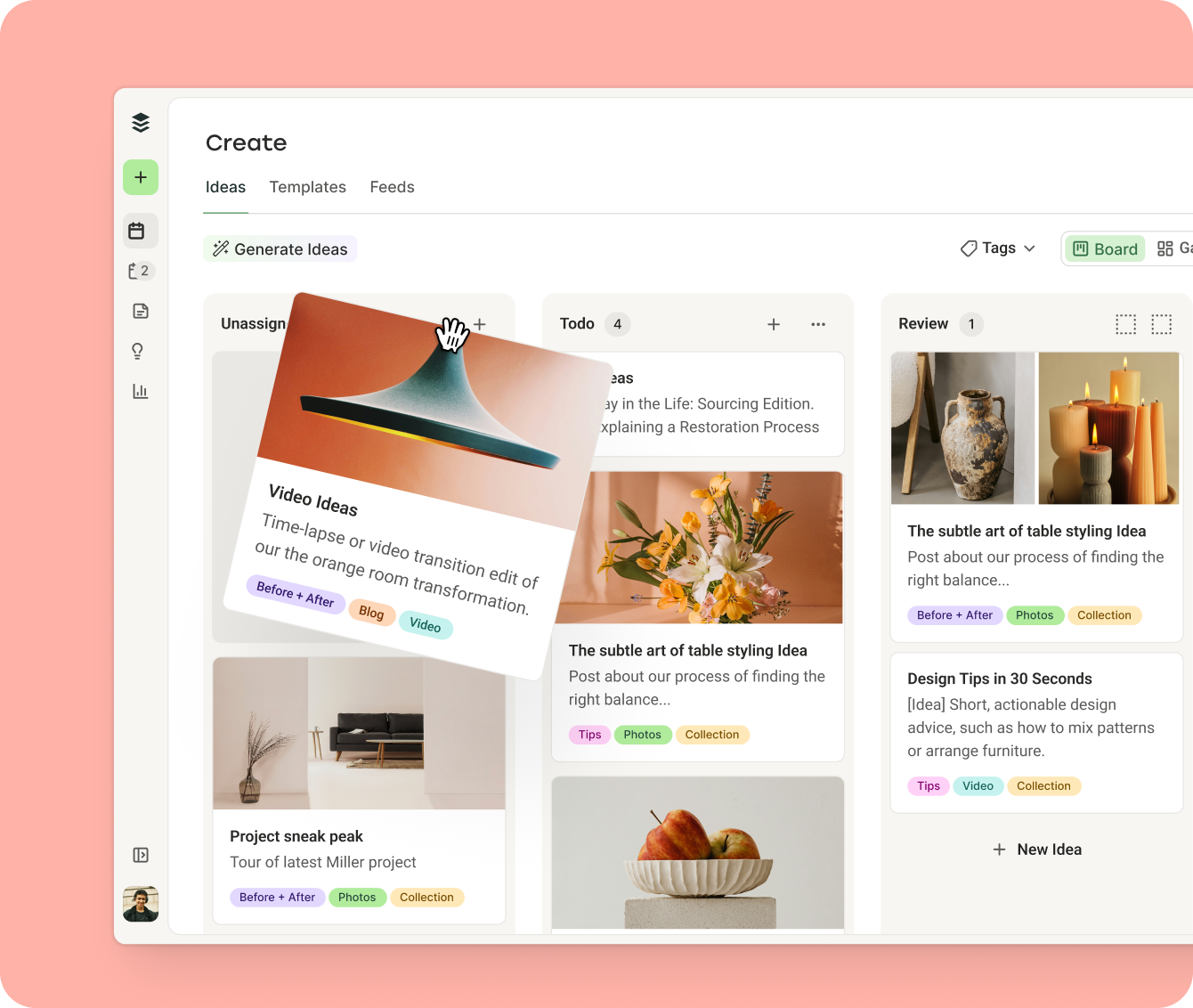
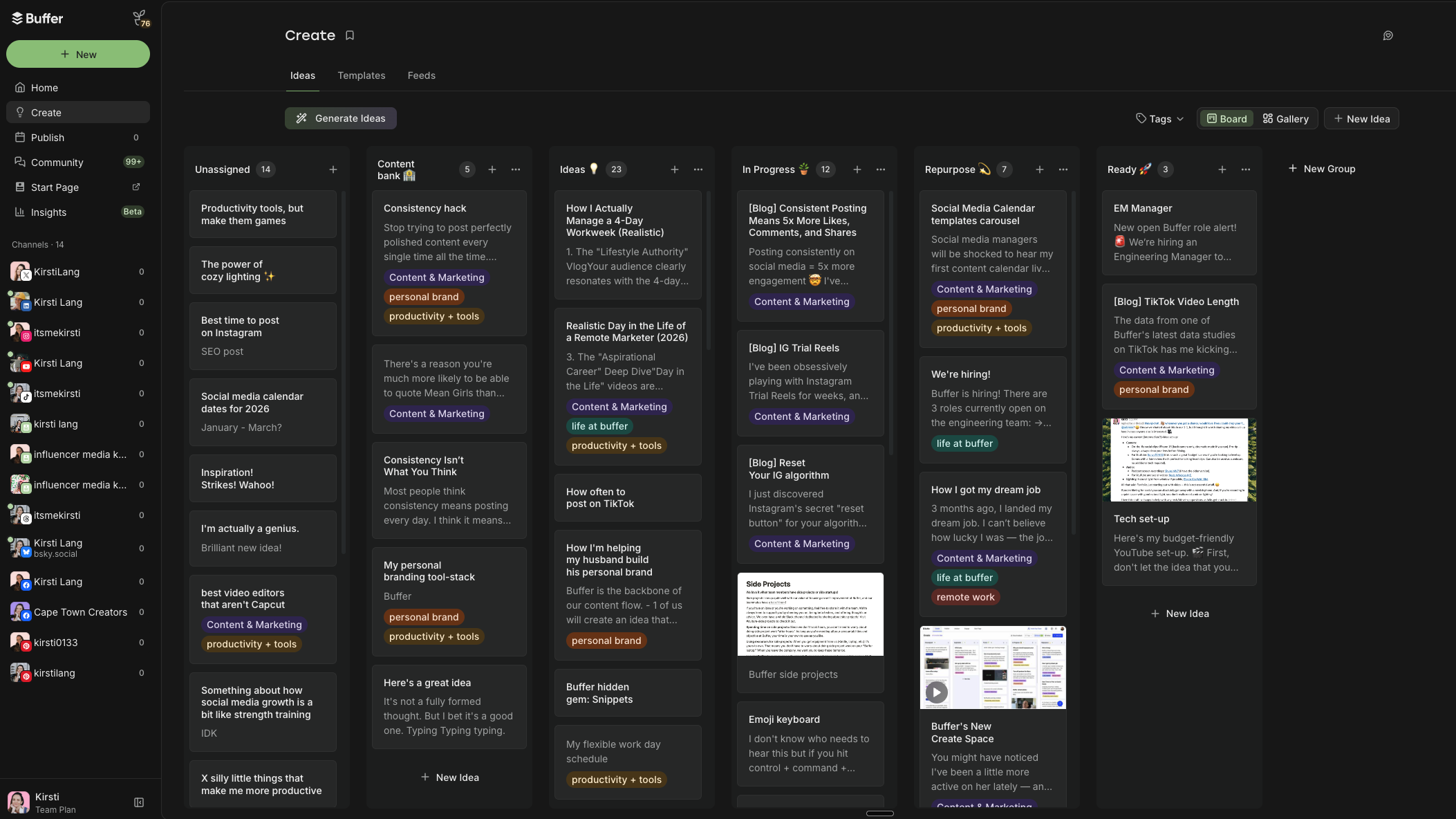
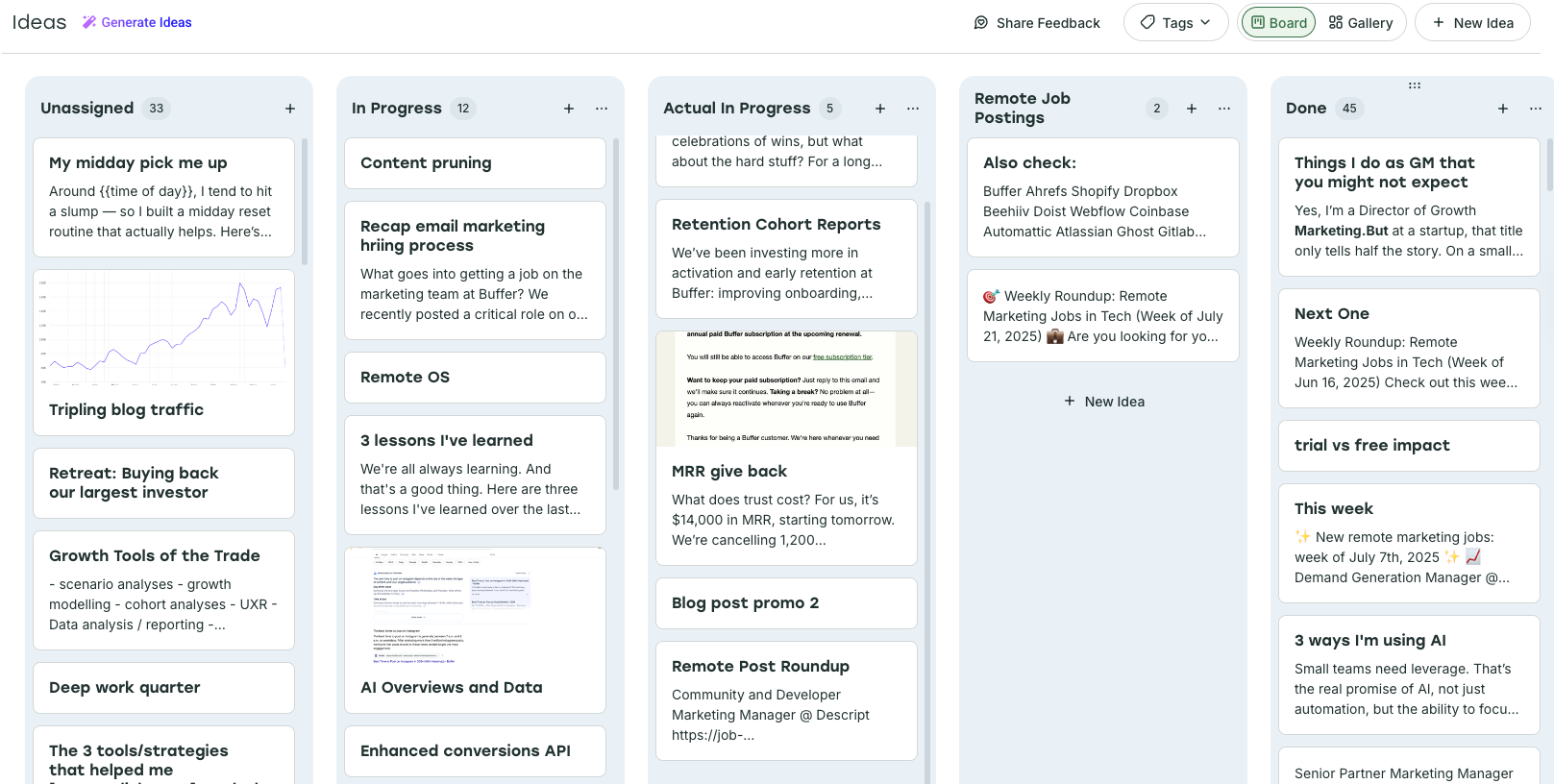
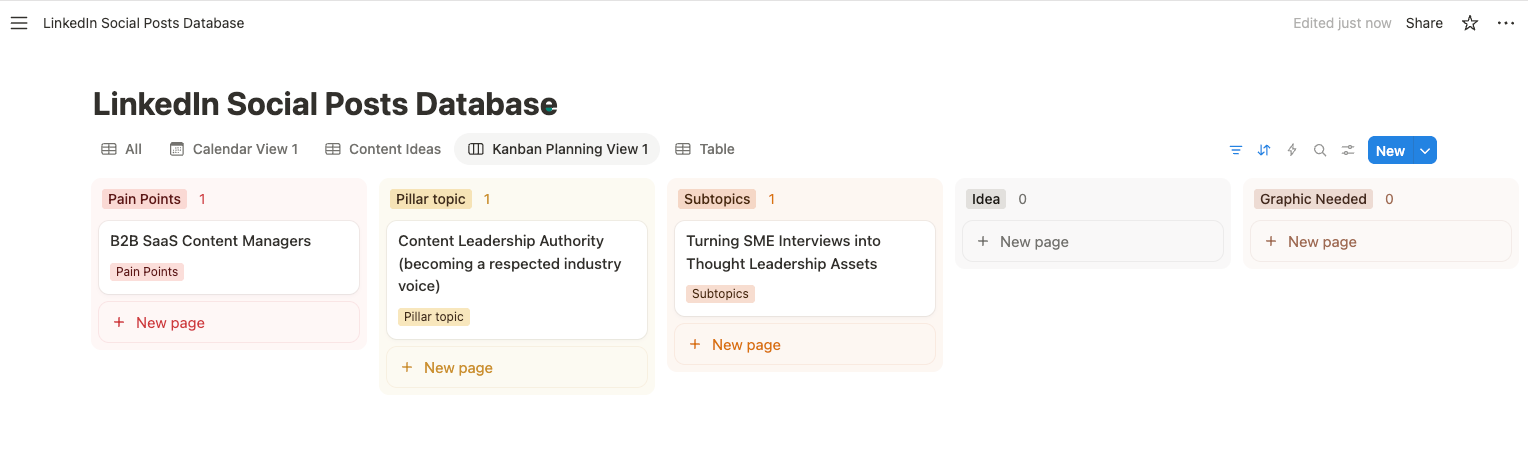
- Ideation: Collecting raw concepts within a centralized repository, such as a Kanban board or an AI-assisted brainstorming tool.
- Execution and Scheduling: Drafting the creative assets and mapping them to specific, data-backed time slots.
- Performance Analysis: Reviewing engagement metrics to refine future planning.
A Comparative Analysis of Planning Tools
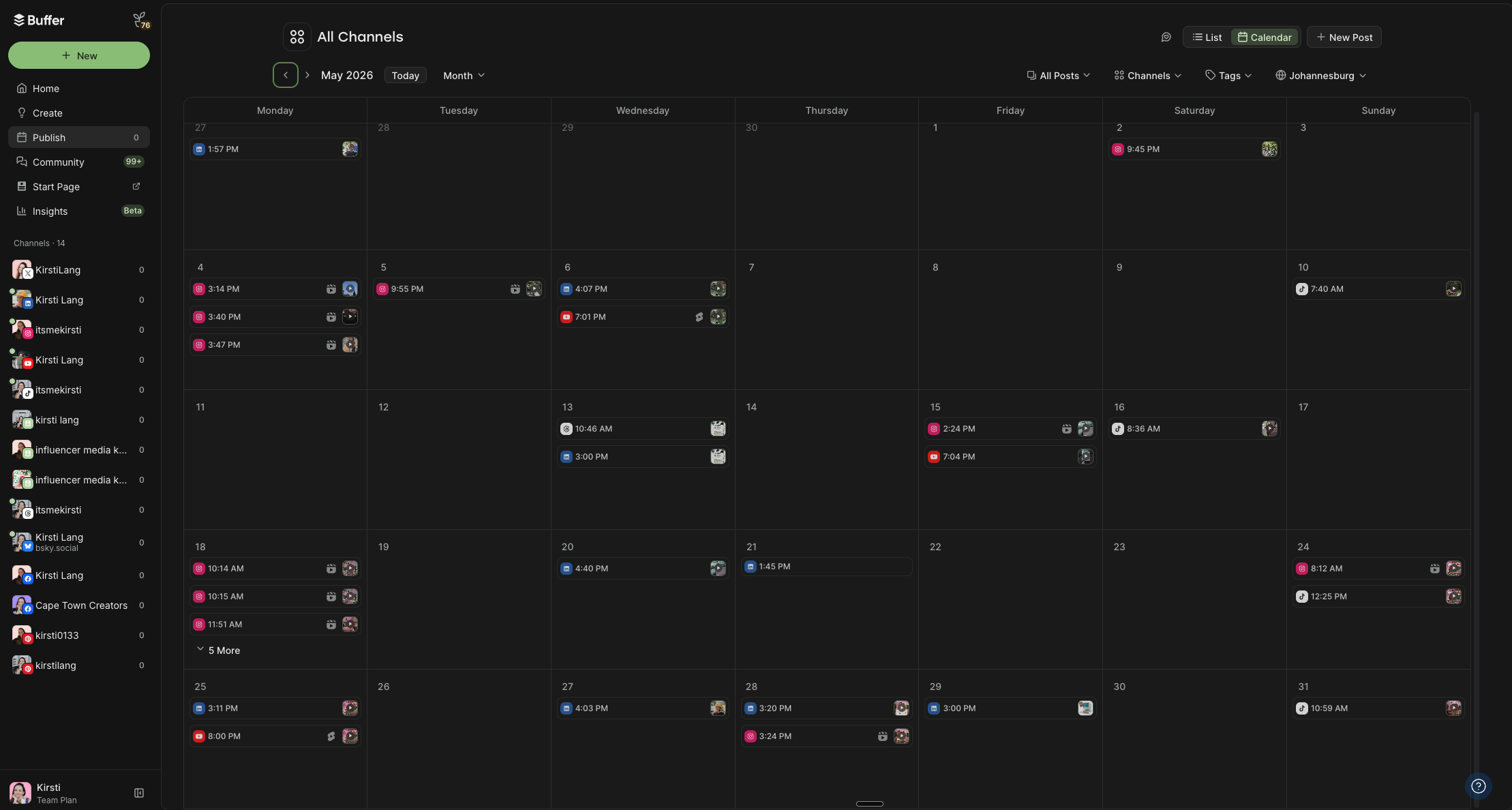
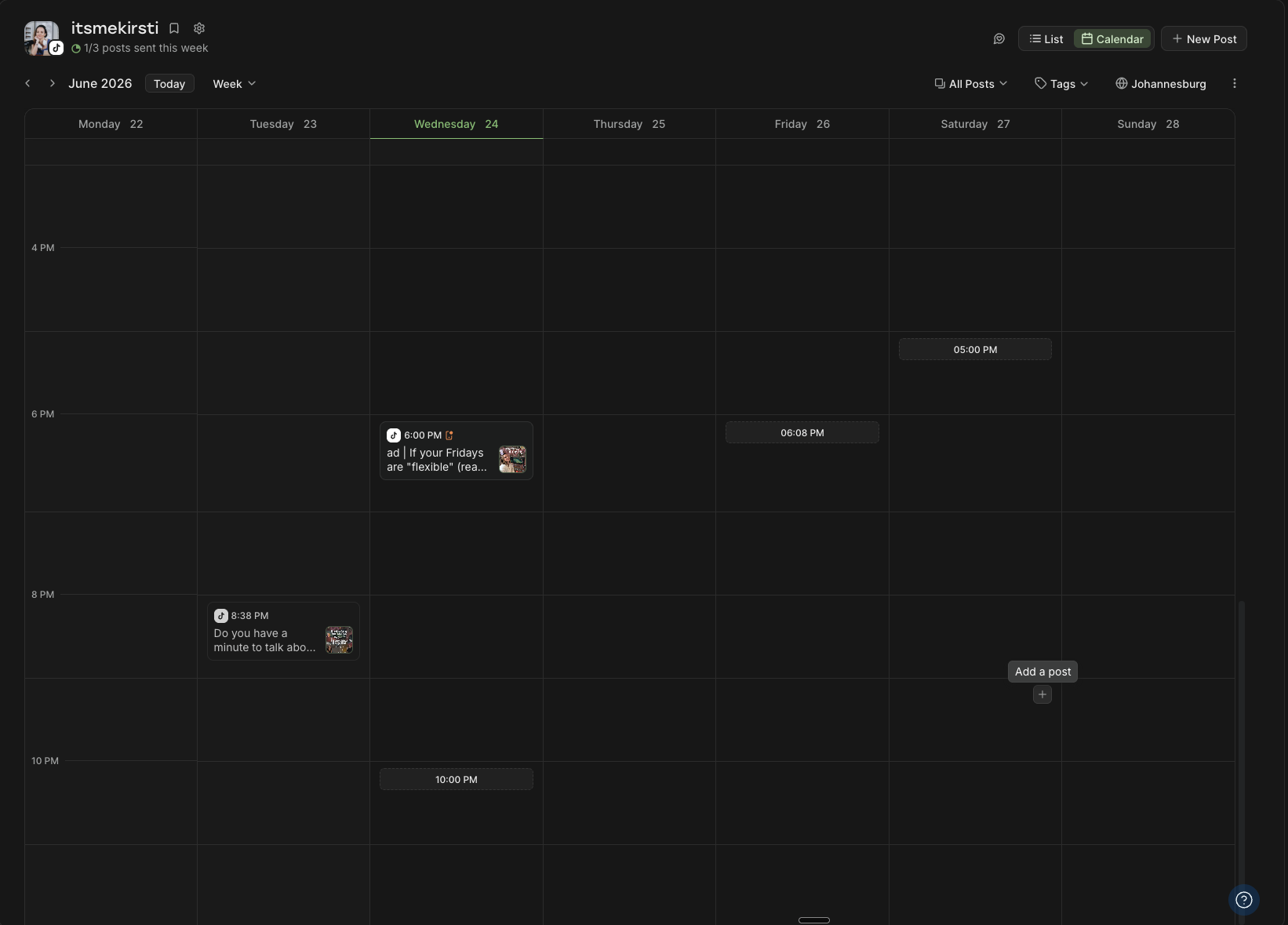
The selection of a scheduling tool often dictates the success of a content strategy. While spreadsheets offer high levels of customization, they lack the automation capabilities required for high-volume publishing. Conversely, integrated platforms like Buffer provide an end-to-end solution that combines planning with automated publishing.
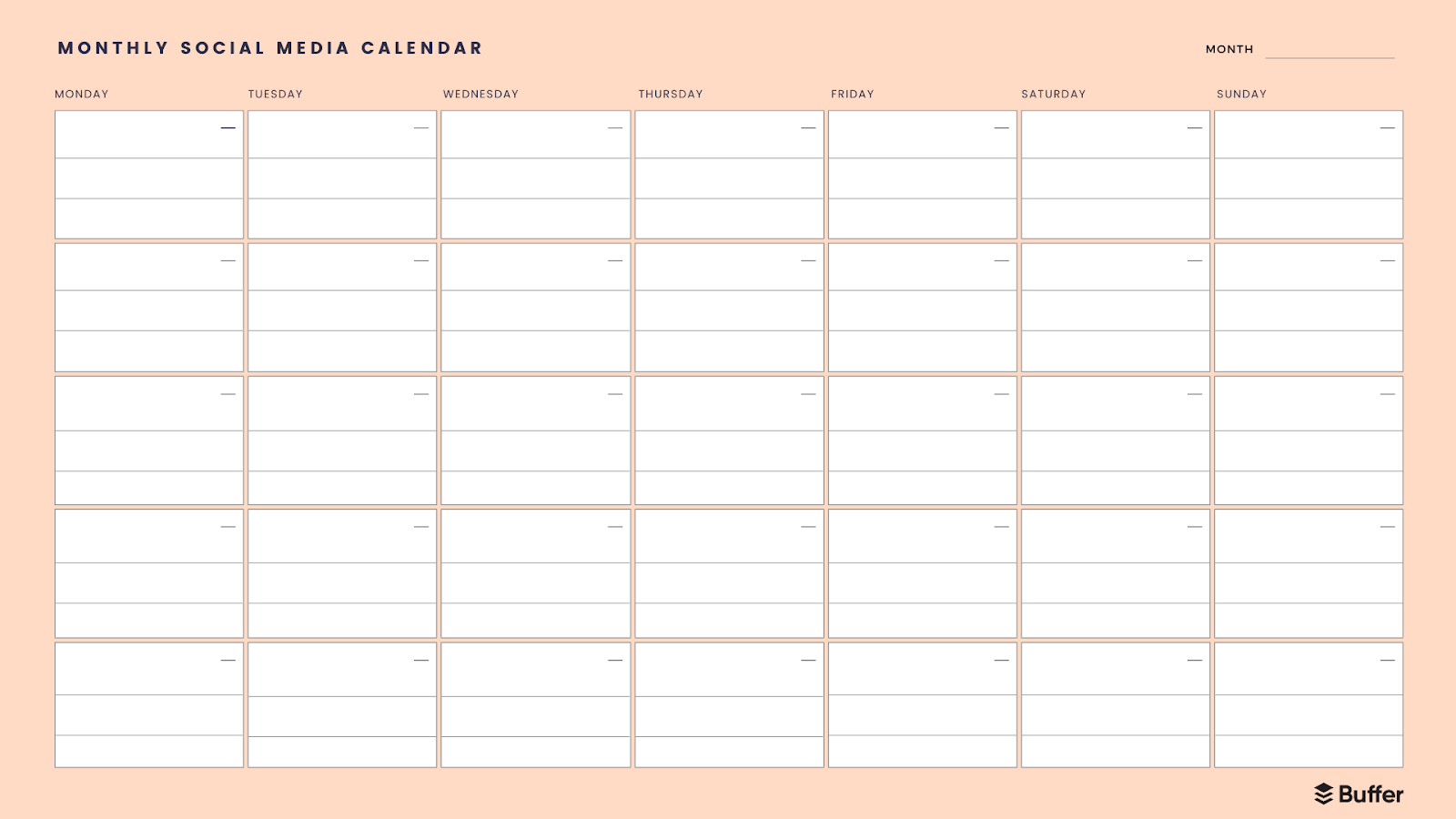
For organizations managing multiple accounts across various networks—including X (formerly Twitter), Threads, TikTok, and YouTube—centralized management is essential. The ability to visualize a monthly roadmap allows teams to identify potential content gaps and ensure that promotional material is balanced with educational or entertaining content. Furthermore, the integration of tagging systems allows for granular analysis, enabling users to track which content pillars generate the highest return on investment.
Integrating Data-Driven Insights
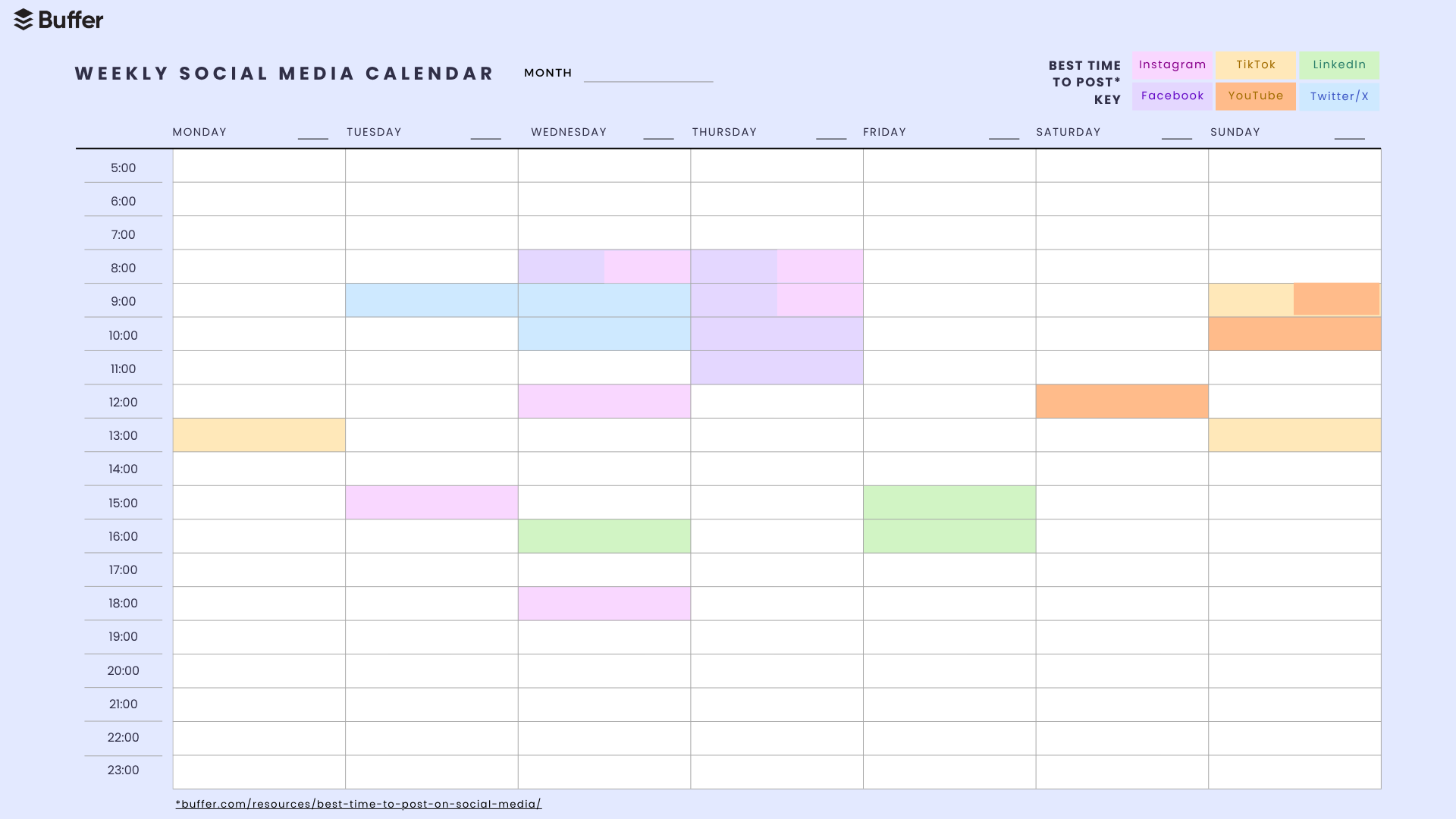
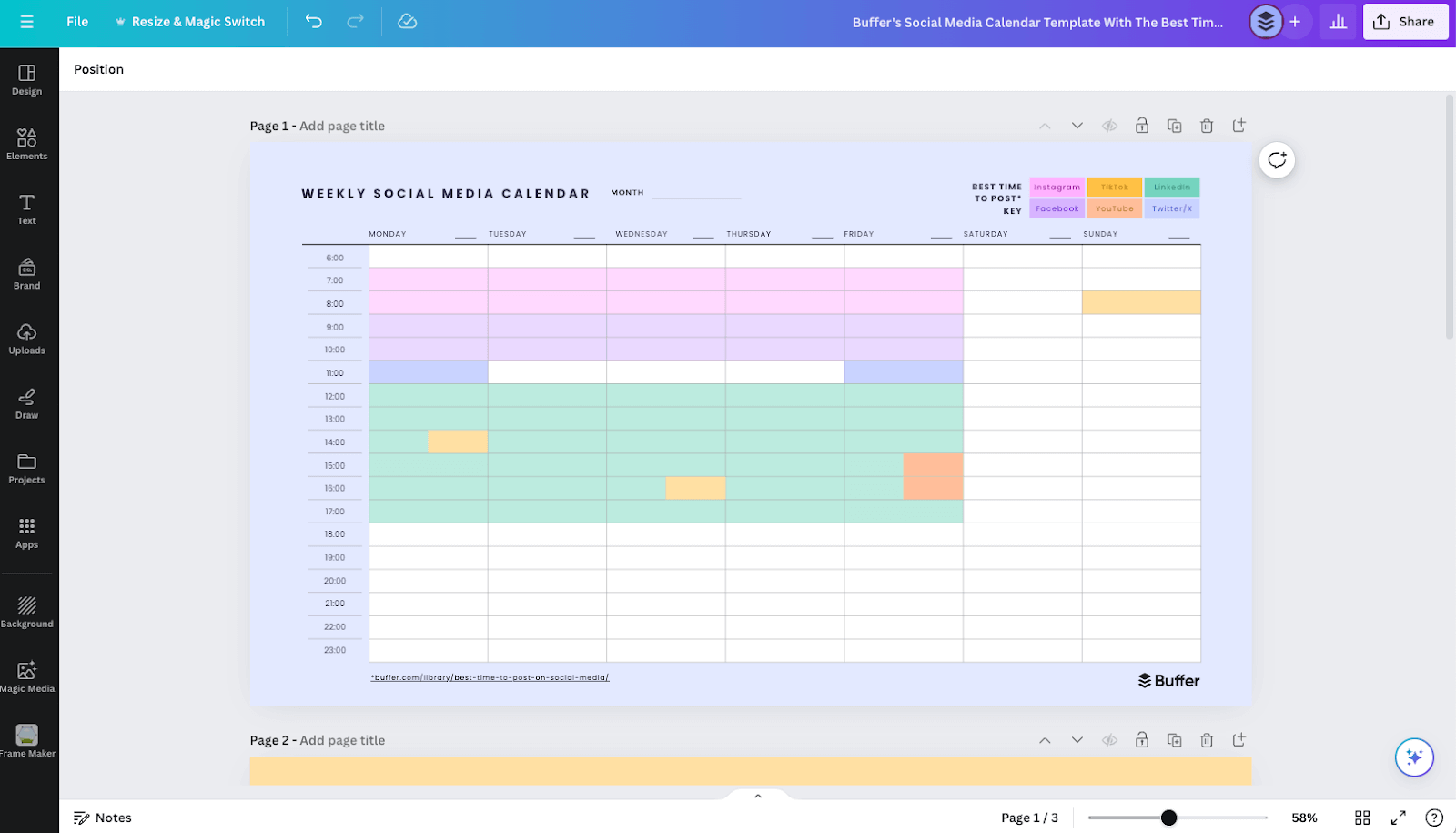
One of the most significant advancements in social media management is the application of historical data to future planning. Studies analyzing millions of posts have consistently shown that timing significantly impacts reach. For instance, posting on LinkedIn during mid-week business hours often yields higher professional engagement, while TikTok content often performs optimally during evening hours when users are in a discovery mindset.
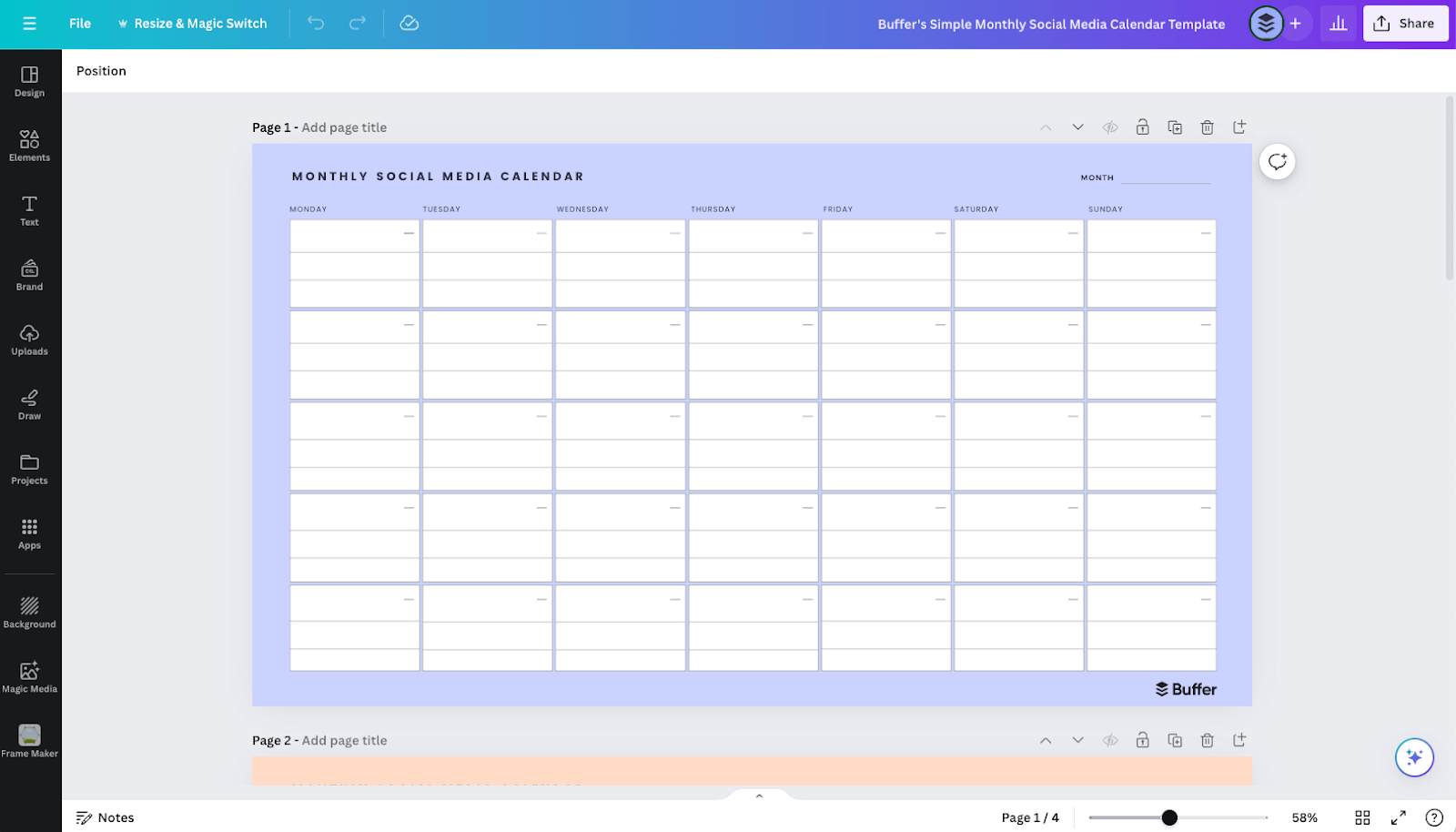
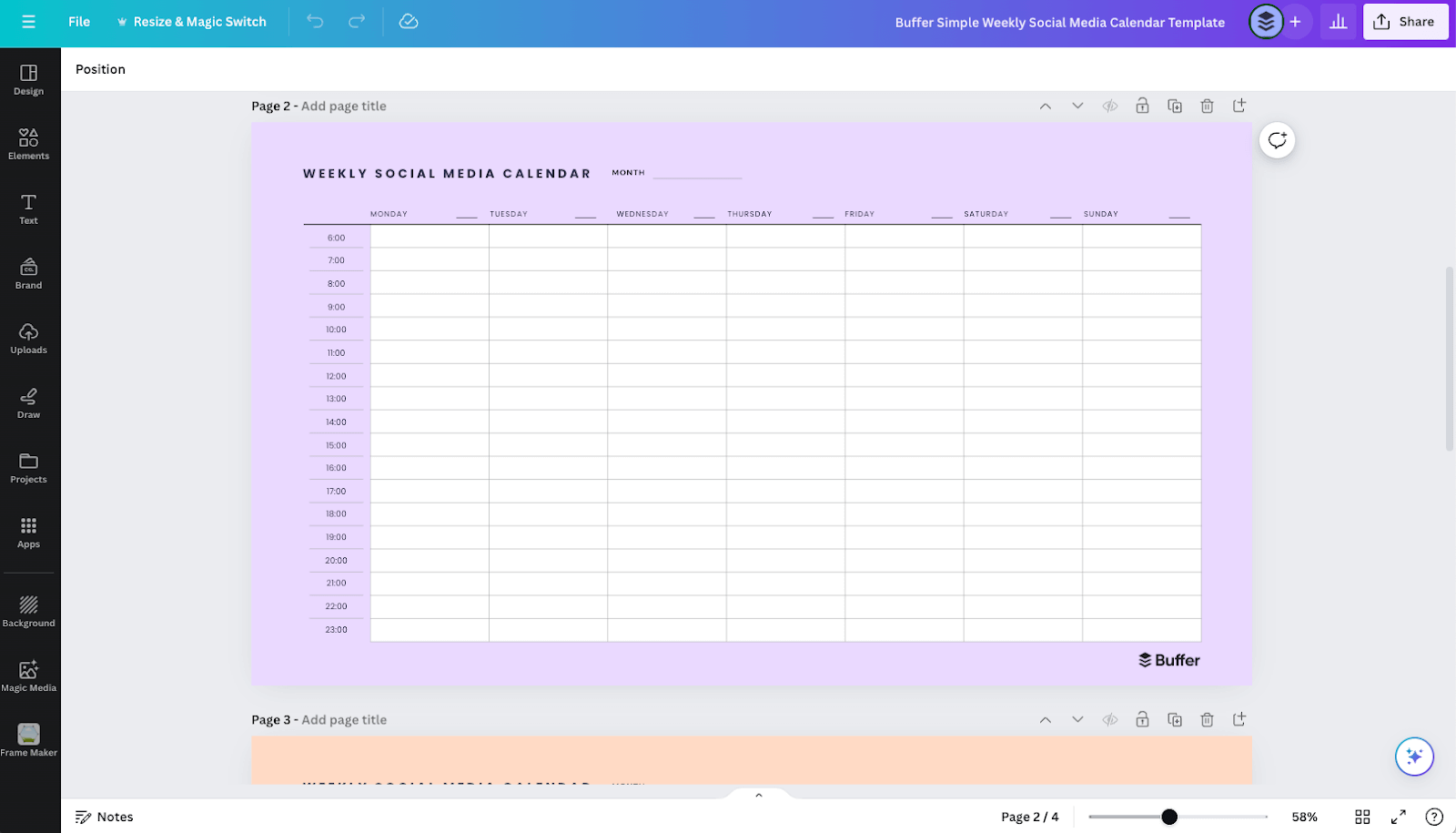
By utilizing "best time to post" research, managers can optimize their queues to ensure that content reaches the audience when they are most likely to interact. This scientific approach to scheduling shifts the burden from guesswork to evidence-based execution, allowing creators to focus on the quality of the content rather than the mechanics of distribution.
The Role of Automation and AI
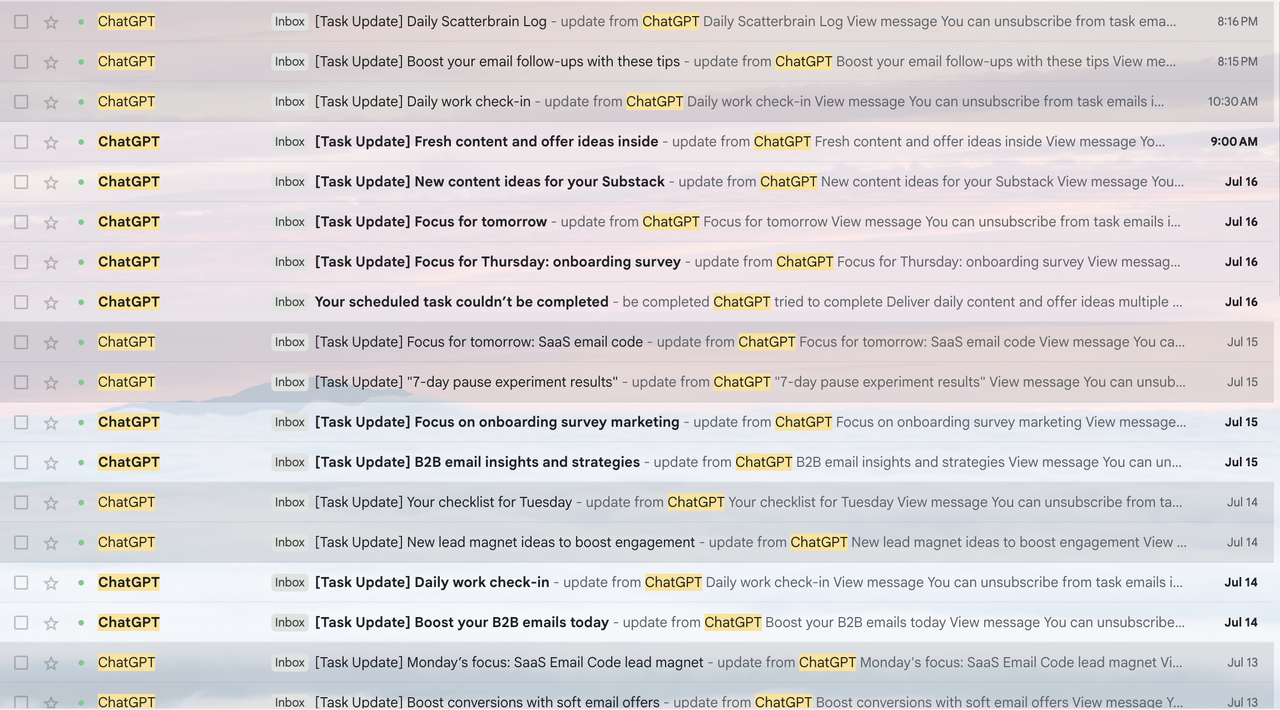
Artificial Intelligence has fundamentally altered the landscape of content ideation. Many creators now leverage tools like ChatGPT to generate topic clusters, headlines, and even caption drafts based on previous performance data. A common workflow involves prompting AI to analyze past content successes and suggest future topics that align with those high-performing themes.
Automated task management, such as having content prompts delivered via email or synchronized with a digital calendar, ensures that creators remain proactive rather than reactive. This integration of technology and human strategy reduces the mental load of content creation, allowing individuals to maintain a professional standard of output even during high-pressure periods.
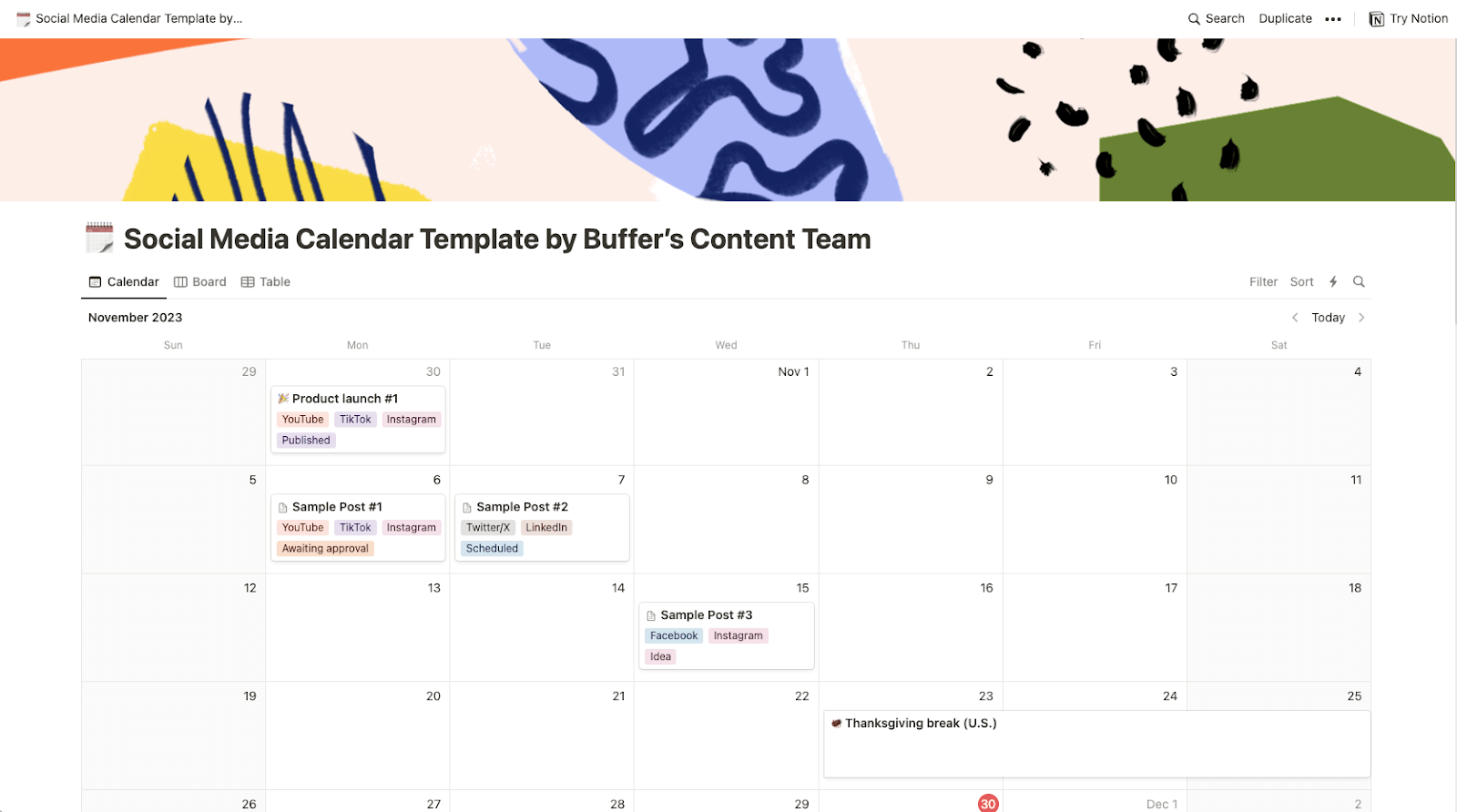
Standardizing the Content Calendar: A Technical Breakdown
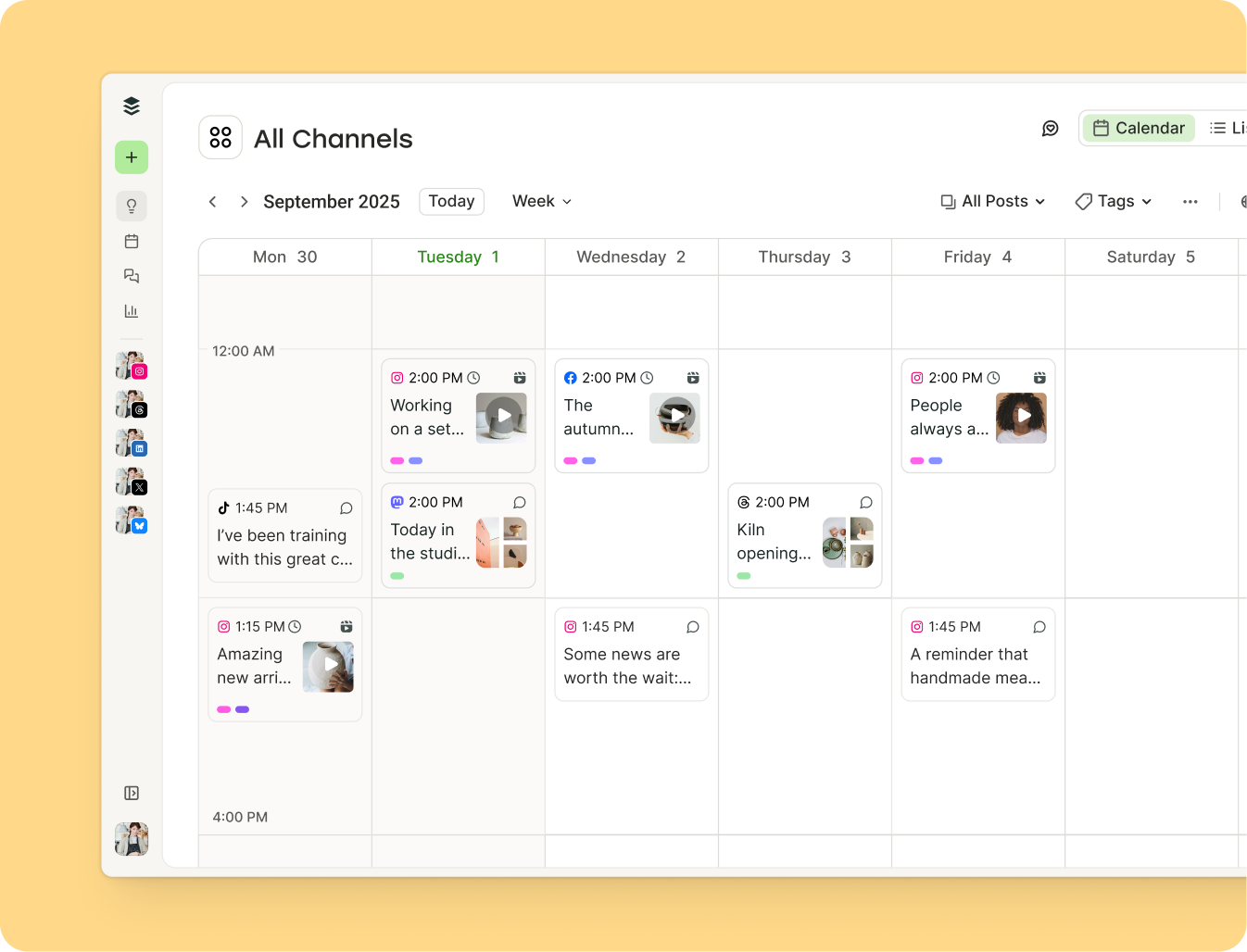
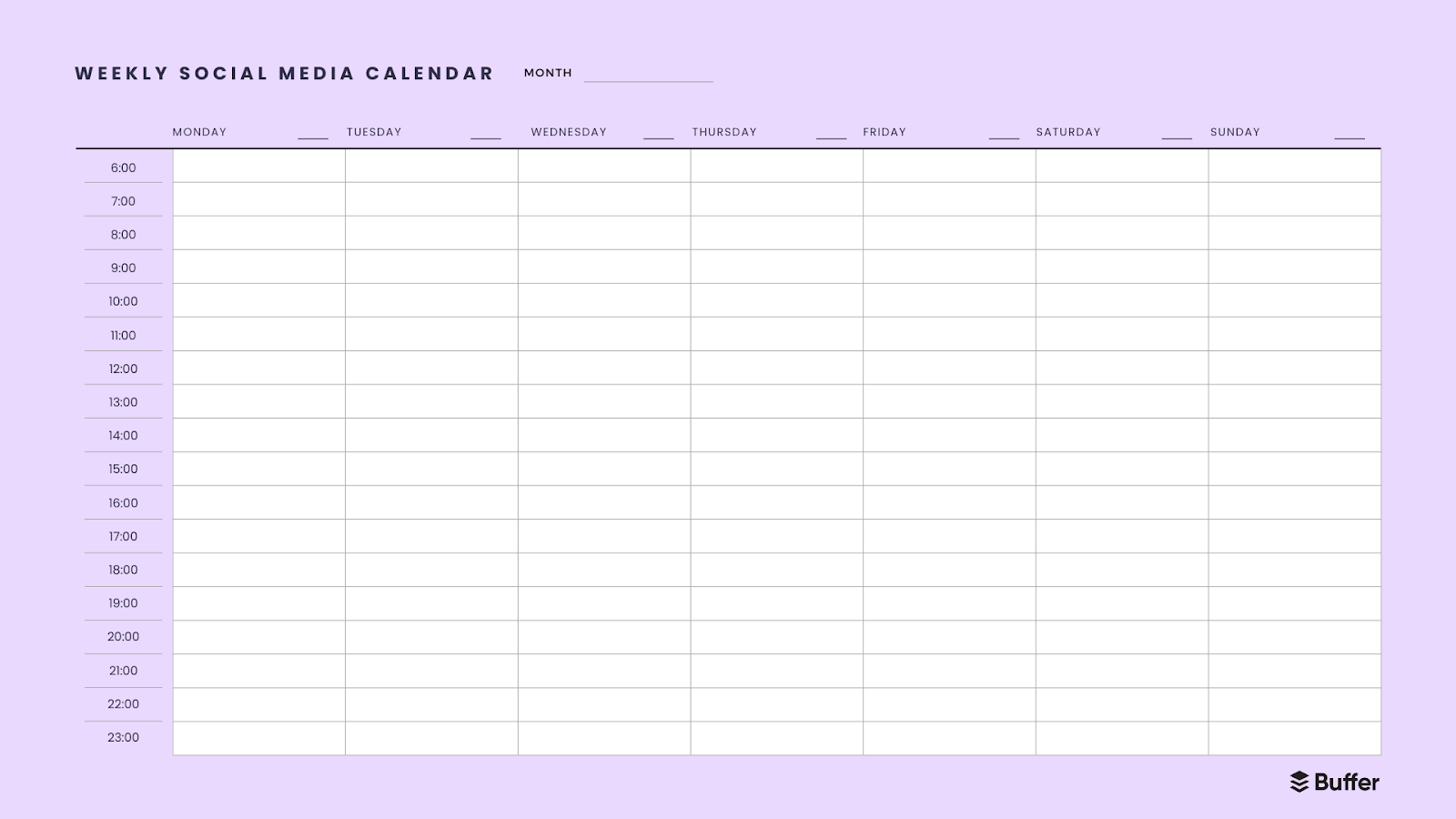
Whether opting for a PDF, a Notion workspace, or a sophisticated SaaS dashboard, a professional calendar must include specific data fields to be effective. These include:
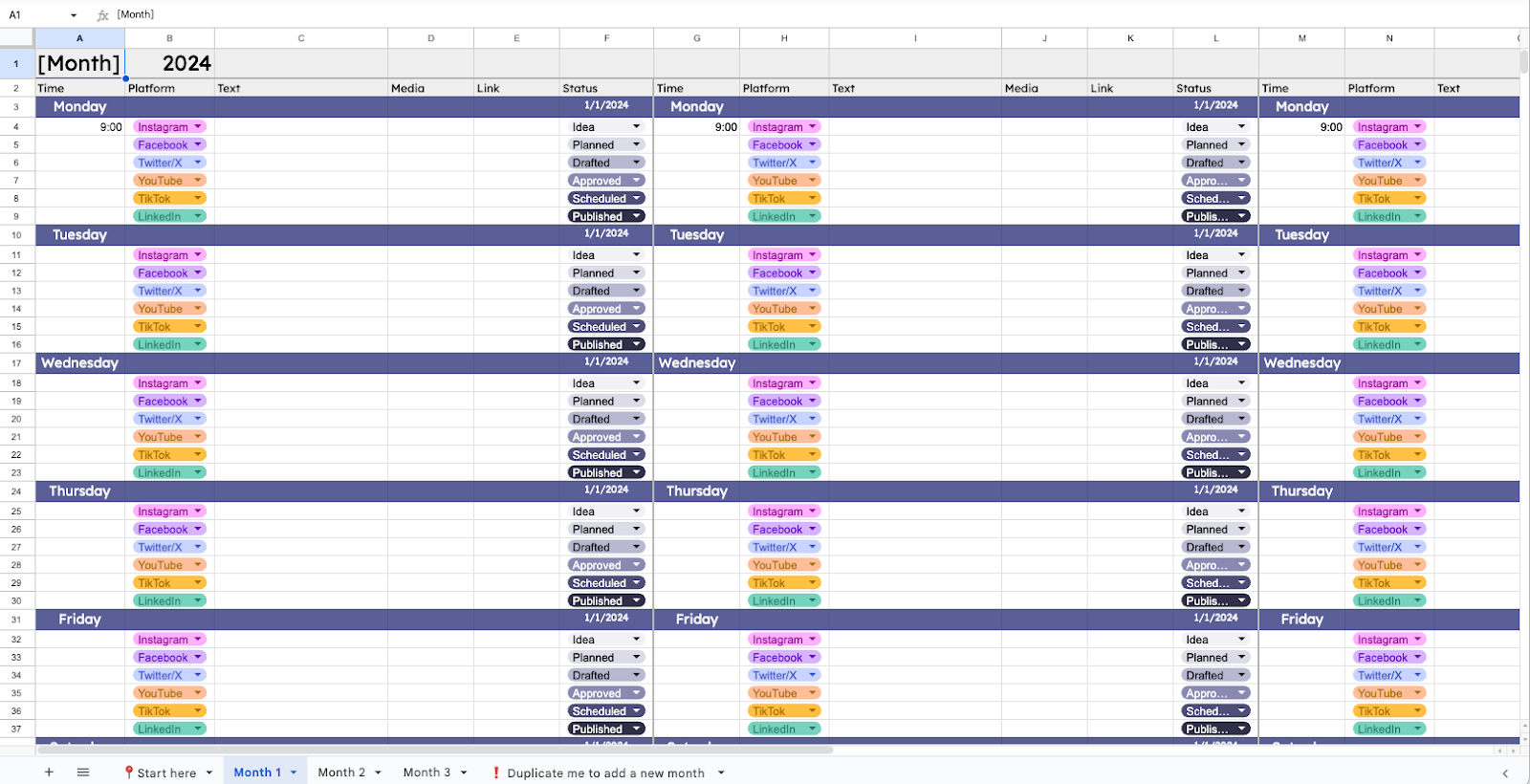
- Platform: Identifying where the post will live.
- Date and Time: Scheduled slots based on audience peak activity.
- Content Pillar: Categorization to ensure balanced messaging.
- Status: Tracking the lifecycle from "Idea" to "Draft" to "Approved" and "Published."
- Asset Links: Direct access to visuals, videos, or copy documents.
This level of detail is particularly critical for team-based workflows where approval hierarchies must be maintained. The use of "Create Spaces" or collaborative workspaces allows for real-time feedback, ensuring that content meets brand guidelines before it reaches the public eye.
Broader Implications for Brand Growth
The implications of a well-maintained calendar extend beyond simple convenience. In an era where digital noise is at an all-time high, consistency acts as a trust signal. When an audience knows they can rely on a brand to provide valuable content on a regular basis, the likelihood of long-term loyalty increases.
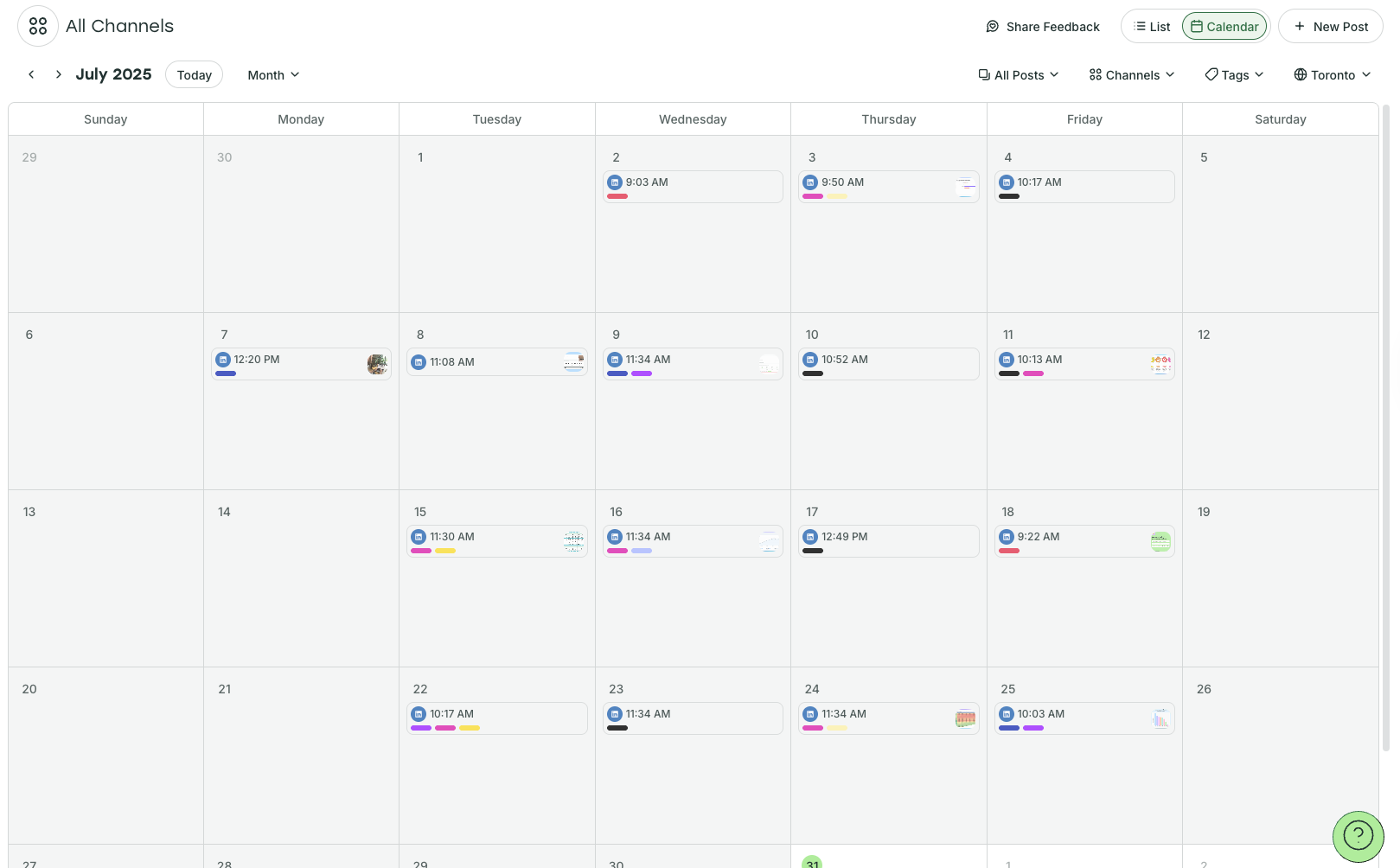
Furthermore, the ability to "repurpose" content—a strategy made significantly easier by having a historical calendar—allows creators to maximize the value of every production hour. A single, high-performing blog post can be broken down into a series of LinkedIn posts, an infographic, a short-form video script, and a series of newsletter updates. Without a calendar, this strategic repurposing is nearly impossible to track.
Final Best Practices for Implementation
For those transitioning from informal planning to a structured calendar system, the recommendation is to start small. Choose a format that is easily maintainable; a complex, high-maintenance system is often abandoned within weeks. Focus on building a realistic cadence—two to three high-quality posts per week are objectively more effective than seven low-effort updates that fail to engage the audience.
As you implement your chosen template, prioritize the review phase. At the end of every month, audit your calendar against your analytics. Ask: Which days saw the most growth? Which content pillars resulted in the most comments? By iterating on your strategy each month, your calendar evolves from a simple list of dates into a sophisticated engine for growth.
In conclusion, the social media content calendar is the backbone of digital marketing maturity. It bridges the gap between creative vision and measurable business outcomes. By choosing the right tool, grounding your schedule in audience data, and maintaining a disciplined approach to the creation process, you set the stage for sustained relevance in a competitive digital environment. Whether you are an independent creator or part of a global marketing team, the shift to a structured planning methodology is the most reliable path toward long-term social media success.