Meta Platforms Wrapped Up 2022 with Major Algorithmic, Advertising, and Creator Tool Updates as It Prepares for 2023

The final quarter of 2022 was exceptionally busy for Meta Platforms, as the tech giant rolled out a sweeping array of product launches, algorithm adjustments, and policy updates across its core ecosystem of Facebook, Instagram, and Messenger. Throughout the closing months of the year, advertisers, content creators, and business page administrators navigated a heavily restructured operational landscape defined by deeper artificial intelligence integration, native scheduling tools, and enhanced brand safety protocols. As the digital marketing industry transitions into 2023, these late-2022 developments provide a clear roadmap of Meta’s long-term strategic priorities: aggressive automation, vertical video dominance, and tightly regulated social commerce.
Strategic Evolution and the Shift Toward Automation
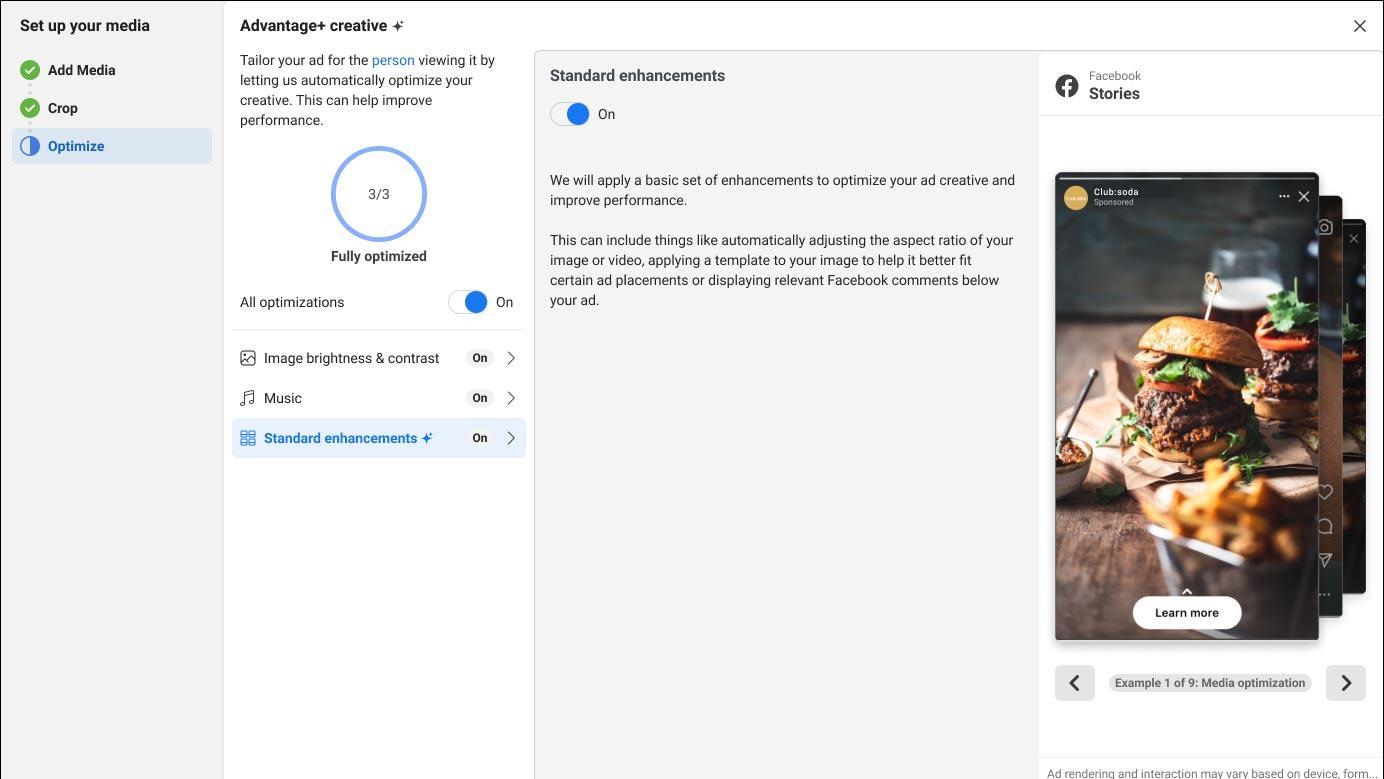
Heading into 2023, Meta’s overarching philosophy for digital marketing has firmly pivoted toward machine learning and end-to-end automation. Throughout the fourth quarter of 2022, the company continuously refined its Advantage+ suite of advertising products, aiming to alleviate manual campaign creation burdens for small- and medium-sized businesses. By allowing algorithms to automate audience targeting, placement delivery, and creative variations—such as testing up to 150 unique asset combinations simultaneously—Meta reported significant cost-per-acquisition savings for early adopters. Internal data cited by the company indicated that Advantage+ shopping campaigns yielded lower cost-per-purchase conversions compared to traditional manual configurations.
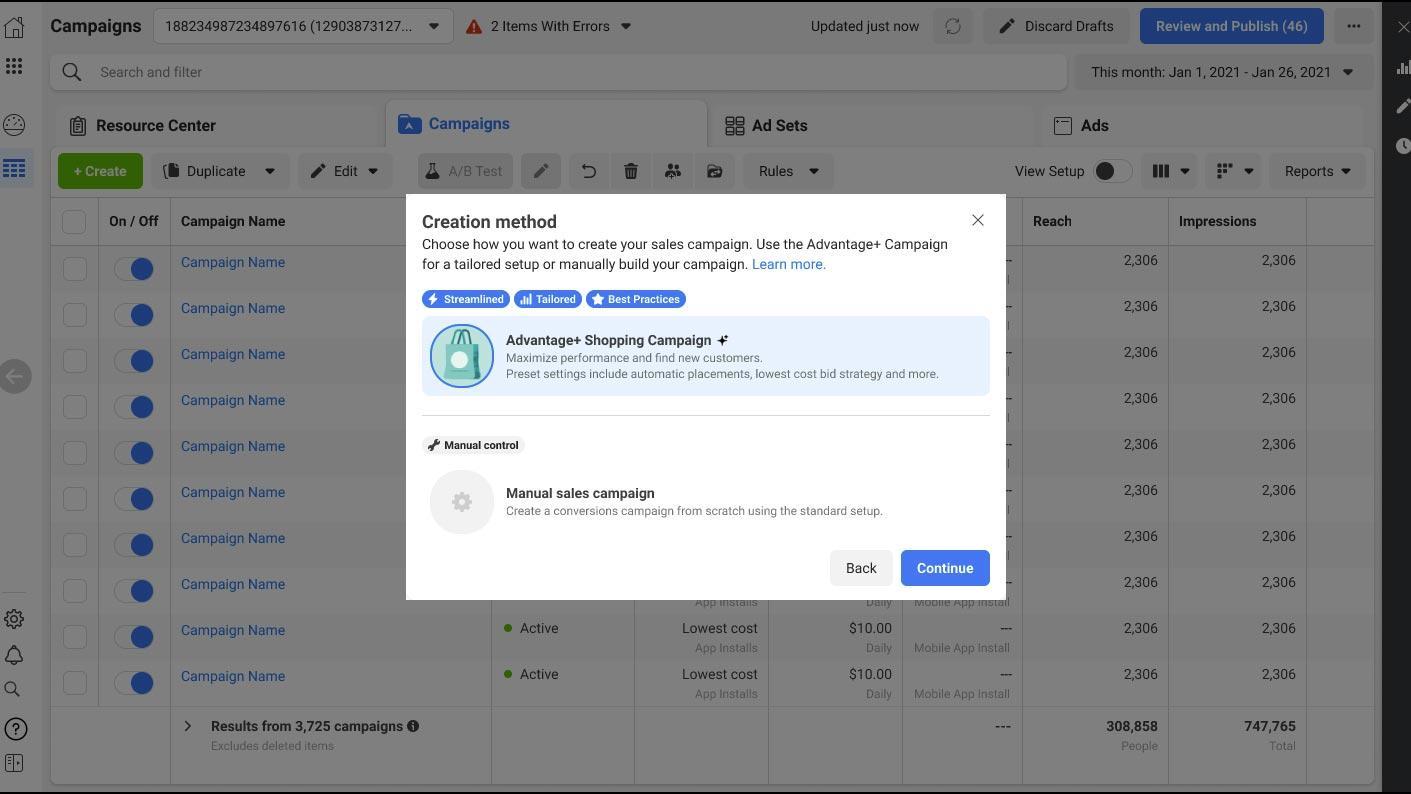
This automated ecosystem builds upon a turbulent year for digital advertisers, who spent much of 2022 adapting to post-iOS 14 attribution challenges and tighter privacy frameworks. By centralizing machine learning capabilities, Meta aims to bridge the gap left by restricted third-party data tracking, leveraging first-party behavioral signals to deliver optimized ad placements. Industry analysts note that while relinquishing manual control to algorithms requires a distinct shift in strategy for seasoned media buyers, the efficiency gains are becoming increasingly difficult for brands to ignore.
Instagram Introduces Native Content Scheduling and In-Feed Music Integration
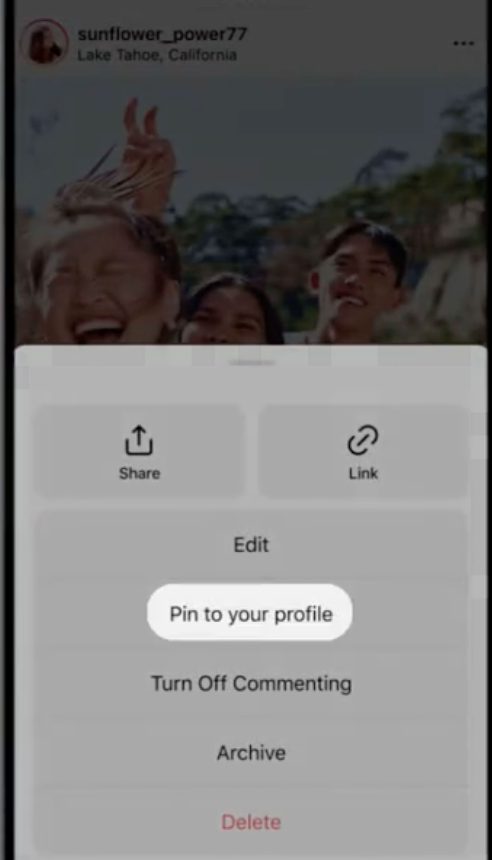
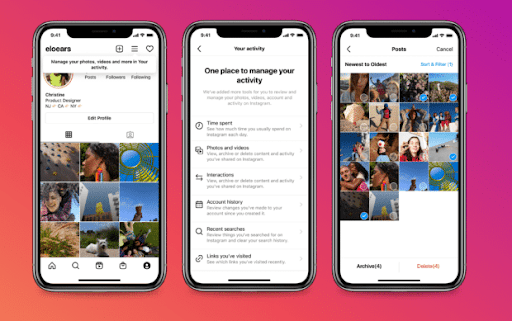
Among the most practical updates for organic content creators and small business owners in late 2022 was the long-awaited rollout of native content scheduling within the Instagram mobile application. Previously, planning posts in advance required third-party management tools or desktop-specific interfaces. The December update granted Business and Creator accounts the ability to schedule static photos, carousels, and Reels up to 75 days in advance directly inside the app.
To utilize the feature, users navigate to advanced settings prior to publication, select a specific date and time, and manage queued content through a dedicated professional dashboard submenu. However, the release came with notable caveats: advanced features such as product tagging, automated cross-posting to Facebook, and direct post-boosting remain unavailable for natively scheduled content, requiring manual implementation upon publication.

Complementing the scheduling update, Instagram expanded its audio capabilities by allowing users to append up to 90 seconds of licensed music directly to standard in-feed photo posts. Previously restricted to Stories and short-form Reels, this feature gives static imagery an auditory dimension, providing brands with a fresh creative avenue to capture user attention within increasingly crowded timelines.
Refining Brand Safety and Intellectual Property Protections

As digital platforms face ongoing scrutiny regarding content moderation and ad placement suitability, Meta achieved a significant compliance milestone in November 2022. The Media Rating Council (MRC) granted official accreditation for content-level brand safety on Facebook. The rigorous independent audit evaluated Meta’s Partner Monetization Policies, Content Monetization Policies, and corresponding safety controls across Instant Articles and In-Stream video formats on desktop and mobile applications.
To build upon this accreditation, Meta initiated tests for content-based inventory filters across both Facebook and Instagram feeds, granting advertisers granular control over the contextual environments in which their promotional materials appear. This focus on platform integrity extended into intellectual property management with the introduction of the IP Reporting API and enhanced Brand Rights Protection tools within Meta Business Manager. These infrastructure updates allow original creators and copyright holders to efficiently report infringement, counterfeit products, and unauthorized impersonations, signaling a concerted effort to foster a secure commercial environment.
The Unyielding Push for Reels and Community Building
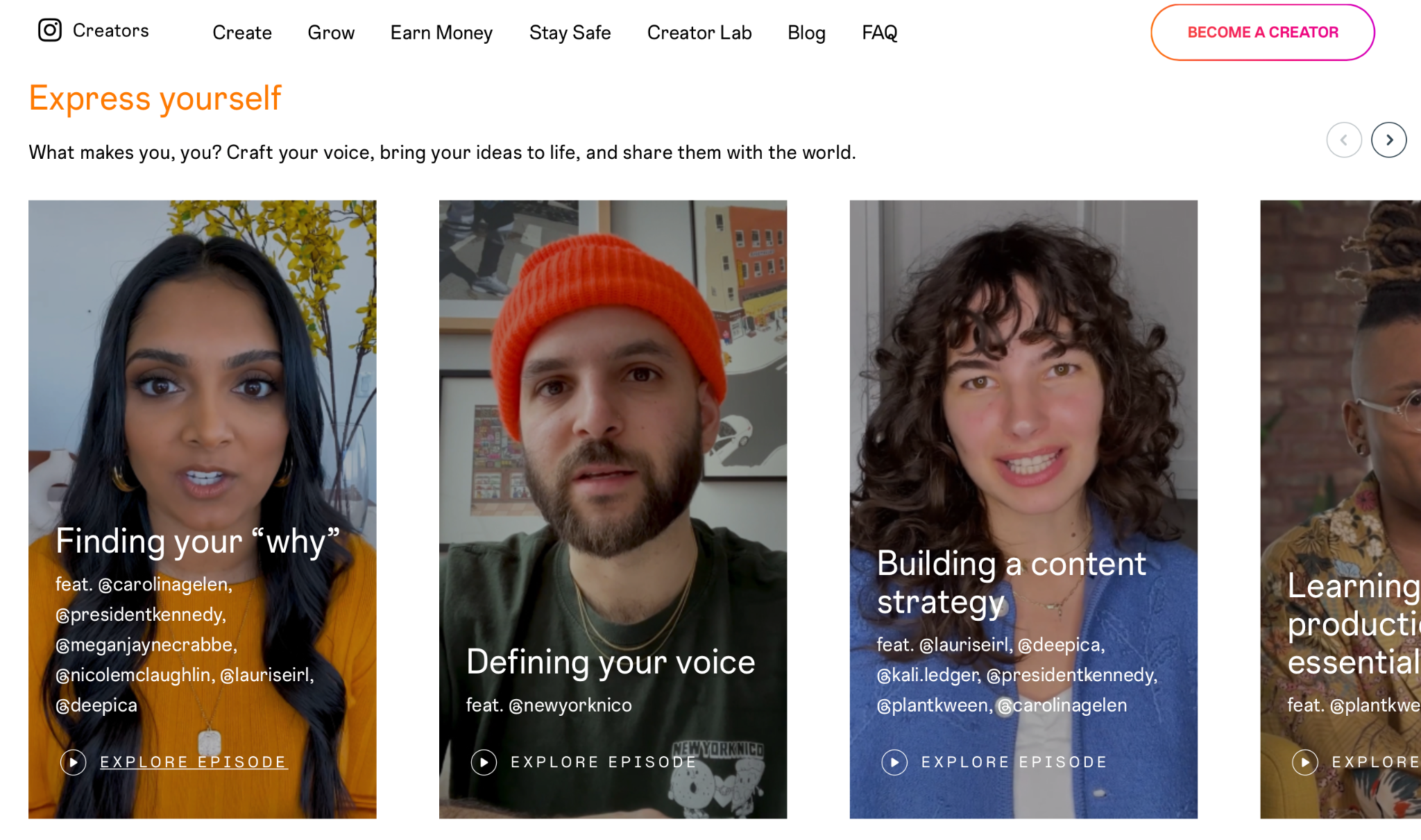
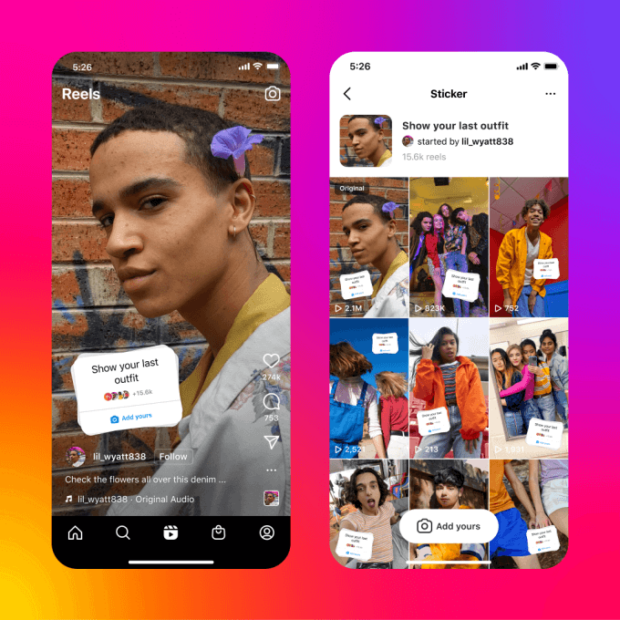
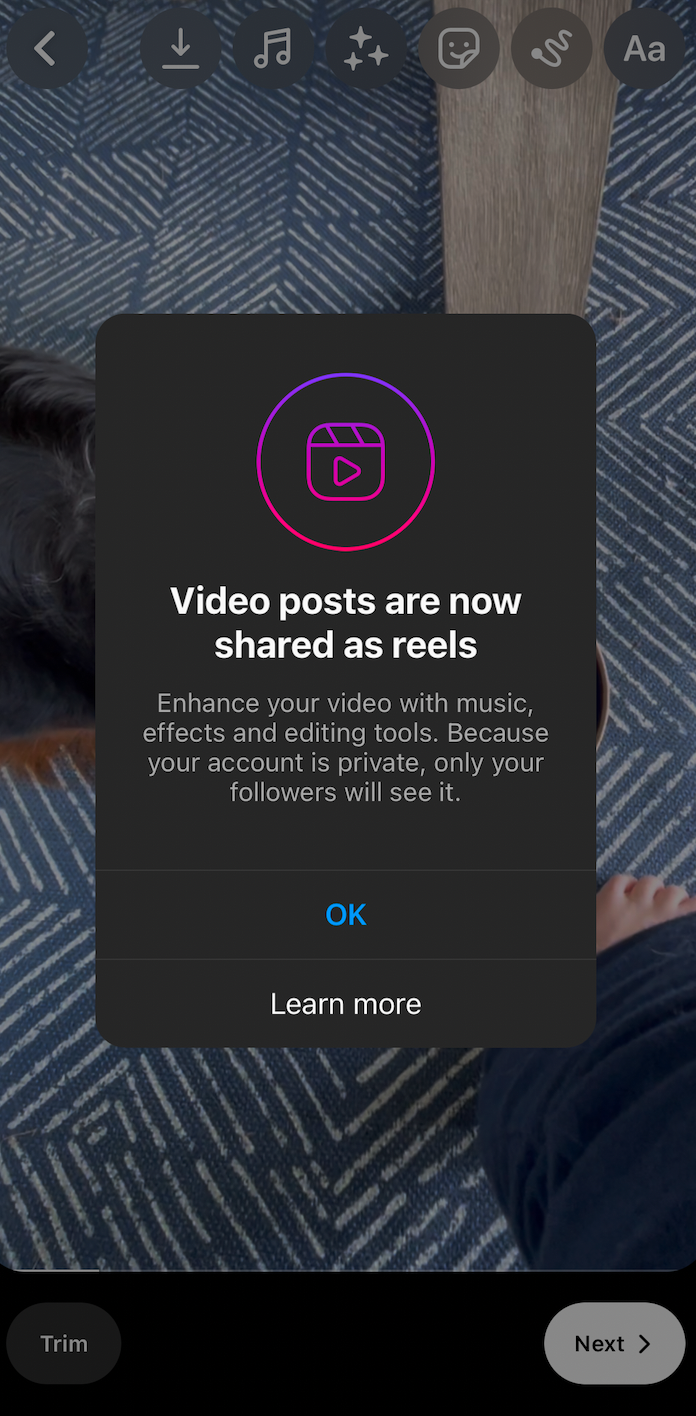
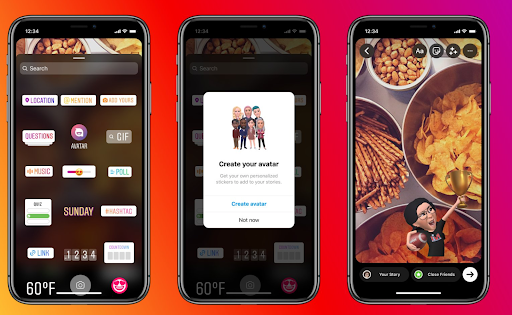
Throughout 2022, short-form video remained the undisputed focal point of Meta’s algorithmic strategy. Modeled after the explosive growth of competitor platforms, Instagram and Facebook Reels consistently generated higher engagement and discoverability metrics than traditional post formats. Meta’s Q4 updates solidified this trajectory, introducing cross-posting capabilities, dedicated Facebook Reels insights in Creator Studio, and the expansion of the interactive "Add Yours" sticker to both Facebook and Instagram short-form video formats.
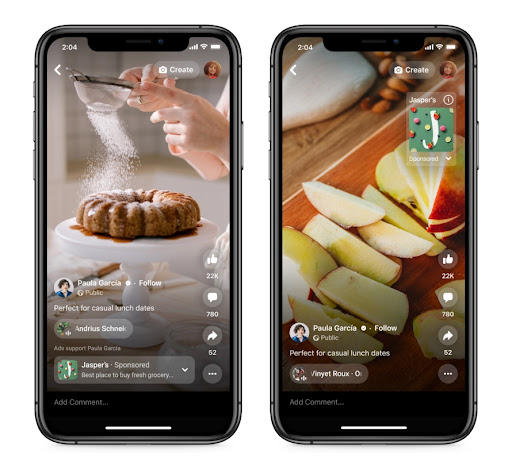
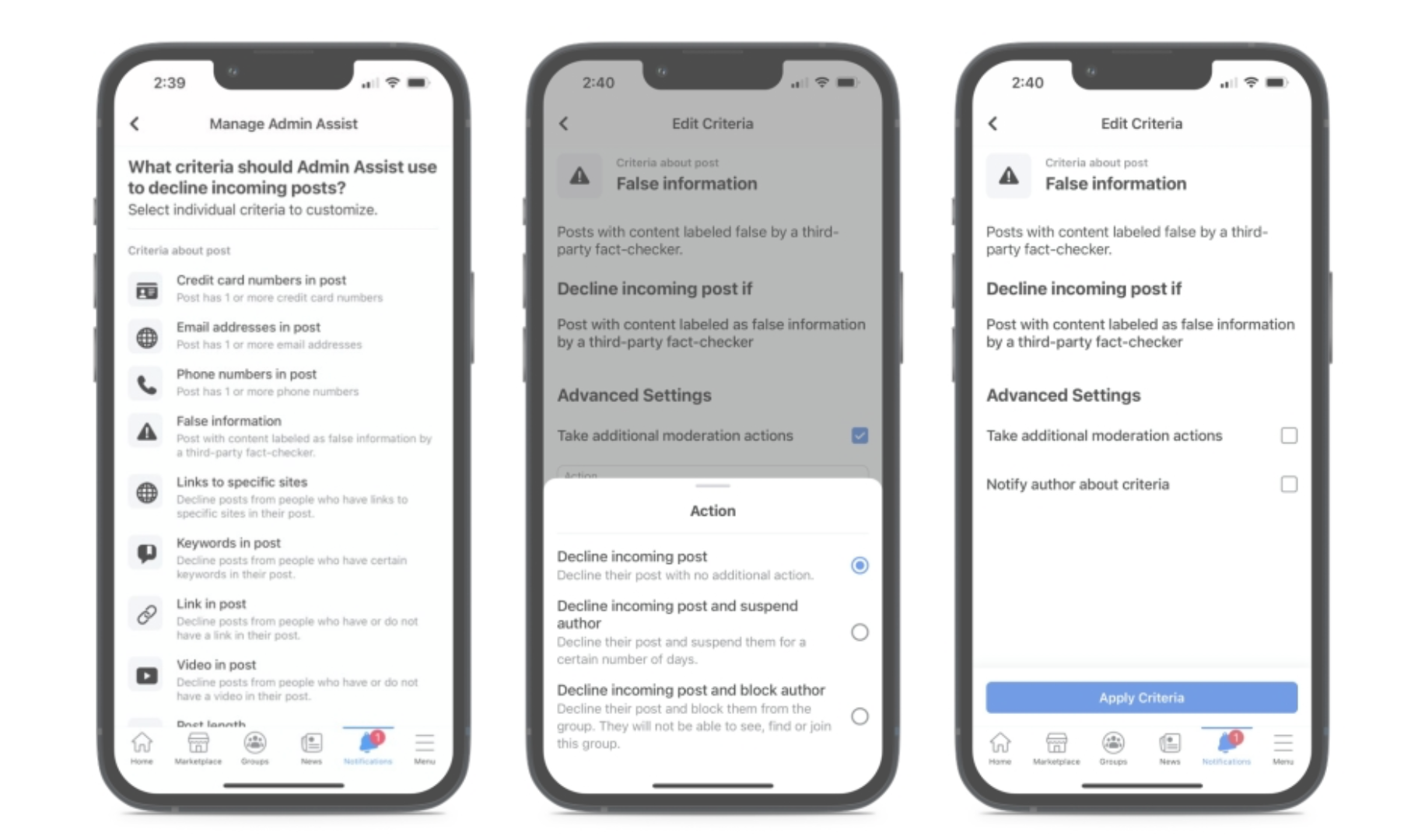
Concurrently, Facebook continued to heavily invest in community-focused infrastructure through Facebook Groups. Recognizing that micro-communities drive sustained, high-intent user engagement, Meta rolled out sophisticated administrative tools, including automated moderation controls and subscription-based monetization frameworks. By allowing verified brands and creators to gate exclusive community content behind a recurring monthly fee, Meta established a viable alternative revenue stream that reduces reliance on volatile ad spend.
Future Outlook and Strategic Implications for 2023
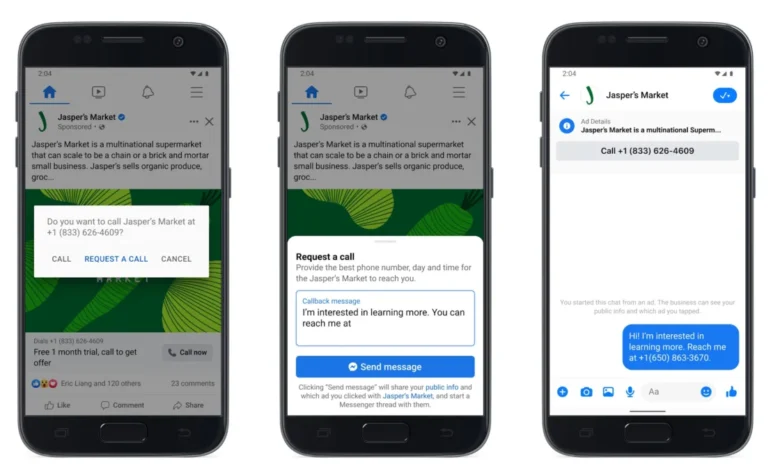
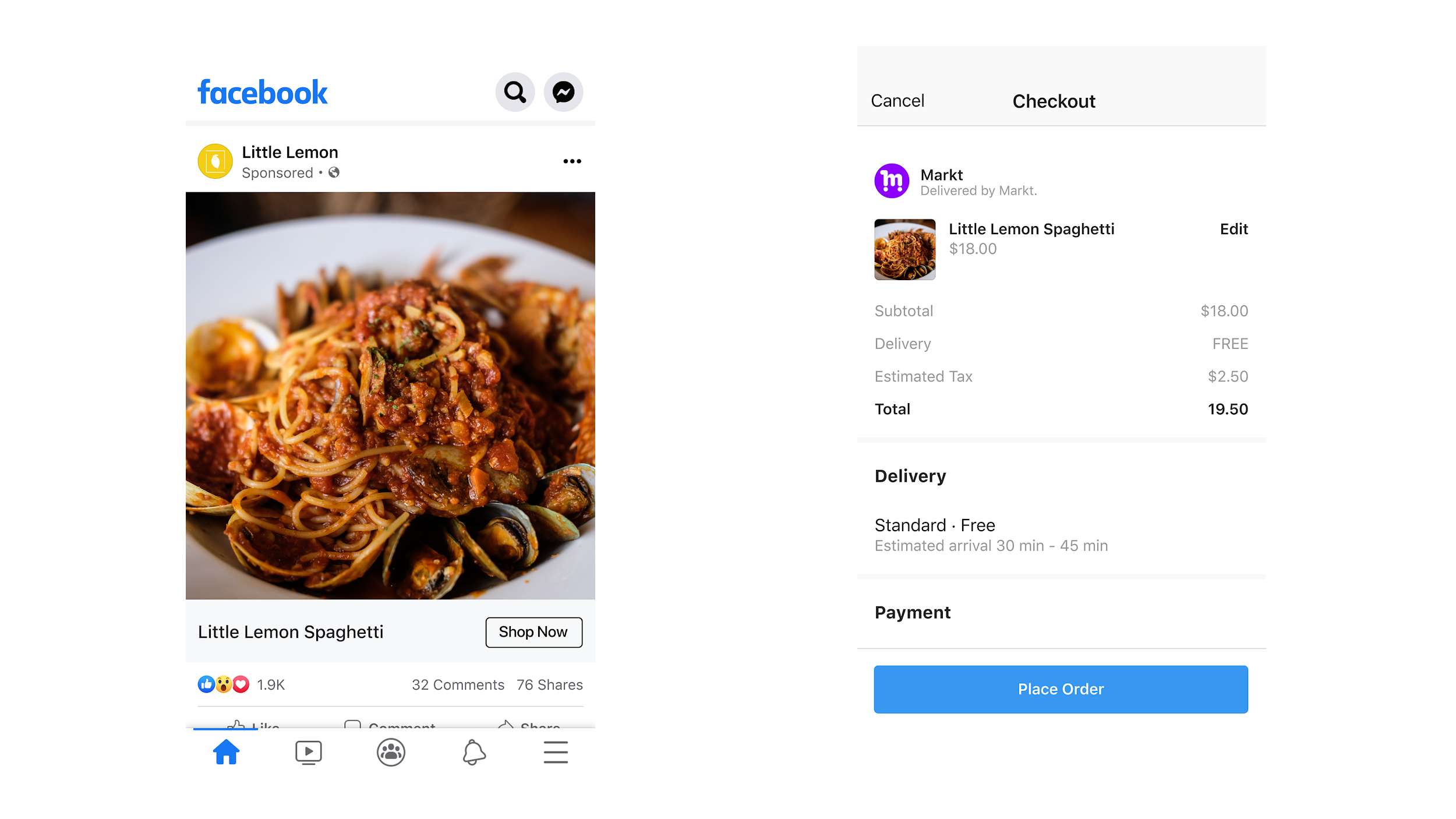
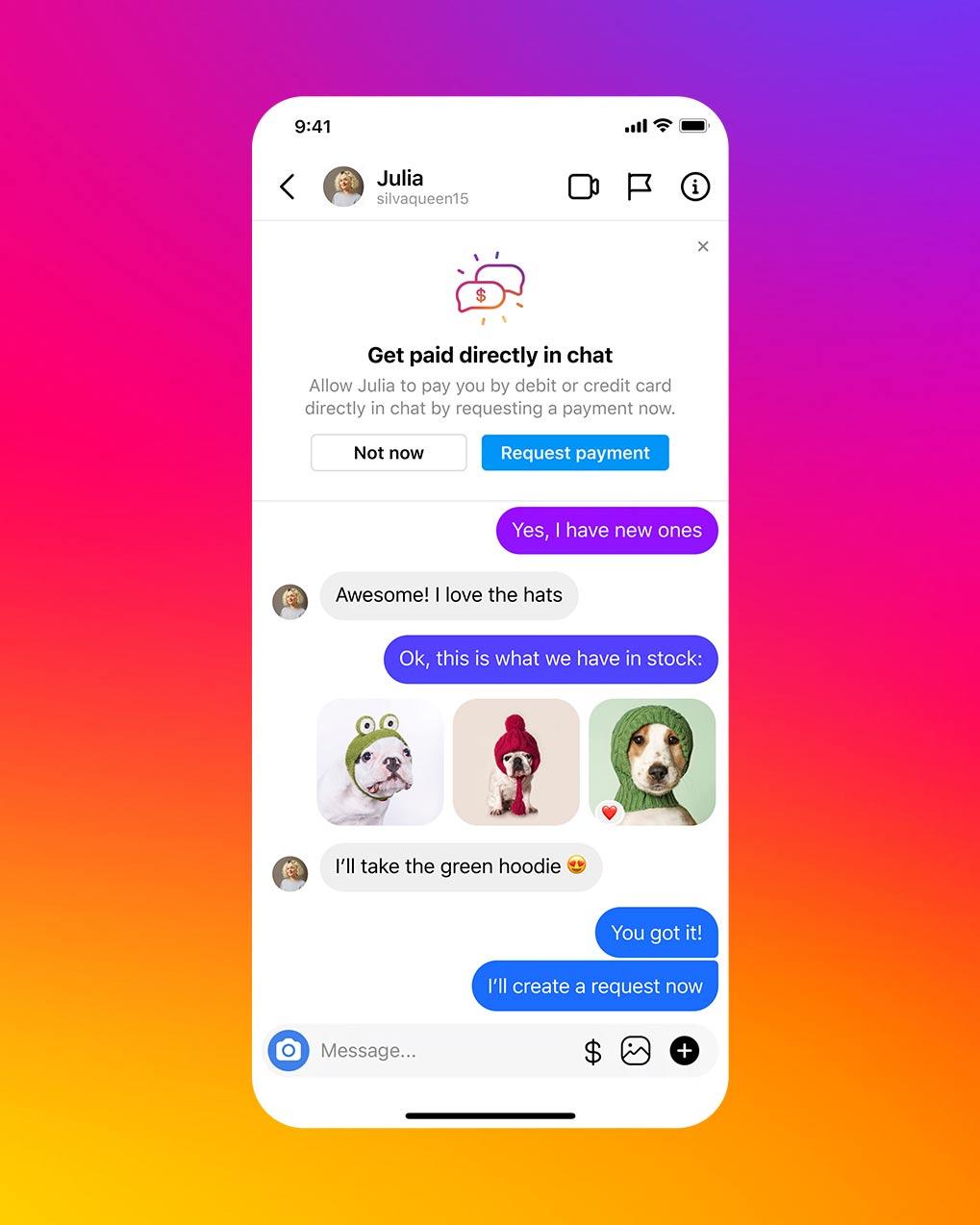
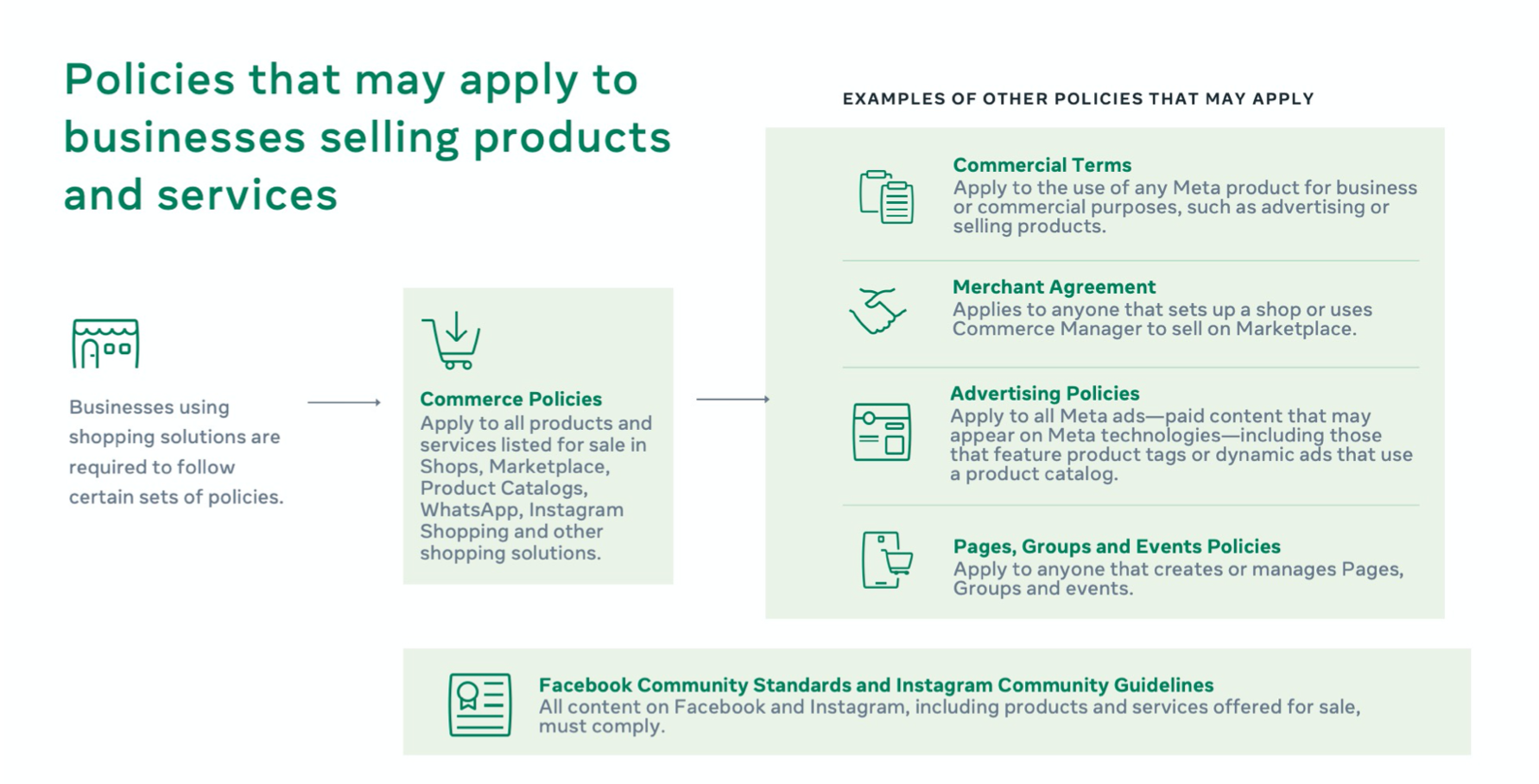
As Meta transitions fully into 2023, the platform’s trajectory is anchored by four primary pillars: the ongoing refinement of Advantage+ automation, the maturation of short-form video monetization, the expansion of conversational commerce via direct messaging and payment integrations, and Chief Executive Officer Mark Zuckerberg’s sustained financial commitment to the metaverse. Despite macroeconomic headwinds and multi-billion-dollar operating losses within Reality Labs, Meta’s foundational advertising and social networking infrastructure remains the primary engine funding its virtual reality ambitions.
For digital marketers and business owners, the lessons of late 2022 are clear. Success on Meta’s platforms now requires fluency in automated campaign architecture, a mastery of vertical video production, and a willingness to embrace native in-app commerce tools. As the digital ecosystem grows increasingly automated and privacy-centric, brands that adapt quickly to Meta’s evolving infrastructure will be best positioned to capture consumer attention and maximize return on ad spend in the year ahead.