The Evolution of Content Creation: A Comprehensive Analysis of the 2024 AI Video Editing Landscape

The global digital media landscape has undergone a seismic shift as creators and enterprises increasingly prioritize video consistency, leading to the rapid emergence of artificial intelligence (AI) video editing solutions designed to bridge the gap between creative vision and technical proficiency. As short-form video platforms such as TikTok, Instagram Reels, and YouTube Shorts continue to dominate consumer attention, the demand for high-frequency, high-quality production has moved beyond the capabilities of traditional manual editing for many solo creators and marketing teams. The current market is bifurcated into two distinct technological approaches: AI-enabled editors, which augment traditional timelines with automated features, and AI-led editors, which utilize agentic workflows to execute edits based on natural language instructions.
The Structural Shift in Video Production Workflows
Historically, the transition from filming to a finished product represented the most significant hurdle in the content creation lifecycle. The technical requirements—setting up hardware, mastering on-camera presence, and navigating complex non-linear editing software—often acted as a deterrent to consistent publishing. Industry data suggests that while video remains the most engaging format, the time investment required for professional-grade editing has been a primary bottleneck.
The emergence of AI video editors in 2024 addresses these friction points by automating repetitive tasks. These tools are categorized based on the level of autonomy granted to the software. AI-enabled editors, such as CapCut, Adobe Express, and Veed, maintain a traditional timeline interface where the user remains the primary operator. In this model, AI serves as a specialized assistant for tasks such as caption generation, background noise removal, and silence trimming.
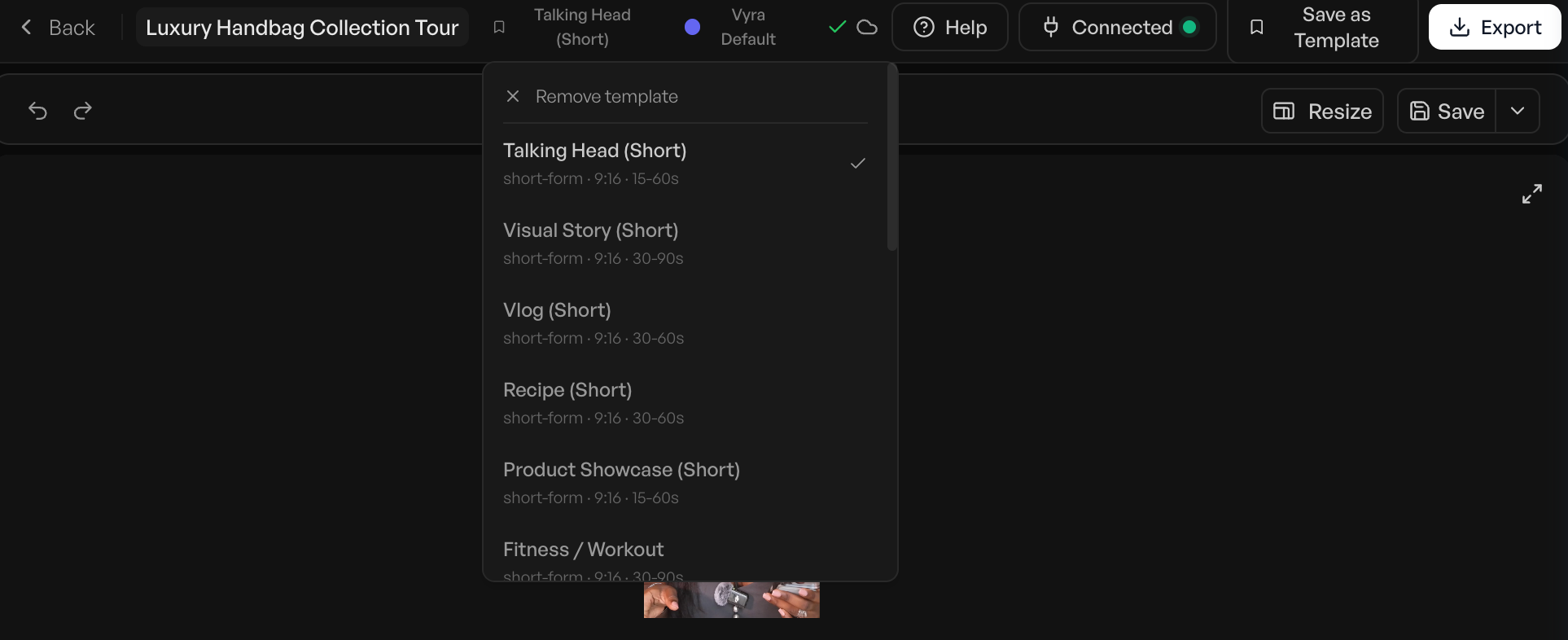
Conversely, AI-led editors represent a paradigm shift toward "agentic" editing. Tools like Vyra and the "Underlord" feature in Descript allow users to bypass the timeline entirely, providing instructions in plain English. This transition from manual manipulation to natural language processing (NLP) indicates a broader trend in software development where the "bottleneck" is no longer the tool itself, but the user’s ability to provide precise, technical prompts.
Chronology of the AI Video Editing Evolution
The trajectory of video editing technology can be traced through four distinct phases:
- The Professional Era (Pre-2010s): Mastery of complex software like Adobe Premiere Pro or Final Cut Pro was a prerequisite for quality production, requiring significant training and high-performance hardware.
- The Mobile-First Wave (2015–2020): The rise of apps like InShot and early versions of CapCut simplified the interface, making editing accessible to smartphone users but still requiring manual timeline adjustments.
- The Feature Automation Phase (2021–2023): AI began to appear as specific "one-click" features, such as auto-captioning and basic green-screen removal.
- The Agentic Era (2024–Present): The introduction of the Model Context Protocol (MCP) and integrated Large Language Models (LLMs) allows AI assistants to "read" footage and execute multi-step editing briefs autonomously.
The Role of Model Context Protocol (MCP) in Modern Editing
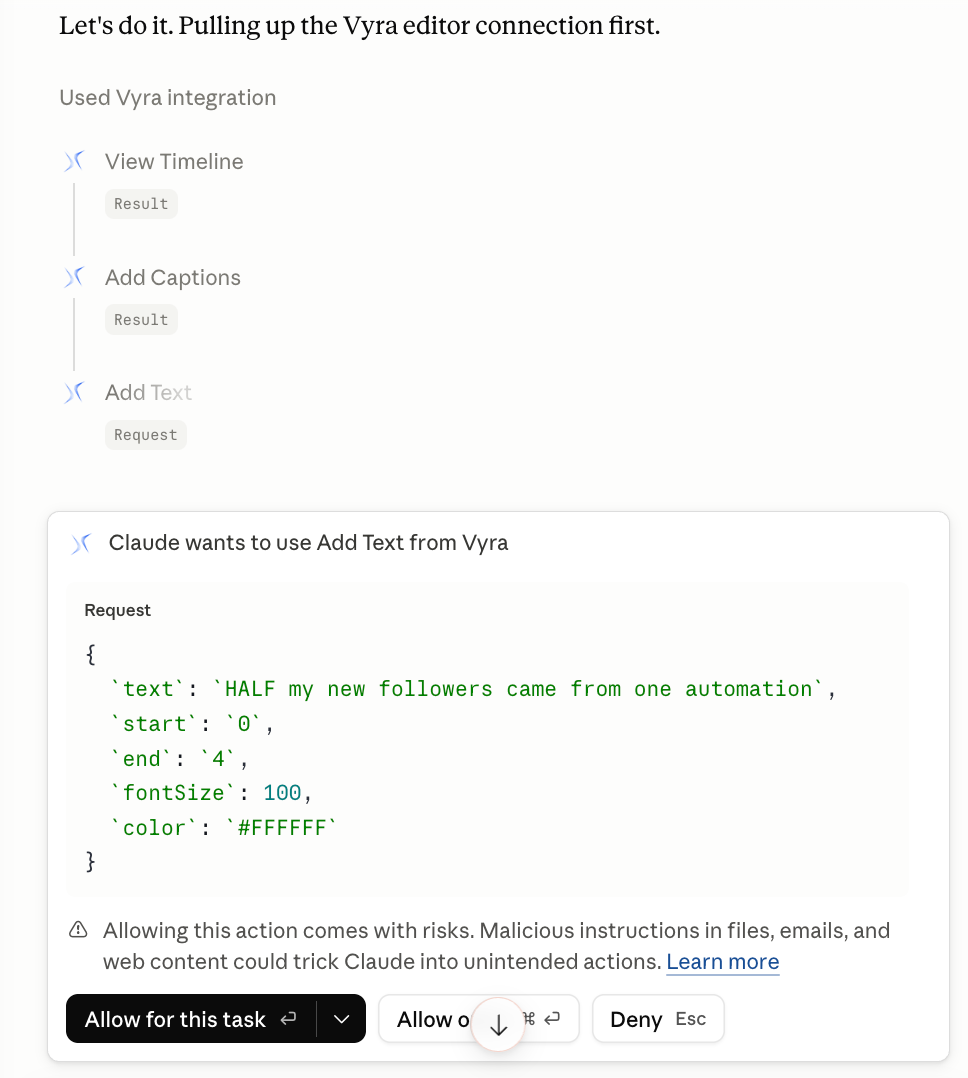
A pivotal development in the 2024 editing landscape is the implementation of the Model Context Protocol (MCP). This standard enables AI assistants, such as Anthropic’s Claude or OpenAI’s ChatGPT, to connect directly with third-party editing tools. In practice, this means a creator can remain within a chat interface, instructing an AI to "analyze the uploaded footage, remove filler words, add captions in a Reels-native style, and export a 30-second highlight."
This integration effectively turns the AI into a co-editor with access to the project’s media library. For instance, Descript’s hosted MCP server allows users to run complex edits without ever manually opening the software’s interface. This level of integration is expected to redefine the "creator economy," which is projected to reach a valuation of nearly $500 billion by 2027, according to Goldman Sachs.
Comparative Analysis of Leading AI Video Tools
Agentic and AI-Led Solutions
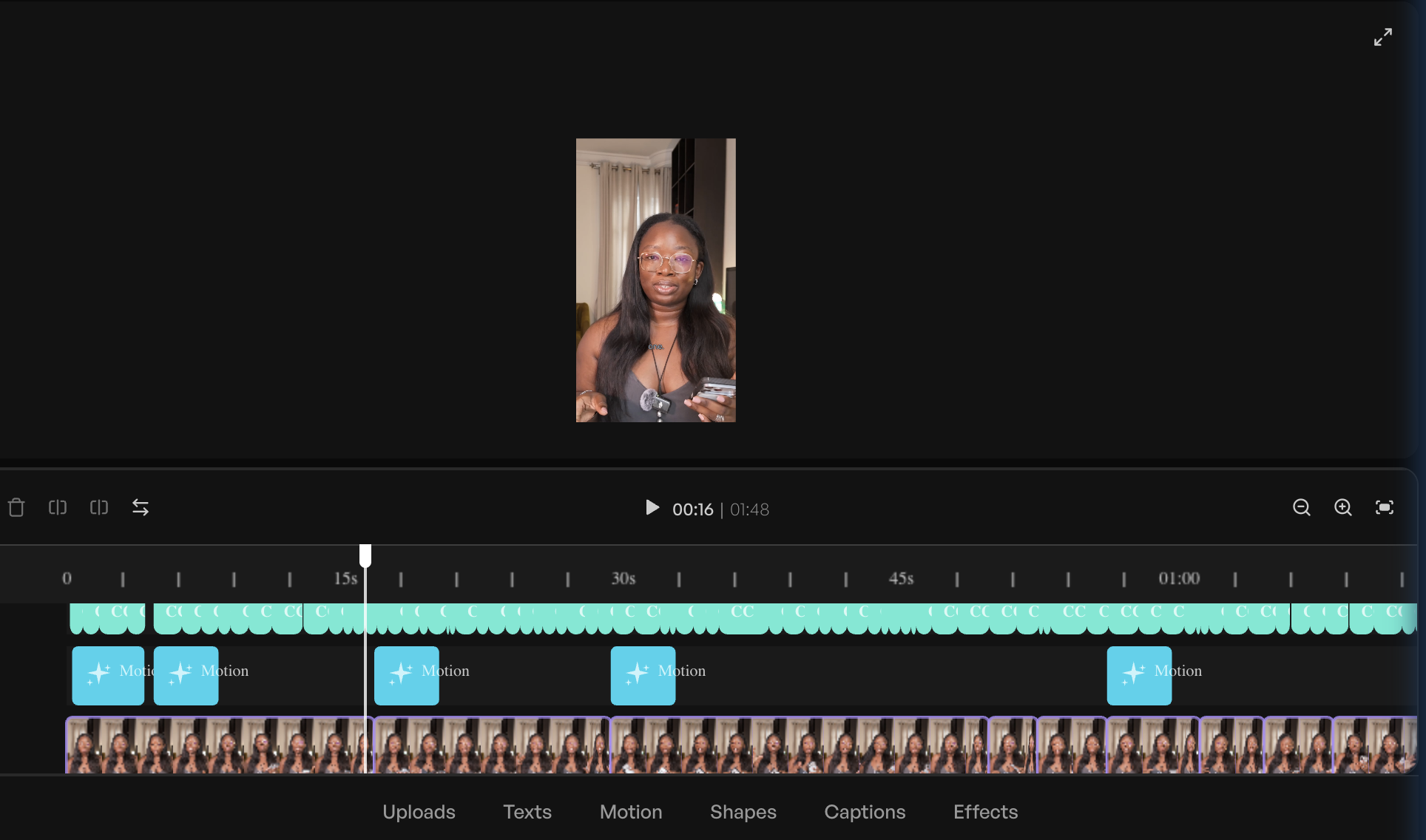
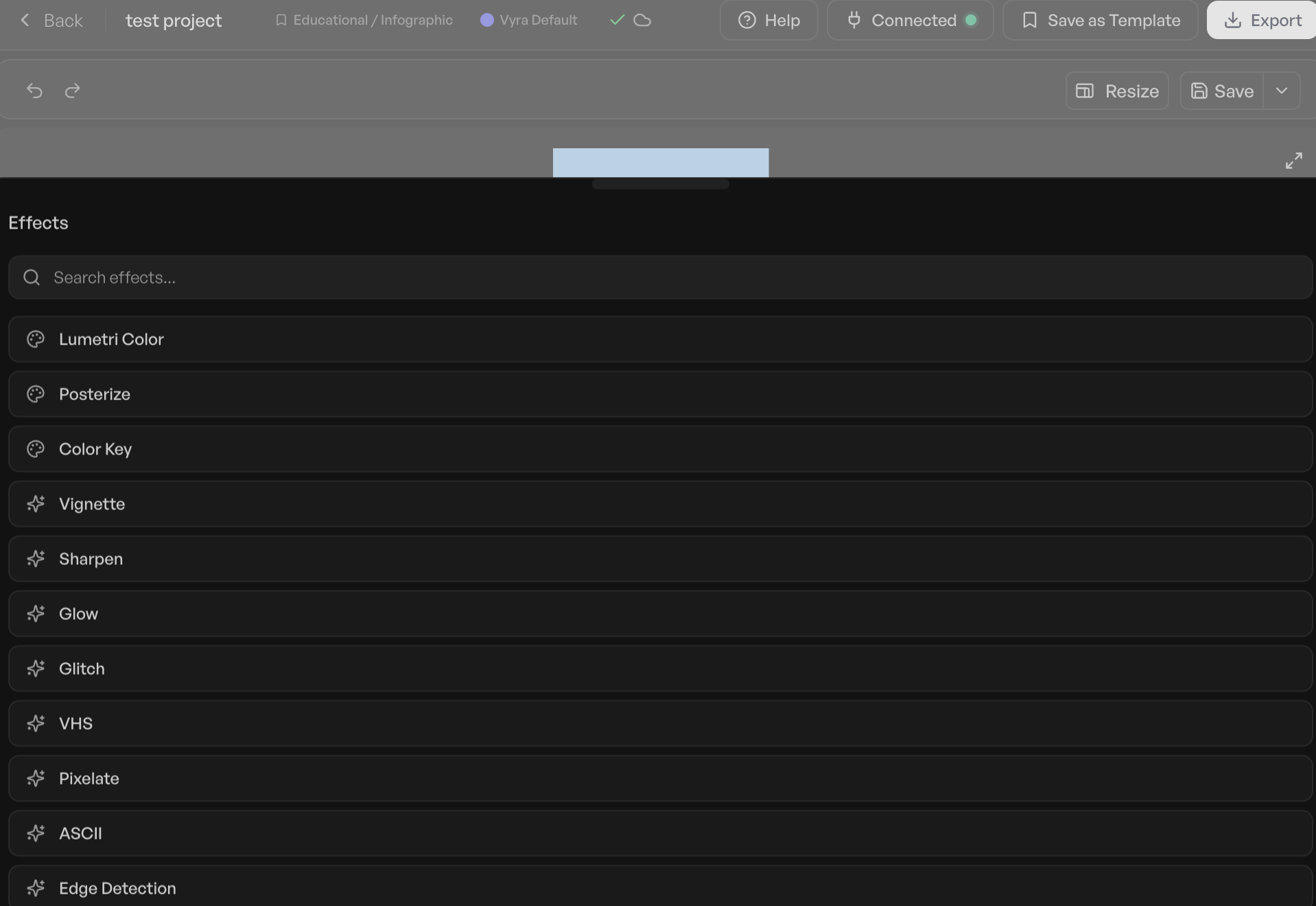
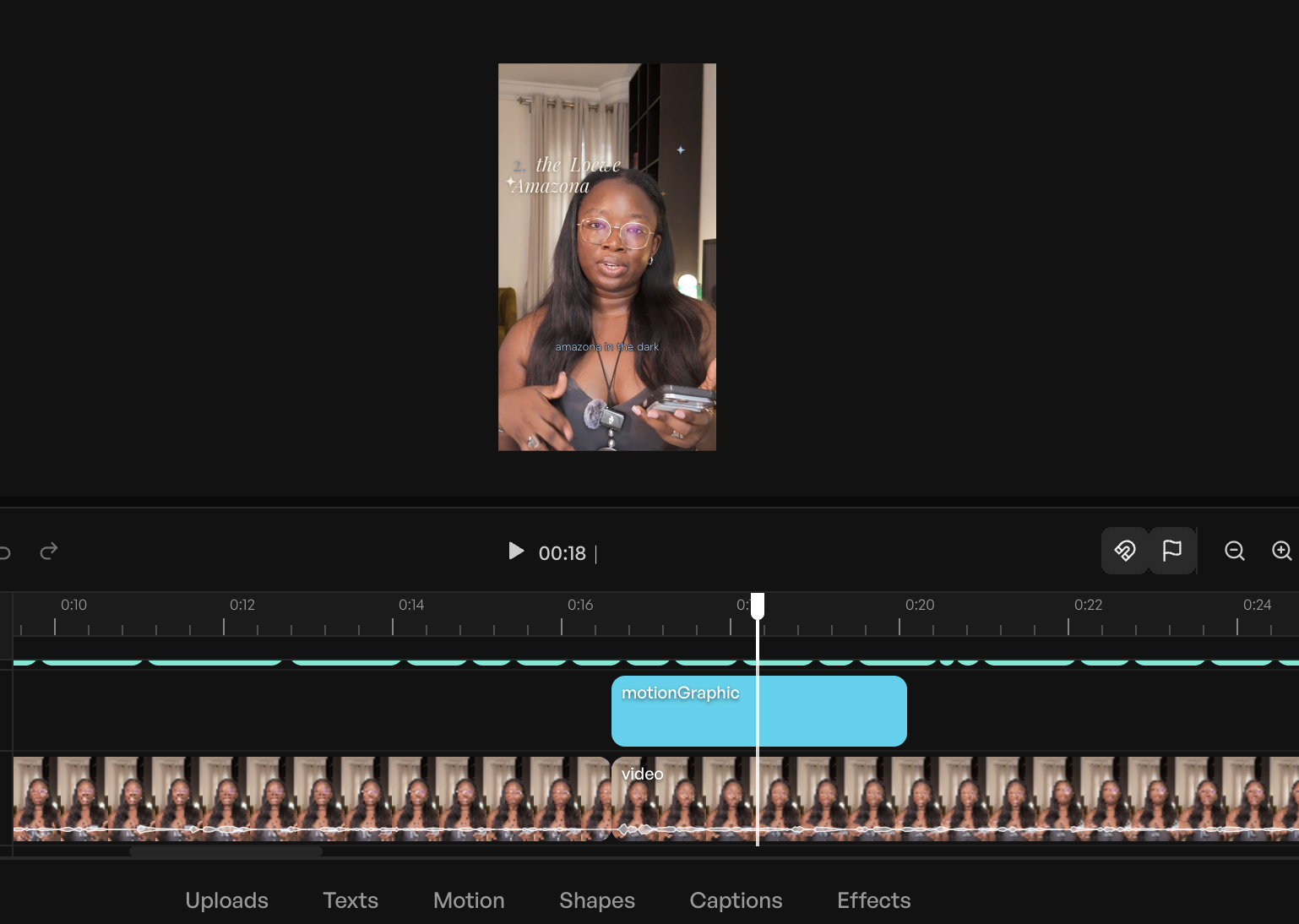
Vyra: Built as a native AI editor rather than an augmented traditional tool, Vyra utilizes a chat-based interface. Its primary differentiator is the ability to analyze visual scenes and transcribe speech before any editing begins. It supports reference-based editing, where users can upload an existing video for the AI to emulate in terms of pacing and style.
Descript: Originally a pioneer in transcript-based editing, Descript has evolved into a hybrid tool. By treating video as a text document, it allows users to edit footage by deleting words from a transcript. Its "Underlord" assistant handles multi-step requests, while its MCP connection allows for entirely hands-off workflows via external LLMs.
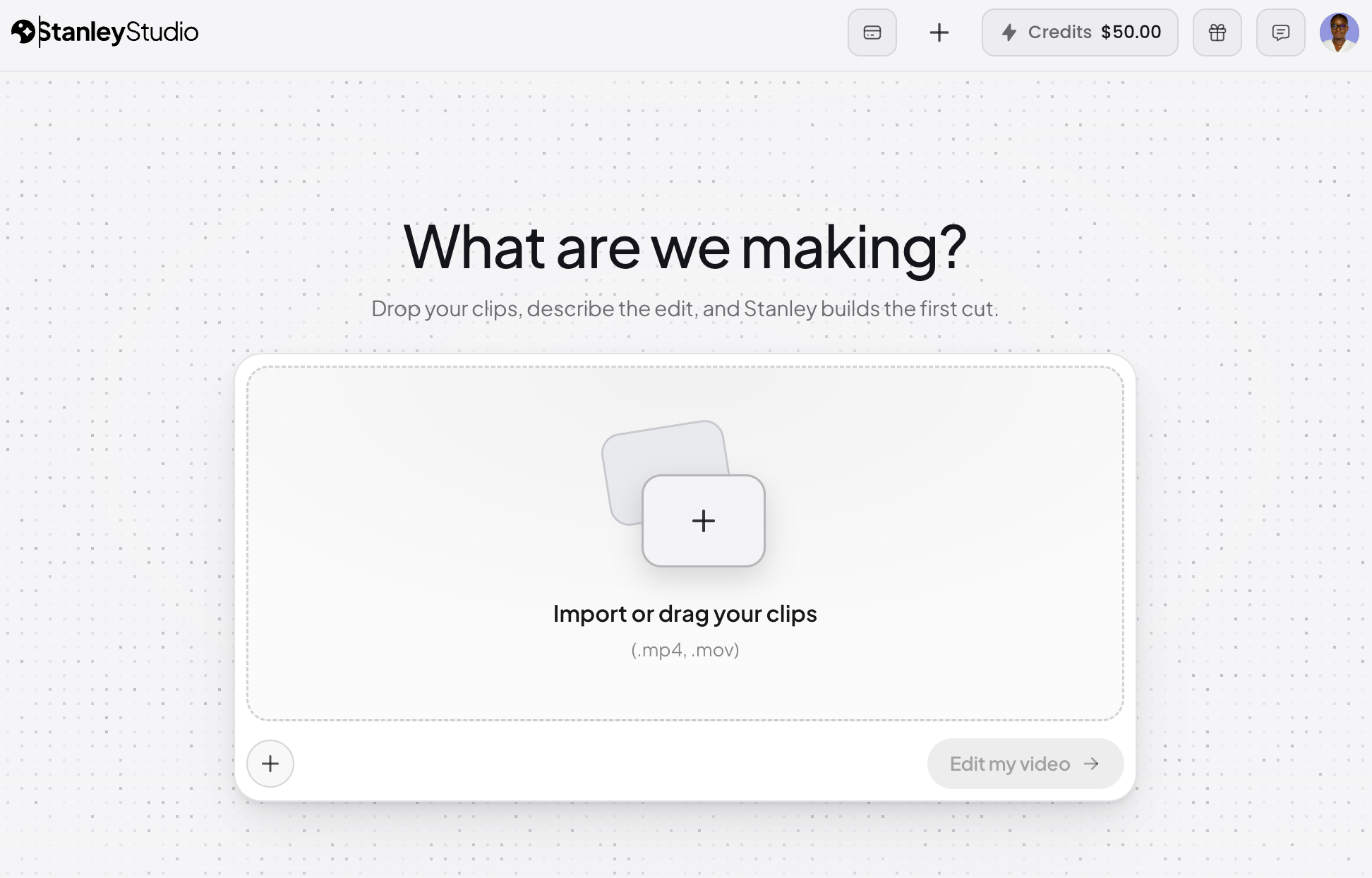
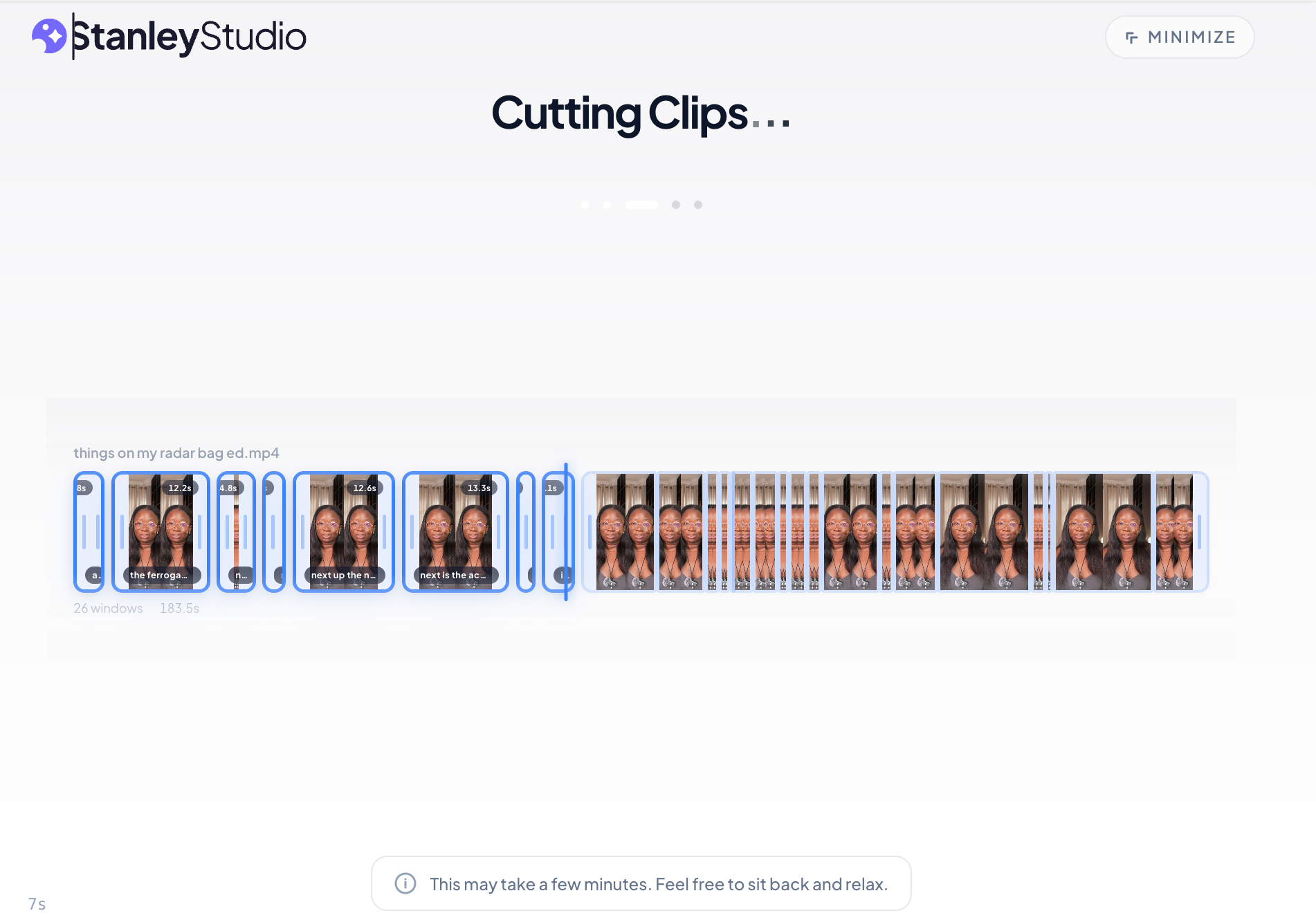
Stanley Studio: A recent entrant focusing on extreme speed, Stanley Studio emphasizes rapid upload times and a "no-timeline" philosophy. While currently limited in handling complex visual overlays, it represents the trend toward "brief-based" editing for talking-head content.
AI-Enabled and Ecosystem-Integrated Solutions
CapCut: Owned by ByteDance, CapCut remains the industry standard for mobile-first creators. Its AI toolkit is extensive, featuring speaker-ID captions, vocal isolation, and "EditPilot," a built-in AI assistant. Its strength lies in its massive library of trending templates and seamless integration with TikTok.
Canva and Adobe Express: These tools cater to users already embedded in design ecosystems. Canva’s "Magic Video" assembles clips based on brand kits and templates, while Adobe Express leverages the Firefly generative AI model. These platforms are optimal for creators who need to maintain strict brand consistency across both static and moving media.
Riverside: Positioned for the podcasting and interview sector, Riverside integrates AI editing directly into the recording environment. Its "Co-Creator" agent cleans audio and generates social media clips from long-form recordings, utilizing local recording tracks for high-fidelity output.
Supporting Data: The Creator Bottleneck
Market research highlights the necessity of these tools. A 2023 survey of digital creators found that:
- 45% of creators cite editing as the most time-consuming part of their workflow.
- 60% of marketers believe that the inability to produce video quickly enough prevents them from entering new social platforms.
- 90% of the most successful short-form videos utilize captions, a task that manual editing can extend by several hours per project, but AI can complete in seconds.
Technical Terminology and Professional Standards
Despite the automation provided by AI, industry experts maintain that "learning the lingo" remains essential for high-quality output. The effectiveness of an AI-led editor is directly proportional to the technicality of the prompt. Key terms that have become standard in AI prompting include:
- J-Cuts: Where the audio from the next scene starts before the visual transition.
- Safe Zones: Ensuring text and graphics are not obscured by platform interfaces (like the "Like" and "Comment" buttons on Reels).
- B-Roll: Supplemental footage used to cover cuts or add context.
- Hook Text: On-screen captions designed to grab attention within the first three seconds of a video.
Broader Impact and Future Implications
The proliferation of AI video editors does not signal the end of the professional video editor’s role, but rather a transformation of it. While AI excels at the "mechanical" aspects of editing—trimming silences, color correction, and captioning—it currently lacks "taste," the subjective human ability to judge the emotional resonance of a specific take or the comedic timing of a pause.
The most significant impact will likely be felt in the democratization of the format. By lowering the "skill floor," AI allows individuals with high-level ideas but low-level technical skills to compete in the attention economy. For professional editors, these tools represent a "productivity ceiling" increase, allowing them to offload tedious tasks and focus on high-level narrative structure and creative direction.
As generative video models like OpenAI’s Sora and Google’s Veo continue to mature, the next phase of this evolution will likely involve the seamless blending of filmed footage with AI-generated B-roll, all managed through a single natural language interface. For now, the transition from AI-enabled to AI-led editing marks the most significant change in media production since the move from film to digital.